







How Do Geisha Coffee and Other Specialty Beans Differ?
Ten representative specialty coffees from Asia, Africa and the Americas show how origin, variety and processing shape flavor. Indonesia's Mandheling is low in acidity and full-bodied with a grassy aroma and lasting sweetness; Ethiopia's Yirgacheffe is floral and fruity; Panama Geisha and Jamaica Blue Mountain sit at the higher end of the market.
Processing method drives much of the difference. Washed beans tend to taste clean and bright; natural beans lean toward tropical fruit with a rounder body; honey-processed beans show wine-like, dried-fruit notes and a balanced sweet-tart profile. Golden Mandheling from PWN, for example, is a washed or wet-hulled Indonesian coffee often chosen by drinkers who avoid sourness.
The wonder of the coffee world lies in the myriad flavors woven from terroir and craft. From Asia's richness to Africa's brightness, from the Americas' balance to the elegance of the islands, different origins, varieties, and processing methods give coffee beans entirely distinct personalities. This article sorts through ten representative coffees from the world's three major producing regions, covering techniques such as wet-hulling, natural, honey, and washed processing—including the low-acid, full-bodied Mandheling, the floral-fruity Yirgacheffe, and the pricey Panama Geisha and Jamaica Blue Mountain. Whether you prefer bright acidity or rich sweetness, you'll find direction in this list, with specific recommendations and brewing-flavor references from Front Street Coffee at the end.
Looking at the world as a whole, there are so many kinds of coffee beans that it's dazzling, and picking the one that suits you is truly no easy task. Different origins, varieties, and processing methods lead to wildly different flavors and mouthfeels. Faced with drinkers of all sorts of taste preferences, one often has to do as a barista does—first understand the other person's expectations for acidity, body, and aroma before giving suitable advice. For example, washed beans usually have bright acidity and taste clean and crisp; natural beans lean toward tropical fruit notes with a hint of light fermentation aroma and a round, full body; honey-processed beans often show wine-like and dried-fruit flavors with a more balanced sweet-tart profile. Below, FrontStreet Coffee introduces several beans from different countries using different processing methods, organized by the world's three major producing regions, to help everyone sort out their thinking.
1. Front Street Indonesia - Mandheling (full-bodied, low acidity, pronounced sweetness)
Indonesia is a highly representative coffee-producing country in Asia, and among its coffees Mandheling is the most famous. It has relatively low acidity and high concentration, with an aroma reminiscent of fresh grass; it enters the mouth rich and full, with a lasting sweet aftertaste that leaves a deep impression.
If you don't much care for sourness, Mandheling is worth a try. Front Street has been a loyal fan of Mandheling since the shop opened, and the Golden Mandheling from PWN in particular is favored by Front Street's fans. Golden Mandheling is a specialty coffee selected from the very best, subjected to multiple rounds of hand sorting, with beans required to be plump and uniform; compared with ordinary Mandheling it tastes cleaner and has more concentrated flavor, making it a classic choice for those who prefer a traditional coffee taste.
Recommended coffee: Front Street Indonesia Golden Mandheling Coffee
Country: Indonesia Company: PWN Region: Gayo Mountain, Aceh, North Sumatra Processing: Wet-hulled (Giling Basah) Variety: Ateng Altitude: 1100-1600 m Brewing flavor: Layered and varied, full-bodied and clean, highly balanced, with rich nut and caramel aromas, hints of chocolate, and a lasting finish.
2. Front Street Ethiopia - Yirgacheffe (fresh, elegant floral-fruity aromas, bright citrus acidity)
Ethiopia's Yirgacheffe is a renowned region in specialty coffee; its coffee carries elegant floral-fruity aromas and bright, lively acidity. As the birthplace of coffee, Ethiopia has accumulated millennia of growing and processing tradition, giving rise to high-quality washed Arabica beans.
At a light roast, Yirgacheffe shows lemon, floral, and honey-like sweetness, with soft fruit acidity, pronounced citrus notes, and a fresh, translucent mouthfeel. Natural-processed Yirgacheffe, by contrast, has rich tropical fruit flavors, full sweetness, and round, soft acidity, with the sweetness lingering in the mouth for quite a while—also the first choice for many people stepping into the world of specialty coffee.
Recommended coffee: Front Street Yirgacheffe Red Cherry Natural Coffee Beans Region: Yirgacheffe Region altitude: 1900-2300m Variety: Heirloom Processing: Natural Grade: G1 Brewing flavor: Tropical fruit, strawberry flavors, full and round acidity, juicy mouthfeel, long finish.
3. Front Street Kenya - K72 Washed (cherry tomato flavors, a bright, tangy sprite of full-bodied acidity)
Kenyan coffee enjoys an excellent reputation worldwide; national-level support and a strict grading system have earned it the title "coffee connoisseur's choice." AA is the highest grade in Kenyan coffee, representing the very best of the best, and Front Street is especially partial to the AA TOP from the Thika region.
TOP is a designation given by Kenyan coffee merchants after cupping. This bean uses the K72 double-washed fermentation process, and its acidity is exceptionally bright and lively, as delicate and alluring as berries and red wine. When brewing, the rich berry aroma immediately spreads out; on the palate you can sense clear cherry tomato and smoked plum flavors, with the acidity and aroma lingering long in the mouth; the finish carries a creamy sweetness and a lasting sweet aftertaste. As long as you can accept acidity, Kenya is a very worthwhile choice to try.
Recommended coffee: Front Street Kenya Little Tomato Coffee Beans Region: Thika, Kenya Washing station: Asali Honey Washing Station Altitude: 1550-1750 m Grade: AA TOP
Variety: SL28, SL34 Processing: Kenyan 72-hour washed Brewing flavor: Ripe tomato and floral notes; on the palate, cherry tomato and smoked plum flavors, bright acidity, clean and at once the most solid and rich mouthfeel, with pronounced mid-palate sweetness and a juicy quality; the finish has berry aroma and brown-sugar sweetness, along with green tea fragrance.
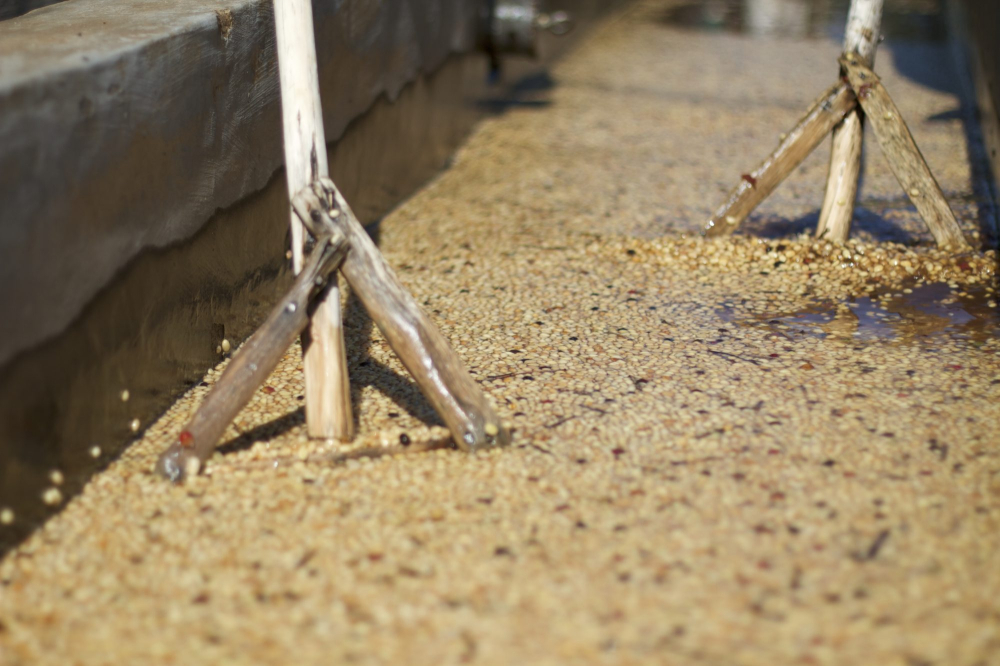
4 . Front Street Costa Rica - Honey Processed (floral, dried-fruit, distinctly sweet coffee flavors) Costa Rica was the first country in Central America to begin growing coffee, and its most widely known method is honey processing, which can be called its signature processing style. So-called honey processing refers to the green-bean processing method in which the mucilage is retained for sun-drying. After the coffee beans have their outer fruit pulp removed, a sticky gelatinous layer remains on the surface. The traditional washed method uses large amounts of water to rinse it off, but some high-altitude regions are limited by water resources, and so the practice of drying directly with the mucilage on arose.
During honey processing, the beans are prone to contamination and mold, requiring strict supervision throughout and constant turning to speed drying and avoid undesirable fermentation flavors. Its advantage is that it preserves the original sweetness of the ripe coffee fruit to the greatest extent, giving the coffee a delicate brown-sugar flavor and stone-fruit sweetness; the berry notes can also support a red-wine-like aromatic base, making it regarded as a rather elegant finished product. The reason honey-processed coffee beans are so sought after is largely that they combine sweetness with body.
Recommended coffee: Front Street Costa Rica Mirazu Estate Geisha Blend Coffee Beans Region: Tarrazú, Costa Rica Estate: Mirazu Estate Altitude: 1700 m Variety: Geisha blend Processing: Raisin honey process
Brewing flavor: The fresh fragrance of jasmine, soft fruit acidity, an almond finish, and pronounced sweetness.
5 . Front Street Brazil - Yellow Bourbon (a must for nut and cocoa flavor lovers) Brazilian coffee varieties include both Arabica and Robusta; Bourbon is the main cultivated variety, characterized by relatively low acidity, which works together with coffee's own bittersweet taste; it is smooth on the palate and carries a light grassy aroma—fragrant with a slight bitter note, sweet and smooth, with a pleasing aftertaste.
Brazilian coffee has no particularly outstanding strengths, but also no obvious shortcomings. It tastes mild and smooth, with low acidity, moderate body, and a faint sweetness; so many soft flavors interweave that trying to distinguish them one by one is actually quite a test for the palate. Yellow Bourbon is Brazil's highest-quality variety, and Queen's Estate is its representative estate, having once won the COE championship with Yellow Bourbon.
Recommended coffee: Front Street Brazil Queen's Estate Coffee Beans Country: Brazil Region: Mogiana Estate: Queen's Estate Variety: Yellow Bourbon Processing: Pulped natural Altitude: 1400-1950m Brewing flavor: The fresh sweetness of sugarcane juice, black tea, a mellow and smooth fruit sweetness, pronounced nutty flavors, balanced and gentle acidity, a faint, clean bitterness, containing rich chocolate aroma and nutty flavors; the mouthfeel is bright and refreshing, smooth and delicate.
6 . Front Street Papua New Guinea PNG
To coffee lovers, Papua New Guinea is a name both familiar and unfamiliar. Many have heard of its coffee, but few have actually drunk it. Those who have may describe it as similar to "Blue Mountain," because historically, under the influence of its colonial power, its varieties, grading, and development path share a similar trajectory with Blue Mountain and Hawaii, which belong to the same island-type producing regions. Papua New Guinea coffee is dominated by rich nut and cocoa flavors, with a touch of berry sweetness; it tastes rich and balanced, with sweet notes and soft acidity.
Recommended coffee: Front Street Papua New Guinea Bird of Paradise Coffee Beans Country: Papua New Guinea Estate: Sigri Bird of Paradise Estate Altitude: 1600-1800m Processing: Washed Variety: Typica Grade: AA
7 . Front Street Panama - Geisha (a beloved for floral-fruity aromas and clean sweetness)
Geisha is now one of the representative varieties of specialty coffee, and the best-regarded Geisha is mostly produced in Panama. But this variety was actually discovered as early as 1931 in the Geisha forest of Ethiopia, then sent to the Kenya Coffee Research Institute, introduced to Uganda and Tanzania around 1936, and brought to Costa Rica in 1953. Panama only began growing Geisha in the 1970s.
It was not until Daniel Peterson, owner of Panama La Esmeralda, took part in the 2004 Panama coffee cupping competition and shot to fame that Geisha swept the world. Geisha has full sweetness, an extremely clean mouthfeel, and richly layered aromas extending from berries and citrus all the way to mango, papaya, and peach. A pronounced bergamot finish is also a typical cupping characteristic, making it truly the champion among coffee varieties. More importantly, unlike regular coffee beans, Geisha's cupping body is moderate, and its sweet, multi-layered tropical fruit flavors and rose-like aromatic aftertaste are unforgettable.
Recommended coffee: Front Street Panama Boquete Geisha Coffee Beans Region: Boquete, Panama Altitude: 1600-1800m Processing: Washed Variety: Geisha Brewing flavor: Rich jasmine fragrance on entry, high sweetness, citrus, berries, juicy quality, cream, green tea, orange peel, cantaloupe; the overall flavor is richly layered, with a lasting floral and citrus finish.
8 . Front Street Jamaica - Blue Mountain (acidity, bitterness, and sweetness in perfect balance)
Blue Mountain coffee beans are expensive, rooted in their scarce output and long-standing shortage relative to demand. True Blue Mountain beans must be produced in Jamaica's local Blue Mountains, within the officially designated growing range (altitude 3,000-5,500 feet), and certified by the Jamaican government to count as genuine. The Jamaica Blue Mountains lie at high altitudes above 2,100 meters, with volcanic soil that is fertile, and a cool, foggy climate with ample rainfall. Because the growing area is limited, average annual output is only about 12,000 tons, of which more than 80% is exported to Japan. Top-grade Blue Mountain output is extremely small. Front Street Jamaica Blue Mountain coffee comes from the famous Clifton Farm, is washed processed, and is the highest-grade Blue Mountain No. 1 coffee.
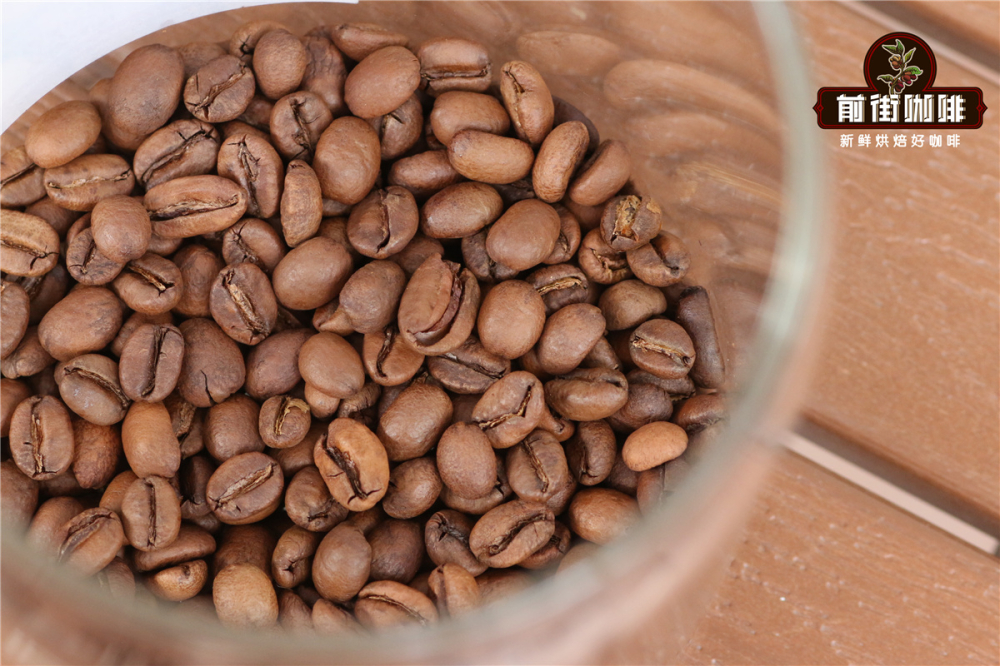
Front Street Jamaica Blue Mountain No. 1 Coffee Beans
Region: Jamaica Blue Mountains
Estate: Clifton Farm
Altitude: 1310 meters
Variety: Typica
Processing method: Washed
9 . Front Street Guatemala (soft fruit acidity, mild and full-bodied)
Guatemala is a land of volcanoes, with the largest number of volcanoes in the world; its high-altitude volcanic terrain is precisely the ideal condition for cultivating coffee. Add to that more than 300 microclimates, and it ranks among the world's specialty coffee-producing countries.
Guatemalan coffee beans come mainly from seven producing regions, each with its own distinctive flavors, but overall Guatemalan coffee beans present a mild, full-bodied texture, elegant aroma, and a pleasant acidity akin to fruit acidity, making them truly the nobility of coffee, highly esteemed by coffee connoisseurs worldwide.
Recommended coffee: Front Street Guatemala Antigua Flower of God Coffee Beans Region: Antigua region Altitude: 1200-1600m Variety: Bourbon, Caturra Processing method: Washed Grade: SHB Brewing flavor: Berry acidity, citrus, slight chocolate, richly layered, smooth mouthfeel.
10. Front Street Ethiopia Gesha Village Estate
Ethiopia is the birthplace of coffee, and the Geisha variety is no exception. As mentioned earlier, Geisha was discovered in 1931 and then gradually spread to the Americas and elsewhere, so Ethiopia is one of the most noteworthy Geisha-producing countries besides Panama. But unlike Panama and other American countries, Ethiopia has a great many varieties, mainly grown by smallholders, and it is almost impossible to tell whether a coffee is of the Geisha variety; most is exported under the name "heirloom."
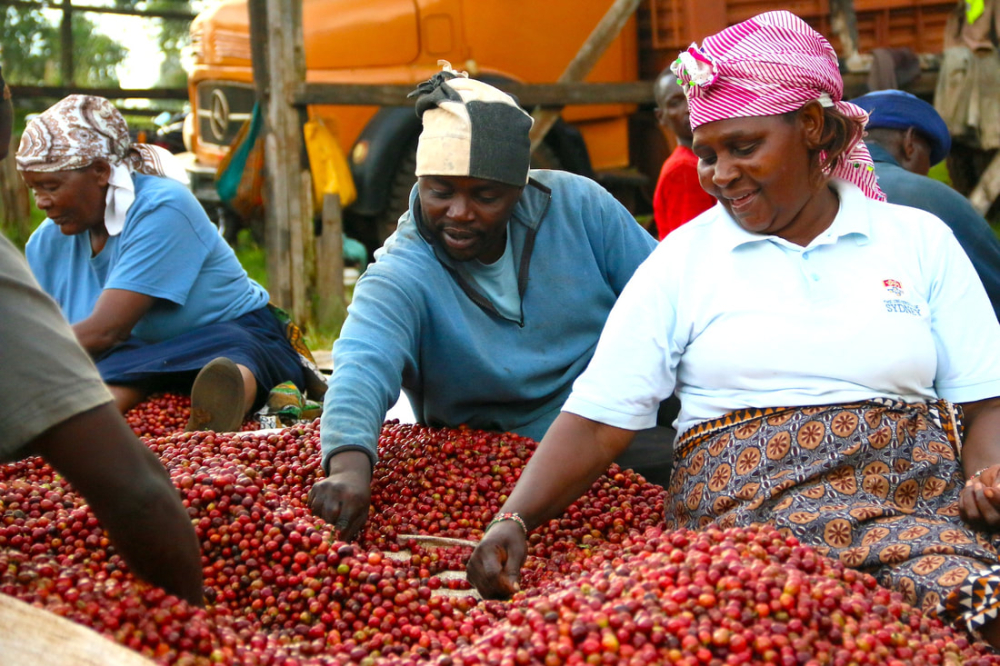
Gesha Village Estate owners Adam and Rachel, starting in 2008, spent three years searching and finally found, in an area at 1900-2100 meters altitude with tropical rainforest, a suitable climate, fertile forest soil, and a long history of forest, an environmental system suited to coffee growing. Under the guidance and help of Mr. Willem, the "godfather of Geisha," Gesha Village's coffees have repeatedly achieved excellent results in world competitions. The cleverness of Gesha Village lies precisely in grafting the knowledge of mature coffee-producing regions onto a developing country, giving more people the chance to come to know Ethiopia's high-standard coffee.
Recommended coffee: Front Street Ethiopia · Gesha Village Estate Gold Label Geisha
Region: Bench Maji region, Ethiopia
Estate: Gesha Village Estate, Oma block
Altitude: 1900-2040 meters
Variety: Geisha 1931
Processing method: Natural
Flavor: Citrus, berries, cream, caramel, melon, honey
The above content is compiled by CoffeeHunters, a coffee news website.


