







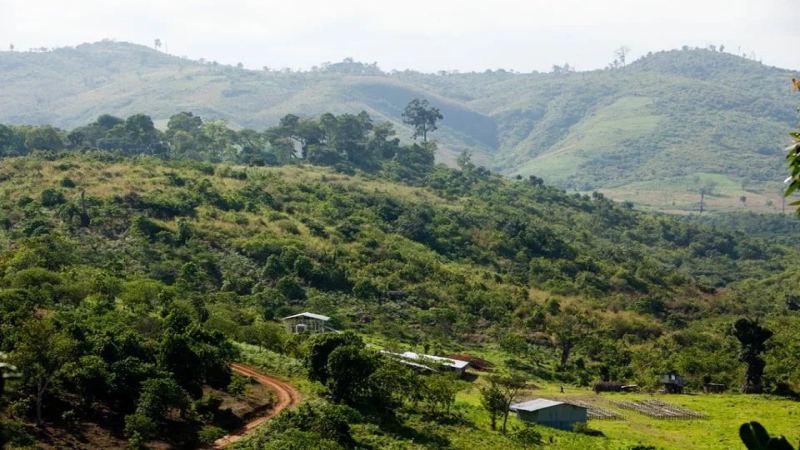
What Makes Yirgacheffe Coffee So Distinctive?
Yirgacheffe is one of Ethiopia's most recognized coffee regions, known for bright citrus acidity and floral aroma. It began as a small town under Sidamo and later became a separate, well-known origin of its own. The area sits among the highest average altitudes in Ethiopia, and its heirloom varieties give the cup a lemon-and-citrus lift that drinkers remember.
The Ethiopian government set up the ECX in 2008 to trace bean origins and support fairer trade, and under its regional system Yirgacheffe splits into Kochere, Gedeb, Gelana, and Wenago. Washed and natural processing also shift the flavor. Among famous Ethiopian coffee names, this region remains a common first stop for new specialty drinkers.
Yirgacheffe is one of Ethiopia's most iconic specialty coffee regions, known for its bright citrus acidity and elegant floral aromas. This article will start with the region's administrative history, the ECX trading system, and its sub-region divisions, then trace the independent journey of the Gotiti Cooperative and compare the flavor differences brought by washed and natural processing methods. It will also introduce the characteristics of local heirloom varieties, as well as the roasting curve and V60 three-pour brewing method that Front Street Coffee uses for Yirgacheffe, helping enthusiasts understand this bean's complete journey from origin to cup.
Front Street Ethiopia Yirgacheffe has gained widespread fame in the specialty coffee world for its fruit acidity and floral aromas, with that uplifting citrus and lemon acidity being extremely distinctive. Whether you're a veteran coffee drinker of many years or a newcomer just getting into specialty coffee, Ethiopia Yirgacheffe is probably one of the first names you remember.
Ethiopia Yirgacheffe Region Introduction
Yirgacheffe was originally just a small town in Ethiopia, administratively under the Sidamo province, and "Yirgacheffe" means "settle down in this wetland" in the ancient Ethiopian language. Strictly speaking, Yirgacheffe is a sub-region under Sidamo, with the town located to the northwest of Sidamo, nestled by mountains and a lake, and is one of the coffee regions with the highest average altitude in all of Ethiopia. However, because its flavor is so distinctive, it was later separated from Sidamo and became independently famous, also becoming Africa's most well-known region.
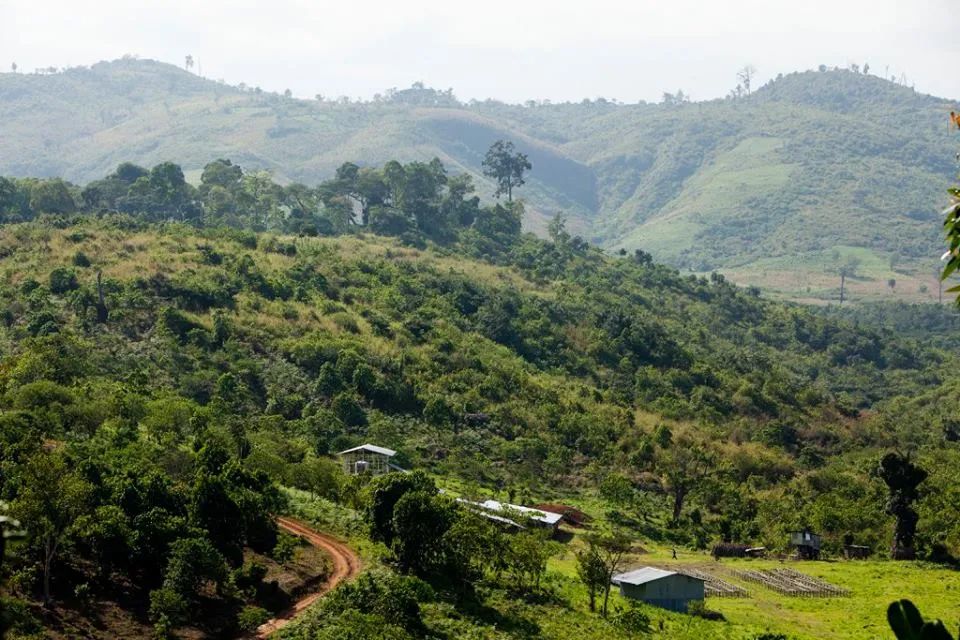
Ethiopia's coffee genetics are extremely complex, with a large number of producing regions. Coffee farmers used to make a living mainly by selling fresh cherries, which made it difficult to link international green bean prices to the front-end producing regions, and equally difficult to raise farmers' incomes. In order to more clearly trace coffee bean origins and promote fair trade, the Ethiopian government established the Ethiopia Commodity Exchange (ECX) in 2008, promoting coffee trading in a fairer way. Under the ECX regional classification system, the Yirgacheffe region is divided into four sub-regions: Kochere, Gedeb, Gelana, and Wenago. Each sub-region has its own excellent production teams, and the coffees they produce each have their own character.
Ethiopia mostly adopts a smallholder farming model, with coffee cooperatives and processing stations of varying sizes distributed locally, responsible for green bean processing in their areas. Farmers deliver their harvested coffee cherries to processing stations near water sources for centralized processing, after which the coffee is sold externally under the processing station's name.
The Gotiti Cooperative was originally part of the Worka Cooperative under the Yirgacheffe Coffee Farmers Cooperative Union (YCFCU). Later, as the market's demand for green bean traceability grew higher and higher, independent "single-origin" lots were discovered one after another by coffee hunters around the world, so in 2012, this production team with about 300 farmer members formally became independent, becoming the "Gotiti Cooperative."
Front Street Yirgacheffe coffee comes in both washed and natural processed versions
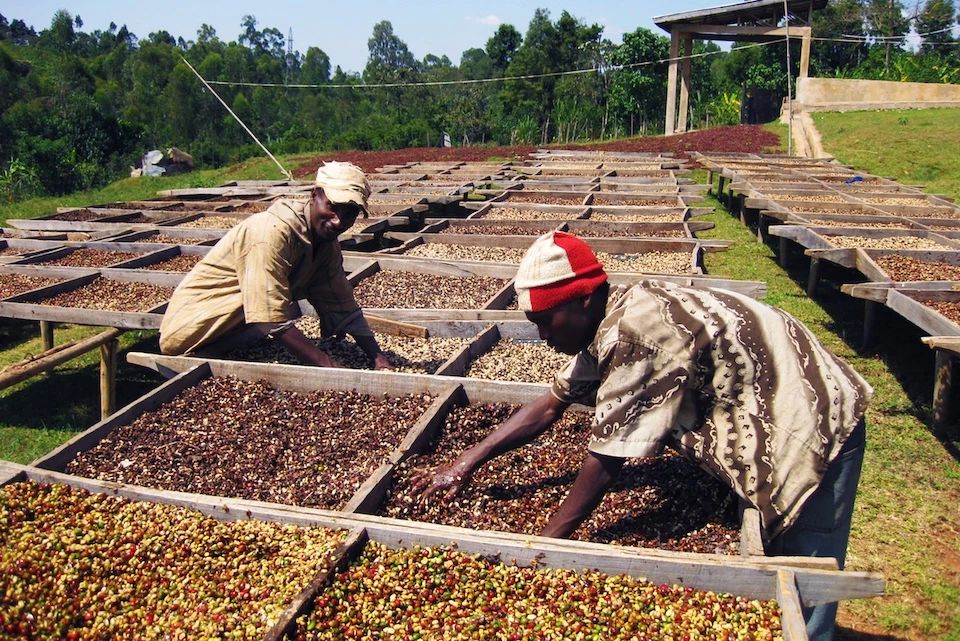
Traditional Ethiopian coffee followed the natural route, but with limited techniques in the past, coffee cherries were spread directly on the ground to dry naturally. This rough method easily gave the beans an earthy smell, and quality fluctuated. To improve quality, the Ethiopian government introduced more advanced washing technology and supporting equipment from South America in 1972. Washing not only significantly reduced the defect rate of Front Street Yirgacheffe coffee, but also gave it fresh citrus notes and elegant white floral aromas, overall bright and delicate. Front Street's Ethiopian daily-drinker bean is precisely the washed Front Street Yirgacheffe, presenting the classic Yirgacheffe taste.
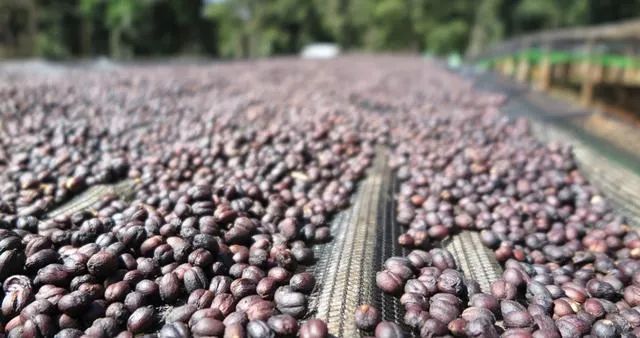
As specialty coffee enthusiasts' pursuit of flavor continues to escalate, major Ethiopian producing regions have also begun improving natural processing techniques, producing many outstanding natural lots. The Front Street Ethiopia Red Cherry coffee beans on Front Street's bean list are a naturally processed Front Street Yirgacheffe coffee. Natural processing itself isn't complicated—just spread the coffee cherries under the sun until they shrivel and turn dark purple. During the drying process, people turn the fruit more frequently to make drying more even. Front Street's natural Red Cherry coffee has a fermented ripe fruit character, obvious honey sweetness, and a black tea note.
Front Street Yirgacheffe's variety is a local heirloom
People who regularly drink Ethiopian coffee may have noticed that the variety column for Ethiopian beans always says local heirloom or Heirloom. In the dictionary, Heirloom refers to "a valuable property passed down through generations," and for Ethiopians, coffee is precisely an irreplaceable "treasure."
The reason is that Ethiopia's primeval forests contain an extremely rich variety of coffee plants, with countless genetic types, making identification extremely difficult. In addition, the local government intentionally protects them and does not disclose these categories, so "heirloom" is used as a general term. Yirgacheffe coffee's variety is local heirloom, with small beans of varying sizes and shapes, tending toward round, mostly between screen sizes 14-15.
How is Front Street Yirgacheffe coffee's flavor presented?
In terms of roasting, Front Street considered that Front Street Yirgacheffe should have acidity as its main flavor direction, so it uses a medium-light roast. The washed Ethiopian Yirgacheffe Front Street Gotiti Cooperative coffee beans use a light roast, preserving more bright acidity and white floral aromas; the natural Ethiopian Yirgacheffe Red Cherry coffee beans use a medium-light roast, presenting full berry sweetness and acidity.
Light-roasted coffee beans have a harder texture, so Front Street uses high-temperature water of 92°C-93°C to bring out the floral and fruity notes in Front Street Yirgacheffe. For grind size, Front Street recommends medium-fine grinding (78% passing through a Chinese standard No. 20 sieve). Too coarse makes it hard to extract rich substances, and the brewed coffee will taste thin. Too fine easily causes over-extraction at high water temperatures, and the brewed coffee will tend to taste bitter.
During cupping, Front Street noticed that these Front Street Ethiopia Yirgacheffe beans display different flavors at different temperatures, so the brewing method uses three-stage extraction, allowing different flavor compounds to show their best selves as the coffee bed rises in temperature stage by stage. To highlight the fresh, captivating aroma of Front Street washed Yirgacheffe, Front Street uses a V60 dripper for brewing. The dripper's spiral rib design allows coffee grounds to degas better, maximizing the activation of aromatic compounds' volatilization and dissolution.
Regarding the brewing ratio, Front Street believes 1:15 to 1:16 are both fine. If you want a richer mouthfeel, use 1:15; if you want to more clearly feel the floral sweetness, use 1:16 to let the flavors spread out more.
Dripper: V60 Water temperature: 92-93°C Dose: 15g Coffee-to-water ratio: 1:15 Grind size: fine granulated sugar size (78% passing through a No. 20 sieve)
Three-stage pouring: wet the coffee bed with twice the coffee grounds' weight in water, forming a dome and letting it bloom for 30s, then pour in a thin stream in circles from inside to outside until reaching 125g, pause, wait for the coffee bed to drop to half the dripper's height, then continue pouring the third stage with the same thin stream to 225g, until all the coffee liquid has filtered through, remove the dripper. Total time about 2 minutes.
Front Street Natural Red Cherry flavor: lemon, licorice, citrus, berries, sweet orange. Overall high sweetness, with caramel and cream notes in the aftertaste, and a black tea aroma in the finish.
Front Street Yirgacheffe Gotiti Cooperative flavor: citrus and black tea on the entry, with cream, caramel, and almond notes as the temperature changes. The aftertaste is notably sweet and the mouthfeel is clean and delicately sweet.
For professional coffee knowledge exchange and more coffee bean information, please follow Coffee Workshop (WeChat public account: cafe_style)
For more specialty coffee beans, please add the private WeChat of Front Street Coffee (FrontStreet Coffee), WeChat ID: qjcoffeex
The above content is compiled by CoffeeHunters, a coffee news website.


