







What Is SOE in Coffee and How Does It Change an Americano
SOE means single origin espresso: one origin's beans pulled as espresso rather than a blend. In an iced Americano the difference shows up in flavor and stability. A blend usually gives rounder body, steadier extraction, and thicker crema, while an SOE americano highlights the origin itself, often floral, fruity, or wine-like notes that stay clear over ice.
Shops sometimes use a blend for daily Americanos and reserve SOE for seasonal menus. Front Street, for example, pairs a classic blend with a three-origin espresso recipe from Costa Rica, Colombia, and Ethiopia. With SOE, grind and ratio need more adjustment because a single origin shifts more between lots than a fixed blend does.
As autumn arrives but the heat lingers, a glass of iced Americano remains the go-to choice for many coffee lovers seeking relief from the summer heat. Front Street Coffee frequently receives customer feedback saying that the Americano in our shop carries a subtle hint of wine-like aroma, which leaves a lasting impression. So, should iced Americano be made with single-origin beans or a blend? What are the differences between the two in terms of flavor expression and extraction stability? In this article, we'll start from Front Street Coffee's actual production process, break down the steps for making iced Americano and the espresso extraction parameters in detail, compare the pros and cons of blend espresso versus SOE in Americano applications, and offer adjustment suggestions for SOE Americano, helping you find the perfect cup for your taste.

Although the calendar has already turned to autumn, many places are still feeling the summer heat. Quite a few customers at Front Street Coffee, upon arriving at the shop, still habitually order a refreshing iced Americano to cool down and quench their thirst. Interestingly, many friends have mentioned that Front Street's Americano always carries a faint, elusive hint of wine-like aroma that leaves an especially deep impression. Today, Front Street will talk about which beans are typically used to make Americano, and how exactly a glass of iced Americano should be made.
If you prefer the satisfaction that comes from a rich, thick crema, then you might want to try Front Street Classic Blend Coffee Beans — an espresso bean that many beginners list as their top entry-level choice, and one that even a moka pot can handle. It delivers intense notes of butter, roasted hazelnut, caramel, and dark chocolate, with a thick and full-bodied mouthfeel; when brewed as black coffee it's sweet and refreshing, and when paired with milk as a latte it's smooth and delicate.
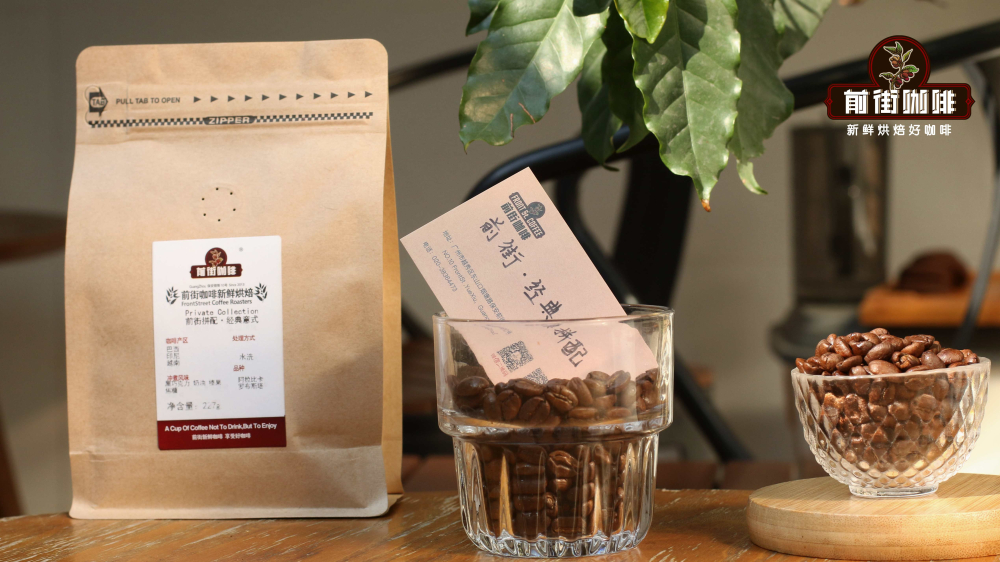
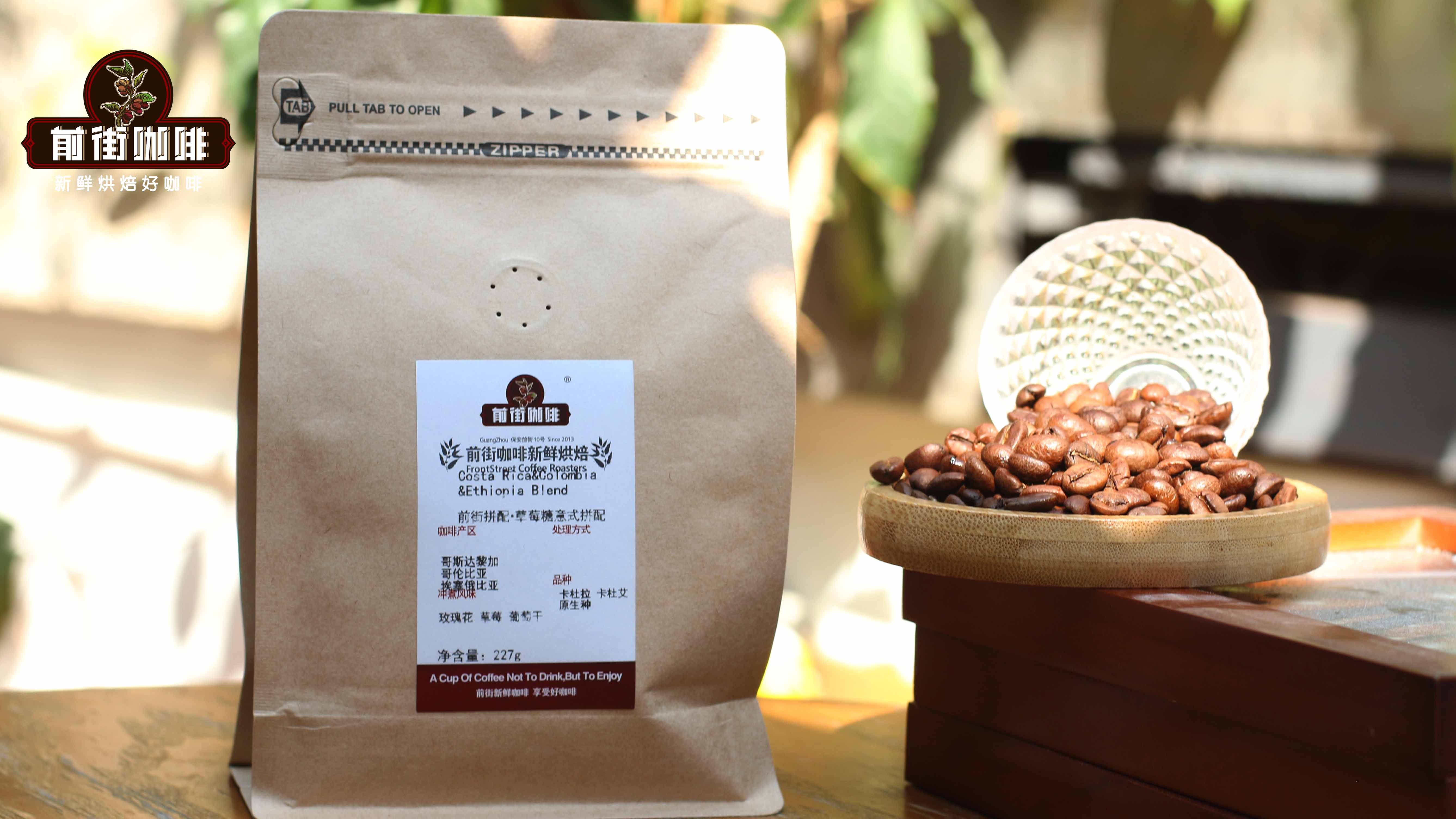
If you'd prefer your coffee with less bitterness, Front Street Strawberry Candy Espresso is a great choice. This espresso recipe is designed specifically for those who love floral and fruity notes, blending beans from three origins — Costa Rica, Colombia, and Ethiopia. You'll catch aromas of rose, citrus, grape, and dried blueberry. When made into an Americano, it presents a sweet clarity reminiscent of fruit gummies.
Front Street Espresso Extraction Parameters:
Coffee Beans: Front Street Strawberry Candy Espresso Blend
Pressure: 9 bar
Temperature: 94 degrees Celsius
Time: 25–32 seconds
Dose: 20g (double espresso)
Yield: 40ml
Flavor profile of the extracted espresso: smooth mouthfeel, medium body, with rose floral notes as the dominant aroma. On the palate you can clearly sense dried blueberry and grape, accompanied by berry-like sweetness and acidity, rich chocolate flavor, and a clear sweet aftertaste.
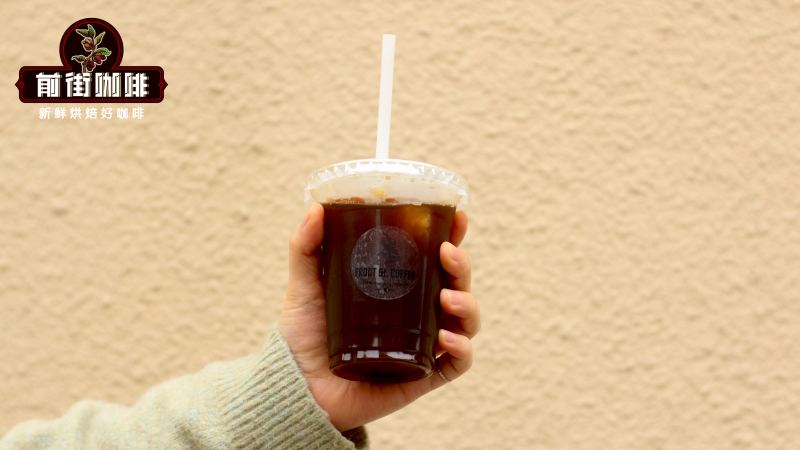
So-called iced Americano is essentially made by combining espresso with ice water at a 1:6 ratio. Front Street's process for making iced Americano is as follows:
1. Following the parameters listed above, extract one double espresso.
2. Prepare 240ml of ice water mixture.
3. Pour the double espresso into the ice water mixture, stir well, and it's ready to drink.
Why does Front Street Coffee use blend espresso rather than single-origin espresso when making iced Americano?
Blend beans are composed of different coffee beans, with varying varieties and origins, each with its own distinct character and subtle differences in acidity, bitterness, sweetness, aroma, and body. Single-origin beans typically emphasize the unique style of a particular region or variety, while a blend combines multiple single-origin beans, allowing each one's strengths to be fully expressed and complementing one another — creating a complementary or enhanced effect in flavor, and thereby crafting a new taste with richer layers. Taking Front Street Classic Blend Espresso Beans as the shop's espresso offering is precisely aimed at ensuring customers can enjoy a consistently flavored espresso every time.
If you were to switch to single-origin beans for espresso extraction (commonly known as SOE), because the high-pressure extraction of an espresso machine amplifies the beans' inherent flavors, the citrus acidity that shows in a pour-over might become sharp after espresso extraction; it's also more prone to over-extraction, bringing out off-flavors, bitterness, and other unpleasant tastes.
Moreover, each SOE extraction requires repeated parameter adjustments, which consumes coffee beans and makes it hard to guarantee consistent quality in every cup of SOE. That's why Front Street Coffee currently does not offer SOE drinks.
If some friends still want to try making Americano with SOE themselves, Front Street can offer a few suggestions.
1. The beans selected for SOE single-origin espresso, in order to highlight the origin's flavors, are usually not roasted too dark. Compared with traditional darker-roasted espresso beans, their flavor compounds are less easily extracted.
2. Therefore, on one hand, you need to adjust extraction parameters to increase the extraction yield — for example, extending extraction time, making the grind finer, increasing the dose, etc. On the other hand, when serving espresso-based drinks with SOE as the base, you need to readjust the ratio of espresso to milk or water, reducing the amount of milk or water to highlight the coffee's own taste and avoid the overall drink being too weak.
3. Finally, the beans used for SOE are also very strictly selected. Although SOE is strikingly expressive, because it's single-origin, its flaws are equally easy to magnify — so factors like roast level and grind size will directly affect the final flavor.
The above content is compiled by CoffeeHunters, a coffee news website.


