







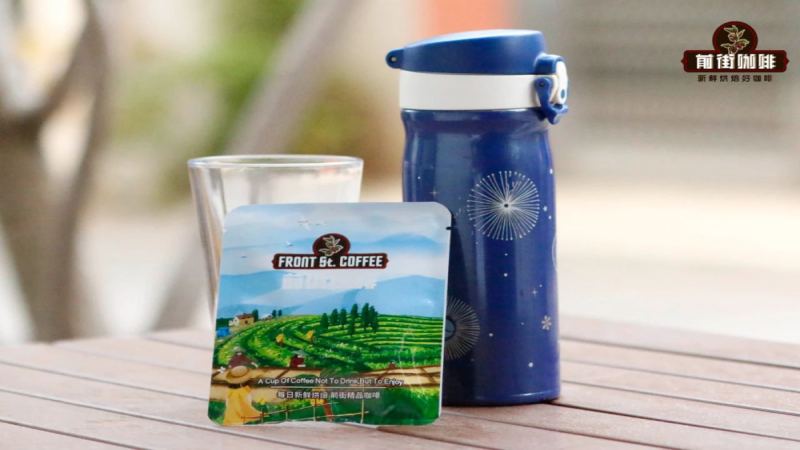
Can drip bag coffee brewing copy a pour-over?
Drip bag coffee holds pre-ground beans sealed in a filter bag, and the cardboard ears unfold onto the cup rim for extraction. It answers a common question: the bag can be treated much like a pour-over, controlling powder amount, water temperature, and the water-to-coffee ratio. Its flavor range is wide, with fruit-acid and nutty styles both available.
Because the coffee is pre-ground, the powder contacts air far more than whole beans and its aroma fades quickly, so drink the bags soon after receiving them. For the fullest cup, buy whole beans and grind just before coffee brewing. This guide lists Front Street drip bag options by taste preference.
Drip bag coffee has become a popular choice in offices, homes, and during travel thanks to its convenience, but many people wonder: can it be brewed like pour-over? Can simple steps recreate the flavor layers of pour-over coffee? This article focuses on the brewing method for drip bag coffee, breaking down the powder amount, water temperature, water-to-coffee ratio, and specific steps one by one, and recommends several drip bag products from Front Street Coffee's bean list for different taste preferences. It also reminds everyone that because drip bag coffee is pre-ground, its aroma dissipates quickly, so it is best to drink it as soon as possible. If you seek a fuller flavor, Front Street Coffee recommends buying whole beans and grinding them fresh right before brewing.
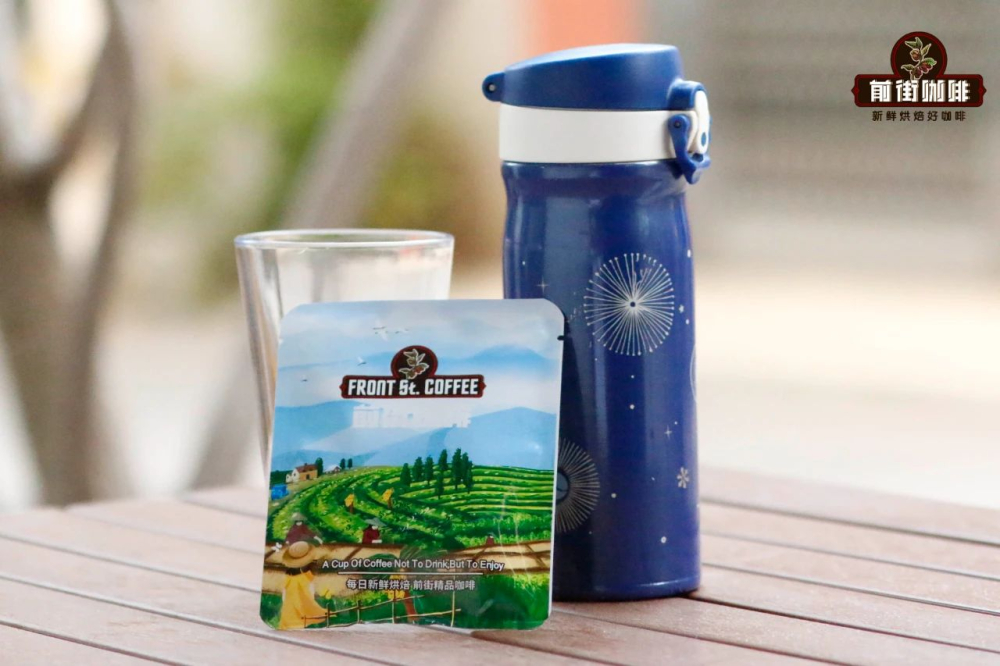
Drip Bag Coffee
Drip bag coffee is made by grinding coffee beans into powder and sealing them in filter bags. It gets its name from the fact that during brewing, the small cardboard ears on both sides of the filter bag need to be unfolded and hung on the rim of the cup for extraction. Thanks to its convenience in quickly producing a cup of black coffee, drip bag coffee has become a staple drink in offices, homes, and during travel.
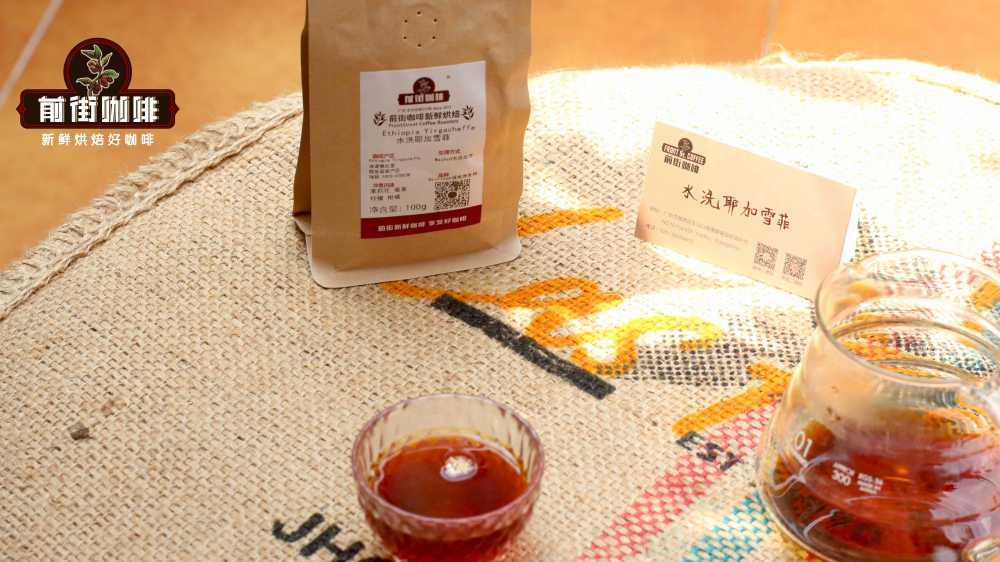
In terms of flavor choices, drip bag coffee is actually quite diverse. Take the professional coffee brand Front Street Coffee as an example: its bean list includes more than fifty single-origin beans from different regions that can be made into drip bags. If you prefer floral or fruity notes, you can prioritize classic fruit-acid products such as Front Street Coffee Huakui Drip Bag, Front Street Coffee Yirgacheffe Drip Bag, and Front Street Coffee Geisha Drip Bag;
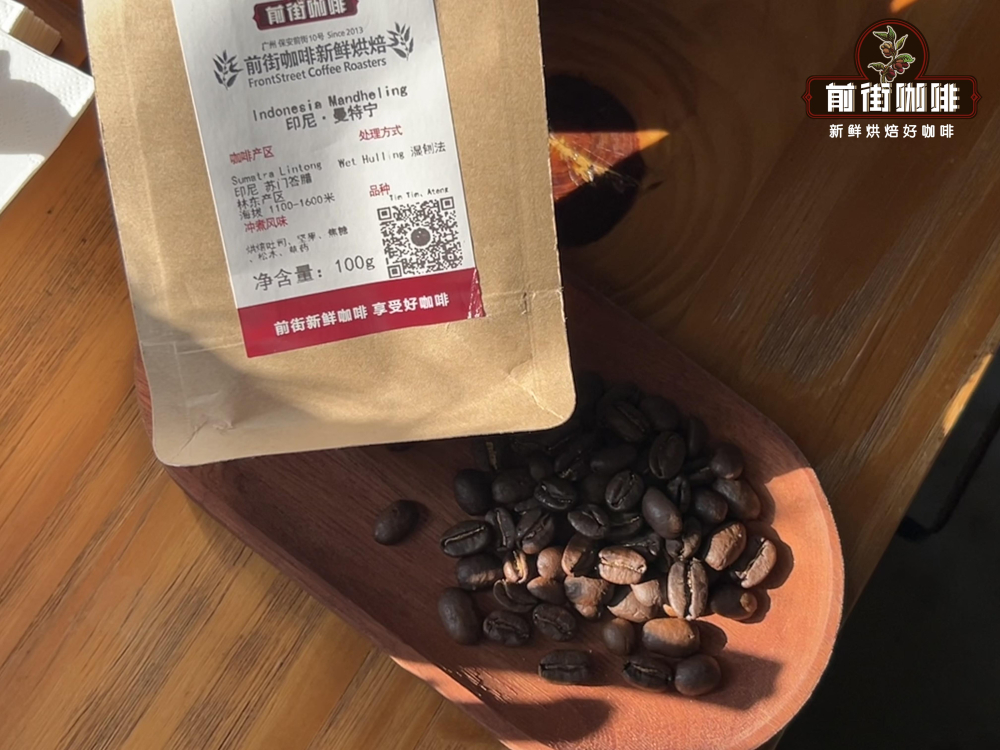
If you lean more toward a rich and sweet aftertaste, then Front Street Coffee Mandheling Seasonal Drip Bag, Front Street Coffee Colombia Huila Drip Bag, and Front Street Coffee Jamaica Blue Mountain No.1 Drip Bag, among other specialty beans featuring nutty flavors, are recommended. It should also be noted that because drip bag coffee is pre-ground, the contact area between the coffee powder and air is far larger than that of whole beans, so the aroma dissipates faster. Front Street Coffee recommends drinking it as soon as possible after receiving it, as prolonged storage can easily cause the coffee aroma to be lost. If you want to experience the fullest flavor, Front Street Coffee recommends buying whole beans and grinding them fresh right before brewing for better flavor layers.
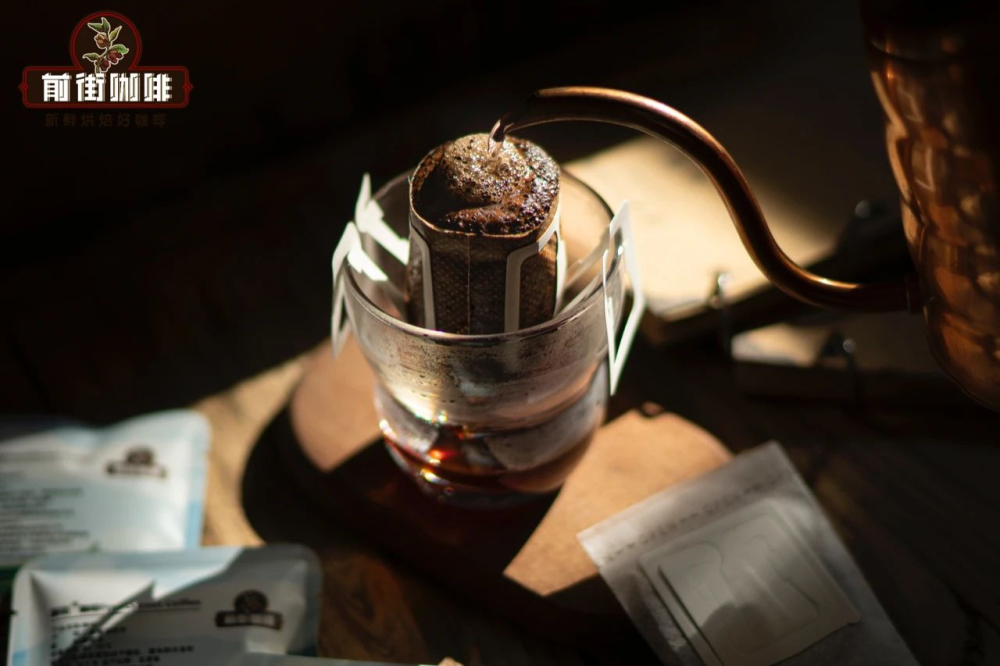
The core advantage of drip bag coffee lies in its convenience. Although it can also be brewed like pour-over using cumbersome brewing and grinding tools, doing so actually obscures its inherent convenience. Moreover, friends who buy drip bags often also enjoy the taste of pour-over, but lack tools such as a grinder, digital scale, gooseneck kettle, and dripper in the office, at home, or while traveling; at such times, drip bag coffee can satisfy that craving.
So, without the aid of these tools, can drip bag coffee still produce results close to pour-over?
Brewing Method Sharing
1. The powder amount of drip bag coffee usually has a fixed label (generally 10 grams), which saves the trouble of a grinder and digital scale.
2. Next, address the water amount and water temperature. As with pour-over, use a coffee-to-water ratio of 1:15 to 1:16, so the final coffee liquid should reach 140 to 150 milliliters. Control the water temperature at around 90°C; it is best to have a thermometer or temperature-controlled kettle. If not, you can roughly judge: after the water boils, turn off the heat and open the kettle lid, let it sit for 2 to 3 minutes, and the water temperature will drop to about 90°C (at a room temperature of 28°C).
3. Once ready, first preheat the mug with hot water, then take out the drip bag and tear open the sealed opening, unfold the "ears" on both sides of the filter bag and hang them on the rim of the cup, and gently shake the coffee powder layer flat.
4. For the first pour, simply wet the coffee powder layer completely, then let it bloom for 30 seconds.
5. After the bloom, make the second pour, using a small stream in a circular motion to fill it directly, and after the powder layer drops slightly, continue pouring until full. Repeat this until the coffee liquid in the cup reaches about 140 to 150 milliliters, then remove the drip bag and enjoy.
6. If you want to control the water amount more precisely, you can also pour 150 to 160 milliliters of water into the pouring kettle, pour all the water from the kettle during brewing, and remove the drip bag after all the coffee liquid has flowed into the cup. The entire brewing process can be completed in about 1 minute.
Because drip bag coffee uses pre-ground coffee powder, the flavor is released faster than with whole coffee beans. Therefore, if you want to taste the coffee's flavor, you should consume it as soon as possible.
The above content is compiled by CoffeeHunters, a coffee news website.


