







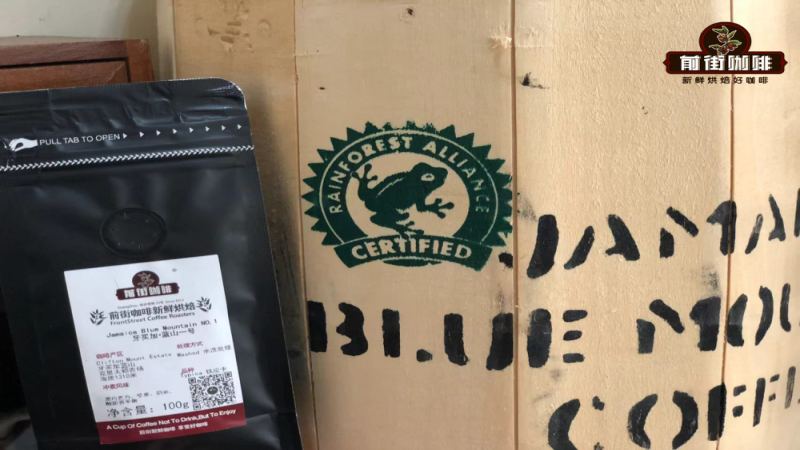
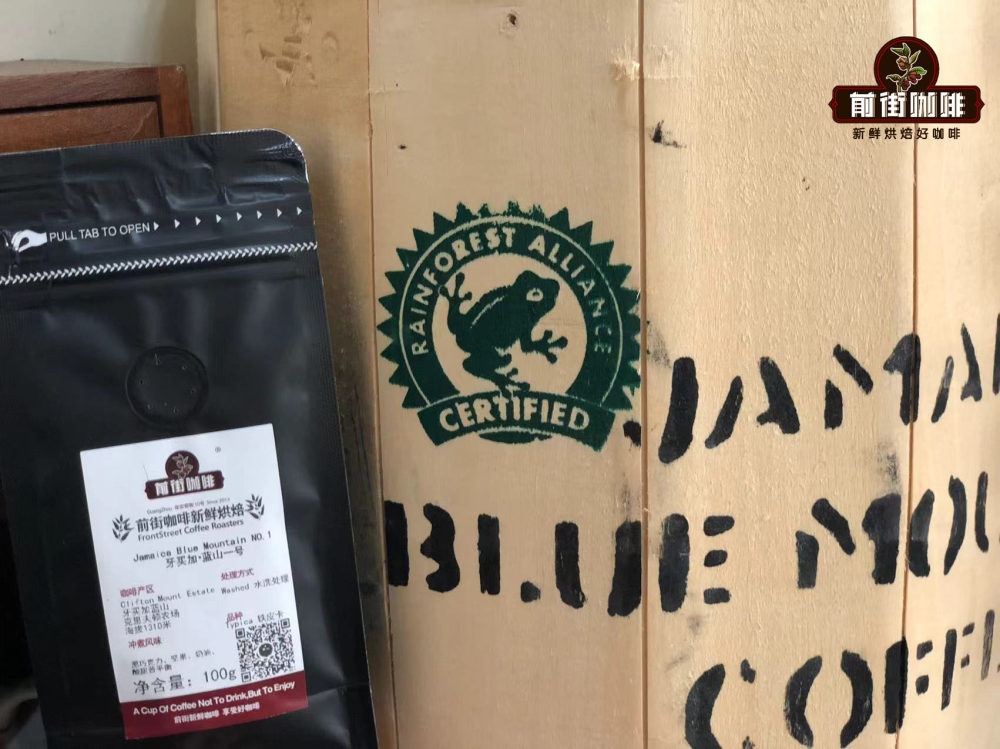
Typica Coffee: Flavor, Traits and Blue Mountain
Typica is the oldest ancestral variety of Arabica coffee, originating in Ethiopia, and many coffees called classic today carry its lineage. It has a clean, pure aroma and an elegant flavor with citrus-like acidity and a sweet finish. Identifying it is straightforward: the young leaves at the top are reddish bronze, which is why it is also known as Red Top coffee.
Typica green beans are large and elongated with pointed, slightly upturned ends, giving an egg-like outline. The trees reach about 5 meters, with conical shape and lateral branches angled 50 to 70 degrees from the trunk, so planting needs wide spacing. Disease resistance is weak against leaf rust and fruit rot, and yields are low, yet Blue Mountain coffee remains its most renowned representative.
Typica is the oldest ancestral variety of Arabica coffee, and many of the classic coffees people drink today carry its lineage. It has a pure aroma and elegant flavor, yet because of its poor disease resistance and scarce yield, it is considered especially precious. Jamaica Blue Mountain is the most renowned representative of Typica, achieving an irreplicable quality through its unique terroir and strict quality control. This article will outline Typica's plant characteristics, taste profile, and cultivation challenges, and take a deep dive into why Blue Mountain Typica stands out. Finally, we'll include Front Street Blue Mountain No. 1's pour-over brewing suggestions, giving you a comprehensive understanding of this ancient and exceptional coffee variety.
Typica originated in Ethiopia and is one of the oldest native coffee varieties. The various Arabica coffees we are familiar with today can basically all be traced back to the Typica lineage. Its aroma is clean and pure, and it has long been regarded in the industry as a symbol of high quality—for example, Front Street Mandheling coffee, Front Street Blue Mountain coffee, Kona coffee, and Front Street Yunnan small-batch coffee are all widely recognized for that elegant Typica flavor.
Characteristics of Typica coffee beans
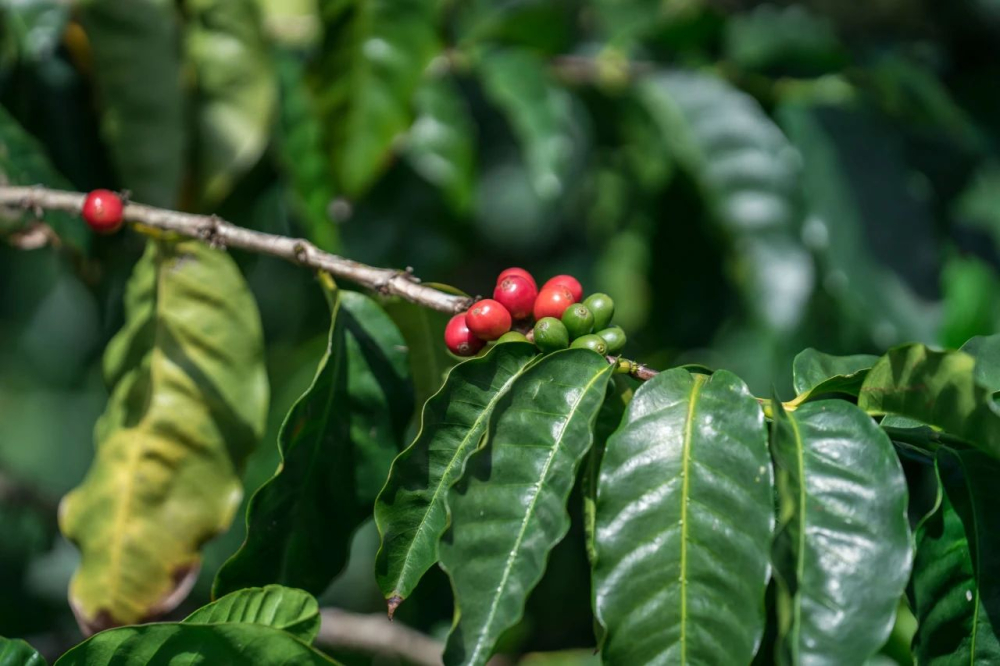
The most intuitive way to identify Typica is by its young leaves—the leaves at the top take on a reddish bronze color, which is why it is also called "Red Top coffee." In terms of bean shape, Typica green beans are relatively large and elongated, with pointed and slightly upturned ends, giving them an egg-like outline. In flavor, Typica often carries a citrus-like acidity with a sweet finish, and many people describe it as an elegant and clear coffee. Old-growth Typica trees are tall, reaching about 5 meters (roughly 16.5 feet), which makes manual harvesting quite troublesome. The tree has a conical shape with slightly sloping branches, and the angle between the lateral branches and the vertical main stem is 50 to 70 degrees. Its trunk is relatively thin, and the branches are also slender. Because of this tall tree and long branch characteristic, ample spacing must be left when planting Typica.
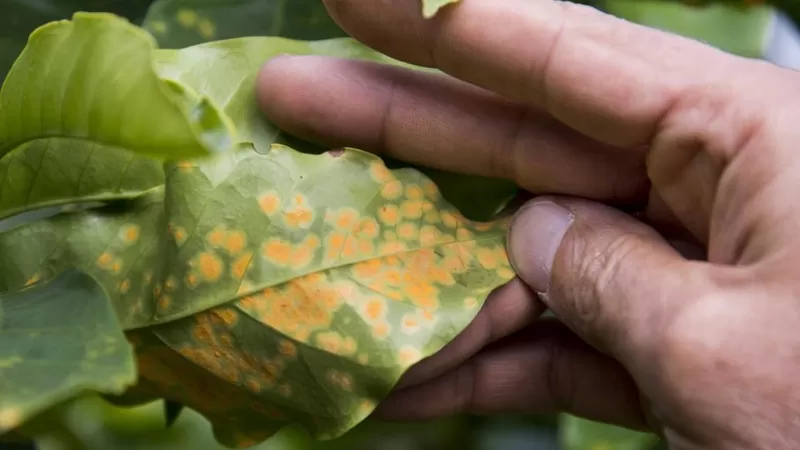
However, Typica's disease resistance is quite weak. It has almost no defense against common diseases such as leaf rust and fruit rot, and its yield is pitifully low. Leaf rust is one of the most destructive plant diseases, first appearing in 1861 in the coffee-growing region around Lake Victoria in East Africa. In 1970, leaf rust broke out in the Bahia region of Brazil, and since then cases have appeared in coffee-growing regions around the world. Once a coffee tree is infected with leaf rust, it is essentially given a death sentence, eventually withering and dying. Coffee is, after all, a cash crop, and Typica—being both low-yielding and sickly—is very difficult to profit from, so many growers simply gave up and switched to varieties with stronger disease resistance.
Despite these shortcomings, Typica, with its rich aroma, is still grown around the world today as a high-quality coffee, and the most famous of all is Jamaica Blue Mountain coffee. Growing an elegant and pure-flavored Typica is not easy. From innate terroir, plant management, fruit picking, to post-processing, every step must be fully ensured for the coffee beans to present positive flavors and mouthfeel. This also shows that producing high-quality Typica requires more labor and more refined techniques, which is why Front Street Blue Mountain coffee and Front Street Kona coffee command high prices.
Why is Blue Mountain's Typica variety more famous?
For many years, Jamaica has insisted on growing only Arabica varieties, which has kept local Typica free from crossbreeding and mutation, preserving its pure lineage. Unlike many coffee-growing regions, Jamaica is a relatively closed island nation with uniquely favorable microclimatic conditions. After more than two hundred years of domestication and adaptation, Blue Mountain Typica has evolved better disease resistance, especially against coffee berry disease, surpassing ordinary Typica, with more stable yield and quality.
The Jamaica Blue Mountains are the highest terrain in the Caribbean region, with a tropical rainforest climate and annual rainy season precipitation reaching 1800 to 2000 millimeters. The steeply sloping hillsides provide good drainage, allowing vegetation to be fully irrigated, and locals also intercrop coffee trees with banana and avocado trees. The Blue Mountain area has beautiful scenery and fresh air, and the fertile volcanic soil allows the coffee to produce full-flavored fruit. The high-altitude Blue Mountains are often shrouded in mist and clouds, providing natural shade for the coffee trees and enabling Typica coffee to develop a more stable flavor profile.
According to the zones designated by the Jamaica Coffee Industry Board (CIB), the forested areas where Blue Mountain coffee is grown are at an elevation of roughly 910 to 1700 meters. The high-altitude Blue Mountains create a unique terroir and climate, but the rugged terrain also makes management and harvesting quite difficult. Every harvest season, locals send skilled women who know the terrain well up the mountain to hand-pick coffee cherries at just the right ripeness. In recent years, Blue Mountain coffee output has accounted for less than 15%, showing just how scarce it is.
In terms of green bean quality control, the CIB has established regulations for the cultivation, production, and sales of Jamaica Blue Mountain coffee, in order to improve coffee quality, standardize production and processing procedures, and coordinate the marketing of Blue Mountain coffee. The CIB was the earliest institution to adopt a scientific and objective approach to grading coffee quality, taking into account green bean size, color, uniformity, defect rate, moisture content, and cup performance.
Before export, Blue Mountain green beans are packaged and sent for testing, graded by size specifications and defect rate after processing, and classified into Blue Mountain No. 1, Blue Mountain No. 2, Blue Mountain No. 3, and Blue Mountain Peaberry. Top-grade Front Street Blue Mountain No. 1 green beans must meet specifications of 17 screen size or above, a defect rate below 3%, and a moisture content of around 13%. In the cup, they must have a rich coffee aroma, a smooth and balanced mouthfeel, low and mild acidity, and a lasting sweet aftertaste—suitable for enthusiasts who pursue coffee's original flavors.
Brewing suggestions for Front Street Blue Mountain No. 1 coffee
To highlight the rich and rounded mouthfeel of Front Street Blue Mountain No. 1 coffee, Front Street chooses the KONO coffee dripper for extraction. KONO's ribs are less than half the height of the dripper; the purpose of this design is to let the dripper cling tightly to the wall after wetting, thereby restricting airflow, extending the water absorption time of the coffee grounds, and ultimately extracting a more uniform cup—suitable for brewing rich-flavored Blue Mountain coffee.
Brewing parameters: 15 grams of coffee, coffee-to-water ratio 1:15, grind size: EK43s setting 10.5 (75% passing rate on China No. 20 standard sieve), water temperature: 87–88°C, brewing method: segmented extraction.
Place the filter paper into the KONO dripper, pour in water to wet the filter paper while also making it adhere more closely to the dripper wall. Add the coffee grounds and tap gently to distribute the coffee bed evenly. For the first pour, gently add 30 grams of water for blooming, with a bloom time of 30 seconds; for the second pour, add water up to about 125 grams, circling outward evenly and steadily. Then wait for the coffee liquid to drop; when it has dropped halfway, pour the final segment of water up to 225 grams. Once all the coffee has dripped through, the total extraction time is usually about 2 minutes.
The pour-over Blue Mountain No. 1 coffee presents notes of dark chocolate and nuts, with a very rich mouthfeel and a distinct almond sweetness in the finish. As the temperature drops, roasted hazelnut and creamy, silky sweetness emerge, accompanied by a hint of gentle acidity and caramel sweetness, with the aroma lingering in the mouth for a long time.
For professional coffee knowledge exchange and more coffee bean information, please follow Coffee Workshop (WeChat public account: cafe_style)
For more specialty coffee beans, please add the private WeChat of Front Street Coffee (FrontStreet Coffee), WeChat ID: qjcoffeex
The above content is compiled by CoffeeHunters, a coffee news website.


