







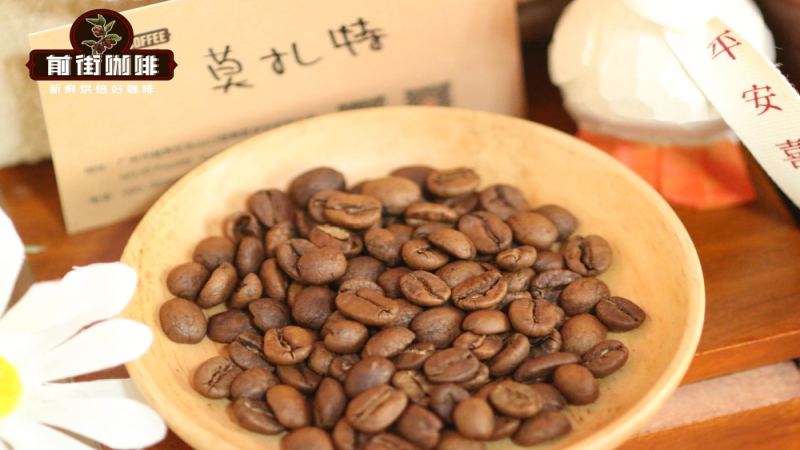
Why does coffee naming follow classical musicians here?
Costa Rica's Canet Estate in Tarrazu names its Musician Series after composers such as Mozart, Bach, Chopin and Beethoven, because the estate owner is passionate about classical music. The beans come from San Marcos town, grown between 1,700 and 1,950 meters using Caturra and Catuai varieties, and are graded SHB high-altitude strictly hard beans.
The estate applies a raisin honey process alongside washed methods, which shapes the sweet fruit, wine and tea notes in the cup. Coffee naming usually follows region, estate or variety, but here the theme is music. That combination of high altitude, volcanic ash soil and a distinct coffee bean process gives the series its bright acidity and clean mouthfeel.
When the elegance of classical music meets the richness of high-altitude Costa Rican coffee, what kind of taste experience will it create? Carnet Estate, naming itself after musicians, infuses the essence of legends like Mozart and Bach into its coffee beans. This article takes you into Carnet Estate in the Tarrazu region, exploring the naming story of the Musician Series, the unique raisin honey process, and an in-depth analysis of the flavor profiles, roasting approaches, and brewing suggestions for Front Street Costa Rica Mozart and Front Street Costa Rica Bach. Whether you favor the sweetness of fermented fruit aromas or the interweaving of floral and wine notes, you'll find your own cup of music here.
Savoring coffee while listening to music—what a delightful time! Originally intending to immerse in classic melodies, I unexpectedly discovered that the coffee in my cup is also named after musical giants, doubling the pleasure.
The origin of the names of Costa Rica Musician Series coffee beans:
As Front Street has previously introduced, coffee naming methods are diverse—some based on region, some on estate, and others on variety. So what's the story behind naming coffee after musicians? The Musician Series got its name because the owner of Carnet Estate is passionate about classical music, so all coffee beans produced by the estate are named after musicians. Carnet Estate is located in the highest-altitude coffee-growing area of Tarrazu, Costa Rica. The estate uses Caturra and Catuai varieties, employing raisin honey process and washed method to create the world-renowned Musician Series coffee beans, including "Front Street Beethoven," "Front Street Bach," "Front Street Chopin," and "Front Street Mozart." Grown at altitudes between 1700 and 1950 meters, they are all SHB-grade high-altitude strictly hard beans, with sweet flavors and rich fruit, wine, and tea aromas.
Where does the Musician Series coffee come from? The answer is San Marcos town in the Tarrazu region of Costa Rica. The Tarrazu region is located in a volcanic area at about 2000 meters altitude, with fertile volcanic ash soil and a cool high-altitude climate, nurturing coffee beans with rich flavor layers, bright and high-quality acidity, and a clean, clear mouthfeel. Tarrazu has a clear distinction between rainy and dry seasons. The rainy season lasts from May to November, a full 7 months, coinciding with the coffee tree's growing period; the dry season runs from December to April of the following year, lasting 5 months. The local coffee cherry harvest period runs from November to March of the following year, also 5 months long, completely overlapping with the dry season. This distinct dry-wet climate provides ideal growing conditions and ensures uniform coffee fruit maturity.
Musician Series Coffee Estate—Carnet Estate
Carnet Estate is small in scale, covering only 5 hectares, located in San Marcos town in the Tarrazu region. Tarrazu is the core production area of Costa Rican coffee and one of the world's important coffee regions, with fertile soil, good drainage, the highest average latitude, and excellent climate and soil conditions, establishing Tarrazu's prominent position in Costa Rican coffee. Carnet Estate is located in the highest-altitude coffee-growing area of Tarrazu, Costa Rica, co-owned by the three Robles brothers—Leo, Elian, and Melvin—who have cultivated and produced together for over ten years and share a small processing plant (Beneficio). The estate owner's main business is passion fruit cultivation, with quite limited coffee planting area, growing coffee only in a specific area with特别 meticulous care, picking only fully ripe coffee cherries. Because of this careful selection, the estate's coffee beans have high sweetness and lasting sweetness.
FrontStreet Coffee Musician Series includes: Front Street Costa Rica Mozart Coffee and Front Street Costa Rica Bach Coffee, both using raisin honey process.
Musician Series Coffee Bean Processing Method—Raisin Honey Process
The formation of coffee flavor, besides being influenced by regional climate, is also most directly determined by the processing method. Carnet Estate's coffee beans primarily use honey process. Raisin honey process is essentially a double fermentation honey process, requiring the coffee fruit to be fully ripe before processing. This method retains 100% mucilage, uses zero water treatment, greatly increasing the difficulty of honey processing and demanding extremely strict timing control. On the harvest day, coffee fruits are poured into a large water tank; ripe, plump fruits sink to the bottom, while underdeveloped or overripe fruits float to the surface—these floating beans need to be removed. The selected coffee fruits are dried on raised beds for at least three days, then the cherry skin is removed, retaining the mucilage for further drying.
The step of drying first and then removing the fruit skin gives the coffee a relatively rich fermented flavor. Compared to other honey processing methods, raisin honey process retains 100% mucilage for drying, significantly enhancing the coffee's sweetness.
Musician Series—Bach
This Front Street Costa Rica Bach coffee bean uses the two most common varieties in Central and South America: Caturra and Catuai. The green beans smell of fermented fruit aromas; observing the green beans, they are dark green, at about 1950 meters altitude, with relatively hard bean quality, and from the 2019 crop year, with relatively high moisture content. For roasting, a gradual reduction of heat and extended dehydration time is used to advance the curve. Considering this "Front Street Costa Rica Musician Bach" uses raisin honey process, the roast level is set to medium roast, aiming to highlight the bean's fermented and fruity aromas while retaining the balanced, full-bodied mouthfeel of honey-processed beans.
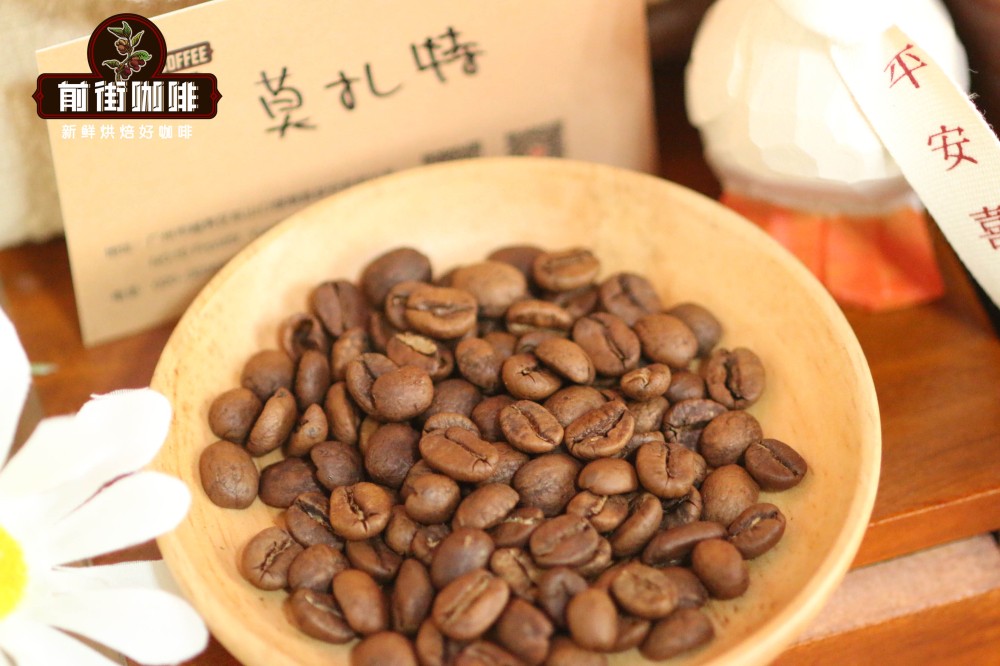
Musician Series—Mozart
The epitome of classical music, child prodigy Mozart—fully splendid! Splendid aroma: elegant floral notes, similar to orange blossom white flower aroma, perceptible during brewing. Splendid mouthfeel: more dark berries, raisins, and a trace of red berries; in the mid-to-late section, some plum acidity and gummy bear-like sweetness can be experienced. After cooling, floral and sweet notes remain. Unlike before, the previous Front Street Costa Rica Mozart coffee bean used Yellow Catuai variety with red honey process, known for its bold floral aroma; this time, it switched to Caturra's sweetness to represent Mozart.
FrontStreet Coffee Brewing Suggestions
Regarding coffee brewing, Front Street recommends using freshly roasted coffee beans to maximize the rich flavors of the coffee. FrontStreet Coffee ships coffee beans within 5 days of roasting because Front Street深知 the significant impact of coffee bean freshness on flavor. Front Street's roasting philosophy is "Freshly Roasted Good Coffee," ensuring every customer receives the freshest state when they get their coffee. Coffee's resting period is about 4 to 7 days, so when customers receive it, it's at its optimal flavor.
Of course, some customers need Front Street to grind the coffee, which is also fine, but Front Street needs to remind that after coffee beans are pre-ground, they should be brewed promptly. If already ground into coffee powder, there's no need for further resting, because the pressure from carbon dioxide in the packaging during transport can also round out the coffee flavor, so upon receiving coffee grounds, you can immediately brew a cup to taste.
However, coffee grounds oxidize faster upon contact with air, meaning the coffee flavor dissipates more quickly, resulting in a less ideal taste. Therefore, Front Street recommends buying whole beans and grinding fresh for each brew to better enjoy the coffee's flavor.
When brewing Front Street Musician Series coffee, FrontStreet Coffee uses a Hario V60 dripper. The V60 conical dripper has a larger opening, plus unique spiral curve ribs, making it easier for air to escape, thus improving extraction quality. The mouthfeel may not be thick enough, but its high concentration brings a signature acidity and distinct aroma.
Dripper: Hario V60, Water temperature: 90°C, Coffee dose: 15g, Coffee-to-water ratio: 1:15, Grind size: medium-fine (80% passing through China standard No. 20 sieve)
Using staged extraction, first bloom with water at 2 times the coffee dose, i.e., 30g water for 30 seconds. The purpose of blooming is to let coffee grounds release internal carbon dioxide, making subsequent extraction more stable. Pour in a small stream in a circular motion until 125g, then pause; continue pouring until 225g and stop. After the dripper finishes dripping, remove it. Timing starts from the beginning of pouring; extraction time is 2 minutes 00 seconds. Then swirl the entire cup of coffee to mix, and pour into a cup to taste.
Front Street Costa Rica Bach brewing flavor: Smells like rice wine fermentation aroma; tastes with ripe tropical fruit and berry sweet-tartness, nutty and creamy flavors, with a caramel aftertaste and a faint floral finish.
Front Street Costa Rica Mozart brewing flavor: Smells with rich black grape aroma; on the palate, raisins and sweet orange, with fermented wine and osmanthus notes becoming more pronounced as temperature changes.
These two Front Street Musician Series coffees each have their own distinctive flavors, and both taste great! As for which is better, Front Street believes it entirely depends on personal taste, as everyone's palate is different. Of course, Front Street suggests trying both, as tasting different flavors brings different experiences.
Professional coffee knowledge exchange, more coffee bean information, please follow Coffee Workshop (WeChat public account: cafe_style)
For more specialty coffee beans, please add private WeChat FrontStreet Coffee, WeChat ID: qjcoffeex
The above content is compiled by CoffeeHunters, a coffee news website.


