







What Are SOE Beans and How Do They Differ From Pour-Over?
SOE beans are single-origin coffees pulled as espresso, not blends. Because a shot runs under high pressure for a very short time, the grind must be finer and the water hotter than for filter coffee. SOE is usually roasted lighter than traditional espresso blends, which keeps origin flavors intact but makes even extraction harder to reach.
Pour-over works differently: hot water passes through the bed at room temperature and normal pressure, so more water and a coarser grind are needed to dissolve the soluble aromatics. To improve extraction yield with SOE, adjust the grind, temperature and ratio. Front Street lists Sun-Dried Huakui, Colombia Sidra, Costa Rica Mozart and Brazil Queen's Estate Yellow Bourbon.
SOE (Single Origin Espresso) has become a popular choice for coffee shops and home brewing in recent years. It is known for its bright acidity and origin-specific flavors, but its extraction method is completely different from pour-over drip brewing. This article first compares the extraction principles of SOE and pour-over, then analyzes the characteristics of SOE, which usually has a lighter roast profile and is harder to extract flavor from, as well as how to adjust parameters to improve extraction yield. It then introduces four Front Street Coffee beans suitable for making SOE: Sun-Dried Huakui, Colombia Sidra, Costa Rica Mozart, and Brazil Queen's Estate Yellow Bourbon, along with notes on making SOE, helping coffee enthusiasts brew a full-flavored single-origin espresso at home.
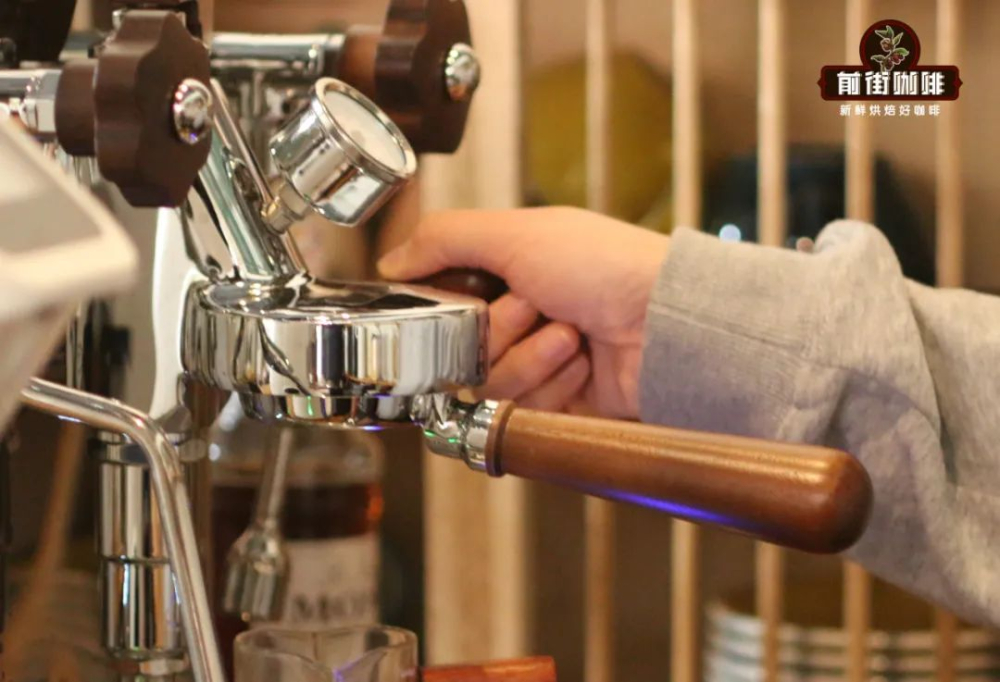
Unlike traditional espresso blends, SOE (Single Origin Espresso) refers to espresso made from coffee beans from a single origin. With this novel concept and its preference for brighter acidity, it has become a flagship product in many coffee shops in recent years, and some enthusiasts also buy beans to make SOE at home. Below, Front Street Coffee will explain which coffee beans can be used to make SOE.
Differences Between SOE Coffee and Pour-Over Coffee
SOE and pour-over are completely different in extraction method: SOE uses the high temperature and high pressure of an espresso machine to extract espresso, belonging to pressure extraction; pour-over, on the other hand, lets hot water permeate the coffee grounds and dissolve flavor substances, belonging to drip extraction.
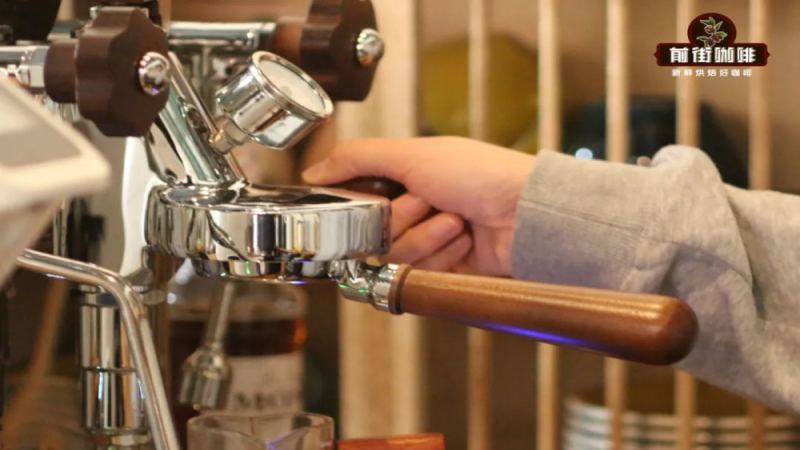
When making a shot of espresso, hot water passes through the compacted puck under pressure. Because the extraction time is extremely short, a finer grind and higher water temperature are needed to allow compounds to be released quickly.
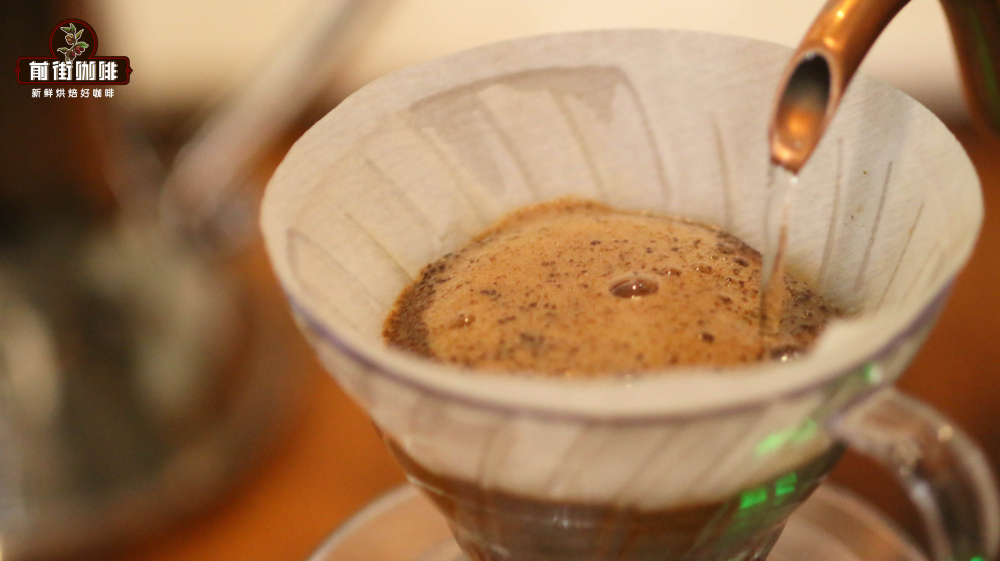
When making pour-over filter coffee, however, the environment is at room temperature and normal pressure, requiring more water so the coffee grounds can fully absorb water and release soluble aromatic substances within a certain period of time.
Extraction Characteristics of SOE
When using blend beans to make espresso, beans from different origins are mixed, and as the roast degree deepens, the flavor tends to become balanced and rounded, and extraction stability is also improved. Returning to SOE, which emphasizes origin flavor, the roast degree is generally not too dark, so when extracting SOE with lighter-roasted beans, the flavor is harder to extract, and parameters need to be adjusted to increase the extraction yield, such as extending extraction time, raising water temperature, making the grind finer, and increasing the dose.
The roasting of all single-origin coffees must consider presenting the unique regional flavor of the origin and the aroma of the beans themselves, just as Yirgacheffe should have fresh and bright citrus and lemon acidity, and Blue Mountain coffee should have sweet dark chocolate and caramel aroma. Likewise, SOE should also express the flavor characteristics that the origin should have; otherwise, using single-origin beans to make espresso loses its meaning. If roasted too dark, the flavors and aromas are easily covered by heavy substances; if roasted too light, it is prone to under-extraction, resulting in sharp acidity and a thin taste.
Espresso magnifies the taste of coffee. For example, a bright but moderate acidity in pour-over can easily become sharp acidity in espresso; the rich mouthfeel of pour-over may become very bitter in espresso. Therefore, for different extraction methods, the roast degree needs to be adjusted accordingly. Alternatively, you can choose single-origin beans with a moderate roast degree, which can show rich layers in pour-over and also be made into SOE, amplifying the aroma of the beans.
What Coffee Beans Are Recommended for SOE?
The first requirement for a delicious cup of coffee is high-quality coffee beans, and SOE should also use relatively high-quality single-origin beans. Front Street Coffee's roasting philosophy is "freshly roasted good coffee," hoping every customer can drink freshly roasted beans with full aroma. The coffee beans shipped are all freshly roasted within 5 days. Below, taking coffees from the Front Street Coffee bean list as examples, we introduce which beans are suitable for making SOE.
1. Front Street Coffee Sun-Dried Huakui Coffee Beans
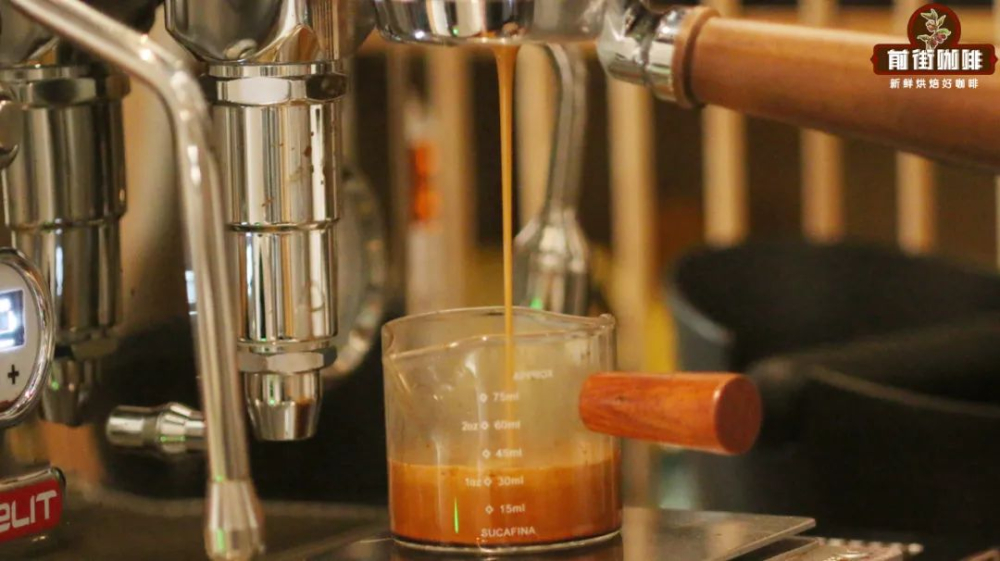
When this bean was originally brewed by pour-over drip, it already showed very high sweetness and a rich fruity aroma. When used to extract espresso (grind size needs to be dialed in), the crema on the surface is fine, the color is on the pale yellow side, and it smells of sweet berries. It has sweet and tart berries with caramel, and a clean mouthfeel. Adding steamed hot milk brings out a honey-like sweetness.
2. Front Street Coffee Colombia Sidra Coffee Beans
The medium roast gives the coffee a roasted aroma while retaining the acidity of tropical fruit. Making Front Street Sidra SOE highlights the flavors of passion fruit and grapes. Adding milk brings out the smoothness of raisin chocolate, with an inviting aroma and an overall very soft mouthfeel.
3. Front Street Coffee Costa Rica Mozart Coffee Beans
Anaerobic honey processing allows the coffee beans to retain the mucilage layer for sealed fermentation before drying, maximizing sweetness. This bean shows rich rose aroma and the high sweetness of raisins in pour-over, while extracted as SOE it displays intense tropical fruit and fermented flavor notes.
4. Front Street Coffee Brazil Queen's Estate Yellow Bourbon Coffee Beans
If none of the above are the flavor types you like, take a look at this Queen's Estate coffee bean from Brazil, a major coffee country. The medium-dark roast gives the coffee a rich aroma of nuts, cream, and peanuts, with a finish of fully sweet chocolate. The extracted SOE has beautiful rich crema, and it is also full of aroma when made into milk coffee.
What Should Be Noted When Making SOE?
For SOE single-origin espresso, in order to highlight origin flavor, the coffee beans selected generally do not have a very dark roast degree. Compared with traditional darker-roasted espresso beans, the flavor is harder to extract.
Therefore, on the one hand, extraction parameters need to be adjusted to increase the extraction yield, such as lengthening extraction time, making the grind finer, and increasing the dose. On the other hand, when serving espresso drinks based on SOE, it is necessary to adjust the ratio of espresso to milk or water, reducing the milk or water to highlight the coffee flavor so the coffee does not taste too weak.
The above content is compiled by CoffeeHunters, a coffee news website.


