







How does Arabica coffee from Yunnan balance acidity and bitterness?
Yunnan is China's largest coffee-growing region, contributing 95 percent of national output and holding the only official high-quality coffee raw material base. Its small-bean coffee is Arabica, known for a neutral taste and mild, comfortable acidity that keeps bitterness in check. Growing areas sit between 1,000 and 2,000 meters in the southwestern part of the province, inside the coffee belt.
Variety replacement moved Yunnan from ancient Typica toward widely planted Catimor, lifting cup quality. The four main regions, Baoshan, Pu'er, Lincang, and Dehong, each show distinct terroir, and processing methods plus brewing choices shape the final balance. Hainan, by contrast, grows Robusta with a darker roast and a stronger, more stimulating profile.
On the coffee map of China, Yunnan occupies a pivotal position. As the country's largest coffee-growing region, Yunnan contributes 95% of the nation's coffee output and is the only province recognized as a high-quality coffee raw material production base. The small-bean coffee here is actually the Arabica species, with a neutral taste and a comfortable mild acidity, achieving a good balance between acidity and bitterness. From the ancient Typica to the widely planted Catimor today, Yunnan coffee has undergone variety replacement and quality upgrading. The four major production regions of Baoshan, Pu'er, Lincang, and Dehong each have their own terroir characteristics, and Front Street Coffee has even established its own estate in Lincang. This article will take you through a comprehensive understanding of the variety evolution, regional terroir, processing methods, and brewing key points of Yunnan small-bean coffee, so you can experience the unique charm of China's local coffee.
When it comes to China's coffee-producing regions, they can generally be divided into two major parts: Hainan and Yunnan. Hainan mainly cultivates Robusta varieties, usually with a darker roast and a strongly stimulating flavor profile. Yunnan, on the other hand, is the province with the largest coffee-growing scale in China, the country's only high-quality coffee raw material production base, and also the earliest place in mainland China to introduce coffee cultivation. Many consumers' understanding of Yunnan still stops at Pu'er tea, and their knowledge of Yunnan coffee is limited, but nowadays almost every coffee shop menu includes Yunnan beans. After the movie "Coffee or Tea?" was released, public attention to Yunnan coffee increased even more noticeably.
Yunnan is the region with the largest coffee output in China. Although its total output is not particularly high compared with neighboring Southeast Asian countries, the coffee quality is by no means inferior. Yunnan coffee's annual output accounts for 95% of the national total, firmly securing its position as China's leading coffee-producing origin.
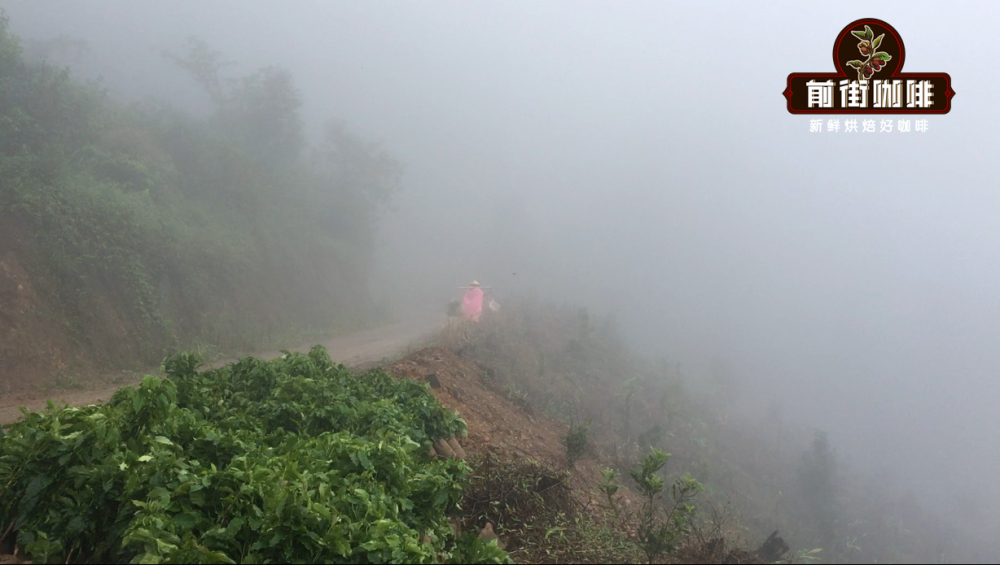
Yunnan's coffee-growing areas are concentrated in the southwestern part of the province, situated right in the coffee golden belt between the Tropic of Cancer and the Tropic of Capricorn. The altitude is roughly between 1,000 and 2,000 meters, mainly mountainous terrain with steep slopes and fertile soil, and local farmers usually plant coffee trees on hillsides. Abundant rainfall, ample sunshine, and the significant temperature difference between day and night brought by high altitude together create extremely favorable terroir conditions for growing coffee trees. These natural endowments provide Yunnan coffee with an excellent growing environment. As consumer understanding of coffee gradually changes, the Yunnan production region is also placing increasing importance on coffee quality and is steadily advancing toward specialization.
Small-bean coffee is not unique to Yunnan; almost all coffee-producing regions around the world grow it. Nowadays small-bean coffee can be seen everywhere on the streets, except that merchants are more accustomed to using its other name—Arabica coffee.
What Yunnan calls "small-bean coffee" is actually what the market commonly calls "Arabica coffee"; it is only a difference in naming. All Arabica varieties originated in Africa, were spread and developed through the Arab region, and eventually expanded to the Americas and various parts of Asia. In terms of taste, Yunnan small-bean coffee belongs to a relatively neutral type, with neither acidity nor bitterness too prominent, presenting a mildly acidic and comfortable flavor, making it a coffee type that suits public tastes relatively well.
Yunnan Small-Bean Coffee Varieties
Yunnan small-bean coffee was originally named because of Typica, since Typica is an Arabica small-bean variety. Yunnan's oldest coffee variety is Typica. Later, when Nestlé entered Yunnan, because Typica had poor disease resistance and also to increase coffee bean yields, coffee farmers were made to cut down the good-flavored Typica coffee trees and plant varieties with inferior flavor but better disease resistance and higher yields. The initial introduction was S288, which is resistant to leaf rust, and later Catimor, which has even higher yields, was introduced. In other words, the coffee trees currently grown in Yunnan are mainly the Catimor variety, and Yunnan small-bean coffee is Catimor variety coffee.
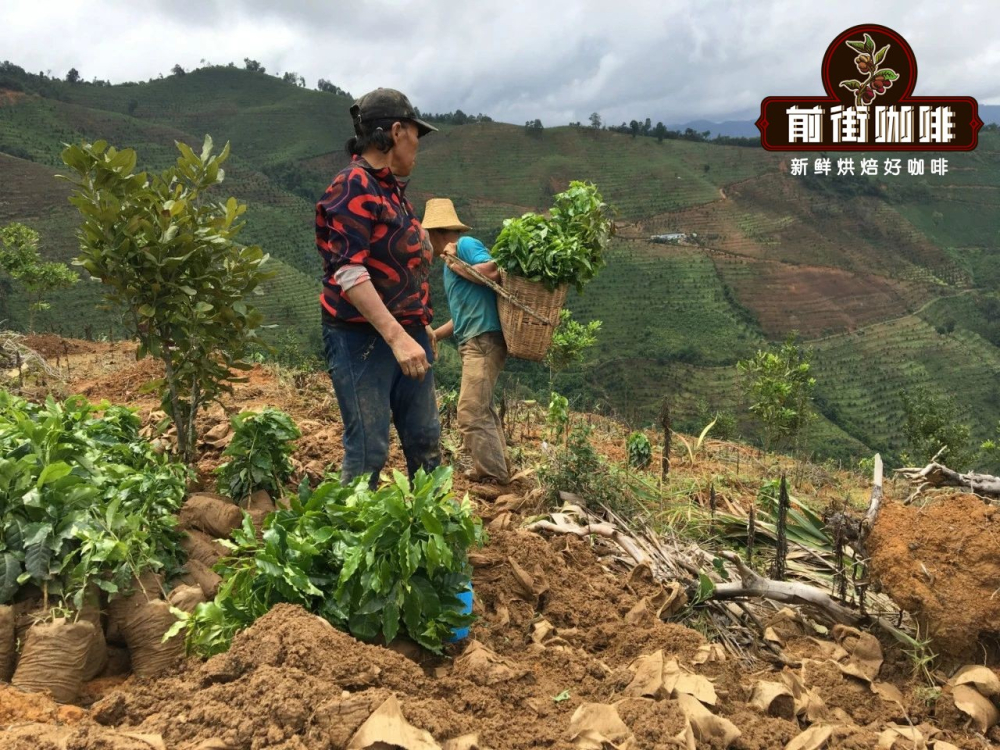
"Small bean" refers to the type within Arabica varieties that has relatively small fruit, in contrast to the medium-bean Robusta coffee beans grown in Hainan. The coffee trees first introduced to Yunnan were two pure Arabica varieties, Typica and Bourbon, among which the ancient Typica is widely recognized as a high-quality variety. The world-famous Jamaican Blue Mountain coffee belongs to the Typica variety, possessing a rich aroma and delicate, varied flavors, but its yield is extremely low, and it is susceptible to rust disease, requiring more manpower for management. Coffee is, after all, a cash crop on which Yunnan farmers depend for their livelihood. If yields are too low to guarantee income, cultivation cannot be sustained, so most local farmers have switched to growing the higher-yielding Catimor.
Typica
The most classic high-quality Arabica variety, from which many commercial improved varieties are currently derived. It has excellent flavor performance and is recognized as a specialty coffee variety, but its yield is extremely low and it is susceptible to rust disease, requiring more manpower for management. Typica coffee originated in Ethiopia and southeastern Sudan and is the most widely cultivated coffee variety in the Western Hemisphere. The plant is relatively robust but not tolerant of light, and yields are higher in Hawaii. The top leaves of Typica are copper-red, which is why it is called red-top coffee.
Catimor
Most of the coffee varieties currently grown in Yunnan are Catimor. Because Typica coffee trees are susceptible to coffee leaf rust and also have lower yields, local coffee farmers have painfully cut down this elegantly flavored Typica variety and switched to planting the higher-yielding Catimor variety, which is resistant to coffee leaf rust.
In his book "Specialty Coffee Studies," Han Huaizong mentioned when introducing China's coffee-producing regions that by 1998, more than 90% of Yunnan's coffee varieties were already Catimor.
Catimor is a new variety bred in 1959 by CIFC, the Portuguese Coffee Leaf Rust Research Center, through a cross between Timor and Caturra. The advantages of this variety lie in high productivity, short plants suitable for dense planting, and strong disease resistance. However, because Catimor carries Robusta genes, its bitterness and grassy notes are more obvious than those of pure Arabica, and it is somewhat lacking in cleanliness, fruity notes, and richness. The Robusta species has good resistance to leaf rust and rich oils, with high yields and easy cultivation. After crossing with Arabica Typica, Catimor obtained about 25% Robusta genes, which not only improved its resistance to leaf rust and retained rich oils, but also inherited part of the rich flavors of the original Typica variety. For this reason, most estates in Yunnan are currently planting Catimor on a large scale, while the cultivation range of Typica is gradually shrinking.
Main Coffee-Producing Regions of Yunnan
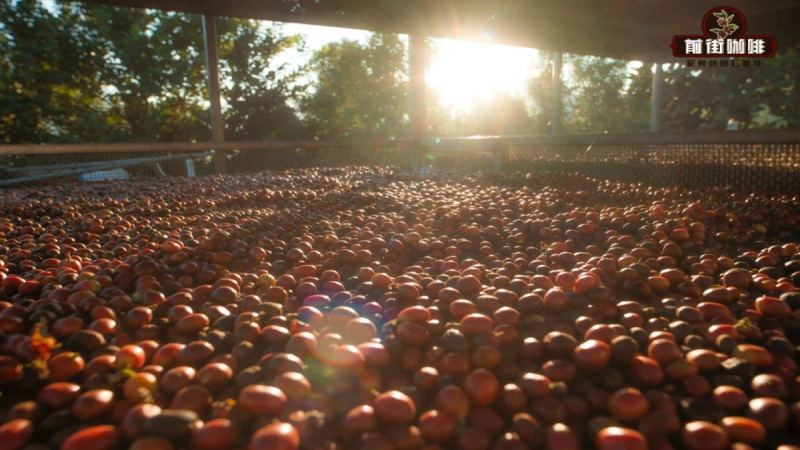
Yunnan does not have four distinct seasons, only a dry season and a rainy season, and most coffee-producing regions are similar, which is also the fundamental reason why some production areas use the natural sun-dried processing method. Every year in June the rainy season begins, followed by three to four months of continuous rain, which is the most favorable period for growing coffee. Only by planting seedlings during this stage, after months of rain nourishment, can they develop a well-developed root system and thus survive the first dry season, which lasts as long as half a year.
Yunnan small-bean coffee trees bear fruit at 3–4 years of age. Coffee is a short-day plant. Coffee has the characteristics of multiple flowering and concentrated flowering periods. Small-bean coffee in Yunnan flowers from February to July, with the peak flowering period from March to May. Coffee flowering is greatly affected by climate, especially rainfall and temperature. Coffee flowers have a short lifespan, only 2–3 days. Small-bean coffee generally begins to open at 3–5 a.m. and is in full bloom from 5–7 a.m. Coffee fruit development takes a long time. Small-bean coffee fruit takes 8–10 months to mature, generally maturing from October to December of the same year. Rainfall has a great influence on fruit development, and climatic conditions directly affect the fruit.
The main relatively famous coffee-growing areas in Yunnan are these regions: Baoshan, Pu'er, Lincang, and Dehong.
Lincang City has a subtropical low-latitude plateau mountainous monsoon climate, with complex terrain and topography, and is a region with multiple climate types. It is mainly affected by the warm, humid airflow from the Indian Ocean and the southwest monsoon. The distinction between the four seasons is not obvious, but the dry and rainy seasons are clearly separated, with relatively abundant rain and long sunshine hours. The average annual sunshine duration is more than 2,000 hours, and the frost period is relatively short. In some areas there is no frost all year round; the vertical climate is obvious, and the average annual temperature in mountainous areas is 13–15°C.
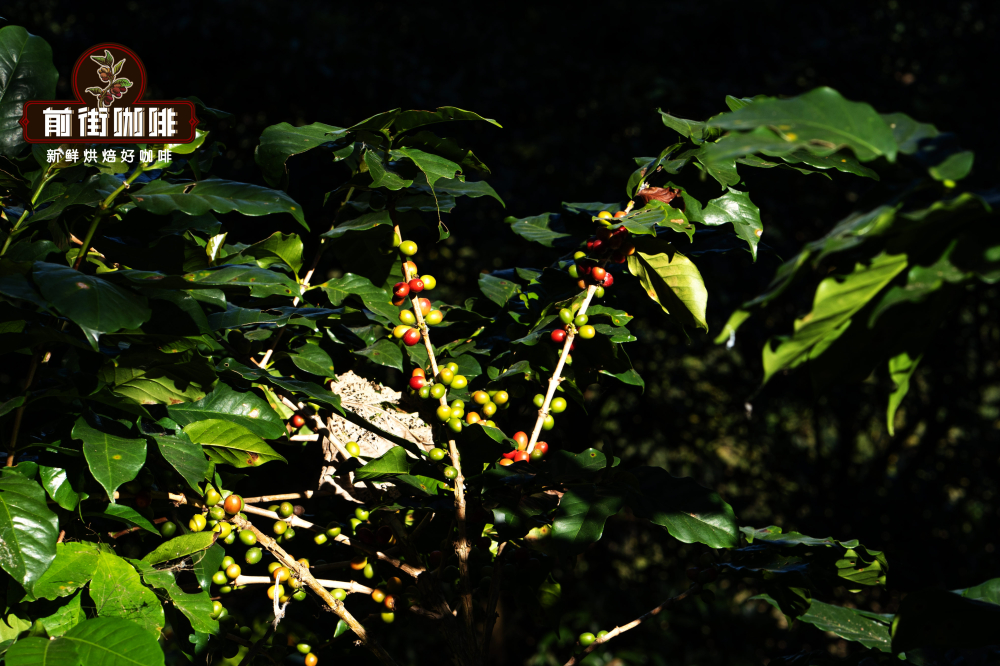
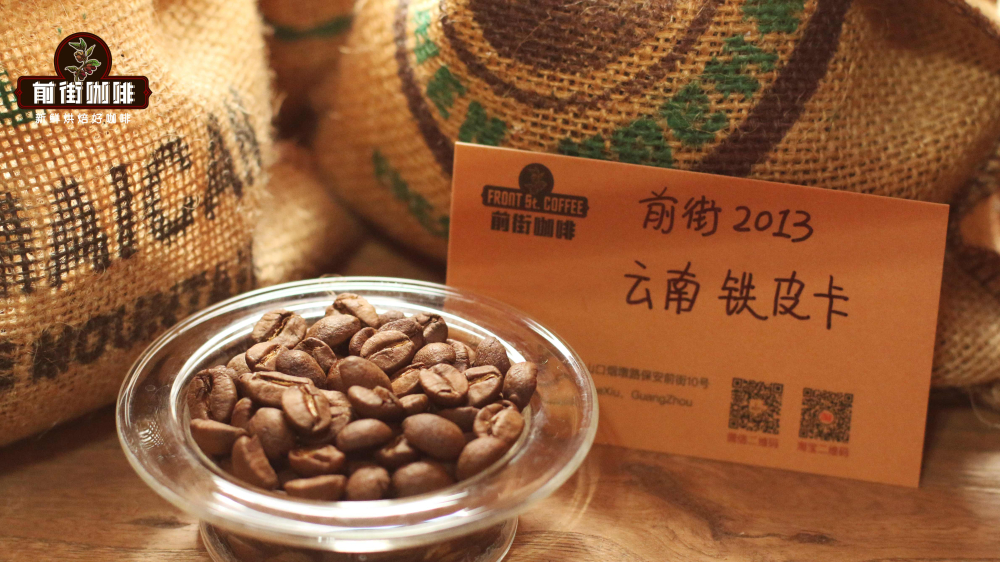
Front Street Coffee has set up its own estate in Yunnan's Lincang production region. Then in 2021, Front Street Coffee produced its first self-produced coffee bean—Front Street 2013 Sun-Dried Typica Coffee. Front Street Coffee took a fancy to this "green pearl on the border," and when Front Street Coffee was first established, it simultaneously established its own coffee estate in Lincang, one of Yunnan's main coffee-producing regions, planting the oldest Arabica variety—Typica.
Pu'er, the Tea Township has a history of coffee cultivation of 150 years. In the early 1990s, Pu'er City began cultivating coffee as an advantageous pillar industry for adjusting the industrial structure and helping farmers increase income and become prosperous. Due to the influence of a subtropical monsoon climate, most areas of Pu'er are frost-free all year round, with no severe cold in winter and no extreme heat in summer. Pu'er City has an average annual temperature of 15 to 20.3°C, an annual frost-free period of more than 315 days, and annual rainfall of 1,100 to 2,780 millimeters.
Baoshan coffee planting began in the mid-1950s. The first coffee seedling was introduced from Southeast Asia by the late patriotic overseas Chinese Mr. Liang Jinshan. In recent years, with the expansion of international trade, the small-bean coffee of Lujiangba has become even more famous far and wide. Baoshan has a low-latitude mountainous subtropical monsoon climate. Because it is located on a low-latitude plateau with complex topography and landforms, it forms a vertical climate of "one mountain, four seasons; ten miles, different weather." Baoshan has a long history of coffee cultivation and is recognized as the "best small-bean coffee producing area," and is one of the coffee-producing areas with relatively good coffee quality in the country and even globally. Most of it also grows the Catimor variety.
Front Street's washed Yunnan small-bean coffee comes from Baoshan.
Dehong has no severe cold in winter, no extreme heat in summer, abundant rainfall, rain and heat in the same period, dry and cold in the same season, small annual temperature difference, large daily temperature difference, short frost period, and few frost days. These characteristics provide good growing and overwintering conditions for coffee trees. The entire prefecture is close to the Tropic of Cancer, located at a low latitude, and affected by the southwest monsoon from the Indian Ocean, belonging to a southern subtropical monsoon climate.
Yunnan Coffee Beans Processing Methods
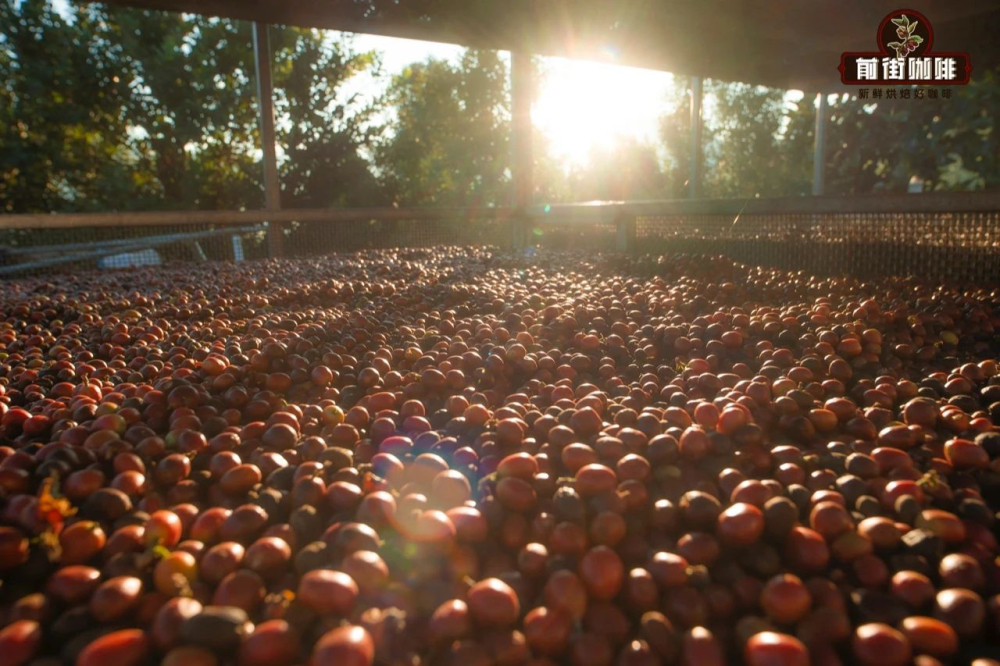
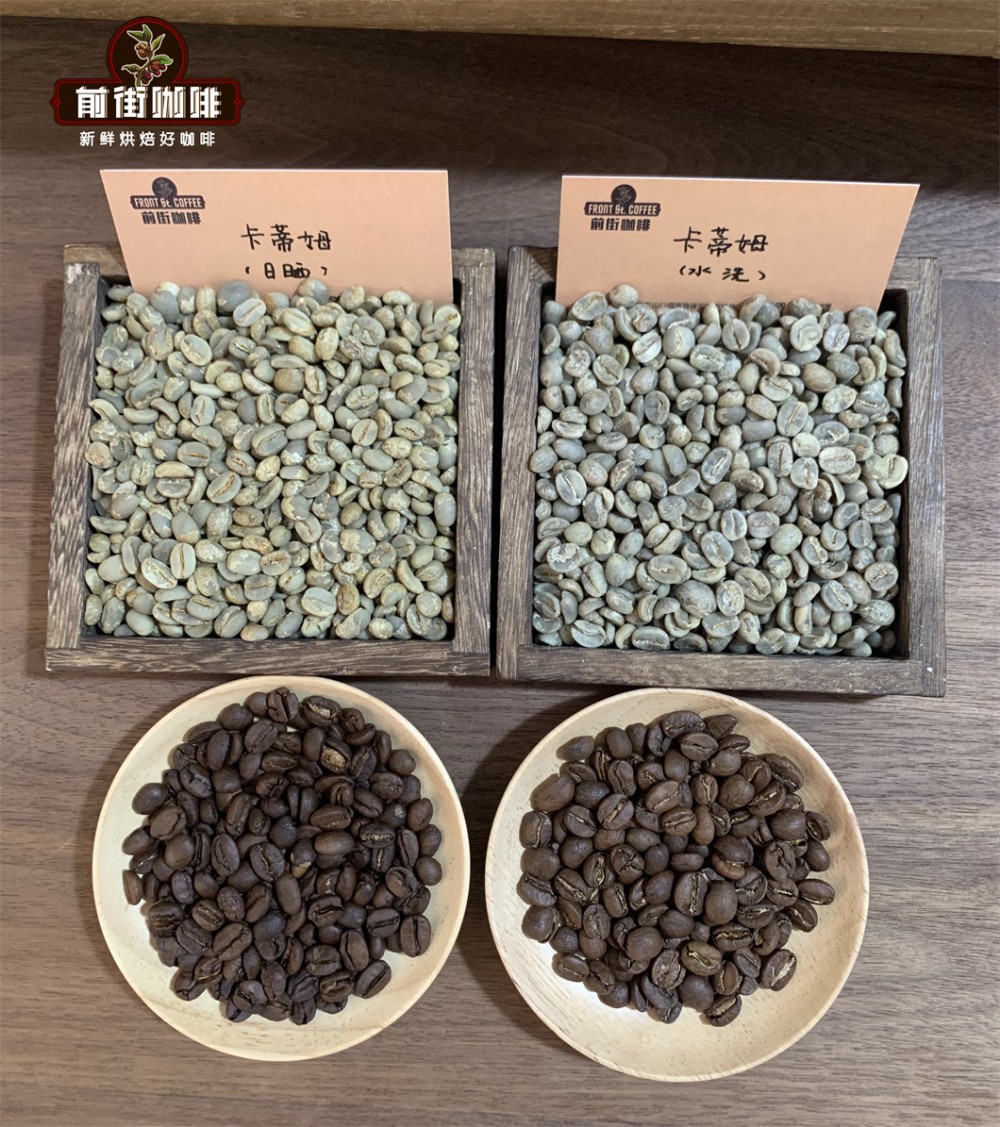
Due to the year-round rainy season and unstable climate, most Yunnan coffee beans are processed using the washed method. But there are also coffee beans processed by the natural sun-dried method. Front Street's Catimor includes washed Yunnan small-bean coffee and sun-dried Catimor coffee, and of course, there is also our Front Street Coffee estate's Front Street 2013 Sun-Dried Typica Coffee.
Front Street Brewing Parameters for Yunnan Coffee:
In order to preserve the sweet-and-sour sensation and tea-like characteristics of Yunnan coffee, Front Street Coffee gives it a medium roast. When brewing, you can use a V60 dripper, a 1:15 coffee-to-water ratio, medium grinding (about the size of coarse granulated sugar / 75% passing through a Chinese No. 20 standard sieve), and a water temperature of 88°C.
Use staged extraction, blooming with 2 times the amount of coffee powder in water, that is, 30 grams of water for a 30-second bloom. The reason the blooming process is needed is to allow the coffee grounds to release internal carbon dioxide gas, thereby making the later stages of extraction more stable. Pour in a small stream in a circular motion until 125 grams, then pause, continue pouring until 225 grams and stop. After the water in the dripper has dripped through, remove the dripper. Start timing from the beginning of pouring; the extraction time is 2'00". Next, pick up the entire cup of coffee and shake it evenly, then pour it into a cup for tasting.
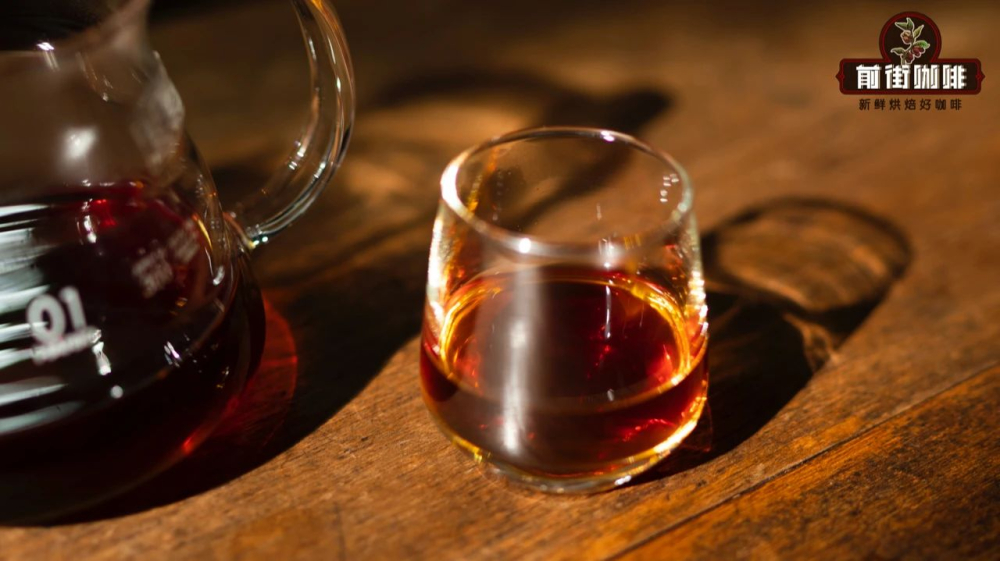
[Front Street Washed Yunnan Small-Bean Coffee Flavor] Herbal, nutty aroma, chocolate, caramel, with a faint fruity acidity in the finish.
[Front Street Yunnan Sun-Dried Catimor Coffee Flavor] Performance: nuts, chocolate, spices, caramel, plum.
Front Street Coffee Brewing Suggestions:
To brew a delicious cup of coffee, you still need to pay attention to the freshness of the coffee beans. Front Street has always believed that the freshness of coffee beans has a great relationship with coffee flavor, so the coffee beans shipped by Front Street Coffee are all within 5 days of the roasting date. Front Street's roasting philosophy is "freshly roasted good coffee," so that every customer who places an order receives the freshest coffee when it arrives. The resting period for coffee is about 4–7 days, so by the time customers receive it, it is at its best flavor.
For friends who need ground coffee, Front Street kindly reminds you: once coffee beans are ground in advance, they no longer need to be rested, because during transportation, the pressure generated by carbon dioxide inside the packaging can also make the coffee flavor rounder, so once you receive the ground coffee you can immediately brew a cup and drink it. However, ground coffee needs to be brewed promptly, because after ground coffee contacts air it oxidizes relatively quickly, meaning the coffee flavor will dissipate relatively quickly and the coffee will not taste as good. Therefore, Front Street recommends buying whole beans and grinding fresh before brewing, so you can better taste the coffee's flavor.
With the promotion of domestic products, Chinese coffee has gradually become known and liked by everyone, and Front Street likes Yunnan coffee mainly because it is Chinese people's own coffee. Front Street has more than fifty single-origin coffees from different production regions around the world, and three Yunnan coffees: Yunnan Washed Small-Bean Coffee, Yunnan Sun-Dried Catimor Coffee, and Front Street Coffee estate's Front Street 2013 Sun-Dried Typica Coffee.
For professional coffee knowledge exchange and more coffee bean information, please follow Coffee Workshop (WeChat public account: cafe_style)
For more specialty coffee beans, please add the private WeChat of Front Street Coffee, WeChat ID: qjcoffeex
The above content is compiled by CoffeeHunters, a coffee news website.


