







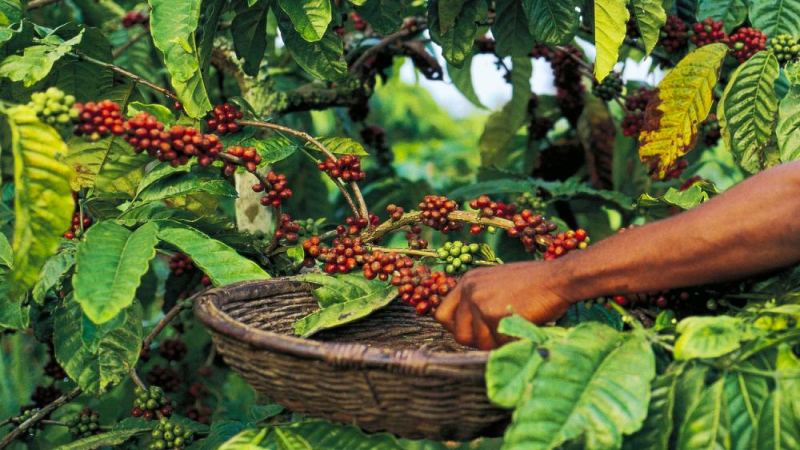
Is Geisha an arabica coffee bean variety?
Geisha is an arabica coffee bean variety, one of several under the Arabica species alongside Typica, Bourbon, and Caturra. Commercial coffee splits into three main species: Arabica, Robusta, and Liberica. Arabica, which originated in Ethiopia, dominates specialty coffee for its pure flavor and rich aroma, and every bean on a typical specialty list belongs to it.
Arabica grows well at 800 to 2,000 meters in the belt between the Tropics of Cancer and Capricorn, with higher altitude generally improving quality. Ethiopia, Panama, Colombia, and Brazil are known origins, while Robusta is planted at lower altitudes in places such as Indonesia and Vietnam for yield. Geisha coffee, a prized Arabica variety, is among the varieties that show how wide the species ranges.
The coffee world is vast and complex, but commercial cultivation mainly revolves around three major species: Arabica, Robusta, and Liberica. Among them, Arabica has become the mainstream of specialty coffee thanks to its elegant aroma and pure flavor. This article will provide an in-depth analysis of Arabica's growing conditions and quality tiers, and introduce one by one the origins and flavor characteristics of common varieties such as Typica, Bourbon, Geisha, and Caturra. At the same time, using Front Street Coffee's bean list as examples, it will help enthusiasts understand the taste differences among different varieties. Whether you are a beginner just starting out or a seasoned veteran, you can gain a systematic understanding of varieties from it.
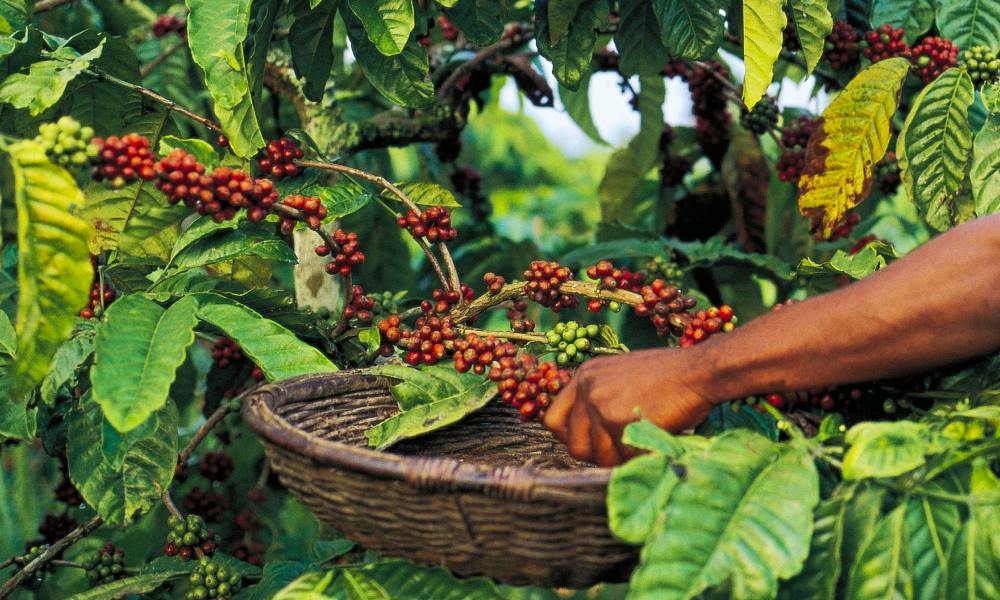
Like other plants and animals, coffee has distinctions between species and varieties. Currently, commercially cultivated coffee is mainly divided into three major categories: Arabica (small-bean species), Robusta (medium-bean species), and Liberica (large-bean species). Among them, Arabica and Robusta are the most common.
After roasting, Robusta varieties often display a dull, heavy flavor and have a relatively high caffeine content, so they are mostly used in espresso blends or instant coffee production. Arabica, on the other hand, originated in Ethiopia, Africa, and is widely favored for its pure flavor, rich aroma, and elegant character. The dozens of coffee beans on Front Street Coffee's daily bean list all belong to the Arabica species.
Growing Conditions for Arabica Coffee
Arabica is quite demanding about its growing environment, usually requiring highlands at an altitude of 800 to 2,000 meters with no frost, mostly distributed in the coffee-growing belt between the Tropic of Cancer and the Tropic of Capricorn. The higher the altitude, the better the quality of Arabica produced tends to be. Well-known origins such as Ethiopia, Panama, Colombia, and Brazil are all famous Arabica-producing countries.
By contrast, Robusta is mostly produced in regions that pursue yield per unit area, such as Indonesia and Vietnam. Robusta itself has a higher chlorogenic acid content and stronger resistance to pests and climate change. It is usually planted at lower altitudes, has high yields, and its fruit ripens quickly. The "delicate" Arabica plant, however, has relatively weak disease resistance and lower yield per plant. The significant temperature difference between day and night brought by high-altitude environments slows down the ripening speed of coffee fruit, allowing coffee cherries to accumulate more nutrients and thus develop richer aromas. The unique microclimates of each producing region also provide Arabica with diverse growing conditions, creating a wide variety of flavors.

For this reason, Arabica grown at high altitudes also increases the difficulty of management and harvesting, and production costs rise sharply. High-quality Arabica coffee requires manual picking, screening, processing, and multiple other steps before it can finally present coffee beans of superior quality and refined flavor. For example, the familiar Jamaica Blue Mountain, Panama Geisha, and Ethiopia Yirgacheffe are all extremely high-quality Arabica coffees.
What Varieties Does Arabica Include?
Arabica also has many subspecies, all derived and mutated from the ancient Typica and Bourbon varieties. Below, Front Street briefly introduces several of the most common Arabica varieties and their representative coffee flavors.
Typica
As Ethiopia's oldest native variety, all Arabica can be traced back to Typica. Typica's top leaves are bronze-colored, and its bean shape is oval or slender-pointed. It has an elegant acidity and aroma, but the plant itself is relatively weak, susceptible to leaf rust, and has low fruit production. The world-famous Jamaica Blue Mountain coffee is precisely the Typica variety.
Typica was introduced to Blue Mountain for cultivation in the 18th century and has been there for more than two hundred years. Blue Mountain's Typica gradually adapted to the local island terroir and evolved stronger disease resistance, especially far exceeding ordinary Typica in resistance to coffee berry disease. Front Street believes that the refined and clean flavor of Blue Mountain coffee cannot be separated from Jamaica's persistence in and careful cultivation of the Typica variety.
Front Street Coffee: Jamaica Blue Mountain No. 1 Coffee Beans
Region: Jamaica Blue Mountain
Altitude: 1,310 meters
Processing Method: Washed
Variety: Typica
Flavor: Chocolate, nuts, cream, cocoa
Bourbon
Bourbon evolved from a natural mutation of Typica, with the bean shape changing from slender-pointed to round. It was first discovered on Bourbon Island (Réunion Island) off the east coast of Africa. In 1715, the French transplanted round-bodied beans from Yemen Mocha to Bourbon Island, and it was only afterward that they became known as Bourbon. In 1727, Bourbon round beans were introduced to Brazil. Because the plant can be densely planted and bears relatively more fruit, its yield is 20% to 30% higher than Typica.
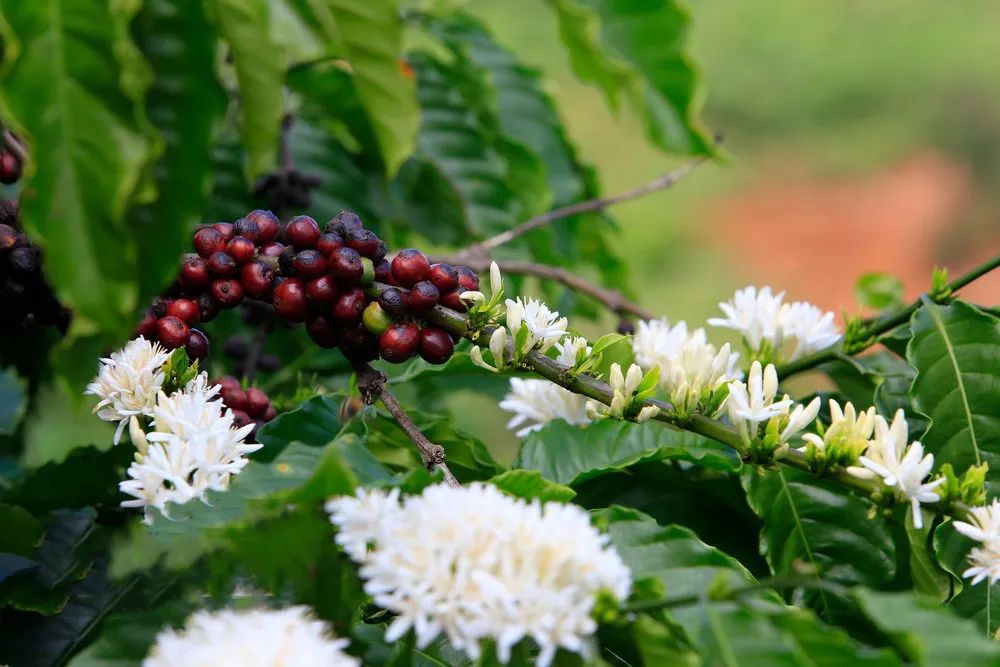
Most Brazilian coffee has relatively low acidity, and with its mellow aroma, it is extremely smooth on the palate with a pleasant aftertaste. Front Street Coffee selected a semi-washed Red Bourbon as its Brazilian representative. The flavor shows obvious nutty and chocolate notes, with medium caramel sweetness, a smooth mouthfeel, and overall balance. Front Street included it in its daily bean series—daily beans are the flagship representative of each major producing region, showcasing the region's basic flavor. They are suitable for beginners to understand a region's style and then, according to preference, explore different producing regions in greater depth.
Front Street Coffee: Brazil Cerrado Coffee Beans
Region: Cerrado region, Minas Gerais, Brazil
Altitude: 1,000 meters
Variety: Red Bourbon
Processing Method: Semi-washed
Flavor: Nuts, chocolate, cream, peanut, caramel
Geisha
Friends who often drink pour-over coffee must have heard of Panama Geisha. With its stunning aroma, it has become one of the synonyms for contemporary specialty coffee. Geisha evolved from Typica and also originates from Ethiopia, the birthplace of coffee. Unlike other varieties, the leaf system of the Geisha coffee tree is very thin, its photosynthetic efficiency is very low, and its root system is also fragile, causing water and nutrient absorption to be slow, resulting in extremely low yields. In addition, because of the high-altitude growing environment, the fruit ripens relatively late.
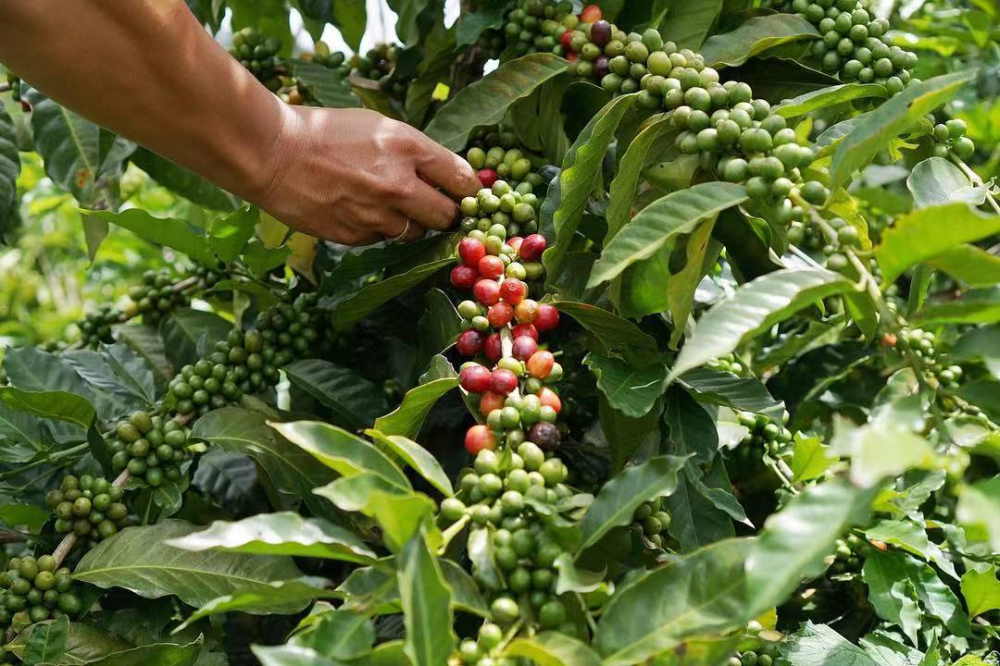
Today, Geisha is grown in many places around the world and can be called the new king of specialty coffee. Among them, Latin American countries such as Panama, Guatemala, and Colombia produce higher quality, with Panama Geisha standing out above the rest. When it comes to Geisha, the most popular one on Front Street's bean list is undoubtedly the Geisha produced by the famous Hacienda La Esmeralda, which is further divided according to different characteristics into Red Label Geisha, Green Label Geisha, and Volcanic Rock Geisha.
Front Street Coffee: Red Label Geisha Coffee Beans
Region: Boquete region
Estate: Hacienda La Esmeralda Cañas Verdes
Altitude: Above 1,700 meters
Variety: Geisha
Processing Method: Natural process
Flavor: Citrus, complex fruits, rose tea, honey
Caturra
Caturra evolved from a natural mutation of Bourbon and was discovered in Brazil in 1937. The tree is relatively short and has average disease resistance, but it is suitable for dense planting and has a higher fruiting rate, so its yield is higher than varieties such as Bourbon. Caturra is widely planted in Central American countries. It has bright acidity and a mouthfeel full of fruitiness. After medium-dark roasting, it presents chocolate and nut-like sweet aromas, and it is a frequent champion in many coffee competitions. Quite a few coffee beans on Front Street's bean list contain the Caturra variety. If you want to understand its flavor characteristics, Front Street recommends the Colombia daily bean, which uses washed Caturra and has very high cleanliness.
Front Street Coffee: Colombia Huila Coffee Beans
Region: Huila, Colombia
Altitude: 1,500-1,800 meters
Variety: Caturra
Processing Method: Washed process
Flavor: Nuts, dark chocolate, caramel, soft fruity acidity
There are countless excellent Arabica varieties, and Front Street cannot list them all. In addition to the most common varieties mentioned above, there are also Catuai, Mundo Novo, Pacas, SL28, SL34, and others, all of which are Arabica members with varied flavors.
Today, Arabica coffee is widely grown around the world and is regarded as the highest-quality coffee bean. We can also notice that the quality of Arabica variety coffee on the market is constantly improving.
For professional coffee knowledge exchange and more coffee bean information, please follow Coffee Workshop (WeChat public account cafe_style)
For more specialty coffee beans, please add the private WeChat of Front Street Coffee, WeChat ID: qjcoffeex
The above content is compiled by CoffeeHunters, a coffee news website.


