







Does Cold Brew Coffee Brightness Depend on the Brew Method?
Cold brew coffee comes in two styles: immersion and ice drip. Both use low-temperature water rather than hot brewing, which produces a softer, sweeter cup that is less likely to turn overly sour or astringent. The method chosen changes extraction speed, grind size and how the coffee brightness and sweetness show up in the final glass.
Immersion suits home brewing and is often used for a Starbucks-style bottle; ice drip is slower and is the usual in-store choice. A common starting point is a 1:10 coffee-to-water ratio, with ice added at serving so gradual melting dilutes the drink to different strengths. Kenya Asalia beans are suggested for summer drinking.
On a scorching summer day, a refreshing glass of cold brew coffee is undoubtedly a coffee lover's favorite. But did you know? Cold brew actually comes in two completely different styles: cold brew immersion and ice drip. Compared with iced coffee made by brewing with hot water, low-temperature extraction produces a milder, sweeter taste that is less prone to being overly sour or astringent. Front Street Coffee usually uses the ice drip method for cold brew in its stores, while the immersion method is more suitable for making at home. This article will break down in detail the brewing parameters, grind size selection, coffee-to-water ratio, and the effect of extraction time on flavor for both cold brew methods, and recommend the Kenya Asalia coffee beans suitable for summer drinking, taking you through a comprehensive understanding of the unique charm of cold brew coffee.
For more specialty coffee knowledge, please follow the WeChat official account: Front Street Coffee (FrontStreet Coffee)
Walking out the door in the sweltering heat, if you gentlemen and ladies don't have an ice-cold drink in hand, you always feel you've shortchanged yourself. And for coffee fanatics, that cold drink is naturally none other than coffee. Here Front Street would like to pose a question first: are you all aware that cold brew coffee can actually be divided into two types—immersion and ice drip? Friends who frequent Front Street stores have probably noticed that the cold brew coffee Front Street produces is usually only made using the ice drip method.
Iced coffee made by brewing with hot water and then cooling the coffee liquid with ice cubes can easily turn out weak or bitter if the coffee-to-water ratio isn't handled well. Conversely, coffee extracted slowly with low-temperature water has a softer, sweeter taste—neither too sour nor astringent.
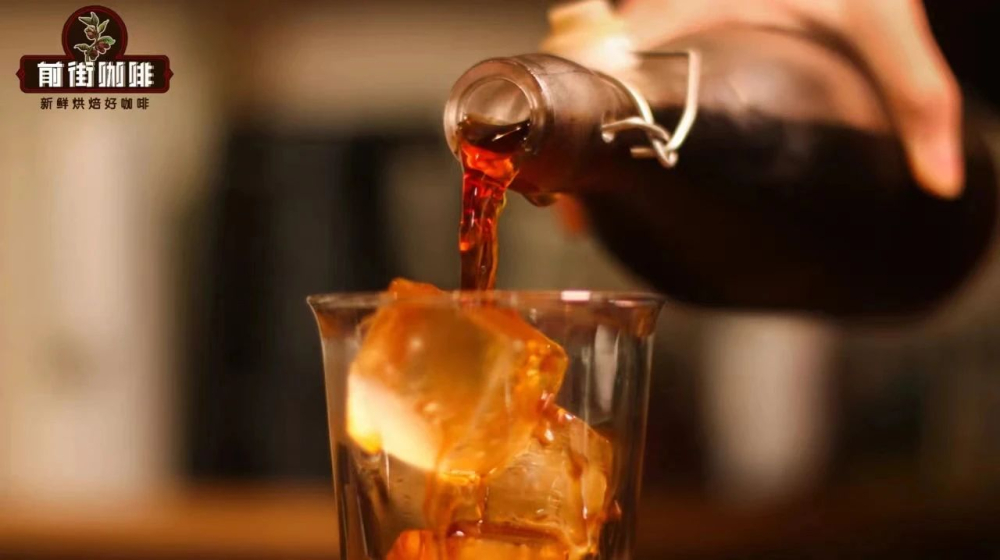
Front Street Coffee (FrontStreet Coffee) uses a 1:10 coffee-to-water ratio when making cold brew coffee, designed this way to accommodate different people's taste preferences. When drinking, add an appropriate amount of ice cubes to the cup—on one hand, it keeps the temperature low; on the other hand, the gradual melting of the ice slowly dilutes the coffee's concentration, thereby catering to those who prefer different strengths.
Immersion-Style Cold Brew Coffee
Immersion-style cold brew coffee is the kind of cold brew that Starbucks vigorously promoted back in the day, and it's not hard to understand from the name. So-called cold brew is simply soaking coffee grounds in cold water to obtain coffee liquid, with a soft mouthfeel, bright acidity, and understated bitterness. By choosing different coffee bean varieties and using different parameters, cold brew coffee can also display various flavor profiles. Moreover, the method for making cold brew coffee is quite simple, and the equipment needed isn't as cumbersome as ice drip—one could say it has many advantages.
[Front Street Coffee (FrontStreet Coffee)'s Method for Making Cold Brew Coffee]
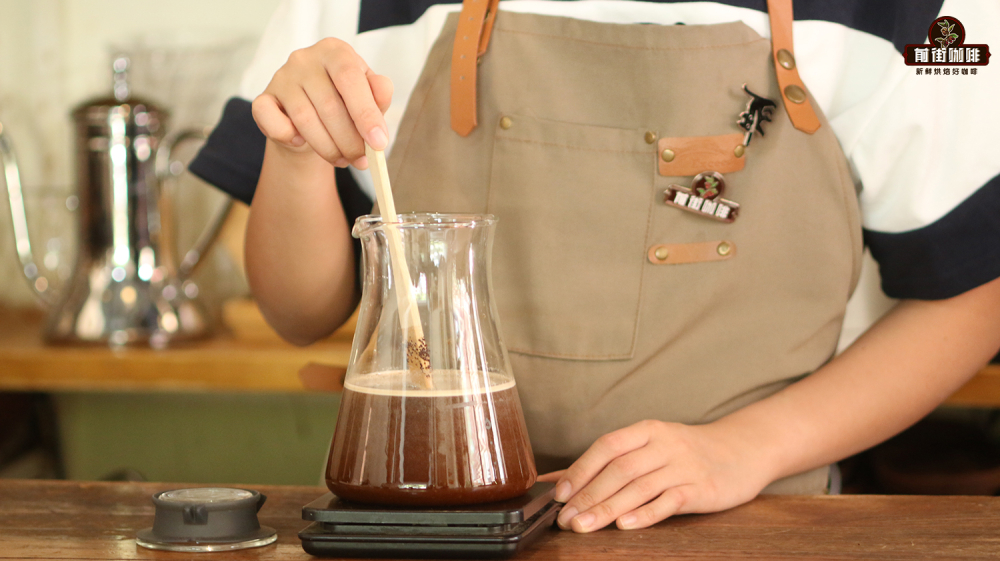
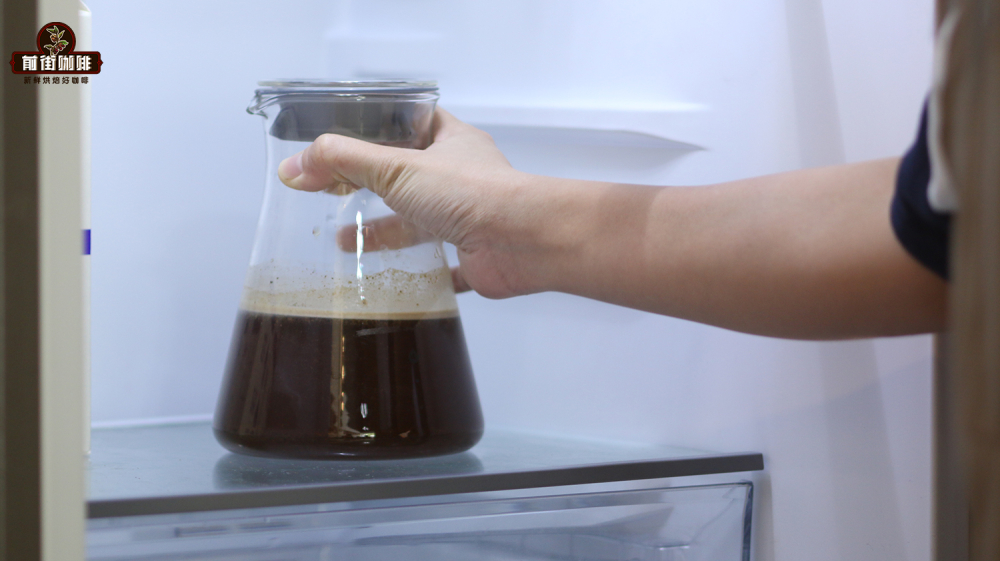
Front Street Coffee (FrontStreet Coffee) uses 50 grams of grounds as the base. Regarding grind size: although the extraction water temperature is much lower than for pour-over coffee, since it's a long immersion-style extraction after all, choose a grind size slightly coarser than for pour-over. Using a Chinese standard No. 20 sieve, the pass-through rate is 65%. Put the coffee grounds into a glass bottle, pour in 500 grams of water at a 1:10 coffee-to-water ratio, then use a stirring rod to mix the grounds and water evenly, seal it, and place it in the refrigerator to chill.
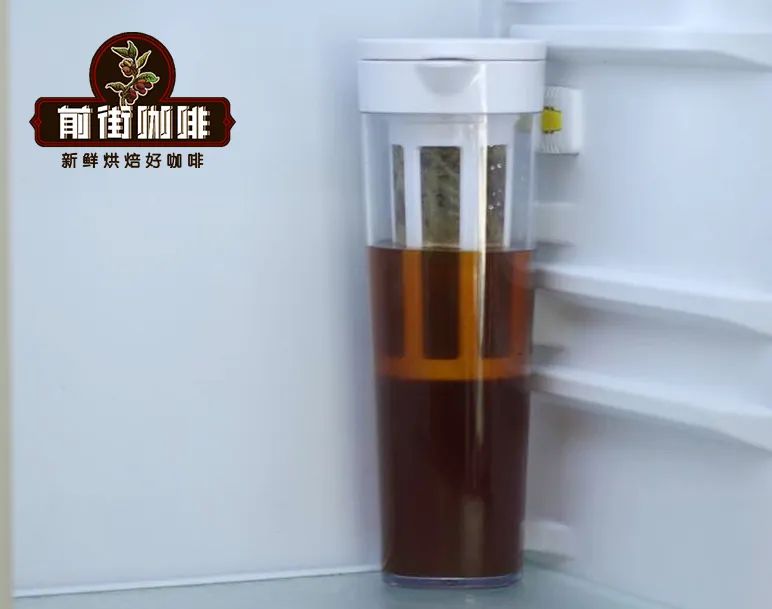
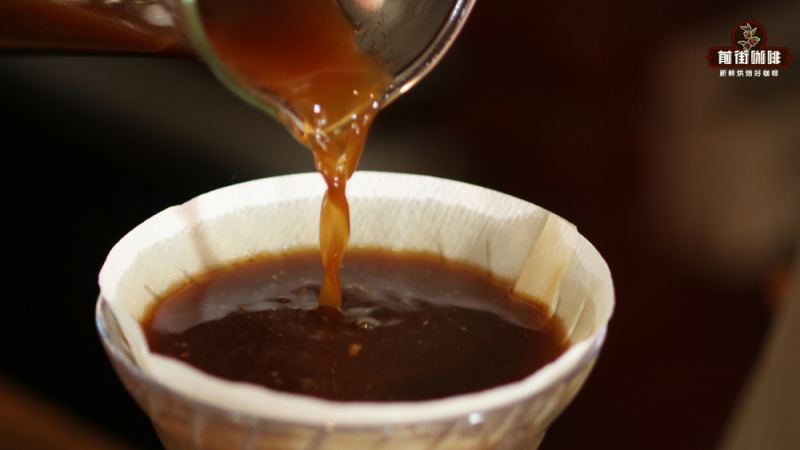
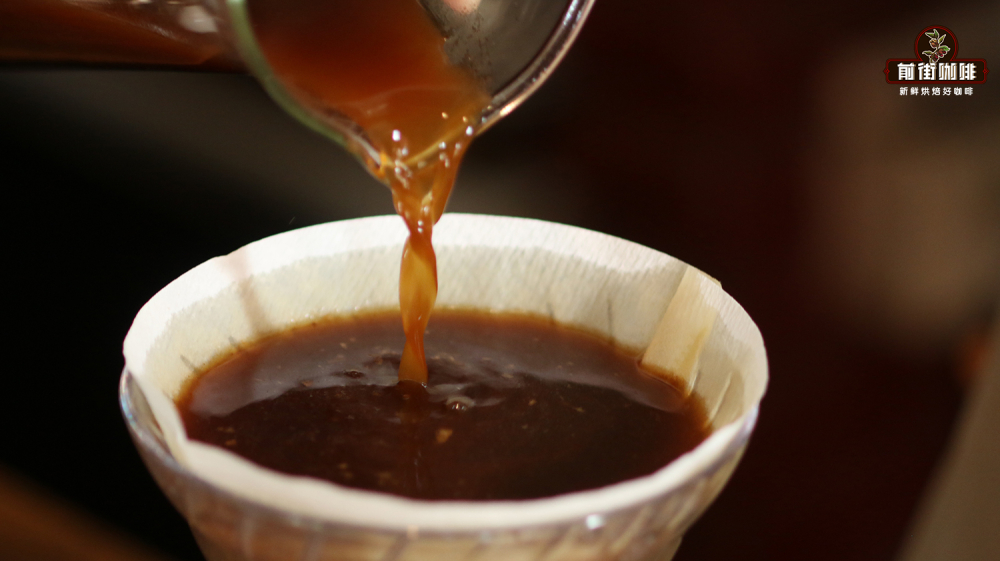
After refrigerating for 12 to 24 hours, filter out the coffee grounds with filter paper to obtain a clean coffee extract. Then take a clean glass bottle to hold the filtered coffee liquid, refrigerate for about 4 hours, and it's ready to drink.
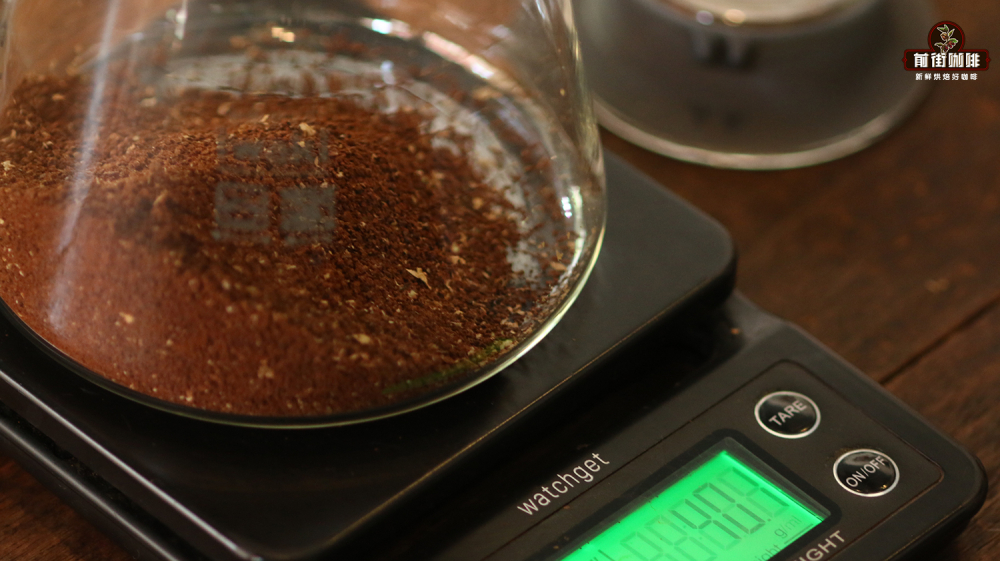
Previously, Front Street Coffee (FrontStreet Coffee)'s baristas used the Sidamo Candlelight bean to try different extraction durations and compare the flavor and mouthfeel. The result showed that the longer the coffee grounds soaked in water, the more intense the extract's flavor and the higher the concentration, with the perceptions of sourness, sweetness, and bitterness becoming more pronounced accordingly; the shorter the soaking time, the softer the flavor and the thinner the concentration.
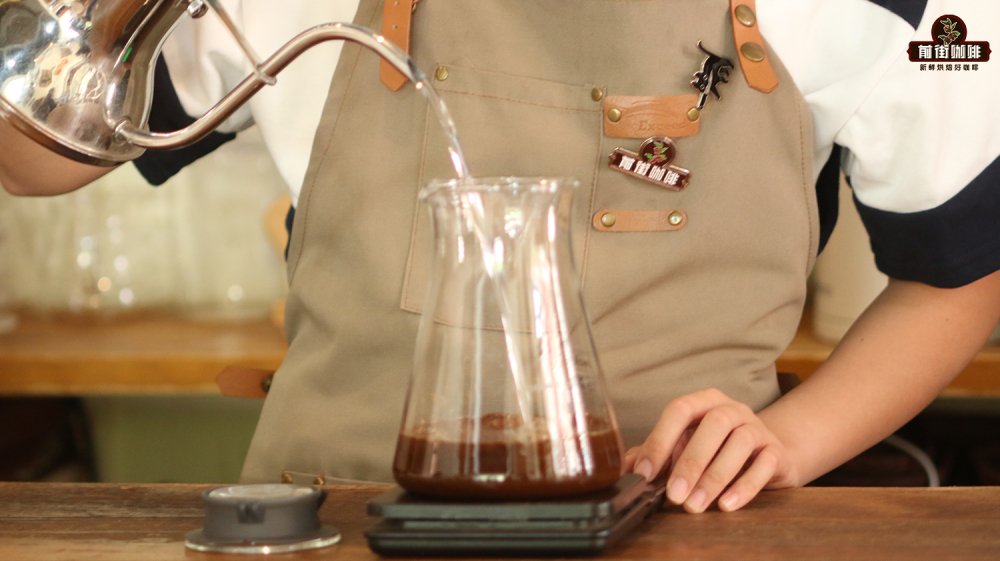
In fact, although low-temperature extraction doesn't easily bring out the off-flavors and bitterness from coffee beans, the extraction time is ultimately on the long side, and since cold brew coffee is an immersion method, Front Street Coffee (FrontStreet Coffee)'s baristas recommend adjusting the grind size coarser. Cold brew coffee isn't necessarily better the longer it soaks—whether it tastes good is itself a very subjective matter. Some prefer it light, some prefer it strong; it varies from person to person. If you like a rich style with a noticeable fermented character, you can adjust the coffee-to-water ratio and extend the extraction time according to your own preference.
Ice Drip Coffee
It's said that ice drip coffee was invented by the Dutch, but it flourished in Japan and South Korea, and in Japan it even has a history of several hundred years. Many well-known ice drip devices come from Japan and South Korea, and in South Korea almost every café sells ice drip coffee. Its English expressions include "Kyoto Coffee" and "Japanese-style slow-drip."
[Front Street Coffee (FrontStreet Coffee)'s Method for Making Ice Drip Coffee]
Front Street Coffee (FrontStreet Coffee) uses 60 grams of grounds as the base. Regarding grind size: since the water temperature contacting the coffee grounds is much lower than for ordinary pour-over, use a grind size with an 85% pass-through rate on a Chinese standard No. 20 sieve. The entire extraction process lasts 6 to 8 hours, and the coffee-to-water ratio is the same as for cold brew coffee, also 1:10.
① First place a circular filter paper at the bottom of the powder cup, wet it with water so it adheres to the cup wall.
② Pour the ground coffee into the powder cup, shake it level, and gently press the coffee bed with a heavy object to make the surface flat.
③ Lay a piece of filter paper on top of the coffee bed to prevent long-term dripping from creating a pit in the coffee bed, which would cause uneven extraction.
④ Use ice water to evenly moisten the entire coffee bed, achieving an effect similar to the blooming stage in pour-over coffee, improving extraction efficiency and consistency of the final product.
⑤ Fill the water container with a 1:1 ice-water mixture, and adjust the throttle valve drip rate to 7 drops per 10 seconds.
⑥ Pour the finished coffee liquid into a coffee bottle, seal it, and refrigerate to let the extract ferment and meld.
So, which coffee beans are suitable for making cold brew coffee? In this summer when everything tastes cloying, Front Street Coffee (FrontStreet Coffee) recommends using Front Street's Kenya Asalia coffee beans to make cold brew. The coffee made from these Kenyan beans is refreshing and clean, with a light brightness of acidity.
Front Street Coffee (FrontStreet Coffee): Kenya · Little Tomato Coffee Beans
Country: Kenya Region: Thika Region Altitude: 1550-1750m Variety: SL28, SL34 Processing Method: K72 Washed
The reason Front Street's Little Tomato coffee beans can present a bright, clean acidity, besides the light roast level, is also thanks to Kenya's local red soil rich in phosphoric acid, the K72 processing method, and the coffee bean varieties.
The K72 processing method, also called the Kenyan-style 72-hour fermented washed processing method. The process is: peel the ripe fresh coffee cherries picked that day, ferment them in a fermentation tank for 24 hours, then introduce clean river water to wash them, then ferment for another 24 hours, repeating this 3 times to achieve a 72-hour strong fermentation effect.
The coffee bean varieties produced in Kenya are mostly SL28 and SL34. Both are varieties bred and selected through multiple generations. SL28 belongs to the Bourbon genetic group, carrying the bright tonality and rich acidity of the original Bourbon. SL34's lineage is closer to the Typica gene, with a milder acidity than SL28. Flavor Description
The acidity of Front Street's Little Tomato cold brew iced coffee is very lively, overall like a glass of juice. When made into ice drip coffee, it carries the fresh fragrance of cherry tomatoes and grapefruit; on the palate it's a refreshing, light acidity, with an overall feeling that is clean and refreshing—very suitable for summer drinking.
The above content is compiled by CoffeeHunters, a coffee news website.


