







What Is Golden Mandheling Coffee and Why Does It Taste Herbal?
Mandheling is not a single variety. The beans behind it are mainly Ateng (Catimor) and TimTim (Timor), both of which carry Robusta genes. Grown at lower altitudes in North Sumatra's Mandailing region near the Bukit Barisan mountains, they develop low acidity, a heavy body, and the herbal, woody agarwood and spice notes the name is known for.
Sumatra's wet-hulling process shapes that rugged character, and Golden Mandheling is sorted for greater cleanliness and body than standard lots. Mandheling remains an Arabica coffee and a common entry point into Indonesian coffee. The old assumption that mostly men drink it no longer holds, as more women are choosing its heavier profile.
Mandheling coffee is a classic representative of Indonesian coffee, famous for its full-bodied mouthfeel and unique herbal agarwood flavor. But what variety does Mandheling actually belong to? Why does it carry Robusta genes? And how does Sumatra's wet-hulling process shape its rugged character? This article systematically sorts out the full picture of Mandheling coffee, from variety origins, producing regions, and grading systems to brewing parameters, with a special focus on introducing Front Street PWN Golden Mandheling's characteristics and certification details, taking you deep into the unique charm of this representative Asian coffee.
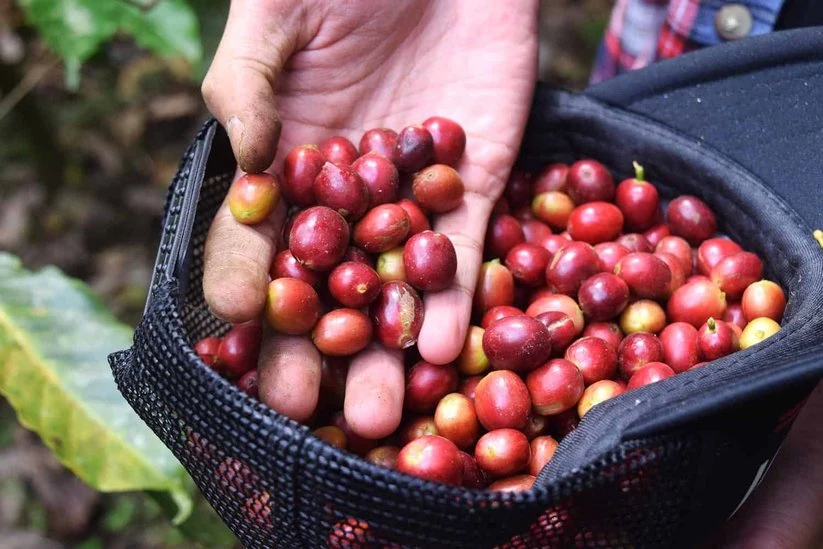
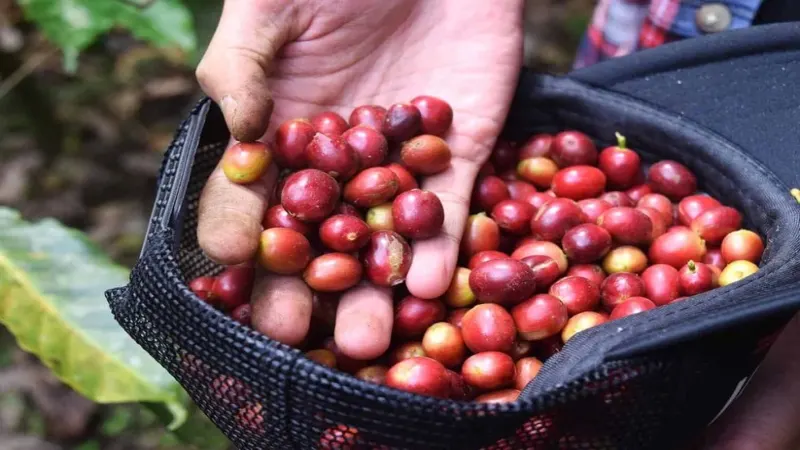
Mandheling is not the name of a specific coffee variety. Generally speaking, the coffee varieties that make up Mandheling are mainly Ateng and TimTim. TimTim is actually the Timor variety, an Arabica with Robusta lineage; Ateng is Catimor, a hybrid of Caturra and Catimor. Because both varieties carry Robusta genes, and the growing areas are at relatively low altitudes with insufficient day-night temperature differences, it is difficult for the coffee beans to develop more delicate flavor layers. Therefore, whether TimTim or Ateng, they both present distinctive herbal notes, woody agarwood, and spicy tones.
Mandheling coffee is both a typical representative of Asian coffee and a calling card of Indonesian coffee. It carries flavors reminiscent of herbs and woody agarwood, with a thick, full body and a long lingering aftertaste. There was once a saying that most people who prefer Mandheling are men, because its taste is on the heavier side; while women tend to favor the light and refreshing floral-fruity acidity of Ethiopian coffee. However, CoffeeHunters has observed that while this tendency did exist in the past, things have now changed—the number of female consumers who enjoy Mandheling is gradually increasing.
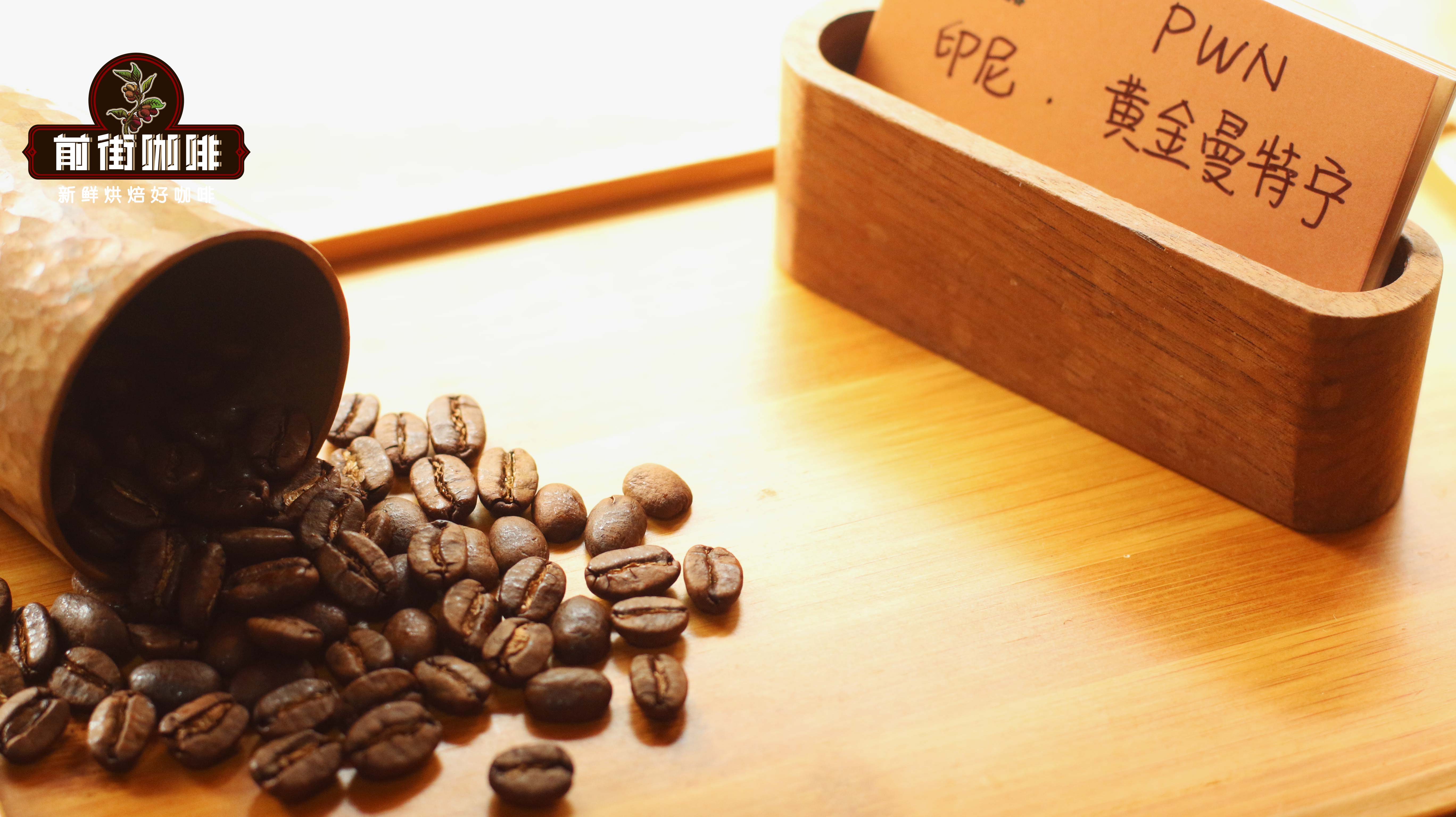
Mandheling belongs to Arabica coffee, with its place of origin in the Mandailing region near the Bukit Barisan mountains of North Sumatra. Its body is prominent, its acidity is low, and it carries a faint herbal flavor. Compared with regular Mandheling, Golden Mandheling is superior in both cleanliness and body, with even better mouthfeel performance. Therefore, Front Street regards Mandheling as the representative of Indonesian coffee and also an entry-level choice; while true coffee connoisseurs often prefer the specialty-grade Golden Mandheling.
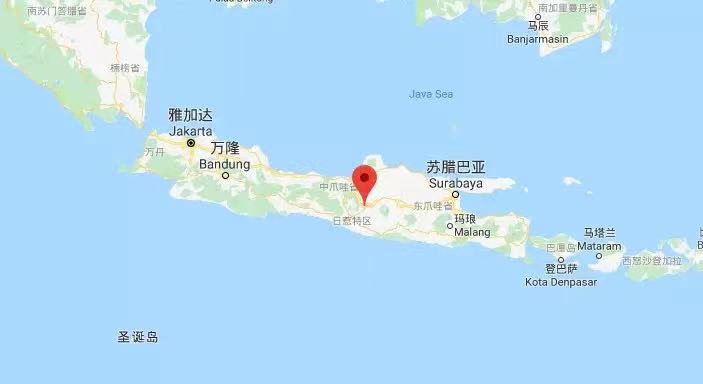
Indonesian Sumatra Coffee Producing Regions
Mandheling coffee is produced in Sumatra, Indonesia, in Asia, and is therefore also called "Sumatra coffee." The main producing areas include Java, Sulawesi, and Sumatra, of which about ninety percent is Robusta. The "Mandheling" produced on Sumatra is the most famous. Among the fine traditional Arabica coffees produced in northern Sumatra, the best quality ones enter the market under the names Lintong and Mandheling. Strictly speaking, Lintong refers to coffee grown in a small area southwest of Lake Toba in the Lintong administrative region. These coffee-growing areas are scattered across high-altitude, undulating, fern-covered clay plateaus. Lintong coffee is not shade-grown and does not use chemicals, and is almost entirely managed by smallholders. Mandheling is a broader term, covering Lintong coffee as well as the Diari (capital Sidikalang) and northern Lake Toba growing areas with similar conditions.
Currently, the highest-quality coffee beans from the Sumatra region come from the GAYO mountains, where many old tree varieties are planted. Front Street Coffee's new-crop Golden Mandheling comes from the GAYO mountains of Aceh, North Sumatra. The Gayo mountain range is located in the Aceh producing region of North Sumatra province, at an altitude between 1500 and 2500 meters, and the coffee farmers are mostly local Gayo people. The region has ideal conditions for coffee growing—high altitude, fertile soil, abundant rainfall, with Lake Tawar providing a rich water source, and organic farming methods are widely used locally without chemical fertilizers, and it is considered a green coffee production region in the world. Therefore, Gayo coffee is also often called green coffee or Gayo organic coffee.
Front Street's Golden Mandheling comes from PWN. It should be noted that Golden Mandheling is not a grade name, but a trademark registered by the Indonesian company N.V. Pawani Medan (PWN for short). The company was founded in 1957 and deals in the export of Indonesian products such as coffee, rubber, cinnamon, cloves, and patchouli oil. It was the first Indonesian company to export coffee from North Sumatra and the first company to make the name "Mandheling coffee" famous in Japan. Since 1977, PWN has focused on exporting premium Sumatra Arabica Mandheling Grade 1 and Robusta AP-I Grade 2, mainly to Japan, Taiwan, and the United States, with Japan and Taiwan together accounting for more than 95 percent. In Japan and Taiwan, "PWN" has become synonymous with quality assurance.
Golden Mandheling has even stricter quality requirements: the coffee beans must reach screen size 19, be plump and uniform, and belong to the highest grade G1. PWN's beans are darker green in color and have a neat flat bean shape. In addition, they must undergo one mechanical sorting and three manual hand-sortings to ensure fewer than 3 defective green beans (based on a 300g green bean sample).
However, Front Street would like to remind everyone: as Golden Mandheling's reputation continues to rise, many beans have appeared on the market that are not produced by PWN but still carry the Golden Mandheling name; these can actually only be called specialty Mandheling. The Front Street PWN Golden Mandheling sold by Front Street Coffee is Golden Mandheling coffee beans certified with a certificate issued by PWN. The certification certificate issued by PWN and the Golden Mandheling green bean jute bags printed with the PWN logo can both be seen at Front Street Coffee stores.
Indonesian Coffee Bean Grading Methods
Indonesian coffee mainly uses the semi-washed processing method and is graded according to the proportion of defective beans and the number of manual hand-sortings, with five levels from G1 to G5, with G1 being the highest grade. Under this grading system, Sumatra is also divided into four different systems: Mandheling, Golden Mandheling, Lake Tawar coffee, and Aged Mandheling. Currently, Front Street has Lintong Mandheling coffee and Golden Mandheling coffee.
Introduction to Golden Mandheling Coffee Processing Method
The processing method of each coffee bean depends on the local climate and environment, and best reflects the local coffee flavor. Sumatra is the largest island in Indonesia, located on the equator with a tropical rainforest climate, high temperatures and humidity, and abundant rainfall. Smallholder coffee farmers usually grow coffee in wild virgin mountain forests. Sumatra is rich in water resources and warm year-round, but the drawback is that the local area has many rainy days and frequent typhoons, which cannot satisfy the good weather needed for natural sun-drying; in addition, the limited local economic conditions make it difficult to adopt the more costly washed method. Thus the highly local wet-hulling method emerged. It is precisely this seemingly accidental processing method that creates Mandheling's one-of-a-kind flavor.
The characteristic of the wet-hulling method is: after the coffee cherries are picked, the skin and pulp are first removed with a wooden pulper, then fermented for 3 hours and spread out to dry, reducing the moisture content to 30 to 50 percent, which is semi-dry and semi-wet. Next, the mucilage and parchment layer are removed, and drying continues in the later stage. The drying process takes 2 to 4 days, and the moisture content finally drops to 12 to 13 percent.
Front Street believes that although the wet-hulling method greatly speeds up the overall processing, because the parchment layer still in a semi-dry state needs to be removed, the friction is greater, and the green beans are easily crushed and damaged, especially with small notches forming at both ends. Therefore, Indonesian coffee beans processed by wet hulling generally have a relatively high defect rate, and green bean traders arrange manual hand-sorting before export sales to remove incomplete beans with defects.
Front Street's Brewing Parameters for Mandheling Coffee:
In order to more fully bring out Mandheling's full body, Front Street chooses the Kono dripper. The Kono dripper has fewer ribs and they are located at the lower end, allowing the filter paper to fit closely against the dripper, thereby restricting airflow and extending the contact time between water and coffee grounds, so that the coffee grounds are fully extracted and the body is enhanced.
Water temperature: 88°C, coffee dose: 15g, coffee-to-water ratio: 1:15, grind size: medium-fine grind (75 percent passing through a No. 20 sieve).
Use staged extraction. First, bloom with water at 2 times the coffee dose, that is, 30g of water for a 30-second bloom. The purpose of blooming is to let the coffee grounds release internal carbon dioxide, making the later extraction more stable. Pour in a circular motion with a small stream until 125g, then pause, continue pouring until 225g and stop, and remove the dripper after the water has dripped through. Start timing from the beginning of pouring; the extraction time is 2 minutes 00 seconds. Then swirl the entire cup of coffee to mix it evenly before pouring into a cup to taste.
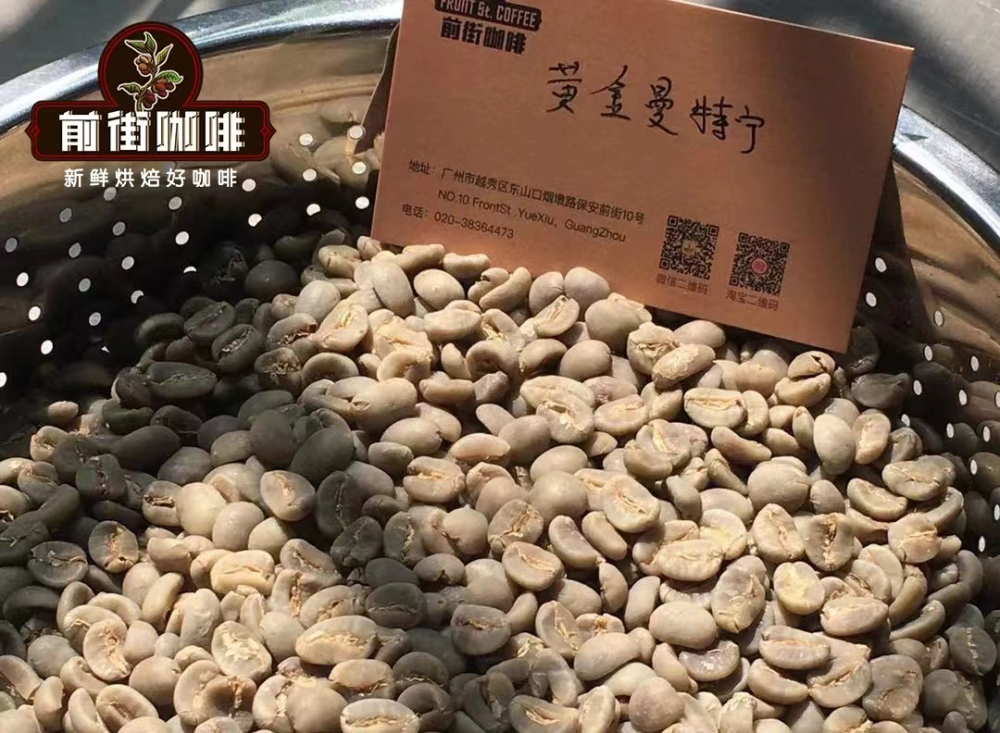
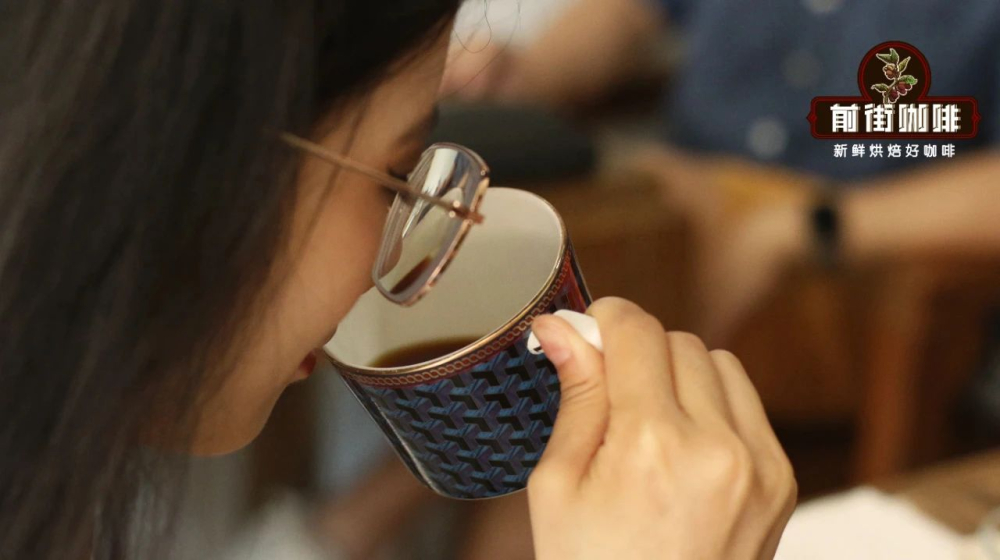
[Front Street PWN Golden Mandheling Coffee Flavor] : The overall layers are rich and varied, full-bodied yet clean, with rich nut and caramel aromas, obvious chocolate notes, a lasting finish, and excellent balance.
[Lintong Mandheling Coffee Flavor] : The entry has a rich herbal aroma, accompanied by dark chocolate and caramel flavors, with obvious sweetness returning.
Everyday-drinker Mandheling can serve as an entry-level choice for beginners to understand Indonesian coffee; while Golden Mandheling may be the higher-level specialty pursued by coffee connoisseurs. Of course, if you do not like this kind of flavor, you can also choose other flavor profiles, such as Front Street Yirgacheffe's floral acidity, Front Street Colombia coffee's nutty dark chocolate and soft fruit acidity, and Front Street Costa Rica Mozart's raisin, osmanthus, and rose floral notes. Front Street suggests trying coffees from different producing regions to experience the different coffee terroirs and cultures of each place.
The above content is compiled by CoffeeHunters, a coffee news website.


