







Do You Need a Most Expensive Coffee Machine for Huakui Coffee?
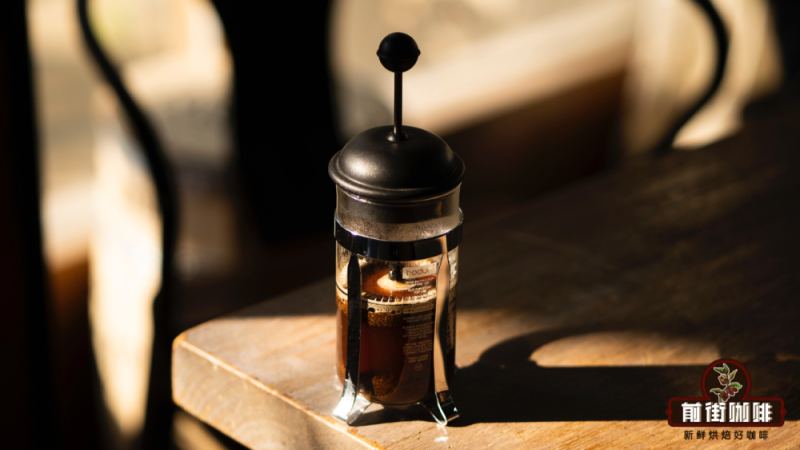
No. A French press brews Huakui coffee beans without a costly setup, but the parameters matter. Use a coarser grind than pour-over because immersion extraction is slower and more thorough. Watch water temperature, coffee dose and the coffee-to-water ratio to avoid bitterness or a thin, weak cup.
The French press was patented in the 1850s as a piston-filter device and its modern form was registered in Milan in the late 1920s; early versions were mainly used for tea. Since medium-light roasted Huakui beans extract readily, a coarse grind and steady timing keep the cup full and rich rather than over-extracted.
The French press is simple to operate and has a low barrier to entry, making it the preferred brewing device for many coffee enthusiasts at home. But when using a French press to brew Huakui coffee beans, it's easy to end up with bitterness or a weak, thin cup if you're not careful. Drawing on Front Street Coffee's hands-on experience, this article systematically covers the history of the French press, the origin background and flavor characteristics of Huakui coffee beans, and provides specific recommendations for water temperature, coffee dose, coffee-to-water ratio, and grind size. It also explains, in light of the extraction characteristics of medium-light roasted beans, why a French press requires a coarser grind than pour-over, helping readers avoid both over-extraction and under-extraction in immersion brewing and consistently produce a full, rich cup of Huakui coffee.
For more specialty coffee news, follow: Front Street Coffee (Frontsteet Coffee)
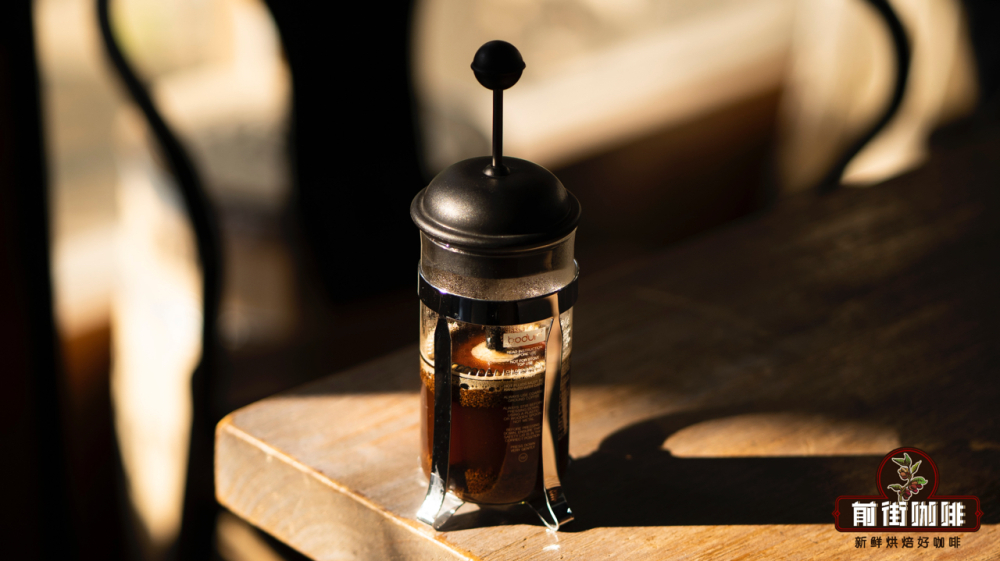
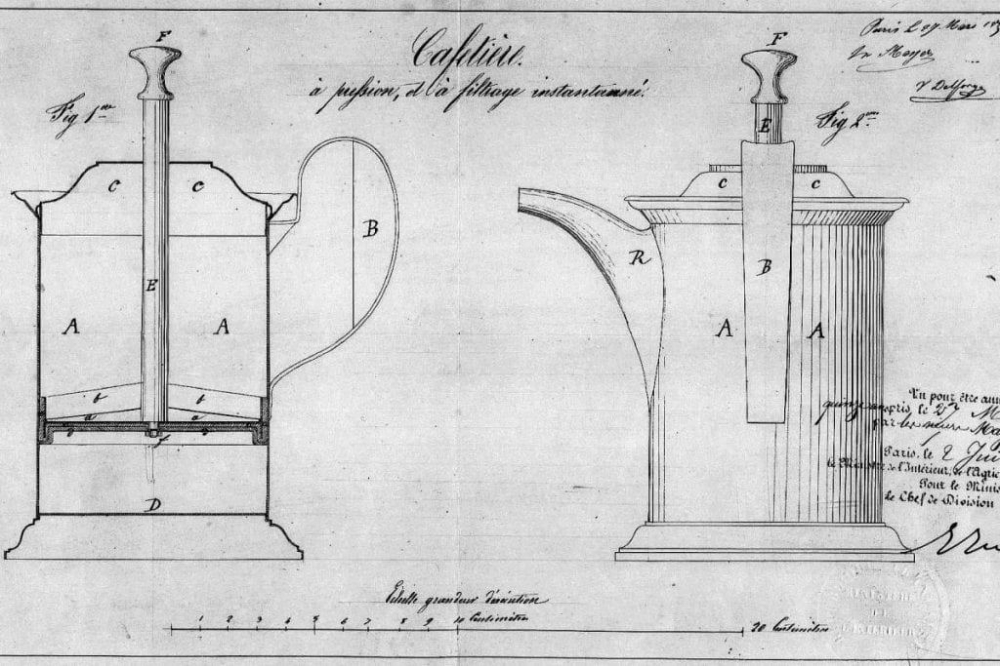
The French press, also known as the French press pot, with the English name French Press, is arguably the simplest and most effortless of all coffee brewing methods. The history of this device can be traced back to the 1850s, when a craftsman and a merchant jointly filed a patent for a "piston-filter coffee device": a metal container connected to a rod that could move up and down, with small holes at the bottom of the rod, sandwiching a layer of flannel cloth above and below. By pressing the rod down to the bottom by hand, the coffee grounds are trapped at the bottom of the pot, yielding a relatively clean cup of coffee.
After repeated technological iterations, it was not until the late 1920s that a company in Milan, Italy, registered a patent for an improved version of the French press, and the modern form familiar to people today was basically finalized and gradually spread throughout the world.
However, the primary use of early French presses was not brewing coffee but making tea. Generally speaking, the mesh aperture used for brewing tea is larger, while that used for brewing coffee is finer and denser. If you enjoy drinking coffee but don't have much time, or don't have an expensive coffee machine at home, the French press is a quite practical alternative.
Coffee made with a French press tends toward a heavier mouthfeel, and the flavor presentation is fuller. Below, Front Street uses Huakui coffee beans as an example to explain in detail how to brew a delicious cup of coffee with a French press. As usual, Front Street first walks everyone through the background information of this bean.
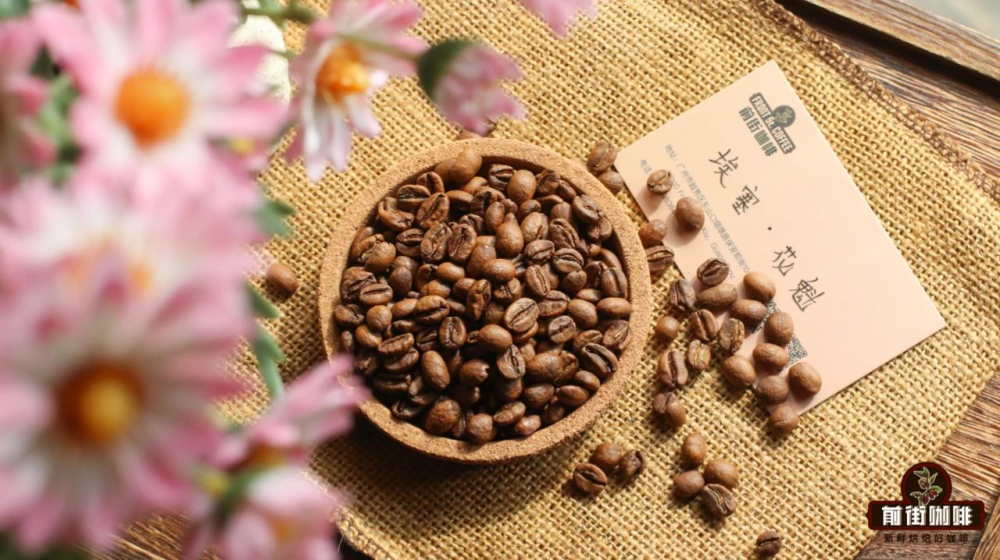
Huakui coffee beans come from the Buku Abel processing plant in the Hambela sub-region of the Guji region in Ethiopia, using the natural processing method. In 2017, the Ethiopian company DW sent the naturally processed coffee beans from the Buku Abel processing plant to that year's TOH competition, and with their rich strawberry-cream flavor, they won the championship of the natural group in the Ethiopian division of TOH. A green bean merchant in Beijing introduced the same batch of champion beans into China. Because that strawberry-cream flavor was so outstanding, they judged that as long as the post-harvest processing of the green beans continued to be optimized, this bean had a strong chance of becoming the next hit, so they placed high hopes on it and named it "Huakui," meaning "chief of all flowers."
In the same year, on the stage of the World Coffee Brewing Championship China division, almost all competitors were using the Geisha variety, but competitor Li Jianfei alone chose the same batch of Huakui coffee beans, ultimately achieving an excellent second-place result. When people asked further, they discovered it was Huakui coffee beans from Ethiopia, and Huakui became famous ever since.
After cupping and comparing Front Street's new-season Huakui coffee beans, it was found that they have a strawberry-cream flavor on entry, along with citrus and berry-type aromas, and a tea-like sensation in the aftertaste.
After all, one's own hands are not the hands of a barista. Even if the Huakui you drink in a café is delicious, once you get home you just can't replicate that flavor. Compared with the complicated pouring method of brewing, everyone turned their attention to the simplest brewing method—brewing Huakui coffee beans with a French press.
But then the problem arises: how should you brew it to avoid the Huakui coffee becoming bitter and astringent, and how can you get a delicious cup of Huakui coffee?
Front Street Coffee (FrontStreet Coffee) French Press Brewing Tutorial
Brewing device: French press
Water temperature: 90°C
Coffee dose: 15 grams
Coffee-to-water ratio: 1:15
Grind size: 70% pass rate on the Chinese standard No. 20 sieve
Step one: pour an appropriate amount of hot water into the French press to fully preheat it, then pour out the hot water.
Step two: add 15 grams of coffee grounds to the French press, then pour in 225 grams of 90°C hot water.
Step three: pull the plunger to the highest position, cover with the lid, and steep for 4 minutes.
Step four: after 4 minutes, gently and slowly press the plunger down to one quarter of the French press, pour out the coffee liquid, and you can enjoy a cup of coffee.
Following the above parameters and steps, the Huakui coffee brewed by Front Street delivers a mixed-berry aroma on entry, with an obvious compound berry juice sensation and a creamy mouthfeel, full and rich overall.
Huakui coffee beans are medium-light roasted, and after the coffee flavor substances come into contact with hot water, their release rate is relatively slow, so Front Street recommends using a higher water temperature to accelerate the release of flavor substances.
When producing coffee, Front Street usually uses a three-stage pouring method with a dripper for extraction. Since the poured hot water comes into contact with the coffee grounds for a relatively short time before dripping down into the server, Front Street generally uses a grind size of 80% pass rate on the Chinese standard No. 20 sieve when brewing Huakui coffee, which is a bit finer than that used for the French press.
However, brewing coffee with a French press ultimately belongs to an extraction method of long soaking in relatively high-temperature hot water. To avoid the bitterness brought by over-extraction, Front Street recommends using a coarser grind size, namely 70% pass rate on the Chinese standard No. 20 sieve. A coarser grind means the coffee particle size becomes larger, and the overall contact area with hot water decreases accordingly. If the grind is too fine, it easily causes over-extraction; if the grind is too coarse, it easily causes under-extraction, resulting in a taste as bland as water, or even a noticeable sourness.
The above content is compiled by CoffeeHunters, a coffee news website.


