







How Do Sidamo and Yirgacheffe Coffee Producing Regions Differ?
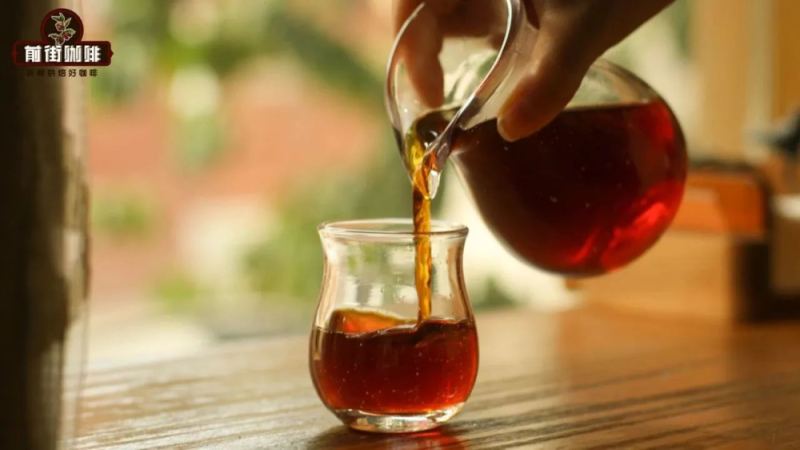
Sidamo coffees generally offer a fuller, juice-like body with rich floral and fruity aromas, while Yirgacheffe is known for bright citric acidity that not every drinker enjoys. The difference comes down to processing: Yirgacheffe leans on washed methods, and Sidamo more often uses natural processing, with Huakui coffee from Hambela being the most widely known example.
Ethiopia is the birthplace of coffee, and its regions, micro-regions, and farms can cup very differently, so arabica coffee bean character shifts noticeably from place to place. That range is why single-origin Ethiopian offerings are so numerous. Washed Yirgacheffe and naturally processed Huakui remain the two most popular picks among drinkers exploring these coffee producing regions.
Ethiopia, as the birthplace of coffee, has significantly distinct flavors across its producing regions. Yirgacheffe's bright citric acidity is classic, but not everyone can accept it. In contrast, coffee from the Sidamo region presents a fuller juice-like body and richness on the basis of floral and fruity aromas. This article systematically reviews the geographical environment, variety characteristics, and natural processing techniques of the Sidamo region, focuses on analyzing the origins and development of Hambela Huakui coffee, and provides practical brewing parameters from Front Street Coffee.
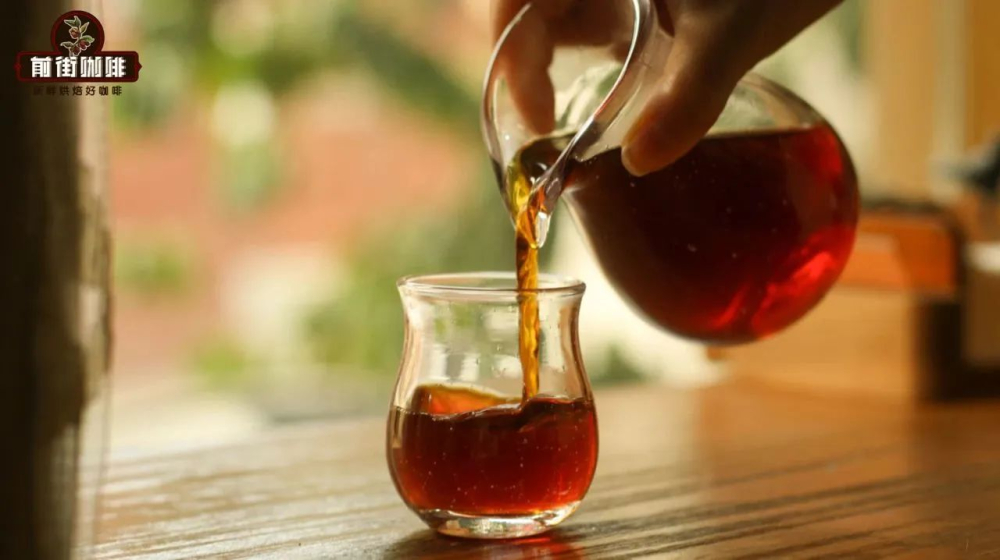
Some people find Yirgacheffe's acidity too sharp, yet at the same time want to keep the pleasant sensation brought by fruity acidity—are there other coffees to recommend? Front Street's view is: Yirgacheffe's bright citric acidity is indeed not something everyone can accept, but it remains the first choice for most enthusiasts. If you want softer acidity, Front Street will still prioritize recommending Ethiopian coffee. The reason is that Ethiopia is the birthplace of coffee, and its local coffee varieties are extremely rich, with very obvious flavor differences among different producing regions. Yirgacheffe is only one relatively representative flavor direction in Ethiopian coffee, while coffees from other regions often present a stronger juice-like sensation and fuller floral and fruity aromas on the basis of Yirgacheffe.
Yirgacheffe and Sidamo both belong to Ethiopia's well-known specialty coffee producing regions, but the two places have completely different orientations in processing methods. The Yirgacheffe region mainly uses washed processing, such as washed Yirgacheffe coffee and washed Kochere; while the Sidamo region more often uses natural processing, among which the most widely known is naturally processed Huakui coffee.
It is precisely because the differences among Ethiopia's coffee producing regions are so great that the cupping performance of each region, micro-region, or even specific farm can be completely different. Therefore, Front Street Coffee has the largest number of Ethiopian single-origin coffees, with more than a dozen single origins, trying to let everyone taste the coffee flavors of multiple regions. Among them, washed Yirgacheffe coffee and Huakui coffee are the most popular! It is also because Ethiopia is called the world's coffee gene bank that no matter which region it is, as long as it is Ethiopian Arabica coffee beans, it is irresistible.
Sidamo Coffee Producing Region
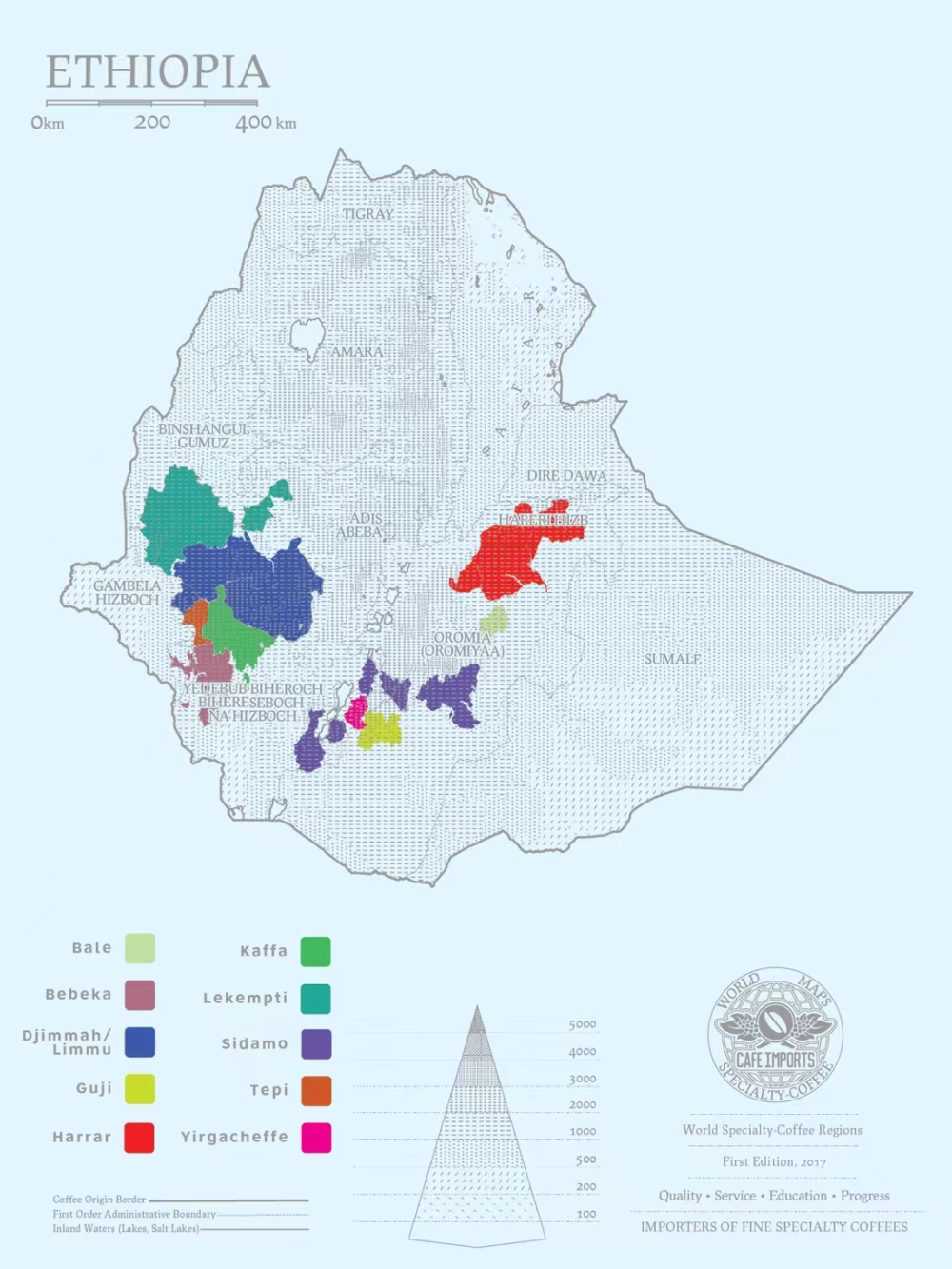
Sidamo is located in southern Ethiopia and is a famous specialty coffee producing region, with an altitude range of 1,400 to 2,200 meters, adjacent to Kenya. The outstanding feature of coffee beans from this region lies in their extremely diverse flavors—different soil types, microclimatic conditions, and a large number of unclassified native varieties make the coffee produced in each town show significant differences in flavor. Front Street believes: Sidamo coffee's full juice-like sensation and floral and fruity aromas are inseparable from the local climate and environment.
From 2010 to 2012, the Sidamo region continuously received high scores of 92 to 94 points on CR, an authoritative American coffee evaluation website, which shows the excellence of the green bean quality in this region. The region has rich landforms, covering towering mountains, highlands, plateaus, valleys, and plains, among other terrains. The soil is fertile volcanic soil with good drainage, with a depth of nearly two meters, and the surface layer is dark brown or brown. The greatest advantage of this area is that soil fertility is maintained through the circulation of organic matter—fallen leaves from surrounding trees and residual plant roots naturally decompose and become natural fertilizer. The high-altitude conditions give Sidamo coffee outstanding flavor performance.
The most well-known coffee-growing areas in the Sidamo region include Guji and West Arsi. The Guji producing area is located southeast of the Yirgacheffe producing area, with terrain mainly consisting of towering mountains, valleys, and plains, and fertile black soil. The higher altitude brings obvious temperature differences between day and night, so the Sidamo coffee produced here is extremely distinctive.
Hambela Producing Region
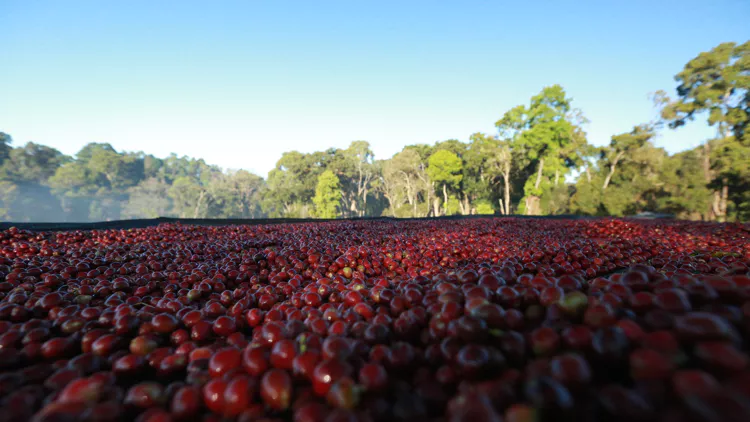
What we often call Huakui coffee comes from the Hambela producing region in Sidamo. Chinese green bean merchants gave this Hambela coffee the name "Huakui." Front Street believes: judging from the coffee's name alone, this coffee bean seems beautiful and carries high expectations. Hambela is separated from Yirgacheffe Kochore by mountains to the west, and borders other Guji sub-regions Shakiso, Uraga, and Kercha to the southeast, north, and south respectively.
In the Hambela mountains, villagers live deep in the mountains at an altitude of 2,000 meters, and their living conditions are relatively backward. At present, there are about 20 processing plants of various scales in the Hambela producing region, and the Huakui coffee beans that made the Guji producing region famous come from the Buku processing plant. The Buku processing plant is located in Buku Abel village at an altitude of 2,200 meters. From the very beginning of cultivation, it was given a noble "family environment"—humus-rich red-brown soil, and was shaded and cared for by "Enset" trees, allowing Huakui to receive sufficient sunlight and develop rich flavors while not consuming too many nutrients, thereby retaining more essence inside the coffee cherries. During the harvest and processing season (December to January), its unique growing environment and natural climate create Huakui's unique flavor.
Huakui's Coffee Variety
As the gene bank of coffee, Ethiopia has a great variety of coffee varieties, and identification and classification are difficult. In addition, the Ethiopian government is unwilling to disclose information about these varieties out of protection for natural coffee, so in many cases the coffee bean varieties exported by Ethiopia are collectively called "Heirloom" native varieties, and the coffee beans from the Sidamo producing region are also local native varieties.
Sidamo Coffee Natural Processing Method
Do not be misled by washed Yirgacheffe coffee into thinking that all Ethiopian coffee is washed. Front Street tells everyone: in fact, Ethiopia is mainly based on natural processing, and even now, Ethiopia's natural processing method still accounts for about 70% of the country's production. After the introduction of the washed method in 1972, over several decades, the usage rate of the washed method became much higher than that of the natural method. Front Street believes that washed coffee beans reduce defects and are cleaner and more transparent in flavor expression. It is precisely because washed coffee has a cleaner, brighter flavor and can better reflect local characteristics that Front Street chooses washed coffee beans as the main representation of the coffee flavors of various producing countries.
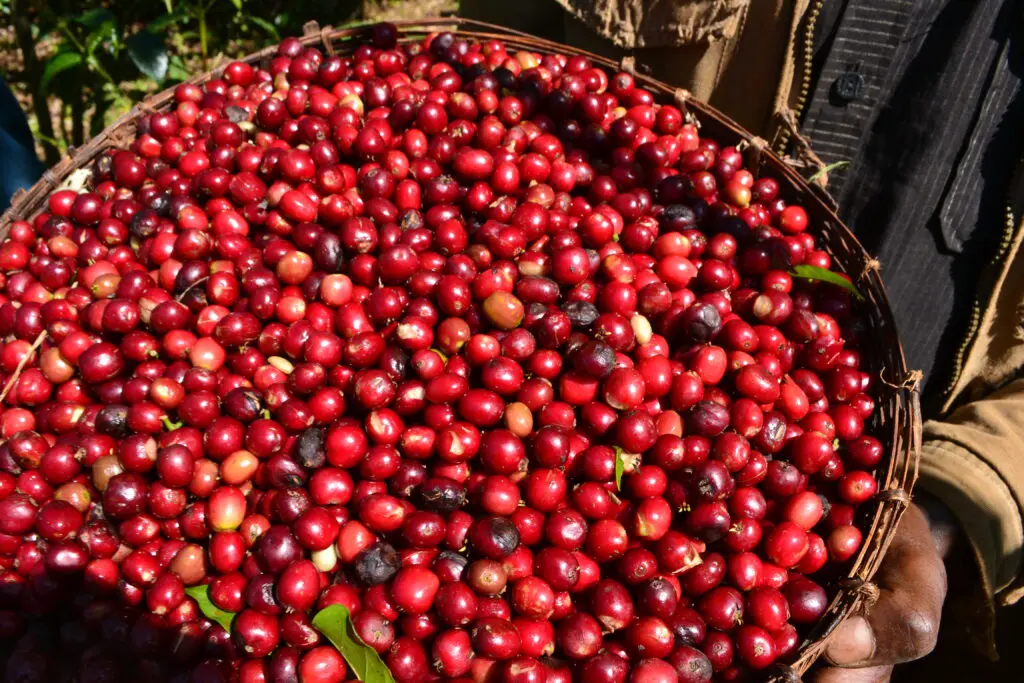
The natural method in the Sidamo coffee producing region is very particular. During the coffee harvest season, only ripe coffee cherries are picked. After picking, the coffee cherries are uniform in size, similar in ripeness, and free of other impurities. During processing, strict hand sorting must first be carried out to remove defective beans, and then the red coffee cherries are spread flat on raised wooden racks or entire drying sheds for natural drying to prevent the coffee cherries from becoming moldy during drying or absorbing bad odors such as soil. During the sun-drying process, they are constantly turned to ensure even drying so that the coffee beans can dehydrate evenly under exposure; every three to five days, farmers manually screen and remove defective and moldy beans. After the fruit skin dries and hardens, a huller is used to remove the dry hard fruit skin. After obtaining green coffee beans, in pursuit of a perfect taste, farmers will do one final screening, thus reaching the highest grade G1.
After Huakui coffee beans became famous, the Buku processing plant successively launched Huakui 2.0 coffee beans, Huakui 3.0 coffee beans, Huakui 3.1 coffee beans, Huakui 4.0 coffee beans, Huakui 5.0 coffee beans, and Huakui 6.0 coffee beans. Why distinguish them? Front Street believes: coffee beans are actually a kind of agricultural product, so of course their flavor will change with changes in climate and environment. Of course, the main flavor of coffee will not change, only slight changes will occur. Naming them this way is also to better distinguish the coffee beans of each year.
Front Street Brewing Suggestions:
If you want to brew a delicious cup of coffee, it is inseparable from the freshness of the coffee. Front Street believes that the freshness of coffee beans is a very important part; fresh coffee beans allow you to feel the rich flavors of coffee to the greatest extent. The coffee beans shipped by Front Street Coffee are all within 5 days of the roasting time, because Front Street deeply understands that the freshness of coffee beans has a great impact on flavor. Front Street's roasting purpose is "freshly roasted good coffee," so that every customer who places an order receives the freshest coffee when they get it. The resting period for coffee is about 4-7 days, so when customers receive it, it is exactly at its best flavor.
Of course, some customers need Front Street to help grind the coffee, and that is fine too, but Front Street must remind you: if the coffee beans have been ground in advance, there is no need for further resting, because during transportation, the pressure generated by carbon dioxide inside the package can also make the coffee flavor rounder, so once you receive the ground coffee, you can immediately brew a cup and drink it. However, ground coffee needs to be brewed promptly, because after ground coffee contacts the air, it oxidizes relatively quickly, meaning the coffee's flavor will dissipate relatively quickly and the coffee will not taste as good. Therefore, Front Street recommends buying whole beans and grinding fresh before brewing, so that you can better taste the coffee's flavor.
Front Street's Parameters for Brewing Sidamo Coffee:
V60 dripper, water temperature 90℃, water-to-coffee ratio 1:15, coffee dose 15g, grind size (80% passing through China standard No. 20 sieve)
Use staged extraction, with 2 times the coffee dose of water for blooming, that is, 30 grams of water for 30 seconds. The reason the blooming process is needed is to allow the coffee grounds to release internal carbon dioxide gas, thereby making the later extraction more stable. Pour water in a small stream in circles until 125 grams, then pause, continue pouring until 225 grams, then stop. After the water in the dripper has dripped through, remove the dripper. Start timing from the beginning of pouring; the extraction time is 2'00". Next, pick up the whole cup of coffee and swirl it evenly, then pour it into a cup to taste.
[Flavor characteristics of Huakui 5.0]: floral aroma, sweet and sour notes of berries, citrus, and plum, mango juice, honey, with a finish of black tea-like sweetness and fragrance.
[Flavor of naturally processed Arsi coffee]: berry juice-like mouthfeel at high temperature, and after gradually cooling, a finish of plum, nectarine, mango, and honey.
Of course, although Front Street Coffee has more than a dozen Ethiopian single-origin beans, it also has dozens of other single-origin coffees from other producing countries and regions. Welcome to Front Street Coffee to experience them together!
For professional coffee knowledge exchange and more coffee bean information, please follow Coffee Workshop (WeChat public account cafe_style)
For more specialty coffee beans, please add the private WeChat Front Street Coffee (FrontStreet Coffee), WeChat ID: qjcoffeex
The above content is compiled by CoffeeHunters, a coffee news website.


