







How does grind size change how to use a drip coffee maker?
The main reason drip coffee tastes flat is grind size that does not match the machine. Baristas at Front Street Coffee ask what equipment a customer brews with before grinding, and for an American-style drip coffee maker they set the grinder to a pour-over coarseness. That single adjustment controls extraction time and extraction yield, so the cup stops tasting thin or sharp.
Grind coarseness sets how much surface area water meets. Fine grounds extract fast and heavy, coarse grounds extract slowly and lightly. Too fine and the cup turns intense and sharp from over-extraction; too coarse and it turns bland, thin, and sharply acidic. The article also covers roast-level bean choices and a step-by-step run through a De'Longhi drip machine.
Got a drip coffee maker at home but always feel the coffee it brews is missing something? The problem very likely lies in the grind size of the coffee grounds. Drawing on daily experience from Front Street Coffee's stores, this article explains clearly why grind size needs to match the extraction equipment, how the fine/medium/coarse three tiers are divided, how to choose beans of different roast levels, and gives three specific recommendations: Front Street Natural Red Cherry, Front Street Blue Mountain, and Front Street PWN Golden Mandheling. At the end, it will also walk you step by step through operating a De'Longhi drip machine and, along the way, clarify the origins and taste differences between espresso and Americano, so you can understand drip coffee once and for all.
Many customers at Front Street Coffee (FrontStreet Coffee) physical stores, when buying coffee beans and lacking a grinder at home, ask the barista to pre-grind them into powder. In such cases, Front Street's baristas usually first ask in return: what equipment do you normally use to extract coffee? The answer is mostly an American-style drip coffee maker. Once confirmed, the barista adjusts the grinder's setting to the same coarseness as for pour-over coffee and then begins grinding. Why should grind size follow the extraction equipment? There is actually a reason behind this.
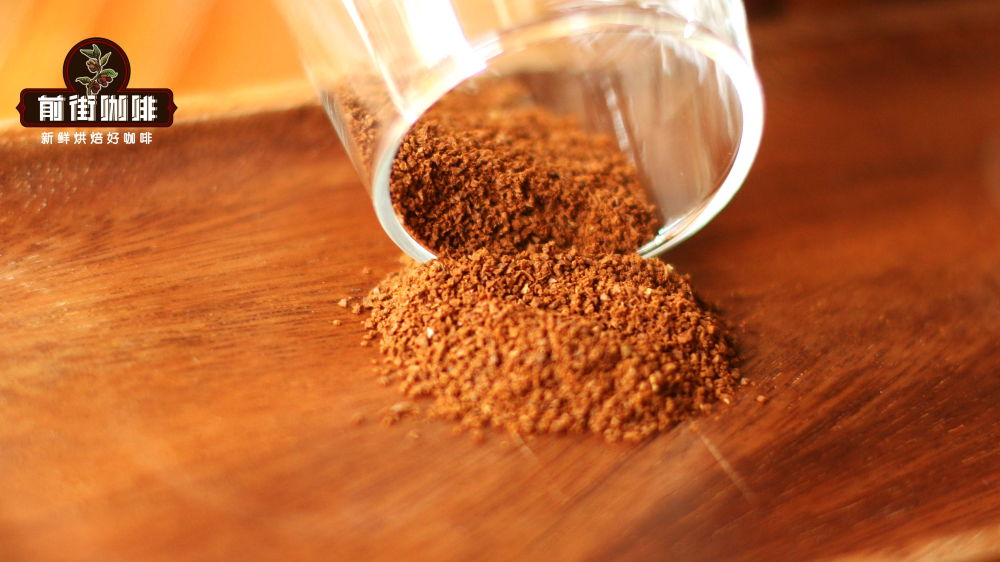
Front Street has always believed that every coffee brewing method corresponds to a different grinding standard, because the coarseness of the grounds directly determines two key variables: extraction time and extraction yield. In plain terms: the finer the coffee beans are ground, the larger the surface area of the grounds, and the faster and greater the amount of flavor substances carried out when water passes through; conversely, the coarser the grind, the smaller the surface area, the slower the extraction speed, and naturally the less substance dissolves in the same amount of time.
But if ground too fine, with other conditions unchanged, excessive flavor components will dissolve into the cup, making the taste unusually intense and sharp—what people commonly call "over-extraction." Conversely, if the grounds are too coarse, it easily causes "under-extraction," because not enough flavor substances are drawn from the coffee grounds, and it often tastes bland, thin, and even sharply acidic.
International convention divides coffee grind size into seven levels: Extra coarse, Coarse, Medium-coarse, Medium, Medium-fine, Fine, Extra Fine, corresponding in turn to cold brew, French press, pour-over, drip coffee maker, AeroPress, moka pot, espresso machine, Turkish coffee, and other methods.
Front Street doesn't want to make things too complicated, so here we'll just give you three tiers: fine, medium, and coarse, with sieving rates through a No. 20 standard sieve of approximately 80%, 75%, and 70% respectively. Espresso machines and moka pots belong to the fine grind camp, and the reason isn't hard to understand: under high temperature and high pressure, water passes through the coffee bed extremely quickly, so only by grinding fine can you slow the water flow and extend the contact time between water and grounds, thereby extracting as much flavor as possible. Pour-over coffee and drip machines, on the other hand, suit medium to coarser grinds, and the specific choice also depends on the beans' roast level.
Customers who come to Front Street to buy beans often ask what difference roast level actually makes. Broadly speaking, light-roasted beans more easily highlight floral notes and fruity acidity, medium roasts have a more balanced flavor with prominent nutty tones, and dark roasts mainly feature body and chocolate notes. So which Americano coffee beans does Front Street recommend? Actually, drip machines aren't picky about roast level—it all depends on personal taste preference. If you prefer a light-roast style, the first thing Front Street thinks of is Front Street Natural Red Cherry; this Front Street Yirgacheffe from Ethiopia has excellent sweetness, with very distinct citrus and berry notes.
Front Street Blue Mountain coffee has always been one of Front Street Coffee's (FrontStreet Coffee) proudest offerings. An excellent growing environment plus strict export standards make true Blue Mountain especially scarce. The Front Street Blue Mountain coffee selected by Front Street comes from Jamaica's Clifton Mount Estate, which holds Rainforest Alliance certification; its acidity, sweetness, and bitterness are balanced just right, and Front Street processes it with a medium roast to preserve as much of the smooth creamy texture and dark chocolate flavor as possible.
For dark roasts, what Front Street most wants to recommend is Front Street PWN Golden Mandheling, which can be called the classic standard-bearer on Front Street's dark-roast bean list. Golden Mandheling beans are uniform in size, generally around 19 screen size, and have undergone one machine sorting plus three rounds of hand sorting—a clear indication of how precious they are. Here Front Street also offers a reminder: some friends feel after drinking Golden Mandheling that "it doesn't seem that good after all," and there are only two reasons—either you simply don't much care for Mandheling's taste, or you bought a fake. The Front Street Golden Mandheling on Front Street's bean list comes with a PWN factory certificate, and the packaging uses gunny sacks printed with the PWN logo; if you have doubts about Golden Mandheling sold by others, you might ask the seller to show the above proof.
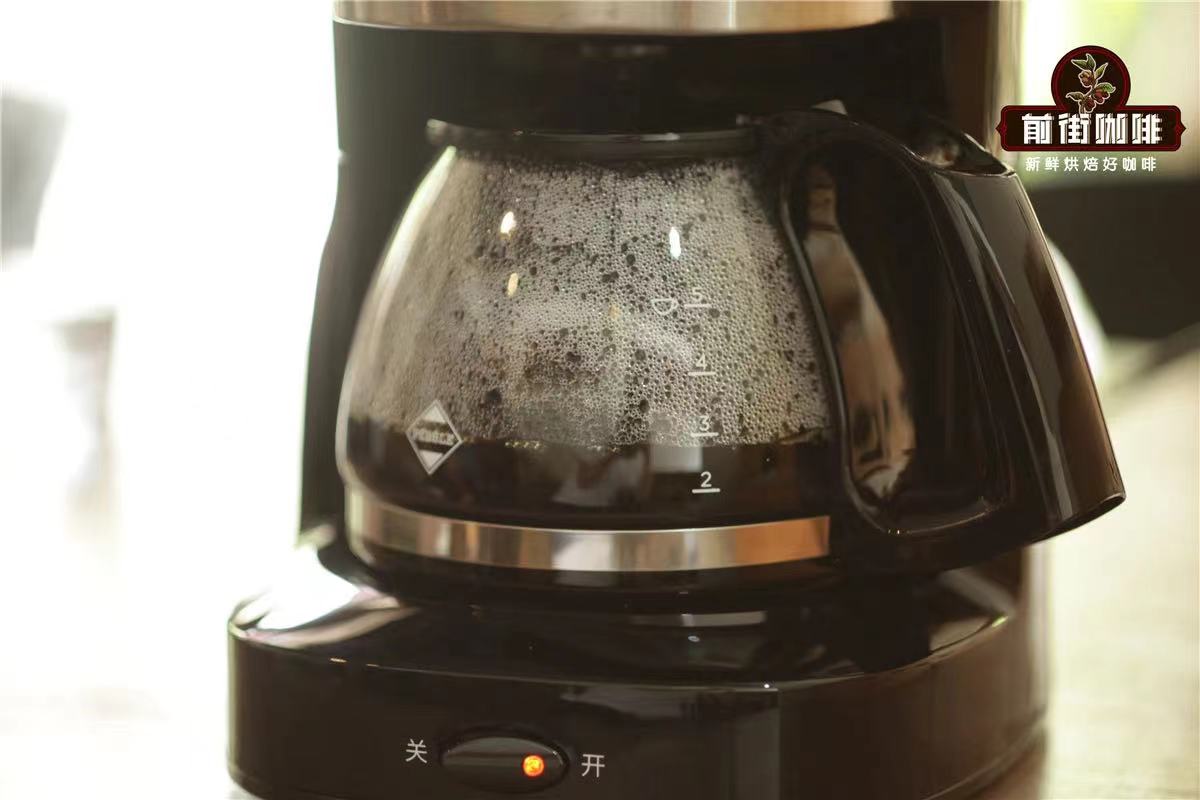
Having discussed Americano coffee beans, Front Street will now teach you how to operate an American-style coffee machine, using a De'Longhi drip machine as an example. After powering on, use the scoop to put an appropriate amount of coffee grounds into the filter basket (depending on your needs); usually 5 grams of grounds to 100 grams of water, though of course you can adjust flexibly to your own taste. Fill the water tank, close the lid, press the start button, and the machine begins extracting—operation is just that simple.
We all know that besides the drip method, there is another kind of Americano made by adding water to espresso. So which tastes better, espresso or Americano? And where do they differ in mouthfeel? This varies from person to person. Front Street feels that an Americano made by diluting espresso is fuller-bodied, and the layer of crema on the surface adds complexity to the mouthfeel, making it taste richer; coffee made by a drip machine is another style altogether, with higher clarity.
At this point, some of you will probably ask: what exactly is the difference between espresso and Americano? Front Street's view is simple—espresso coffee equals Italian-style coffee, that is, European-style coffee; Americano coffee is American-style coffee. How are the two related? Front Street has mentioned this in many articles, and will briefly recap it here: in earlier years Americans mainly drank drip coffee, and during World War II American soldiers, unaccustomed to the intensity of espresso, diluted the espresso with water; later, to cater to American tastes, it gradually became fixed as the "Americano" way of drinking, namely espresso plus water. Traditional Italian coffee, besides espresso itself, can also have sugar and milk added, evolving into lattes, cappuccinos, and many other types.
The above content is compiled by CoffeeHunters, a coffee news website.


