







Which coffee beans suit a moka pot and how should they be brewed?
A moka pot pushes hot water up through the grounds under steam pressure, producing a concentrated cup with acidity, bitterness and a thin layer of crema. Medium-dark roasted beans handle that pressure best. The steps that matter most are filling the lower chamber to the valve, leveling the grounds without tamping, and cutting the heat once the flow turns pale.
Two blends often recommended for the moka pot are a classic Italian blend with nut, butter, chocolate and caramel notes, and a fruitier Italian blend drawing on Costa Rica, Colombia and Ethiopia, including Geisha, with grape and strawberry gummy sweetness and low bitterness. The pot itself dates to 1933, designed by Italian Alfanso Bialetti and still common in Italian home kitchens.
Since its introduction in 1933, the moka pot has been a staple in Italian home kitchens. It extracts coffee using steam pressure, and while simple to operate, it hides many details. To make coffee brewed in a moka pot taste smoother, choosing the right coffee beans and mastering the brewing rhythm are equally important. This article starts with beans suitable for the moka pot, recommending two options: Front Street. Classic Italian Blend and Front Street. Strawberry Candy Italian Blend, then breaks down step by step the key operations of adding water, distributing grounds, heating, and turning off the heat, and organizes precautions such as water level control, burn prevention, and heat adjustment, helping you avoid common mistakes and consistently make a rich, crema-topped moka coffee at home.
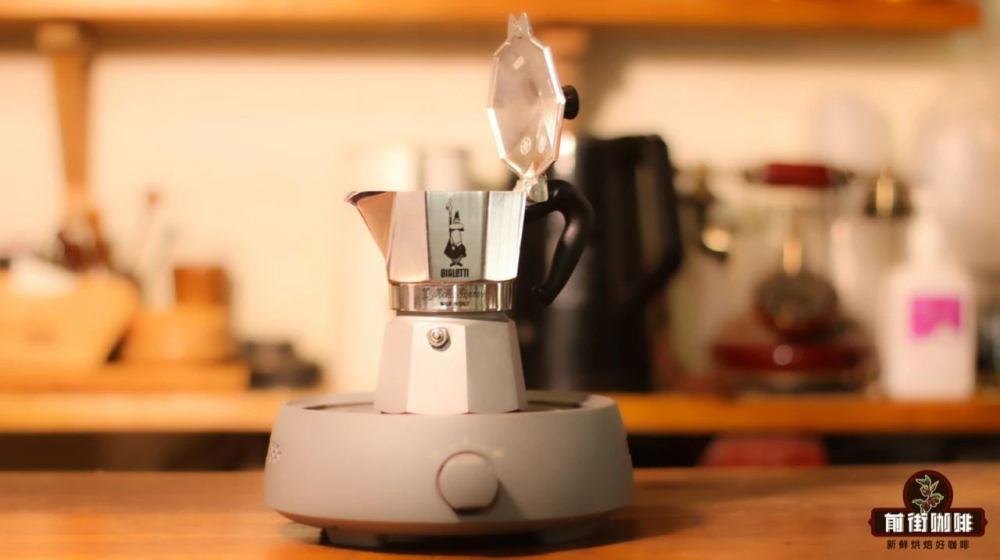
The birth of the moka pot can be traced back to 1933, designed by the Italian Alfanso Bialetti. It completes coffee brewing by heating the base, belongs to the distillation-style equipment category, and is the most affordable among many Italian coffee devices, found almost everywhere in Italian homes.
What coffee beans are suitable for the moka pot?
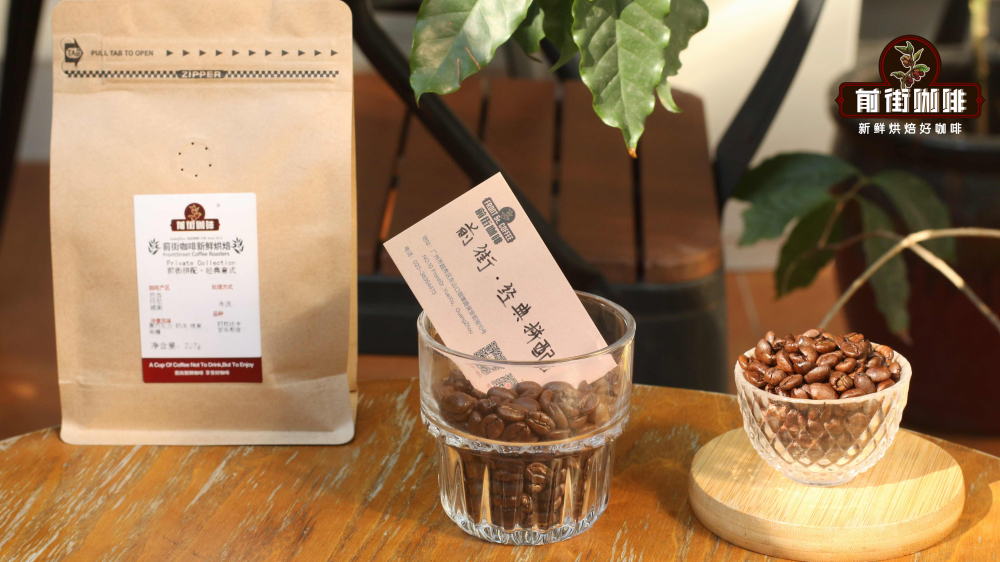
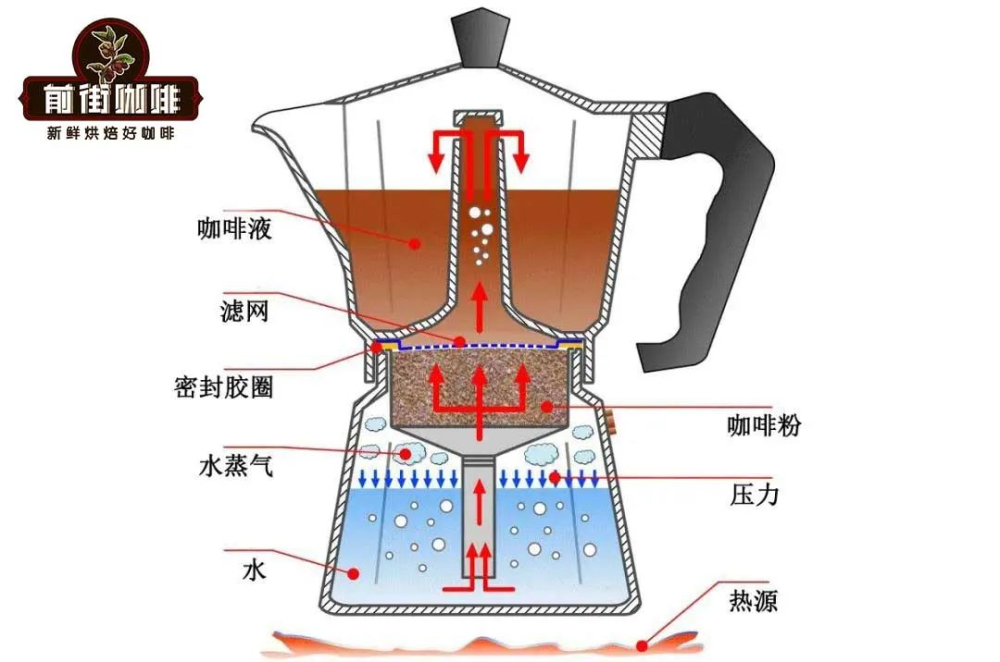
The extraction principle of the moka pot is not complicated: after the lower chamber is heated, it generates steam pressure. When the pressure is enough to penetrate the coffee grounds layer, the hot water is pushed up into the upper chamber. The coffee brewed this way is high in concentration, with both acidity and bitterness, and has a layer of crema on the surface, so medium-dark roasted beans are more suitable. The top recommendation is Front Street. Classic Italian Blend, with flavor notes of nuts, butter, chocolate, and caramel.
If you prefer a fruity gummy-like profile, you can try Front Street. Strawberry Candy Italian Blend coffee. This bean brings together three producing regions: Costa Rica, Colombia, and Ethiopia, including the Geisha variety with its intense floral aroma. Used for moka pot coffee, it has low bitterness while retaining good crema and a dense mouthfeel, and also carries sweet-and-sour flavors similar to grapes and strawberry gummies, making it very friendly to those who cannot accept bitter coffee.
Brewing steps for the moka pot
Prepare the equipment: moka pot, gas stove with a stove rack (or induction cooker), coffee beans, grinder, water.
1. Pour purified water into the lower chamber of the moka pot, keeping the water level about 0.5cm below the pressure relief valve.
2. The grind size should be slightly coarser than for espresso. You can judge by referring to the size of the filter screen gaps in the grounds basket to ensure the coffee particles do not leak into the lower chamber. Slowly pour the coffee grounds into the basket, tap lightly a few times to distribute them evenly, and after the mound of grounds forms a small hill shape, level the surface using a distribution method.
The purpose of filling the basket is to avoid undesirable defect flavors. The more consistent the density of the coffee grounds in the basket, the more you can avoid local over-extraction or under-extraction; otherwise, it is easy to cause uneven flavor or even bitterness.
3. Place the basket into the lower chamber, tighten the upper and lower parts of the moka pot, and place it on the electric ceramic stove over high heat.

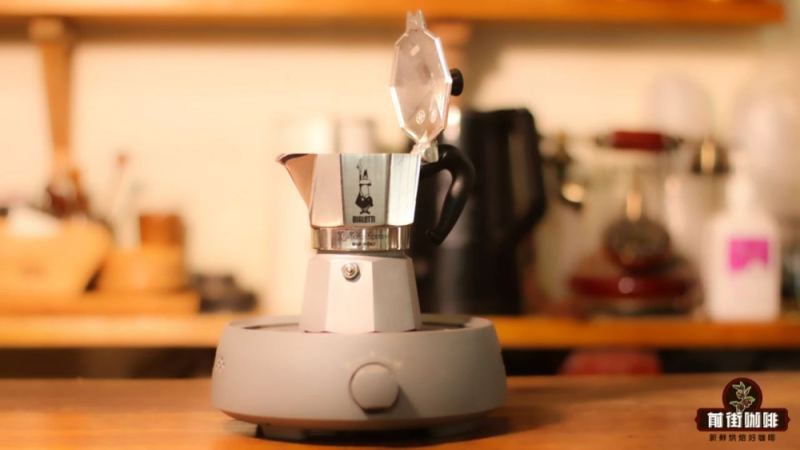
4. After the pot body heats up to a certain degree, it will make an obvious "whooshing" sound. At this point, turn the electric ceramic stove to low heat and lift the lid of the upper chamber.
5. When you see about half of the coffee liquid has flowed out into the upper chamber, turn off the electric ceramic stove. The remaining coffee liquid will be "pushed" into the upper chamber by the residual heat of the pot body and internal pressure.
6. Once all the coffee liquid has been extracted into the upper chamber, pour it into a cup and enjoy. Coffee made with a moka pot is very rich and can also extract Crema, with a taste closest to espresso, and it can also be mixed with water or milk like espresso.
Precautions for using the moka pot:
1. When filling the lower chamber with water, the water level must not exceed the pressure relief valve.
2. The pot body is very hot after heating, so do not touch it directly with your hands to avoid burns.
3. If the coffee liquid spurts out explosively, it indicates the water temperature is too high; conversely, if the flow rate is too slow, it indicates the water temperature is too low, and you need to turn the heat up a bit more. 4. Safety aspect: because there is pressure inside the pot, pay attention to heat control during the brewing process.
The above content is compiled by CoffeeHunters, a coffee news website.


