







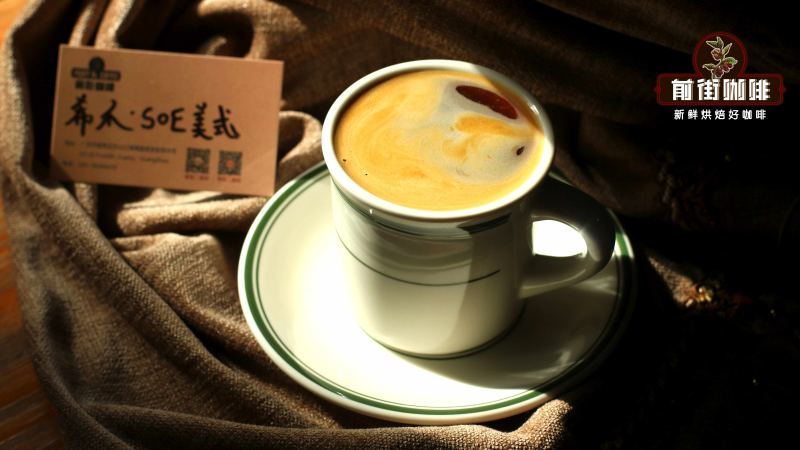
What does SOE coffee mean on a cafe menu?
SOE stands for Single Origin Espresso, an espresso pulled from beans grown in one place rather than a blend of several origins. It became widely known after the 2007 World Barista Championship winner used a single-origin espresso, and it has since spread through specialty cafes. An Americano made with single-origin beans is not automatically sour; the acidity depends on the bean, roast level, and extraction.
Single-origin espresso is harder to keep consistent than a blend, because coffee is an agricultural product that shifts with season and climate. Blends were developed partly to smooth out those differences. The trade-off is clarity: an SOE can show a region's terroir more vividly, which is why many cafes list it as a distinct option.
Today, as the specialty coffee wave sweeps across the country, the term SOE frequently appears on café menus, yet many enthusiasts still have only a vague understanding of it. SOE stands for Single Origin Espresso, forming a sharp contrast with the traditional Italian blend approach. Can it really taste better than blended espresso? Will an Americano made with single-origin beans be so sour it's hard to drink? And is Huakui, pursued by many pour-over enthusiasts, suitable for making SOE Americanos and lattes? This article will analyze the definition of SOE, its development trajectory, the logic of bean selection, and specific brewing parameters, while combining several Front Street Coffee beans suitable for making SOE to help you consistently present a cup of single-origin espresso with clear flavor and balanced acidity at home or in-store.
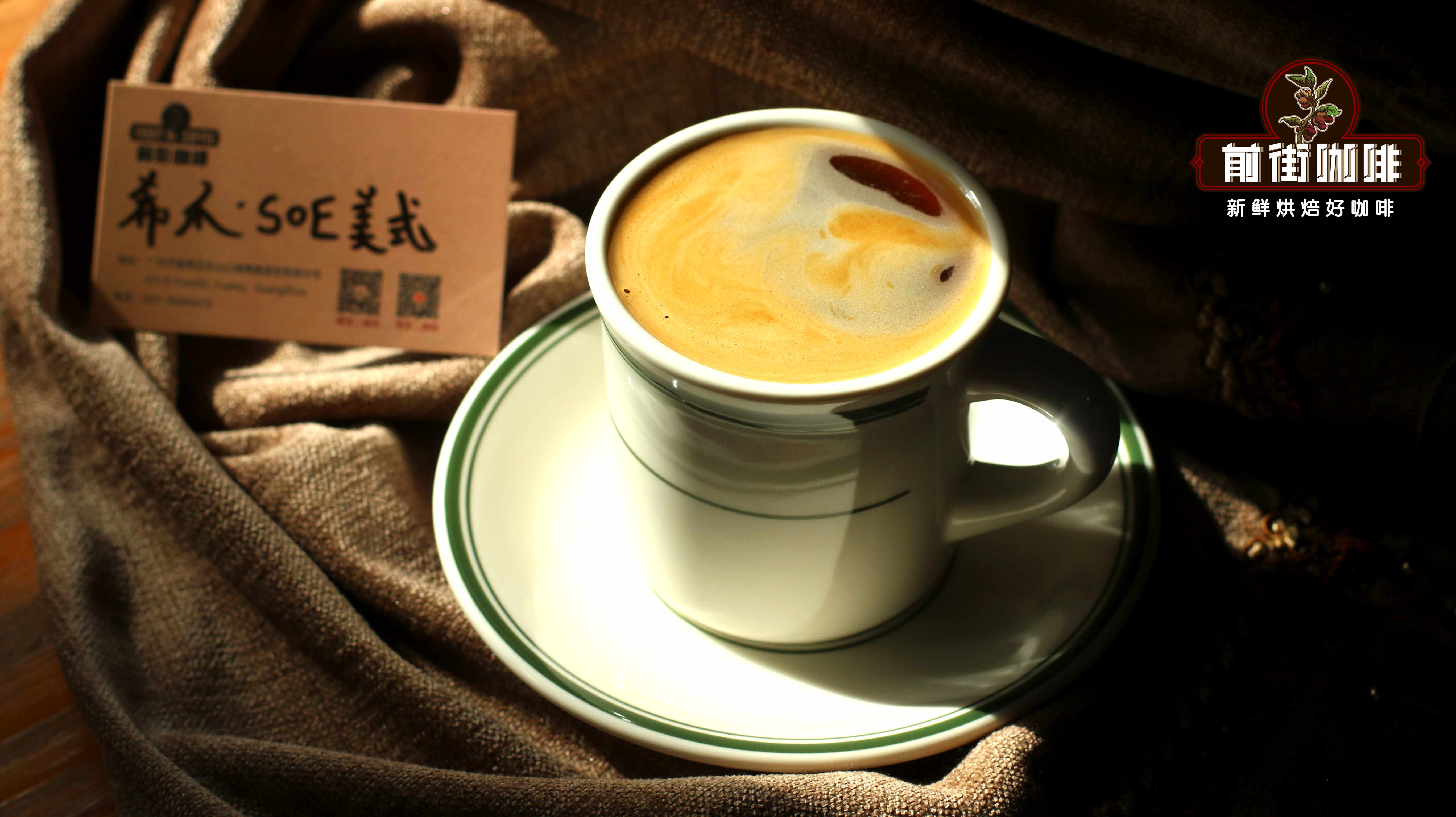
When you walk into a café, have you ever been warmly asked by a barista: Would you like to try our SOE? Hearing this term for the first time, most people are inevitably confused—what exactly does SOE mean? Does it really taste superior?
What is SOE?
SOE, short for Single Origin Espresso, refers to espresso extracted from single-origin coffee beans. Since the 2007 WBC champion won against all blended competitors with espresso made from single-origin beans, SOE has been popular overseas for over a decade, with a quite mature system. In contrast, this trend only emerged in China in recent years, partly because specialty coffee culture had not yet spread widely at the time, and partly because consumers had not yet developed the corresponding drinking habits.
Today, more and more cafés are starting to extract espresso from single-origin beans. First, single-origin beans can more vividly showcase the terroir and layers of the producing region, aligning with the public's expectations for specialty coffee; second, many domestic chain brands use SOE as a selling point to convey the unique appeal of specialty coffee.
Is espresso made from single-origin beans necessarily better than blended beans?
Not necessarily. Keeping every cup of SOE espresso consistent is itself an extremely difficult task. Coffee beans are ultimately agricultural products that fluctuate with seasons, climate, and other factors, so consistency inevitably deviates.
Traditional Italian coffee usually uses specially blended beans, mostly roasted between medium and medium-dark. Because it combines different origins and varieties, the beans complement each other, forming richer crema and a fuller body, keeping regular offerings like Americanos and lattes stable while also being cost-effective. Whether for home use or opening a shop, if you seek stability, it is recommended to prioritize Front Street Coffee. Front Street Classic Blend, and the espresso moka pot coffee beans recommended by many baristas—Front Street Black Cocoa Blend.
In contrast, the single-origin beans used for SOE need to highlight the personality of the origin and variety, with more restrictions on roasting and extraction. First, the roast cannot be too dark, otherwise the coffee aroma will be suppressed; second, precisely because the roast is lighter, the beans are harder, making extraction more difficult, and a slight misstep will result in a cup of "sour water," wasting good beans.
Selection of SOE Coffee Beans
The core of coffee made in the SOE style lies in prominent flavor and high recognizability, so choosing single-origin beans with distinct flavors is ideal. Imagine if someone who prefers milk coffee tastes an SOE with a unique flavor and strong memorability—they will naturally remember it for a long time.
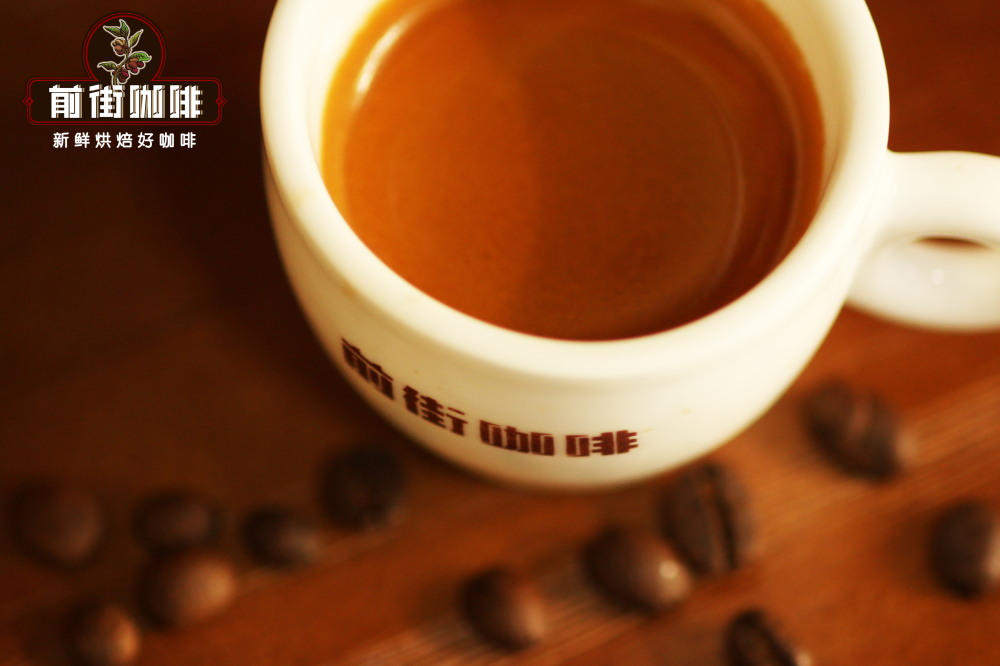
Therefore, when choosing beans for SOE, be sure to select beans with bold flavors, so that the espresso has abundant aroma without being masked by sourness or bitterness. In addition, light-roasted beans tend to present sharp acidity and a thin mouthfeel under pressurized extraction, so the roast level is best at medium or above, which helps achieve more stable extraction.
"Front Street Costa Rica Mozart SOE Coffee Beans"—after this medium-roasted bean is extracted into SOE, it presents the sweet aroma of dried fruit, pineapple, and raisins, along with red floral notes and berry-like sweet acidity.
"Front Street Brazil Queen's Estate SOE Coffee Beans"—after this medium-dark roasted bean is extracted into SOE, it presents the aroma of roasted peanuts and roasted nuts, along with dark chocolate-like richness and a caramel finish.
"Front Street Natural Huakui SOE Coffee Beans"—as a classic representative of African specialty coffee, Ethiopian coffee has long captured a large fan base with its elegant and complex floral and fruity notes, especially suitable for those afraid of bitterness. Unlike the light and delicate aroma of pour-over, Huakui SOE presents clear orange blossom, berry, and citrus flavors, with moderate acidity and sweetness on the palate, suitable for making small-volume SOE Americanos and SOE Flat Whites.
How to make a café-style SOE Americano?
Unlike the traditional rich bitterness, the charm of SOE Americano lies in its lower irritation, instead offering a lighter acidity and even floral and fruity notes, so when choosing beans, try to move in this direction. If you want an Americano full of juicy feel, you can buy Front Street Xizhua; the SOE Americano made with it will carry flavor characteristics of grapes, passion fruit, apricots, and floral notes.
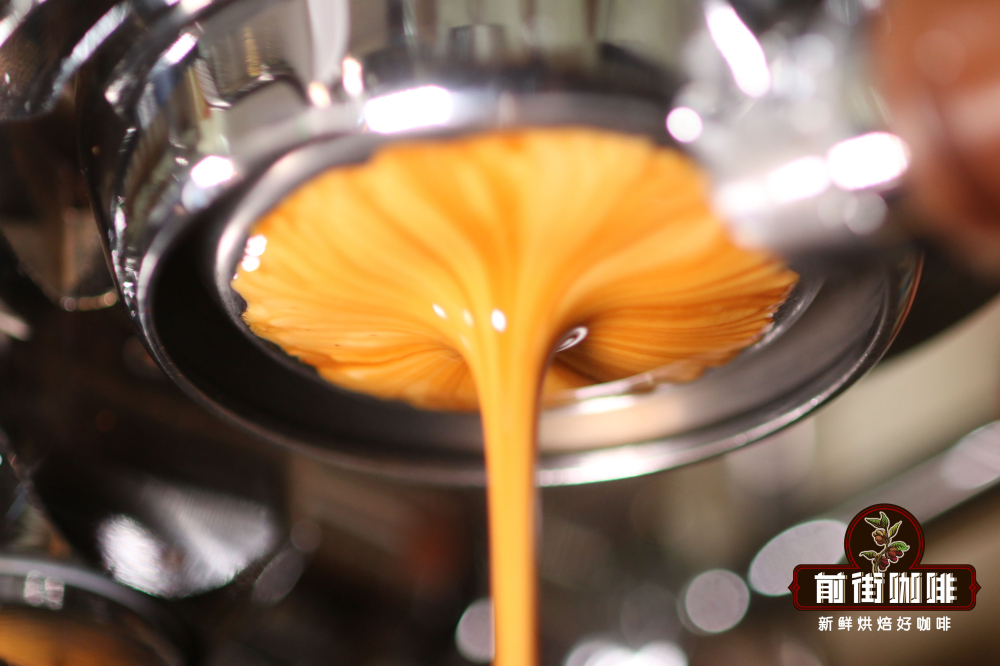
During extraction, control the powder-to-liquid ratio at 1:1.5, meaning 20g of coffee powder extracts 30g of coffee liquid, with an extraction time of 30 to 35 seconds. Then add 105ml of warm or ice water at a ratio of 1:3.5 to make Xizhua SOE Americano.
Under these parameters, the coffee ensures sufficient extraction yield without bringing out too much bitterness, and the flavors of grapes, passion fruit, and dried fruit are particularly prominent, with a quite full mouthfeel, as if drinking a glass of grape juice.
The above content is compiled by CoffeeHunters, a coffee news website.


