







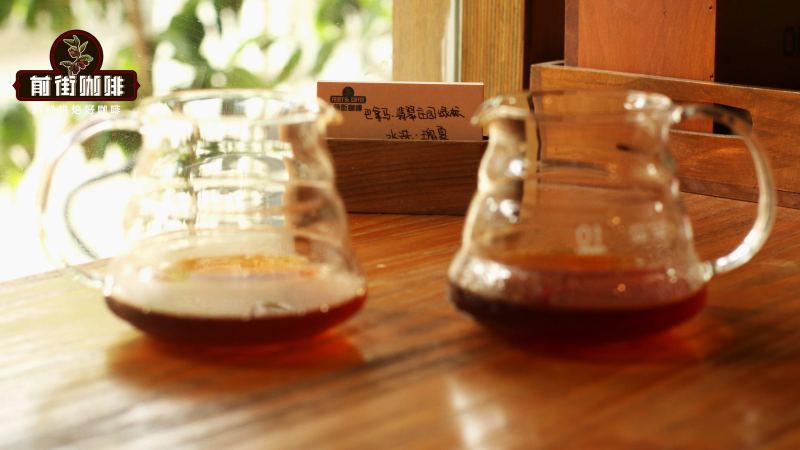
Is geisha coffee variety the same as Ethiopia's Yirgacheffe?
Geisha is a coffee variety, while Yirgacheffe is a producing region in Ethiopia, so the two are not the same thing. The geisha coffee variety was first found in 1931 in Ethiopia's Geisha forest, sent to a research institute in Kenya, then carried to Uganda and Tanzania in 1936, Costa Rica in 1953, and Panama in the 1970s.
The name comes from the forest, not from Japan, which is why it is written Geisha or Gesha. Geisha coffee beans are now grown in Panama, Ethiopia, Colombia, Costa Rica, and even Yunnan, and each origin gives a different cup. Yirgacheffe coffee comes from a specific Ethiopian region and shows its own floral and citrus character, so variety and origin should be judged separately.
Geisha coffee has long been a star variety in the specialty coffee world thanks to its unique flavor profile. But many people are still confused about its origins and its relationship with Ethiopia's Yirgacheffe. This article will start with the history of Geisha's discovery, trace its spread across different producing countries, and take an in-depth look at the core differences between Geisha and Yirgacheffe in terms of variety characteristics, growing environment, and flavor presentation. At the same time, drawing on Front Street Coffee's brewing experience, the article also shares extraction parameters and flavor descriptions suited to Geisha and Yirgacheffe, helping coffee lovers gain a more comprehensive understanding of what makes these two types of coffee unique.
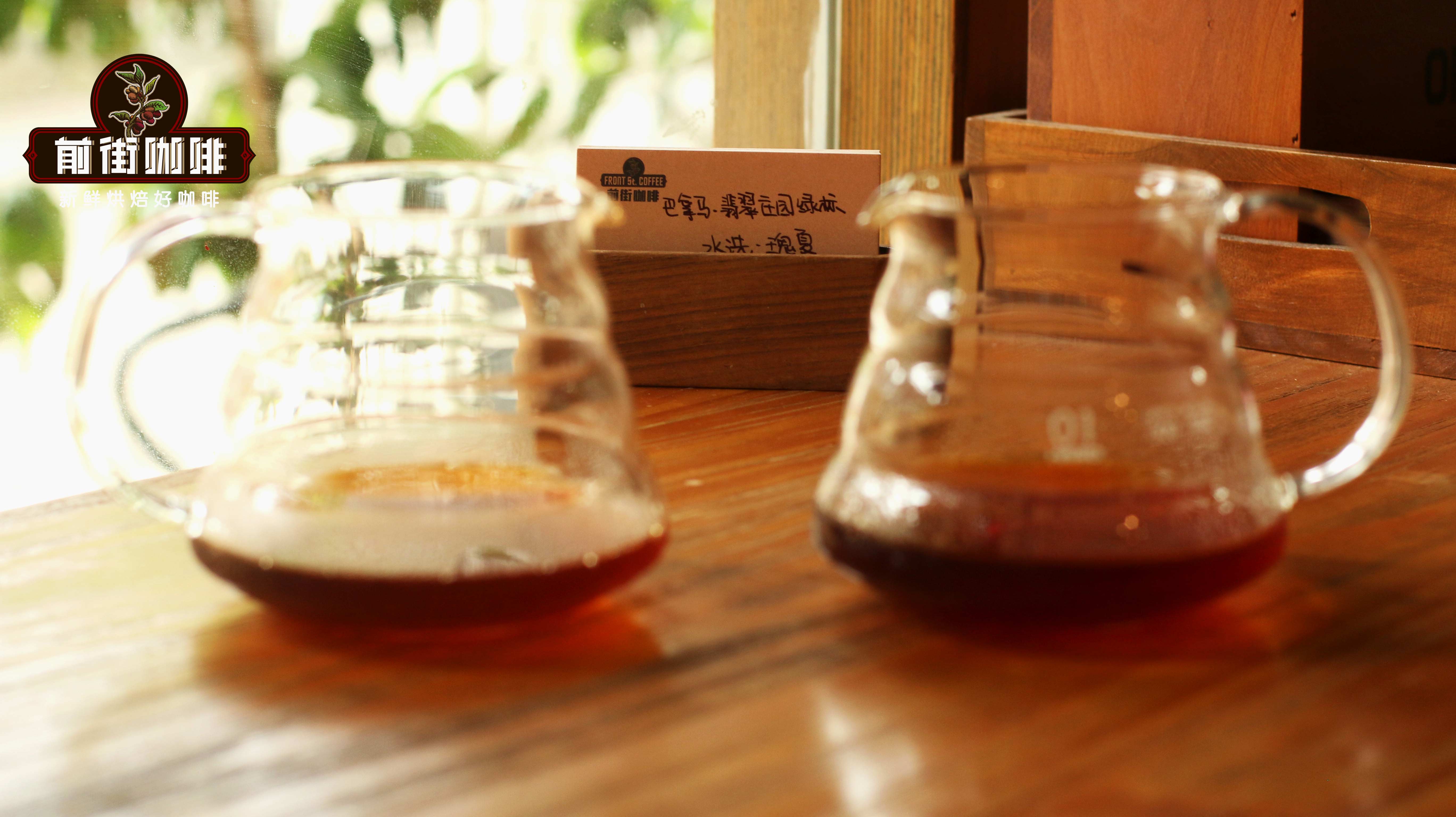
Geisha coffee is renowned in the specialty coffee world, and its flavor is highly praised, but have you ever wondered about the origin of its name? Coffee naming methods are actually quite diverse—some are named after the producing country or region, some after the estate, and Geisha belongs to the category of variety names. It is written as Geisha or Gesha in English, which happens to share the same pronunciation as the Japanese word for "geisha," so some people simply call it geisha coffee. In China, it is transliterated from Geisha as 瑰夏, a rendering that is both apt and elegant.
Geisha is grown in many places around the world, including Panama, Ethiopia, Colombia, and Costa Rica, and even Yunnan, China has seen the emergence of Geisha coffee , so are these all the same variety? Are there any differences between them? The original home of Geisha coffee is Ethiopia, and it later rose to fame at Hacienda La Esmeralda in Panama—so what differences exist between it and Ethiopia's Yirgacheffe coffee?
The Discovery Journey of Geisha
The Geisha coffee variety was first discovered in 1931 in the Geisha forest of Ethiopia, and was subsequently sent to a coffee research institute in Kenya. In 1936, it was introduced to Uganda and Tanzania, and in 1953 Costa Rica joined the list of countries that introduced it. Panama began cultivating it in the 1970s, after Mr. Francisco Serracín of Hacienda Don Pachi obtained seeds from CATIE in Costa Rica. Back then, Daniel continued cupping different harvest batches and recording the flavor performance of each batch one by one, which is how he noticed that one particular batch had a somewhat unusual flavor. The only way to identify the difference was to compare batch by batch.
After narrowing down the batch, he traced back the harvest date and area of that batch within the estate, comprehensively reviewed all the batch records again, and finally confirmed the actual harvest location of that batch, tracing it to a specific spot. Once the location was determined, he began observing the appearance, leaves, and fruit of the coffee trees one by one, and that was how Geisha was discovered. The facts are not as simple as outside rumors suggest—in other words, it took several times more effort and persistence than most people could muster for this legendary variety to be revealed to the world.
Geisha coffee went from an obscure plant to global fame today, and along the way it was introduced and cultivated by estates in multiple coffee-producing countries—truly a bumpy journey. Ethiopia is located in the Horn of Africa, a landlocked country and one of the most populous in the world. It is widely recognized as the birthplace of Arabica coffee, with a rich wealth of native varieties and a vast gene pool—many varieties simply cannot be found in other countries. Most Ethiopian coffee is grown by smallholders on their own small estates or in wild and semi-wild environments, with nearly 15 million people nationwide involved in growing and processing coffee beans. As the birthplace of Arabica coffee, the local history of consuming coffee dates back as early as the 10th century, when the earliest African nomadic peoples would mix coffee fruit with fat and spices to make a food that boosted alertness and replenished energy.
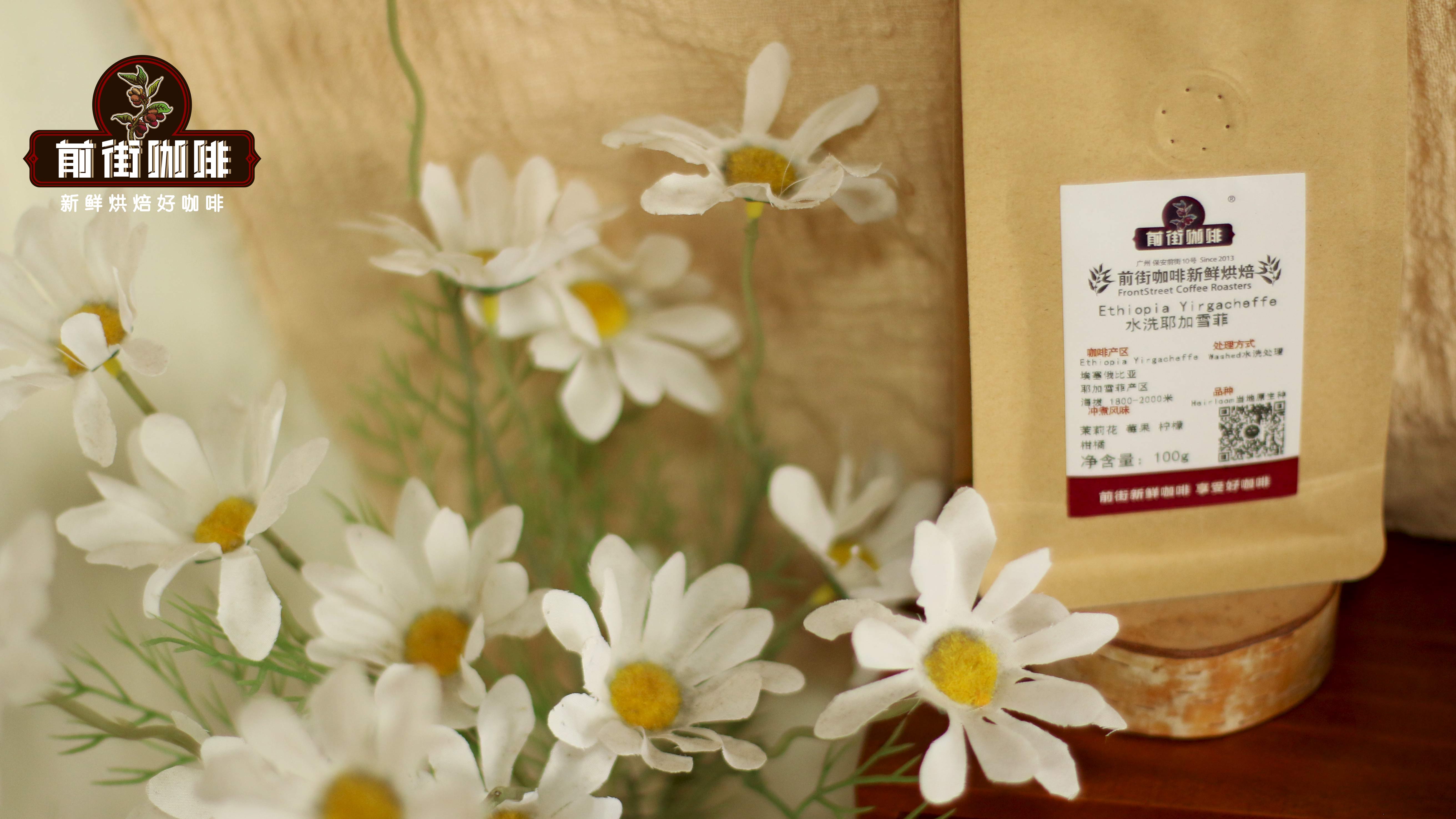
Ethiopian Yirgacheffe
The Front Street Yirgacheffe coffee region is located in Ethiopia and is a famous local specialty coffee region. Yirgacheffe is situated in Ethiopia on the African continent; Yirgacheffe itself is a small town within Gedeo, where "Yirga" means "to settle down" and "cheffe" refers to wetland, so together it means "let's settle down in this wetland." Yirgacheffe's altitude is quite high, reaching 1,700 to 2,200 meters, and the average temperature is on the low side, which lengthens the coffee's growth and ripening cycle, allowing it to absorb more aromatic compounds, so the fruit's flavor is naturally more intense.
The Yirgacheffe region is dominated by smallholder farming; farmers plant coffee trees in their own backyards, and since coffee cannot provide income year-round, they interplant it with other crops, which also provides some shade for the coffee trees. When harvest season arrives, farmers bag the ripe coffee cherries and sell them to cooperatives for processing, and the green beans are later sold under the cooperative's name. This is why we often see coffee beans named after cooperatives. The Yirgacheffe region currently has 28 member cooperatives, many of which are already well known, such as the Idido Cooperative, the Worka Cooperative, and the Konga Cooperative. Here we must mention the washed processing craft of Yirgacheffe cooperatives—Front Street believes that a large part of Yirgacheffe's flavor is thanks to washed processing.
The coffee beans from Front Street's Yirgacheffe region were initially processed mainly by the most traditional natural method, and washed processing was only introduced later; Front Street Red Cherry, for example, uses the natural processing method with ripe coffee cherries. This Front Street naturally processed Yirgacheffe coffee has slightly larger beans, and coffee from this processing station is considered a high-quality representative of Yirgacheffe, consistently showing classic floral and lemon flavors.
As for coffee from Ethiopia, Front Street has brought in over a dozen offerings, because the coffee flavors of Ethiopia's various regions all differ; to let coffee friends taste more of the coffee flavors from coffee's birthplace in Ethiopia, Front Street brought in a relatively large number of coffee beans from different regions.
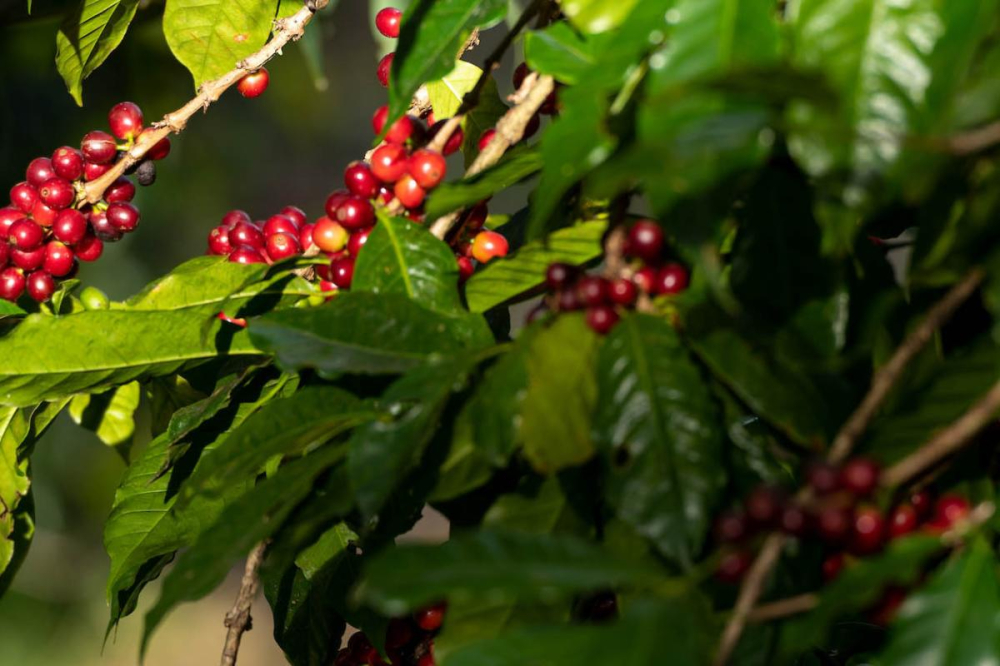
Although Geisha coffee originates from Ethiopia, exactly how does it differ from Yirgacheffe coffee?
First, the varieties are different.
Geisha coffee belongs to the Geisha variety. Geisha was discovered in 1931 in the Geisha forest of Ethiopia, then sent to a coffee research institute in Kenya, and during that period was also introduced to Uganda and Tanzania; in 1953 Costa Rica also introduced Geisha, and it was not until the 1970s that Geisha seeds took root in Panama. It is fair to say that being able to drink Geisha coffee today is truly hard-won.
Yirgacheffe, on the other hand, belongs to Ethiopia's local native varieties, also called Heirloom native varieties. Usually the bean size and shape are not very uniform, because multiple varieties may be mixed together without being separated out individually. This is because Ethiopia, as a treasure trove of coffee genes, has far too many varieties, making identification and classification extremely difficult, and the local government, for conservation reasons, has chosen not to disclose information about these varieties—so they are collectively called native varieties.

In addition, Geisha coffee tastes completely different in Ethiopia versus in Panama, mainly due to the influence of growing environment and climate. Although Ethiopia is the birthplace of coffee and very suitable for coffee cultivation, the Geisha variety has extremely demanding requirements for its growing environment: it needs both shade trees and high altitude, fertile volcanic soil, forest cultivation, rainfall and sunlight, meticulous manual management... it is fair to say none of these can be missing. It is precisely because Panama's environment and farm owners possessed all of the above conditions that the internationally renowned Geisha flavor could be grown.
Panama
Panama is located in Central America, neighboring other high-quality coffee-producing countries, with Costa Rica to its left and Colombia to its right. The local mountain range runs east to west, and cold air flowing over the central cordillera converges above 6,500 feet, creating a unique microclimate in the Boquete and Candela regions; the comfortable temperatures and abundant rainfall here are very suitable for the growth of all kinds of plants.
Geisha coffee trees need to grow in an environment with clouds and mist or shade from other plants, and cannot be exposed to direct sun. The mountains of the Boquete region are often shrouded in clouds and mist, humid by day and cool by night, and combined with the fertile soil brought by Barú Volcano, these are all favorable conditions for growing a high-quality coffee like Geisha. The higher the growing altitude, the longer the Geisha coffee fruit takes to ripen, the more nutrients it absorbs, and the richer and more unique its flavor expression. Geisha grown at high altitude has intense floral fragrance, full juicy body, bright acidity, and a smooth mouthfeel, with a richness of flavor layers far superior to batches grown at low altitude.
Hacienda La Esmeralda
Panama's Hacienda La Esmeralda is both the discoverer and the promoter of the Geisha coffee variety.
Hacienda La Esmeralda is the most famous; its coffee mainly comes from three farms under its umbrella: El Velo, Cañas Verdes, and Jaramillo. To manage coffee cultivation with precision, Hacienda La Esmeralda cups coffee beans from different areas within the estate separately and determines planting plots according to altitude, which is how we get the Geisha grades we know as Esmeralda Red Label and Esmeralda Green Label.
Elida Estate
Elida Estate has a century of coffee-growing history; it was founded in 1918 by the Lamastus family, and the estate has now been passed down to the fourth generation. More than half of Elida's growing area lies within the boundaries of Barú Volcano National Park, the highest in Central America; the microclimate brought by the volcano and the high-altitude growing environment allow plants to thrive, and besides coffee, many rare high-altitude fruit varieties are also grown here.
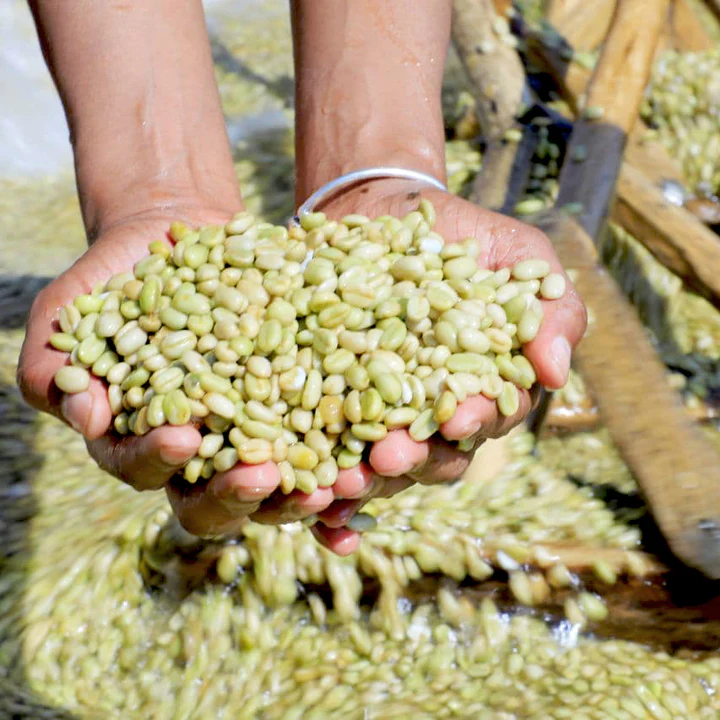
Front Street Boquete Geisha coffee is also one of Front Street's everyday beans and a representative coffee of Panama's coffee regions.
Coffee Bean Processing Methods
Front Street Yirgacheffe coffee beans started with the most traditional natural processing method, and washed processing was introduced later; the better-known ones are Front Street Natural Red Cherry coffee and Front Street Washed Yirgacheffe coffee. As for Geisha coffee, there are both natural and washed versions, such as: Hacienda La Esmeralda's Front Street Washed Green Label Geisha coffee, Front Street Natural Red Label Geisha coffee, Front Street Washed Boquete Geisha coffee, and Front Street Natural Elida coffee.
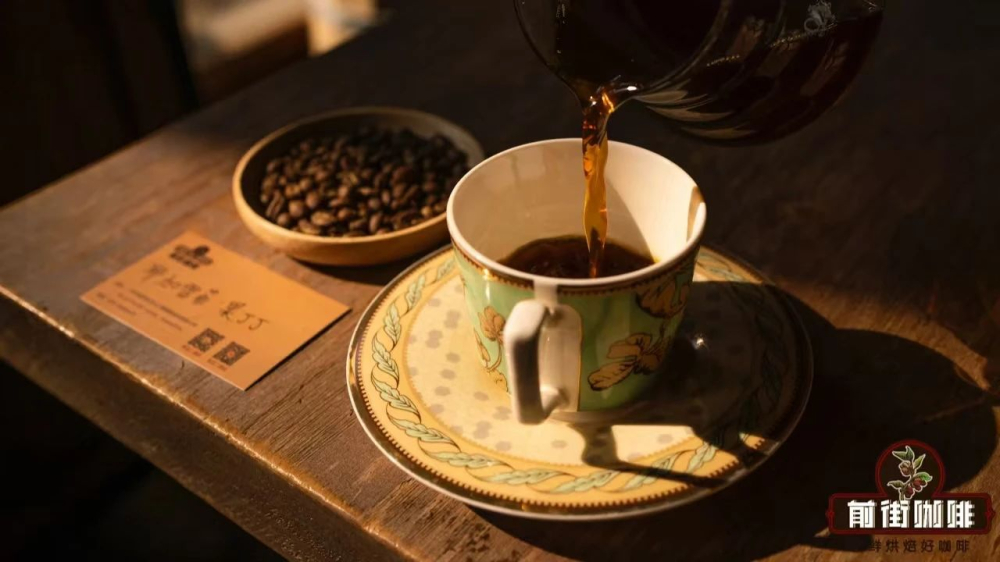
Front Street Coffee Brewing Parameters:
Since both Front Street Yirgacheffe coffee beans and Front Street Geisha coffee beans use light roasting, brewing requires hot water at 91°C to bring out the floral and fruity notes in the coffee. For grind size, Front Street recommends a medium-fine grind (80% passing through a Chinese standard No. 20 sieve). Too coarse and the rich, full-bodied substances cannot be extracted, making the brewed coffee taste thin. Too fine and over-extraction is likely at high water temperatures, making the brewed coffee taste bitter and astringent.
The specific brewing parameters Front Street uses are: V60 dripper, water temperature 91°C, water-to-coffee ratio 1:15, 15g of coffee, medium-fine grind (80% passing through a Chinese standard No. 20 sieve).
Front Street Coffee (FrontStreet Coffee) staged extraction method: First, use 30g of water to fully wet the coffee bed into a "hamburger" shape and let it bloom for 30s; for the second pour, at 1'00" on the timer, pour water until it reaches 125g, then stop and wait until the water level drops to 2/3 of the coffee bed before pouring the third stage; for the third stage, at 1'40" on the timer, pour water until it reaches 225g, and after the coffee liquid has fully dripped through, the total extraction time is 1'59". The total brewing time is 2'00". After extraction is complete, gently swirl, and wait until the coffee liquid is fully uniform before tasting.
Front Street Washed Yirgacheffe Idido Coffee Flavor : Lemon, floral, orange, sucrose; overall clean and refreshing, with a sweet aftertaste featuring honey notes and an oolong tea finish.
Front Street Natural Red Cherry Coffee Flavor Characteristics : Lemon, licorice, citrus, berry, sweet orange; overall high sweetness, with a caramel and cream aftertaste and a black tea aroma in the finish.
Front Street Panama Washed Boquete Geisha Coffee Flavor Characteristics : Clear acidity of citrus, lemon, and bergamot, with a creamy smooth mouthfeel when swallowed, and a sweet finish of green tea and honey.
Front Street Panama Natural Elida Coffee Flavor Characteristics : Fermented aroma, rose, berry, citrus, green tea, cream, nuts.
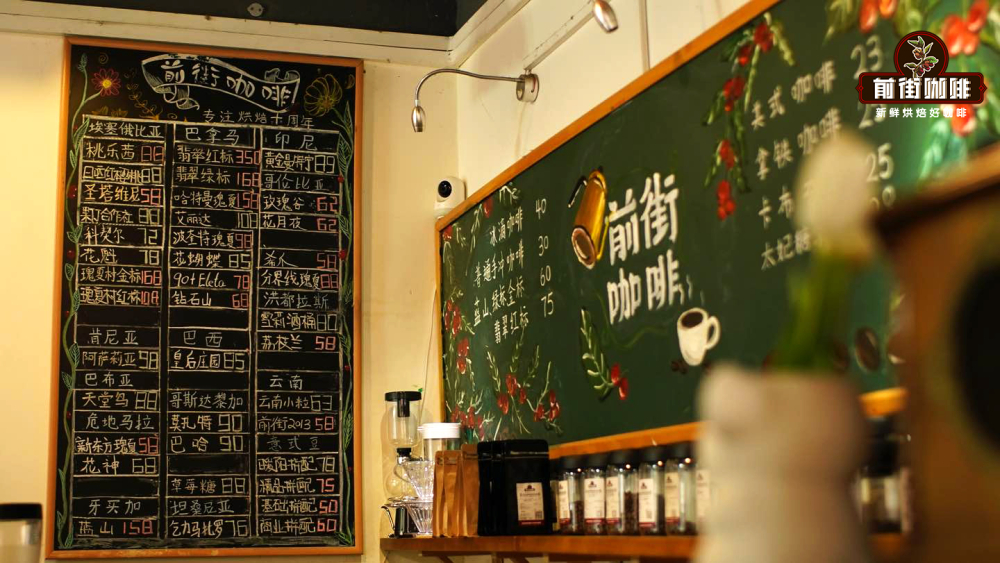
Front Street Coffee Brewing Suggestions:
To brew a good cup of coffee, you still need to pay attention to the freshness of the coffee beans. Front Street has always believed that the freshness of coffee beans has a great deal to do with coffee flavor, so all coffee beans shipped by Front Street Coffee (FrontStreet Coffee) are within 5 days of the roast date. Front Street's roasting philosophy is "freshly roasted good coffee," so that every customer who places an order receives the freshest coffee. The resting period for coffee is about 4–7 days, so by the time the customer receives it, it is at its peak flavor.
For those who need ground coffee, a warm reminder from Front Street: once coffee beans are ground in advance, there is no need for further resting, because during shipping the pressure from carbon dioxide inside the packaging also rounds out the coffee's flavor, so you can brew a cup right away upon receiving the ground coffee. But ground coffee needs to be brewed promptly, because once ground coffee contacts air it oxidizes relatively quickly—in other words, the coffee's flavor dissipates fairly quickly and the coffee will not taste as good. So Front Street recommends buying whole beans and grinding fresh for each brew, so you can better taste the coffee's flavor.
Geisha coffee is delicious, but not everyone will necessarily like it—after all, everyone has different taste preferences. Some may prefer Ethiopia's fresh, delicate floral aroma and bright fruity acidity; some prefer the piney, herbal, nutty notes of Indonesian Mandheling; and some may prefer the grape honey-processed flavors of specialty-processed Costa Rica coffees like Front Street Mirazu coffee or Front Street Mozart coffee... and Front Street carries all of these coffee beans. If you don't know which flavor to choose, you can try Front Street's everyday beans—Front Street everyday beans are representative coffees from major producing countries with very high value for money, and since they are representative coffees from major producing countries, the taste certainly won't disappoint; at the same time, it is also a very wise choice!
For professional coffee knowledge exchange and more coffee bean information, please follow Coffee Workshop (WeChat public account: cafe_style)
For more specialty coffee beans, please add the private WeChat of Front Street Coffee (FrontStreet Coffee), WeChat ID: qjcoffeex
The above content is compiled by CoffeeHunters, a coffee news website.


