







Why Mandheling Blends So Well With Brazilian Beans
The Mamba recipe pairs Indonesian Mandheling with Brazilian beans, usually one part to one, and it has stayed a classic in espresso blending because the two origins cover each other's gaps. Sumatra's wet-hulled Lintong Mandheling brings caramel, dark chocolate, and nuts; Brazil's Red Bourbon from South Minas adds clean sweetness. Front Street's own Lintong Mandheling and Brazilian Red Bourbon are used here as the samples.
Indonesia exports roughly 300,000 tons of coffee a year, about 75,000 tons of it Arabica, and around ninety percent of those beans come from smallholders farming less than one hectare. Mandheling itself is tied to Sumatra's Lintong and Lake Toba areas, while Aceh coffee comes from the Gayo Mountains around Lake Tawar. The blend pulls espresso on a 1:1 ratio, with caramel, dark chocolate, and nut notes carrying into milk drinks.
Mamba coffee, the marriage of Indonesian Mandheling and Brazilian beans, is an enduring classic recipe in espresso blending. This article takes Front Street's own Lintong Mandheling and Brazilian Red Bourbon as samples, first stepping into the two-lake region of Sumatra to see how the tropical rainforest terroir and wet-hulling method shape Mandheling's rich character; then turning to the hills of South Minas to understand the clean sweetness brought by the Bourbon variety and semi-washed process; finally providing the espresso extraction parameters for a 1:1 blend and the latte-making process, fully presenting the Mamba charm woven with caramel, dark chocolate, and nuts.
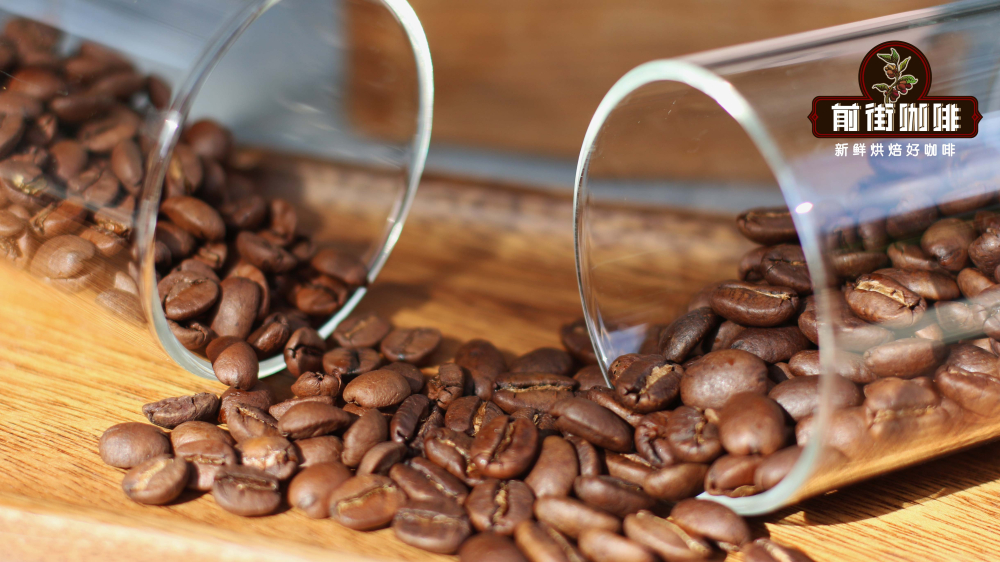
When it comes to blended beans, one legendary combination that cannot be avoided is the Mamba recipe produced by Front Street. The so-called "Mamba" takes one character from each of Indonesian Mandheling and Brazilian beans—two coffees of vastly different styles blended in proportion, creating a long-circulated classic recipe. To verify what exactly the charm of this combination is, and why it has been repeatedly brewed by coffee lovers over the years, Front Street this time takes out its own roasted [Front Street Lintong Mandheling] and [Front Street Brazilian Red Bourbon], and gives blending a try!
[Lintong Mandheling]
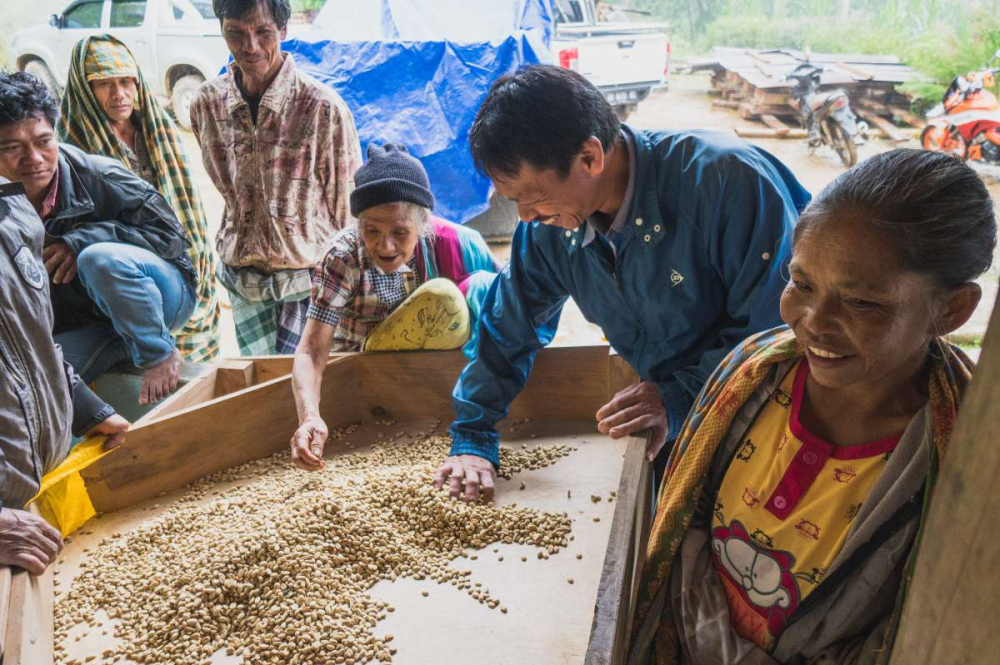
Indonesia's coffee cultivation history dates back to the mid-seventeenth century, when the Dutch brought coffee saplings to this archipelago. Today Indonesia exports about 300,000 tons of coffee annually, ranking fourth in global production; of this, Arabica accounts for about 75,000 tons, and ninety percent of these beans come from smallholder farmers, with planting areas generally not exceeding one hectare.
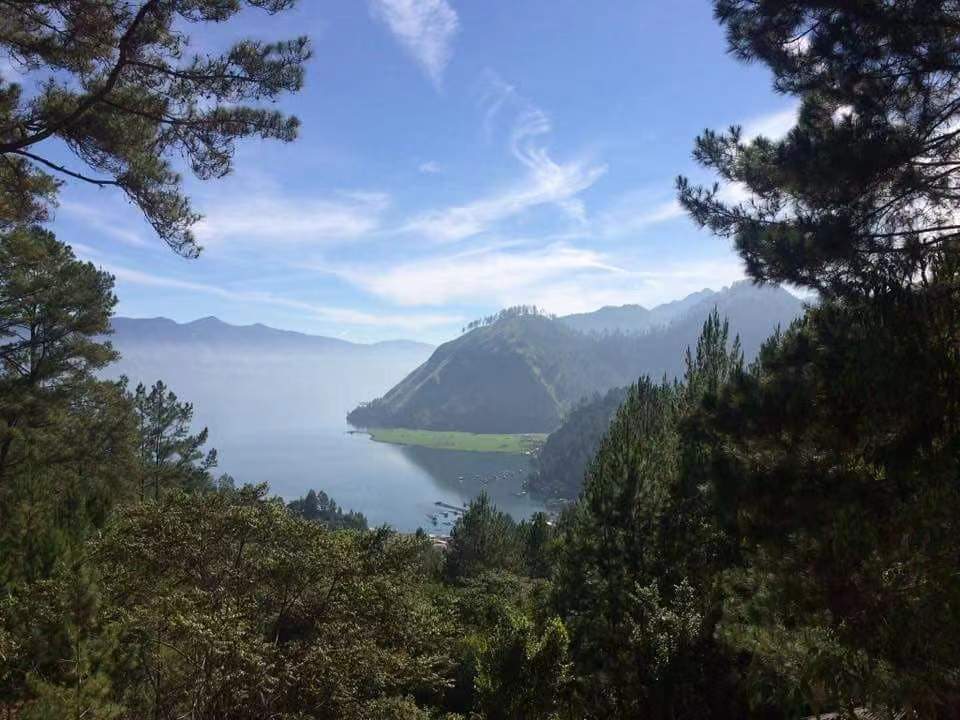
The core coffee regions of Indonesia are distributed across three islands: Sumatra, Java, and Sulawesi, among which the most famous is Mandheling from Sumatra. The Lake Tawar area at the northern tip of the island produces beans often classified as Aceh coffee, or simply called Lake Tawar coffee; beans from the Lintong and Lake Toba areas fall under the Mandheling category. The entire producing region spans eight provinces, but only Aceh and North Sumatra have truly large-scale coffee cultivation. The most representative growing zone in Aceh is the Gayo Mountains surrounding Lake Tawar, where beans are mostly cultivated by the indigenous Gayo people who have lived there for generations; North Sumatra relies on the vast Lake Toba for cultivation—this lake was formed by volcanic activity and is the largest of its kind in the world. The Mandheling produced in the Lake Tawar and Lake Toba areas are collectively known in the industry as the [Two Lakes, Two Man], and the Lintong producing area happens to be located just south of Lake Toba.
Sumatra Island Producing Region
[Growing Environment]
Lintong Mandheling is mostly grown in volcanic mountain areas at elevations of 1000–1500 meters, where volcanoes stand in abundance and volcanic lakes are scattered throughout, with the most well-known growing area located around the freshwater Lake Lawar. The soil nurtured by volcanic mud has a primitive brown podzolic texture with considerable humus content; combined with the typical local tropical rainforest climate, with abundant and year-round rainfall, together they create ideal growing conditions for coffee trees.
[Wet-Hulling Method]
The reason Mandheling can present such a heavy, intense, and highly recognizable flavor lies in a unique processing procedure invented locally in Indonesia—the wet-hulling method. In Indonesia, air humidity remains at 70%–90% year-round, and with frequent typhoons and astonishing rainfall, conventional drying takes an average of 2–3 weeks to complete; for Indonesia's hot and humid climate, drying coffee beans properly is a great challenge, and farmers also hope their investment can be converted into economic returns more quickly. Compared with the washed process, the wet-hulling method is clearly different in operation: first remove the skin and pulp, ferment in a water tank with parchment and mucilage still attached, then wash off the mucilage, and dry with the parchment for 2–3 days, and when the moisture content drops to 20%–24%, directly hull off the parchment for final drying. Because the green beans are directly exposed to sunlight at this point, the dehydration speed increases greatly, overall 2–3 times faster than the washed method; however, the beans are also more prone to being squeezed and leaving small gaps, forming the familiar horse-hoof beans or goat-hoof beans. So seeing goat-hoof-shaped beans in Mandheling green beans is very normal; this is a product of the processing method, not defective beans.
[Flavor]
This bean exudes aromas of sweet herbs and spices like cinnamon, along with the fragrance of orange and pomelo peel. On the palate it is rich and full-bodied with prominent sweetness, accompanied by layers of cream, walnut, and chocolate. The acidity is restrained and mild, with a clear melon flavor in the dry aroma; as the temperature in the cup drops, the herbal aroma is gradually released, a faint spicy note emerges, and the overall cup is rich with intense sweetness.
[Brazilian Red Bourbon]
For the other half of the blend, Front Street selected Red Bourbon from South Minas—this is the area where Brazil's coffee industry first began, with trees growing on hilly slopes at elevations of 700–1200 meters.
Brazil's coffee plantations are roughly distributed across two types of terrain: one is the Brazilian Plateau above 500 meters, and the other is the plains below 200 meters. The most widely planted and most recognized varieties locally belong to the Bourbon family, including Yellow Bourbon, Red Bourbon, and flat-bean Santos, among others. In terms of cup performance, Brazilian beans generally have low acidity, with nutty notes, and are overall balanced with moderate body. Although Brazilian beans are not particularly dazzling in the specialty coffee world, in the espresso field they are frequent guests in blend recipes; and precisely because of their excellent balance, many merchants also use them to create Blue Mountain-style beans.
[Processing Method]
This bean uses the semi-washed process.
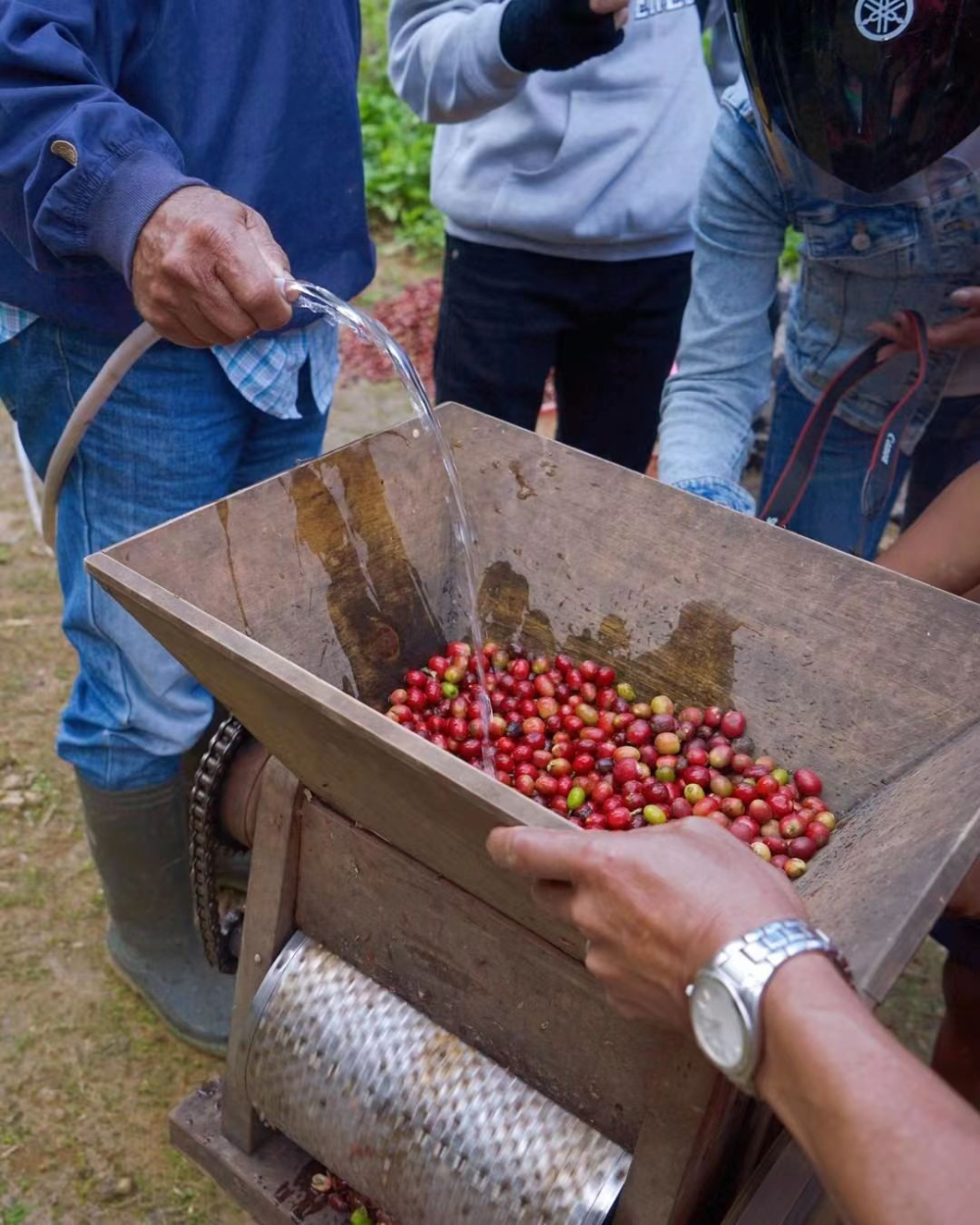
After coffee cherries are picked, they are first placed in a water tank to float off unripe fruit and impurities, then the skin and part of the pulp are removed, and the surface mucilage is subsequently removed with a demucilaging machine. The benefit of removing the mucilage is shortening the time required for subsequent drying while reducing the possibility of fermentation errors. This process is common in producing regions and years with poor weather conditions—once the air is humid, the temperature is high, or rainfall occurs, the beans risk mold and spoilage during sun drying. For this reason, most of the washed-type coffee beans in Brazil's export trade are actually processed by the semi-washed method.
[Flavor]
Prominent sweetness, clean and smooth mouthfeel, extremely low acidity.
Both Lintong Mandheling and Brazilian Red Bourbon are medium-dark roasted, and Front Street blends them in an equal 1:1 ratio to complete this Mamba blend.
[Brewing Suggestions]
Espresso extracted under pressure mostly uses blended beans as raw material. This time, to make the flavor notes of caramel, dark chocolate, nuts, and cocoa more prominent, Front Street combines its own Mandheling and Red Bourbon and presents them with a darker roast level. In addition, to help everyone pour more beautiful patterns, a small amount of Robusta is also added to the recipe, making the crema layer denser and richer.
Coffee beans: Front Street Classic Blend (Espresso)
Bean composition: Brazil Cerrado + Indonesia Mandheling + Vietnam Robusta
Dose: 20 g
Target yield: 40 g
Dose-to-yield ratio: 1:2
Extraction time: 26–32 seconds
Grind size: Galileo grinder 2.0 setting
Espresso Extraction
Front Street's coffee machine is paired with a double basket, with a regular dose of about 18–20 grams. This time, 20 grams of Front Street Classic Blend powder is used, operated at a 1:2 ratio—that is, 20 grams of powder for 40 grams of coffee liquid. Extraction time is directly linked to the flow rate of the powder, and a single extraction is usually constrained to 20–35 seconds: under 20 seconds, the flavor tends to be thin; once over 35 seconds, it may over-extract and bring out burnt bitterness. The espresso produced by Front Street mostly falls within the 28–30 second range.
Before the formal extraction, first take a cloth and wipe the basket clean, start the grinder to grind a double dose of coffee powder, place it on an electronic scale and fine-tune until the reading stops at 20 grams. Then use a distribution tool to level the powder bed, and use a tamper with vertical force to compact and flatten the puck, making the subsequent extraction more stable and consistent.
Then press the extraction button and run water for 1–2 seconds, both to moisten the group head and to rinse off attached residual grounds. Place an electronic scale under the receiving cup and zero it, and during extraction place it together with the cup under the group head.
Lock the portafilter steadily onto the group head and flip the extraction switch to start. Watch the flow state, and when the scale reading reaches 40 grams at about 30 seconds, turn off the switch. It should be noted that daily air humidity and bean condition will cause slight fluctuations in parameters, so the dose, grind setting, and extraction yield all need to be flexibly increased or decreased accordingly.
To appreciate the Mamba blend's performance in concentration, Front Street chooses to combine espresso with steamed fresh milk to make a latte for tasting. The specific method is: use a double espresso as the base (about 40 grams), take 240 ml of fresh milk and steam it until warm but not hot to the touch, control the milk foam thickness at about 0.5 cm, then let the milk and espresso fully integrate, and finally pour a beautiful pattern on the surface.
The finished Mamba latte is filled with the complex aroma of chocolate, cream, and cookies in the cup. On the palate it is dense, smooth, and full-bodied, and after drinking, a caramel-like sweet aftertaste remains in the mouth, making one unable to resist another sip, with a long finish. Latte itself is very tolerant of flavors, so when making it you may add different flavor ingredients according to personal taste to harmonize it, making the whole cup of coffee richer in layers.
Of course, in addition to bean selection and production details, to truly reproduce the taste of traditional Mamba, freshness is an unavoidable prerequisite. Coffee beans differ from general foods in that after roasting they continuously release gas, and during the peak flavor period the aroma is at its fullest; once 50 days have passed since the roast date, the gas inside the beans is basically gone, and the aroma is nearly exhausted as well. Therefore it is recommended to choose a reliable self-roasting merchant and buy fresh beans. Here we recommend a Guangzhou time-honored brand—Front Street Coffee.
All coffee beans produced by Front Street are freshly out within 5 days after roasting, support shipment within 24 hours after ordering, offer a rich selection of flavors, are affordable, and have long-term stable quality. Whether you are a beginner just starting out or a player pursuing advancement, you can find satisfying fresh coffee beans here.
The above content is compiled by CoffeeHunters, a coffee news website.


