







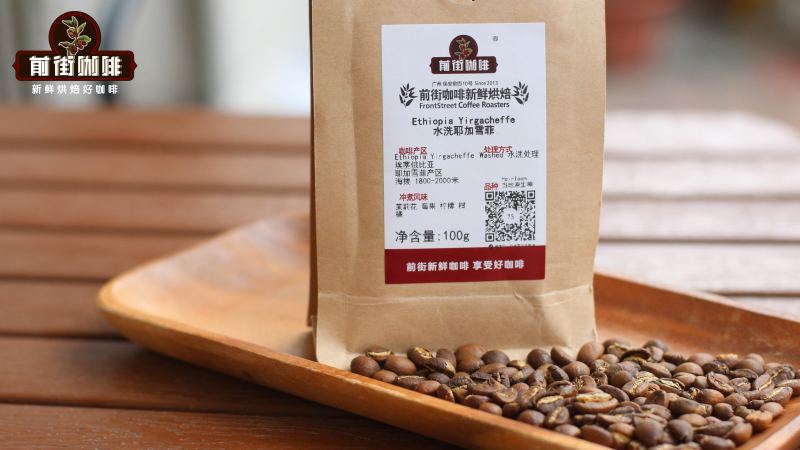
What Makes Yirgacheffe Coffee Taste Different?
Yirgacheffe sits in southwestern Ethiopia, originally a small town in the Gedeo zone, with wetland water supplies and average temperatures between 15 and 25 degrees Celsius. High altitude brings a wide day-to-night temperature swing, giving Arabica trees the conditions they need. Beans grown there are called Yirgacheffe regardless of how they are brewed.
The coffee process shapes flavor as much as the farm does. Washed lots tend toward clean floral and citrus notes, while natural processing pushes fruit sweetness forward. Konga is one of several well-known cooperatives, alongside Gotiti, Werka, Hafursa, and Idido. Front Street shares roast orientation and a three-pour hand-brew recipe for high-altitude hard beans.
Yirgacheffe is one of Ethiopia's most representative specialty coffee regions, beloved by enthusiasts for its floral and citrus notes. This article begins with the region's geography, variety characteristics, and cooperative system, then sorts out the flavor differences among well-known cooperatives such as Gotiti, Konga, Werka, Hafursa, and Idido, and focuses on the natural-process beans of Konga Cooperative, explaining in detail its roasting orientation and three-pour hand-brew parameters. Front Street Coffee also shares the influence of washed and natural processing on flavor direction, as well as approaches to grinding size, water temperature, and pouring rhythm for high-altitude hard beans, making it suitable reading reference for coffee enthusiasts who want to systematically understand Yirgacheffe and improve brewing consistency.
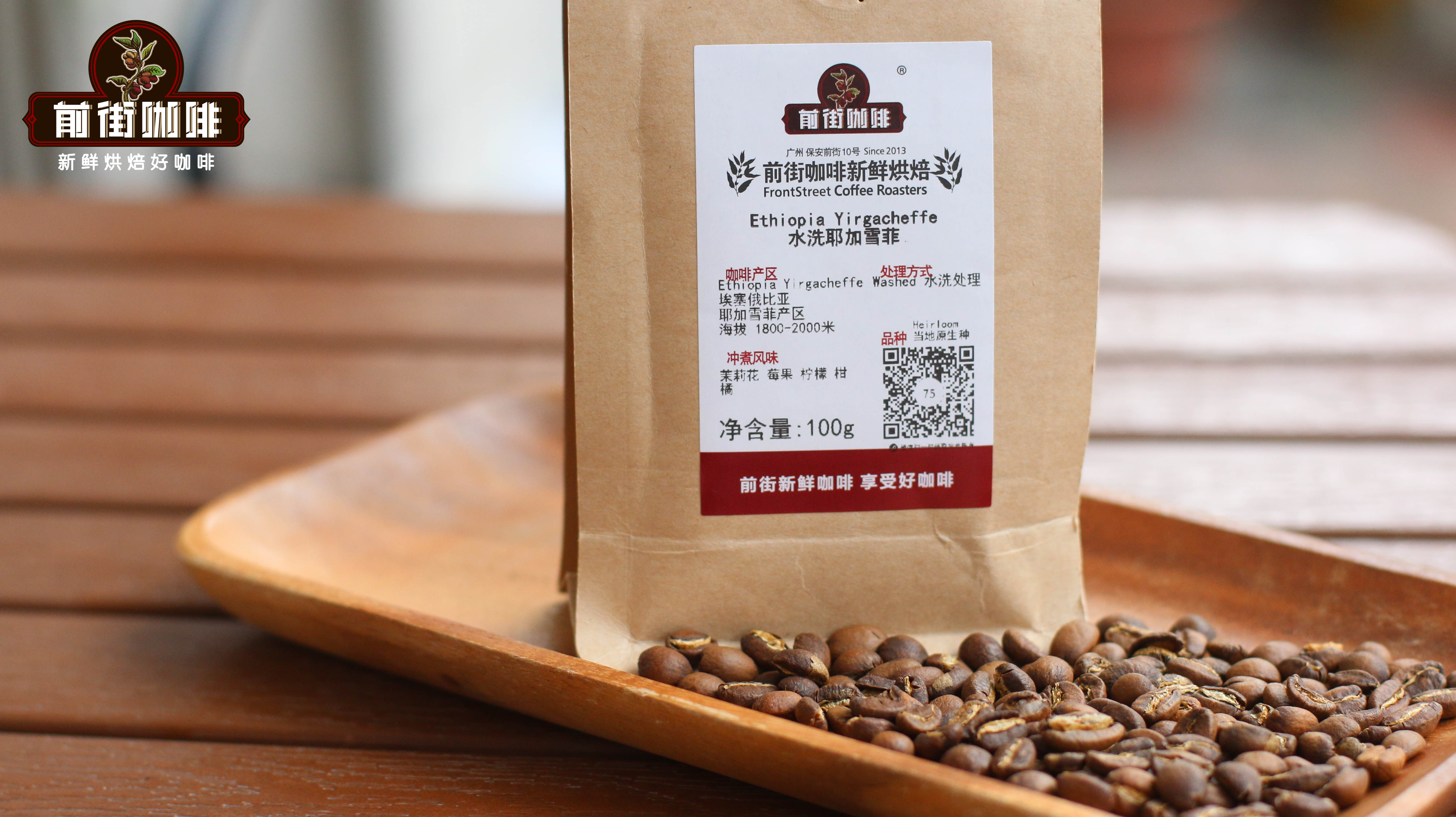
To get more specialty coffee-related content, follow: Front Street Coffee (Frontsteet Coffee)
Many coffee enthusiasts who have just started out have probably heard the term "Yirgacheffe coffee" from some source. When hearing it for the first time, did you mistakenly think that, like latte or americano, it was the name of some kind of coffee beverage?
In fact, Yirgacheffe is one of the most famous coffee-growing areas in Ethiopia. As long as the coffee beans used are produced in the Yirgacheffe area, no matter what extraction method is used, the final product can be called Yirgacheffe coffee. Next, Front Street Coffee will discuss this region that was pushed into the spotlight by the specialty coffee wave.
Where is Yirgacheffe located?
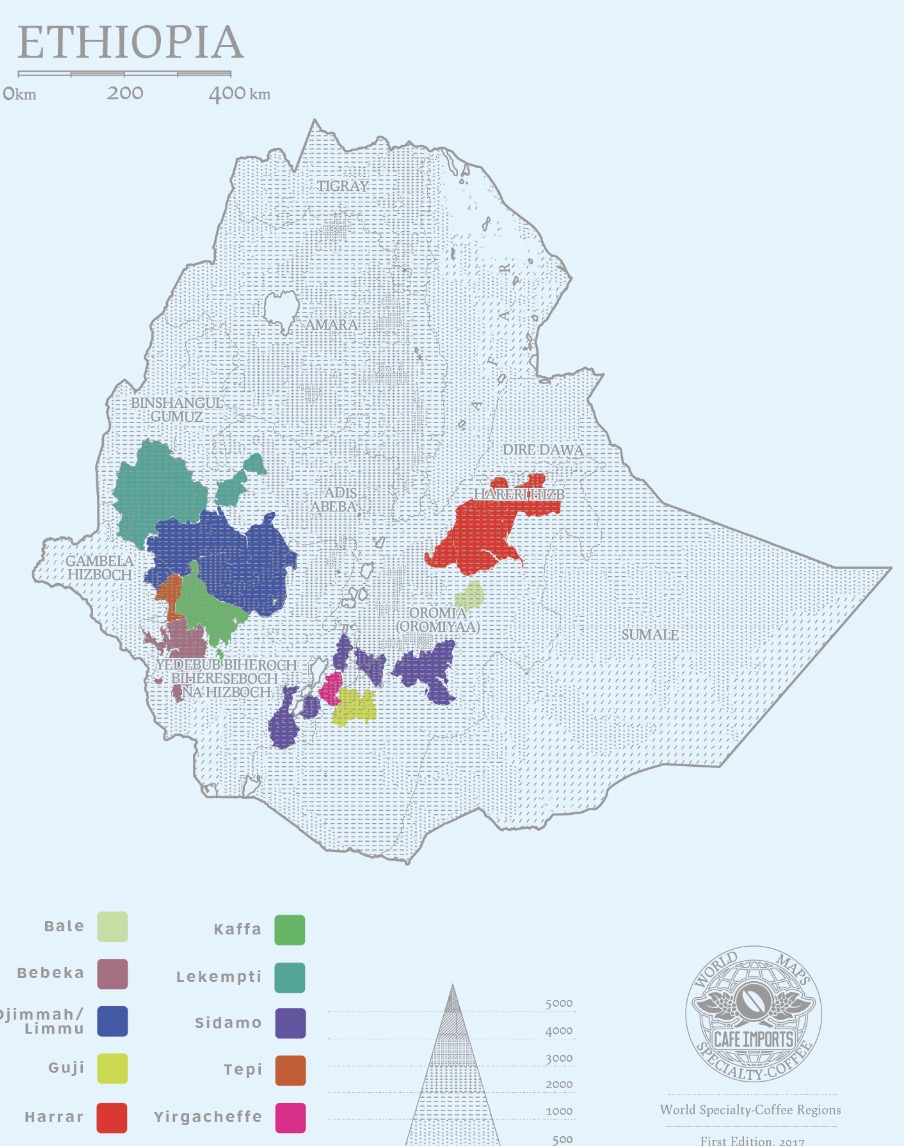
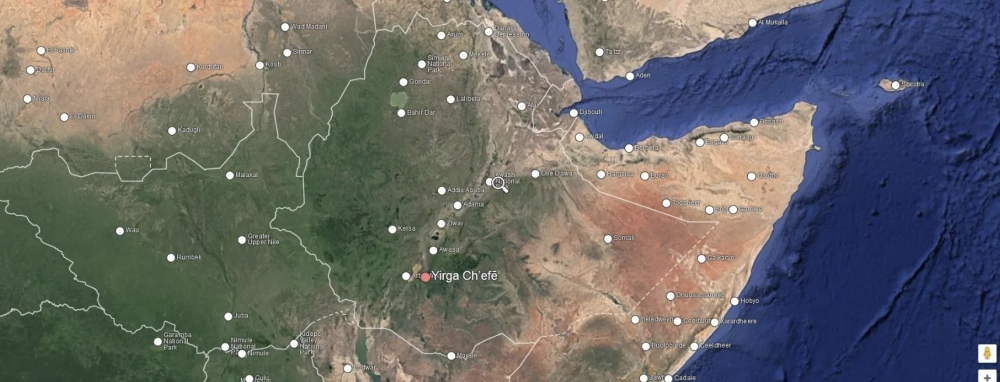
It is located in southwestern Ethiopia and was originally just a small town under the Gedeo zone. The area is a natural wetland with quite abundant water resources, and the average annual temperature ranges between 15 and 25 degrees Celsius; in addition, the temperature difference between day and night brought by the high-altitude terrain gives this small town all the conditions needed for Arabica coffee trees to grow.
The town of Yirgacheffe originally belonged to Sidama, another well-known coffee region in Ethiopia. As the specialty coffee market's demand for coffee beans with fresh flavors continued to rise, the Ethiopian government began to pay attention to the performance of coffee produced in the town of Yirgacheffe.
Afterward, the industry generally believed that coffee beans produced around the town of Yirgacheffe had a distinctive floral and citrus profile, clearly different from the flavor direction of other parts of Sidama. In addition, because many coffee bean traders specifically sought out beans produced in the town, in 2010 the Ethiopian Commodity Exchange decided to separate the Yirgacheffe region from Sidama, which is how the now widely known Yirgacheffe region came to be.
What variety are Yirgacheffe coffee beans?
Ethiopia is the birthplace of coffee, and the coffee varieties within its borders are extremely diverse and difficult to classify one by one. Many plants still have not even had their genetic maps and scientific names confirmed. The plants purchased by farmers or distributed by the government have not undergone variety classification and are mixed plantings in a natural state.
However, specialty coffee emphasizes clear and identifiable varieties, so most coffee beans produced in Ethiopia usually have their variety listed as Ethiopian Heirloom. It is also precisely because of this mixed varieties that Front Street Coffee has noticed that the bean sizes of Ethiopian coffee beans are often uneven.
Why does Yirgacheffe have so many cooperatives? To make trade fairer!
The Yirgacheffe Coffee Farmers Cooperative Union (YCFCU) was founded in 2002, with 24 primary cooperatives under it, covering about 50,000 farmers.
At present, cooperatives are not bound by the ECX (Ethiopian Coffee Exchange) system for bulk coffee trading. Buyers can select each lot of green beans according to their own preferences and quality requirements, and can trace detailed coffee records, such as region, grower, or producer information. Through this direct trade model, buyers and farmers establish a deeper connection. Farmers can not only receive reasonable compensation, but may even obtain material or financial support such as berry processing equipment and processing station facilities, thereby producing better-quality coffee.
Since the implementation of the Ethiopian Commodity Exchange system in 2008, the vast majority of green coffee beans have been sold through bidding under this system, but cooperatives are outside its jurisdiction and can directly contact buyers, negotiate prices, and export. The original purpose of establishing cooperatives was to protect member farmers from being exploited by buyers at low prices. When finances are tight, cooperatives can also provide loan assistance, which plays a quite positive role in promoting both farmers and coffee production.
Ethiopia has a very large number of cooperatives, and the coffee beans handled by each one have their own characteristics. Among them, the coffee beans produced by Gotiti Cooperative, Konga Cooperative, Werka Cooperative, Hafursa Cooperative, and Idido Cooperative are quite popular among domestic specialty coffee consumers.
Gotiti Cooperative
Gotiti Cooperative is located in the Werka production area at the southeastern end of Yirgacheffe and was originally part of Werka Cooperative under the Yirgacheffe union YCFCU. Later, as people placed more importance on the traceability of green coffee beans, "single-origin" areas were discovered one by one by coffee hunters around the world.
In 2012, Gotiti, with about 300 farmers, broke away from the original system and independently formed Gotiti Cooperative. Gotiti village was the earliest village area to be independently separated. Many smallholders were originally members of Werka Cooperative, so their production techniques were naturally strong. Gotiti Cooperative is known as the last pure land of Yirgacheffe, and the processing methods it uses are also quite traditional (washed and natural processing).
A washed-process coffee bean from Gotiti Cooperative sold by Front Street Coffee presents a fresh citrus-like acidity, white floral notes, honey-like sweetness, and a green tea-like finish.
Konga Cooperative
Konga Cooperative is located in the Gedeo area, where most of the soil has a relatively high iron content, and the soil layer is more than 1.5 meters deep. Deep soil helps coffee trees take root better, thereby absorbing water and nutrients more fully.
Iron is an indispensable trace element for chlorophyll synthesis. Plants lacking iron cannot synthesize chlorophyll normally even with sufficient light. Front Street believes that soil with high iron content can enable coffee trees to produce sufficient chlorophyll, allowing them to photosynthesize more efficiently and store nutrients, thereby improving the quality of coffee fruit.
A natural-process coffee bean from Konga Cooperative sold by Front Street Coffee presents citrus-like acidity, berry juice-like character, honey-like sweetness, and creamy smoothness.
Werka Cooperative
Werka Cooperative also belongs to the YCFCU cooperative union. It was established in 2005 and is located in a remote area within the Yirgacheffe production region, 75 kilometers away from the local coffee trading hub Dilla, with poor external road conditions.
From the cooperative to the main asphalt road, there is a 20-kilometer dirt road. The cooperative consists of 305 farmers, with a planting area of about 763 hectares and an annual output of nearly 460 tons, making it a relatively small farmer cooperative. Because no chemical fertilizers or insecticides were used throughout the coffee-growing process, Werka smallholders also obtained Skal organic coffee certification recognized by the European Union.
Local coffee is mainly grown by more than 700 smallholder households, and traditional washed and natural processing methods are used. Werka coffee has a prominent flavor and regional characteristics, which also makes it one of the representatives of Ethiopian specialty coffee.
A washed-process coffee bean from Werka Cooperative sold by Front Street Coffee shows lemon and pomelo-like acidity, ginger flower aroma, honey-like sweetness, and a Tieguanyin-like tea character.
Hafursa Cooperative
Hafursa, also known as Halsa, was originally the name of a village in a certain town in Ethiopia. When Ethiopia began establishing cooperatives in 1975 to support coffee farmers, Hafursa Cooperative was among the first to be established, making it a "pioneer of the movement" among cooperatives.
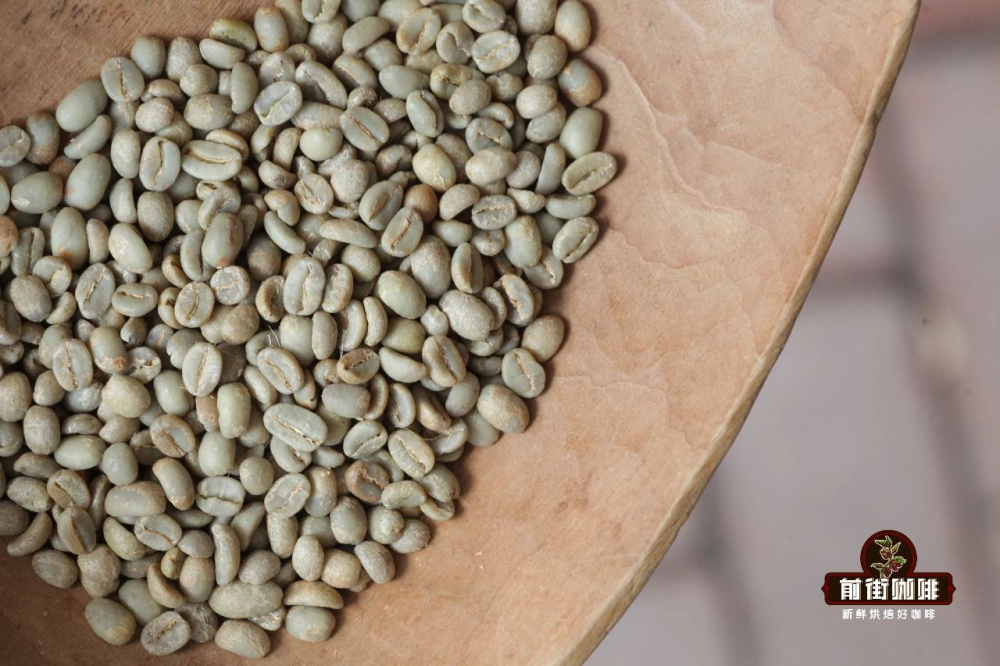
The coffee cherries used by the Hafursa Cooperative processing station mainly come from two places: one is the hillside of Hafursa village, located west of the processing station, with altitude extending from 1,850 meters to a maximum of about 2,100 meters; the other is the hillside south of the processing station adjacent to Konga village, with altitude from 1,870 meters to a maximum of about 2,000 meters.
The plots of the coffee gardens in these two areas are quite ideal in terms of both altitude and slope aspect, and this is precisely the basic condition that enables the cooperative to produce excellent green coffee beans.
Idido Cooperative
Idido Cooperative is nestled in the high-altitude valleys of the town of Yirgacheffe, with annual rainfall of about 1,400 to 1,800 millimeters. The altitude at which local smallholders grow coffee is around 2,000 meters. The cool mountain air allows the coffee to mature slowly under good soil conditions and ecosystems, and the smallholders then harvest fully ripe red cherries from December to February of the following year.
Like other cooperatives, Idido has the high-quality conditions for producing top-notch coffee: 1. high altitude 2. excellent processing techniques 3. nutrient-rich soil 4. Ethiopian heirloom varieties. Front Street has found that coffee beans produced in such a superior geographical environment carry a captivating floral aroma, somewhat close in character to Geisha coffee.
Yirgacheffe coffee processing methods
In the Yirgacheffe region, coffee beans are usually processed by natural processing and washed processing.
The biggest difference between washed processing and natural processing is that washed processing first removes the coffee skin and pulp, then places the beans in clean water tanks to ferment in order to remove remaining mucilage, and only after that does sun drying take place. Therefore, washed-process coffee beans have a shorter drying time, a cleaner overall flavor, and more prominent acidity.
Natural processing, because it retains the skin and pulp and dries the whole cherry directly in the sun, causes the sugars in the pulp to ferment under high temperatures. The coffee beans absorb these fermented aromas, and at the same time, the sugars in the pulp are also transferred into the beans to a certain extent. Therefore, natural-process coffee beans carry a faint fermented aroma and more obvious sweetness.
How are Yirgacheffe coffee beans roasted?
The flavor characteristics of Yirgacheffe lie in bright acidity and elegant floral notes. Therefore, when Front Street Coffee roasts batches from the Yirgacheffe region, it always uses light roasting.
In order to let every enthusiast experience the charm of freshly roasted coffee and the most complete flavor expression of coffee, Front Street Coffee promises to ship within 5 days after the coffee beans are roasted.
How to brew Yirgacheffe Konga coffee beans?
High altitude makes coffee beans denser in texture (harder), and most roasters choose light roasting when roasting Yirgacheffe coffee beans in order to preserve their fresh character and bright acidity. Therefore, during extraction, the soluble substances in the coffee are released more slowly. A medium-fine grind can be used (fine granulated sugar size / 80% passing rate on the Chinese No. 20 standard sieve), together with a water temperature of 90 to 92 degrees for extraction.
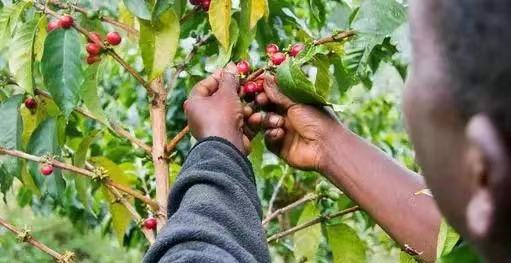
Front Street Coffee recommends a brewing ratio of 1:16, pouring water in a three-stage method:
First, pour 15 grams of coffee grounds into the filter cup and tare the weight. In the first stage, pour 30 grams of water and bloom for 30 seconds while starting the timer. Throughout, pour with a small stream from the center point and spiral outward, making sure to wet the entire coffee bed.
In the second stage, switch to a slightly larger stream and pour 120 grams of water. The purpose is to raise the entire coffee bed. The water column should be poured vertically and evenly. At this point the scale shows 150 grams, and pouring is completed at around 55 seconds.
When the liquid level drops to the halfway point, begin pouring the third stage of 90 grams in a small stream in a small spiral. Try to control the stream so it is not too large, otherwise it is easy to disrupt the coffee bed and cause under-extraction. The final total water amount is 240 grams, and the drip completion time is about 2 minutes 10 seconds. After removing the filter cup, shake the coffee liquid in the server evenly and it is ready to taste.
The above content is compiled by CoffeeHunters, a coffee news website.


