







Where did the coffee bean originate and how does that shape the cup?
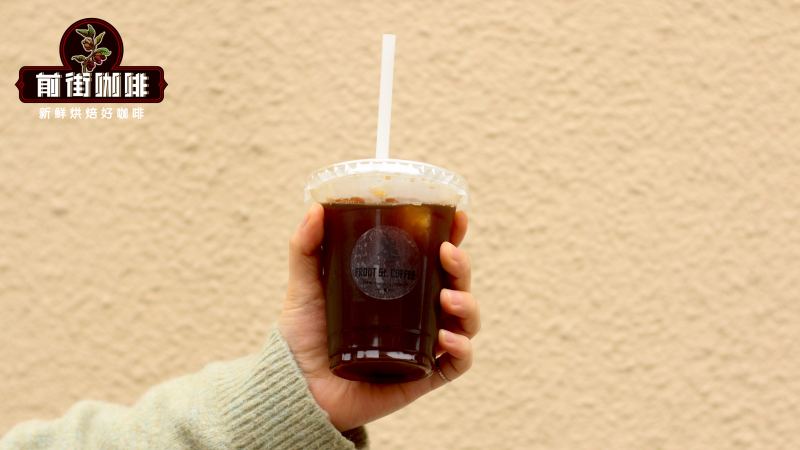
Americano is espresso diluted with water, and the name literally means "American" in Spanish and Italian. The drink is tied to World War II, when U.S. troops in Southern Europe diluted intense espresso with warm water to make it easier to drink. The preparation is simple: pull a shot of espresso, then add water in a set ratio.
Espresso itself is a brewing method, extracted under pressure and measured by portafilter basket capacity and coffee-to-water ratio. Iced Americano draws a following because cold dilution softens bitterness while keeping the coffee's aroma. Choosing beans is separate from where do coffee beans originate from, but origin and roast both shape how a shot tastes.
Americano is one of the most common drinks on a coffee shop menu, but many people may not be able to explain clearly where it actually came from or how it differs from espresso. From the perspective of Front Street Coffee (FrontStreet Coffee), this article sorts through the origin story of Americano, explains the extraction principles of espresso along with key parameters such as portafilter basket capacity and coffee-to-water ratio, and discusses what conditions a qualified shot of espresso needs to meet. It will also explain the differences in preparation between Americano and espresso, as well as why some people develop a dependence on iced Americano. The hope is to help coffee lovers understand these two types of coffee more systematically, so they can choose coffee beans that match their own taste preferences.
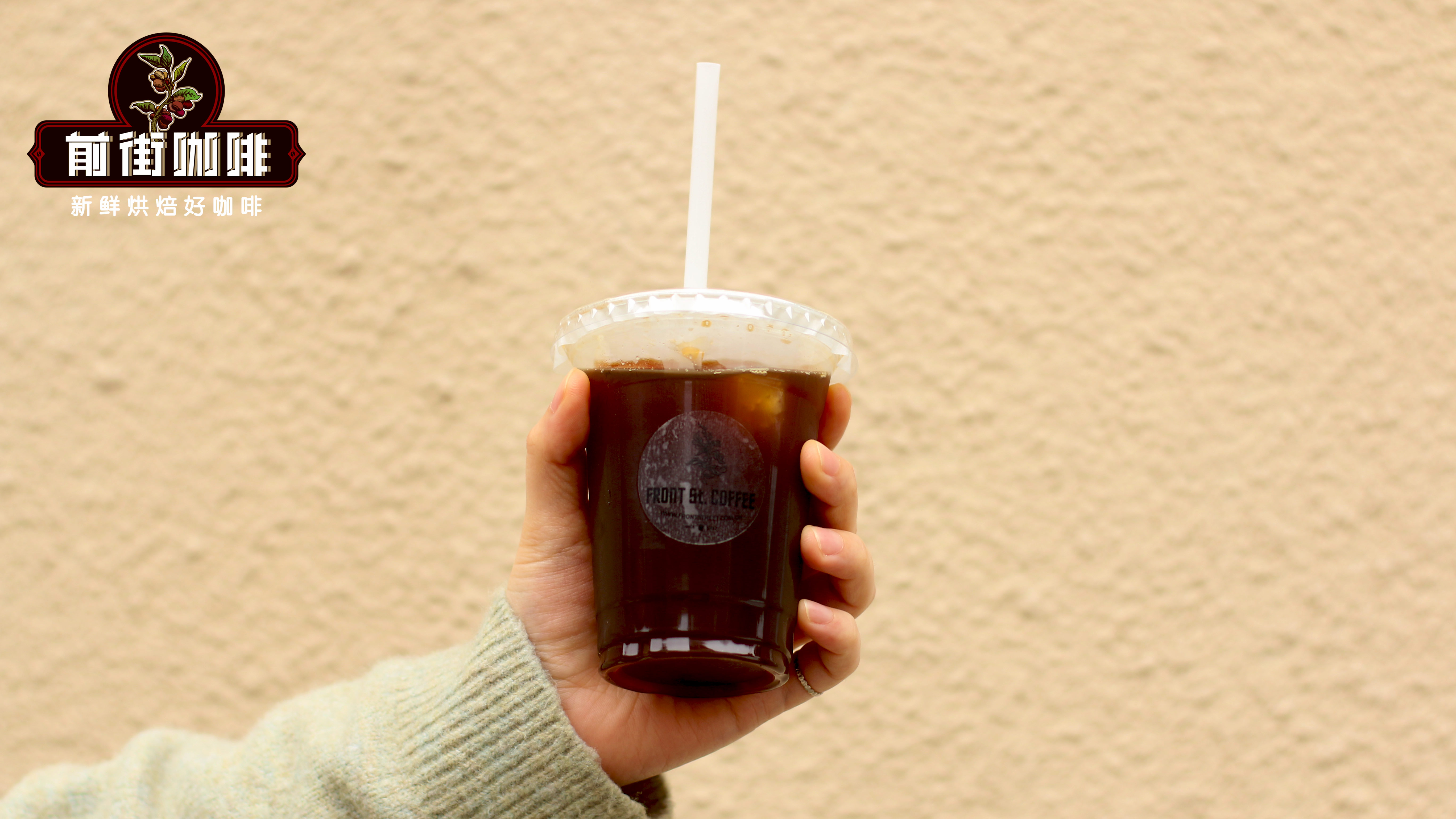
When it comes to Americano, friends who drink coffee regularly should all be familiar with it. Coffee enthusiasts who often visit Front Street Coffee (FrontStreet Coffee) stores know that Americano is simply espresso extracted by an espresso machine, then diluted with water in a certain ratio. Today it has become almost a mandatory option at every coffee shop. Customers who have visited Front Street stores are often surprised that our Americano has a particularly unique flavor, different from what they have tasted at other shops. Next, Front Street Coffee (FrontStreet Coffee) will provide some knowledge-based clarification around Americano and the correct ways to drink espresso.
The Origin of the Name "Americano"
In Spanish or Italian, Americano literally means "American." This name is directly related to the background of the drink's creation, and many people believe there is an American influence behind this way of drinking.
It is said that Americano originated during World War II, when large numbers of U.S. troops poured into Southern Europe after the war in Europe ended. They found it hard to accept the intense taste of drinking espresso directly, so they diluted it with warm water. Only after lowering the concentration did they feel it was drinkable. This shows that espresso was not loved by everyone from the very beginning. Because this way of drinking was mainly popular among American soldiers, people named it "Americano."
What Exactly Is Americano?
So what exactly is Americano? As Front Street Coffee (FrontStreet Coffee) said above, it is a drink made by diluting espresso with drinking water. It sounds very simple, but to make a pure and delicious Americano, the quality of the base espresso must be excellent. So what kind of espresso counts as a good base?
What Is Espresso?
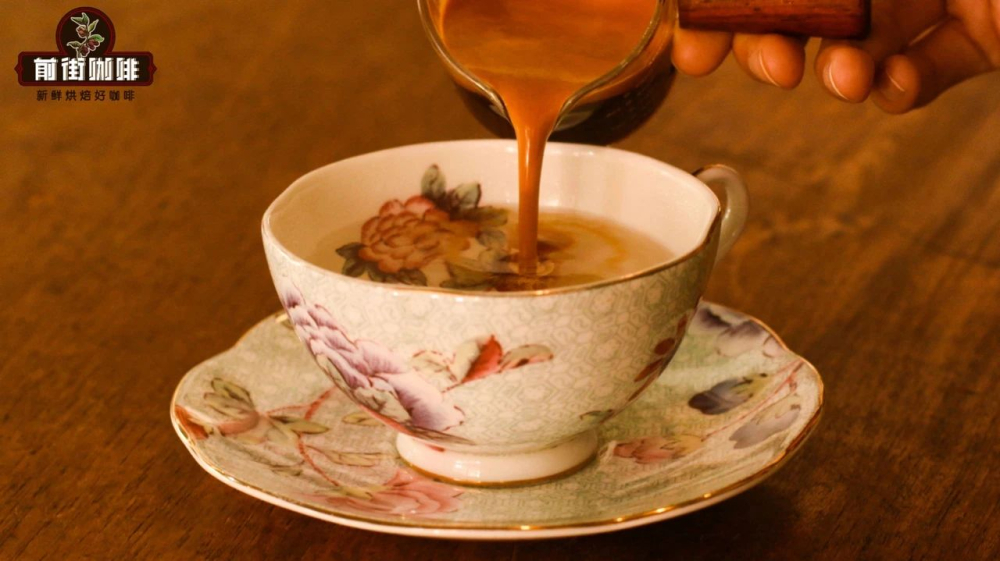
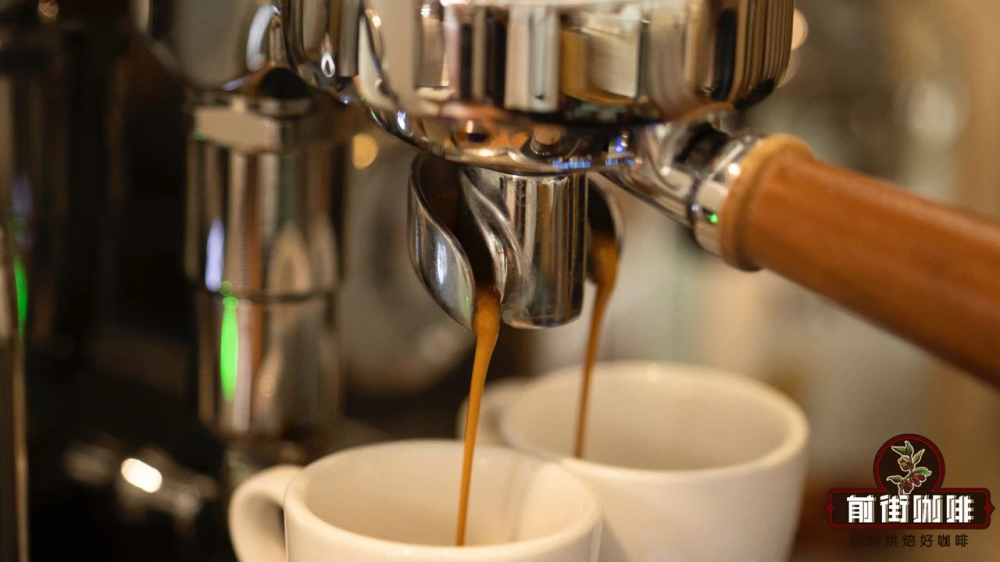
Front Street Coffee (FrontStreet Coffee) has already mentioned above that espresso refers to concentrated coffee, namely the coffee liquid quickly extracted under the high-pressure environment of an espresso machine. The most notable feature of an espresso machine is that it magnifies the flavors of the coffee beans themselves many times over. For example, Yirgacheffe coffee beans have a citrus- and lemon-like acidity, and after extraction by an espresso machine, this acidity is noticeably intensified; similarly, the bitterness of Indonesian Mandheling coffee beans is also amplified in espresso extraction. For this reason, espresso usually does not use single-origin single-variety beans, but instead uses beans blended from multiple origins for comprehensive adjustment, so that the final taste tends toward balance.
It can be seen that the extraction parameters used when making espresso have a huge impact on the final flavor. Even a slight deviation can cause the flavor of the espresso to change exponentially. Traditionally, the volume of a single shot of espresso is about one ounce. So how exactly should its water-to-coffee ratio be calculated?
How Is the Coffee-to-Water Ratio of Espresso Allocated?
First, Front Street Coffee (FrontStreet Coffee) understands that the amount of coffee grounds depends on the capacity of the espresso machine's portafilter basket (as shown in the image below). Some coffee machine manufacturers provide double baskets, with common specifications such as 16g, 18g, 20g, and 22g. These values are recommended capacities, and the maximum allowable error is a fill dose of less than 1g. For example, when using an 18g basket, a reasonable dose range can be 17 to 19g.
Therefore, Front Street Coffee (FrontStreet Coffee) does not recommend using a dose that is much less or much more than the basket capacity. The dose directly affects the density of the puck: under the same tamping pressure, too little coffee grounds will make the puck loose, the water flow rate will be faster, and this will in turn cause under-extraction; too much coffee grounds will make the density higher, slow the flow rate, and may even make it difficult to extract coffee liquid.
Characteristics of the Espresso Coffee-to-Liquid Ratio
Espresso uses the ratio between coffee grounds and espresso liquid. Through practice, Front Street Coffee (FrontStreet Coffee) has found that this method cannot be used to infer how much water was actually used for extraction. However, some new coffee machines now install flow meters at the water inlet to display the water volume. Early extraction ratios were based on single-shot espresso as the standard, and usually 7 to 8g of coffee grounds could extract 25 to 30ml of espresso liquid. The former is a unit of weight, while the latter is a unit of capacity (volume), and the two can only be equal when the density is the same. But coffee enthusiasts all know that the surface of extracted espresso has a layer of golden crema, and the thickness of this crema depends on the roast level and freshness of the coffee beans, so using this measurement method easily leads to unstable output.
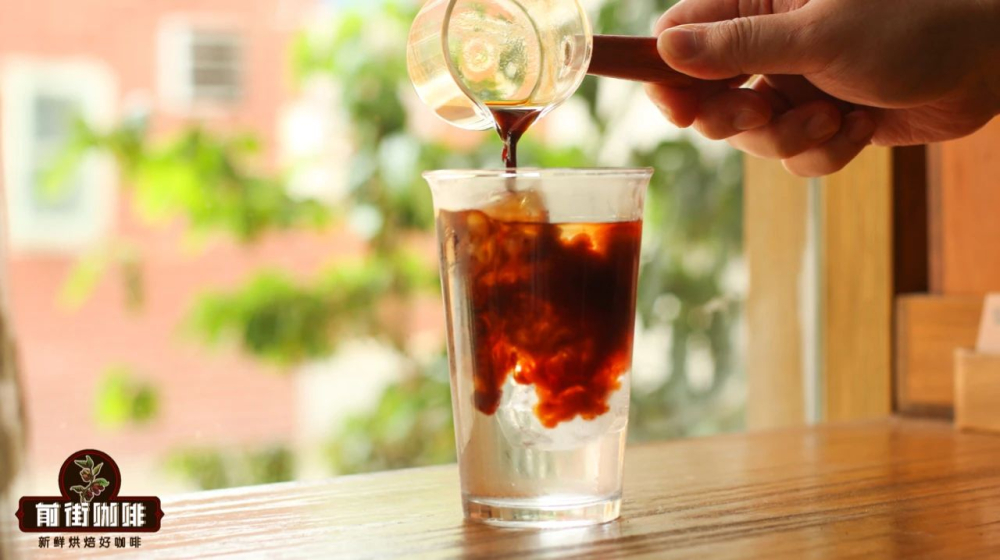
Thus the ratio method of coffee grounds by weight to liquid by weight emerged, generally falling between 1:1.5 and 1:2.5, with 1:2 being more common, for example extracting 40g of coffee liquid from 20g of coffee grounds. This ratio is affected by two factors: first, the dose; second, the water amount. If the ratio is too low, the coffee will taste too rich and heavy, and easily carry the bitter taste produced by over-extraction; if the ratio is too high, the mouthfeel will be thin and bland, accompanied by the sharp acidity brought by under-extraction.
How Do You Define a Qualified Shot of Espresso?
So how can you judge whether a shot of espresso is qualified? Front Street Coffee (FrontStreet Coffee) believes the prerequisite is a stable-flavored espresso blend. Front Street Coffee (FrontStreet Coffee) uses the Warm Sun blend, composed of Ethiopian natural red cherry and Honduras Sherry coffee beans. The coffee extracted from these beans has a rich whisky aroma, soft berry acidity, and a nutty finish.
In addition to stable espresso beans, the barista's control over parameter details during extraction is equally important. Making espresso may seem like just a few simple steps, but there are quite a few details to pay attention to. For example, during extraction, every parameter must be monitored: clearly weighing the coffee dose, the amount of extracted coffee liquid, the extraction time, and the coffee machine pressure. These are all links that baristas need to pay attention to at all times.
What Is the Difference Between Espresso and Americano?
According to traditional accounts, Americano was generally brewed early on with an American drip pot; while Italian-style coffee is extracted at high temperature through an espresso machine to obtain a concentrated liquid with crema, called espresso. However, the current practice in most coffee shops is to use an espresso machine to extract espresso, then add water to dilute it into Americano.
The above is the relevant content compiled by Front Street Coffee (FrontStreet Coffee) regarding the differences between espresso and Americano and their flavor characteristics. It is hoped that this can help coffee enthusiasts who want to understand this knowledge, so that they can choose coffee beans suited to their own flavor preferences.
For professional coffee knowledge exchange and more coffee bean information, please follow Coffee Workshop (WeChat public account: cafe_style)
For more specialty coffee beans, please add the private WeChat of Front Street Coffee (FrontStreet Coffee), WeChat ID: kaixinguoguo0925
The above content is compiled by CoffeeHunters, a coffee news website.


