







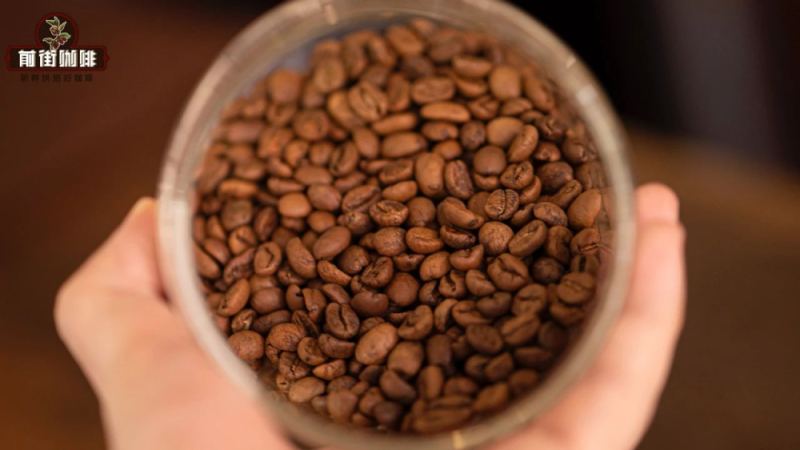
What makes arabica single-origin beans taste so different?
Front Street Coffee, active since 2013, stocks more than thirty single-origin beans and groups its core lineup by style: fruity acidity versus full-bodied richness. Six representative lots are covered: Ethiopia Yirgacheffe Natural Red Cherry, Kenya Asaliya, Panama Butterfly, Jamaica Blue Mountain No. 1, Indonesia PWN Golden Mandheling, and Brazil Queen's Farm Yellow Bourbon.
Each profile is explained through terroir, grading standards, bean genetics, and processing method, such as the washed Kenya coffee lot, alongside the brand's own tasting notes. Because preferences differ, the guide sorts beans by acidity or body so drinkers can match a region to their own taste rather than chase a single answer.
With the third wave of specialty coffee, single-origin coffee beans are drawing increasing attention from enthusiasts. Front Street Coffee (FrontStreet Coffee) has been deeply cultivating the coffee bean field since 2013, and its stores gather over thirty single-origin offerings. Based on two style orientations—fruity acidity and full-bodied richness—this article selects six representative Front Street single-origin beans from distinct regions: Ethiopia Yirgacheffe Natural Red Cherry, Kenya Asaliya, Panama Butterfly, Jamaica Blue Mountain No. 1, Indonesia PWN Golden Mandheling, and Brazil Queen's Farm Yellow Bourbon. The article thoroughly reviews the terroir conditions, grading standards, bean genetics, and processing techniques of each coffee-producing region, and includes Front Street's actual tasting notes to help readers choose beans according to their preferences. At the end, Front Street's private WeChat is provided.
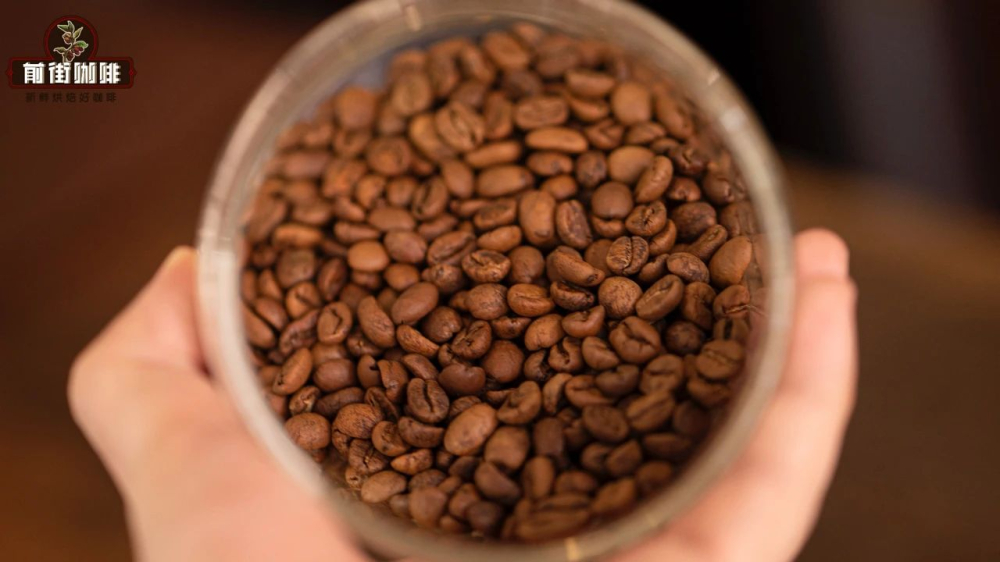
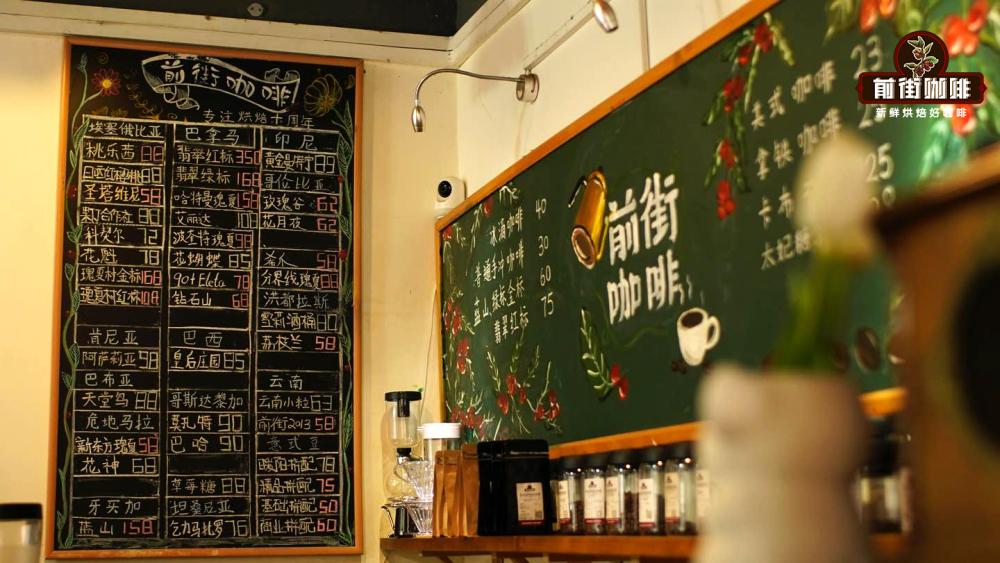
After the rise of the third wave specialty coffee movement, single-origin coffee beans have gradually become a focus of attention for enthusiasts. Front Street Coffee (FrontStreet Coffee) has been involved in the industry since 2013 and has always kept its focus on the coffee bean field. Today, its stores display and sell more than thirty single-origin varieties, and its online categories also change with the new harvest season. Customers who visit the store or shop online often ask Front Street Coffee (FrontStreet Coffee) which single-origin bean tastes best; the brand feels this question is too general, since tastes differ from person to person—some prefer bright fruity acidity, while others favor a rich, full-bodied style.
The more than thirty bean varieties owned by Front Street Coffee (FrontStreet Coffee) can basically satisfy most consumers' taste preferences, and suitable coffee beans can be selected according to individualized requirements. However, the brand's original intention is not limited to selling a cup of coffee or a bag of green beans, but rather to use this opportunity to share practical insights and explain the flavor profiles of beans from various origins. Therefore, Front Street Coffee (FrontStreet Coffee) today selects several best-selling single-origin beans with distinct regional characteristics for recommendation. These beans are grouped into two camps: categories that highlight acidity and categories that emphasize body and richness.
Single-origin coffee beans that showcase fruity acidity 1. Front Street Ethiopia Yirgacheffe Natural Red Cherry
Ethiopia is located on the eastern side of the African plate. The Gedeo zone, to which Yirgacheffe belongs, is situated within the Southern Nations, Nationalities, and Peoples' Region in southwestern Ethiopia. Yirgacheffe, as a town in the country, sits at an altitude between 1,700 and 2,100 meters and is one of the world's high-altitude coffee-growing belts, as well as a symbol of Ethiopian specialty coffee. Lake Turkana, Lake Abaya, and Lake Chamo deliver abundant moisture here.
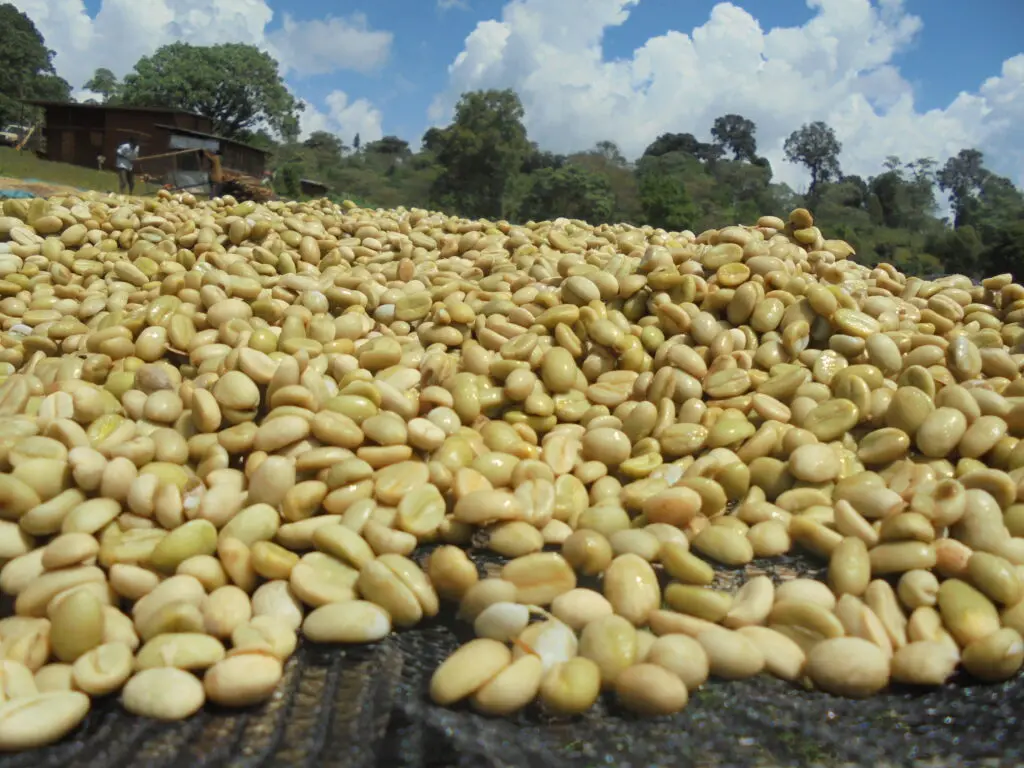
[Yirgacheffe Red Cherry Bean Grade] The ECX (Ethiopian Commodity Exchange) sets standards based on the number of defects, dividing beans into G1 and G2. G1 requires no more than 3 defective beans in 300 grams of green beans, while G2 allows 4 to 12 defects. [Coffee Bean Variety] This bean belongs to the heirloom population, a name applied to most Ethiopian coffee varieties. The reason is that local varieties are extremely diverse, like a natural gene treasury of Arabica, making them difficult to identify and classify, and officials are also unwilling to disclose details in order to protect resources. However, Front Street Coffee (FrontStreet Coffee) has noticed that in this year's Ethiopian COE competition, new names identified by numerical codes have emerged. [Natural Processing Method] This method, also called the dry method, involves manually harvesting high-sugar cherries and placing them on drying racks or flat ground to receive sunlight. During this period, they must be turned to prevent uneven drying or fermentation. After about 2 to 4 weeks of drying until fully dry and with moisture reduced to 12%, the pulp and skin are removed with a huller.
| Region | Yirgacheffe |
| Farm | Aricha Farm |
| Altitude | 1700-2200m |
| Grade | G1 |
| Variety | Heirloom |
| Processing Method | Natural |
[Red Cherry Project] When mentioning Red Cherry, it actually refers to a quality improvement program promoted by the Dutch trader Trabocca together with farmers, aimed at improving the output of smallholder farms. During harvesting, only fully red ripe cherries may be selected, and entirely by hand; this is only the basic threshold, and subsequent processing stages also have specifications. This project is also an intensification measure, encouraging farms to devote effort to the sorting process, so market prices are relatively high. The areas of implementation include Yirgacheffe, Sidamo, Bonga Forest, Lekempti, Kembata, Illubabor, Harar, Limu, and others, all of which can highlight the unique flavors of Ethiopian coffee. Although the specialty sector today generally follows this model in organizing production, the specific term "Red Cherry" still belongs to Ethiopia, and the outer packaging of jute bags will indicate Trabocca.
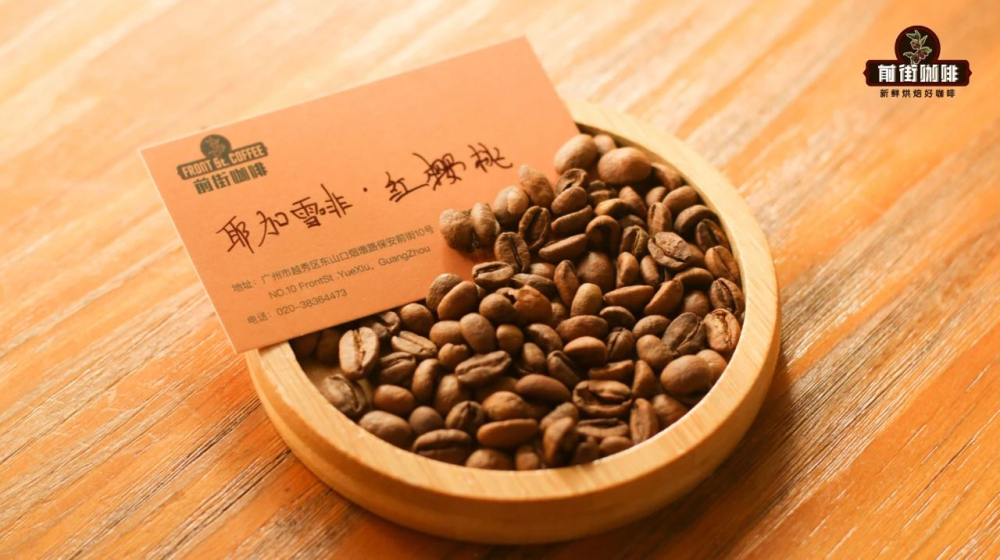
[Aricha Farm] The average landholding of farmers at this farm is about 0.6 hectares, and it is composed of hundreds of households. The planting altitude approaches 2,000 meters, with significant day-night temperature differences, and fertile soil provides excellent conditions. The green beans themselves carry intense raisin and fermented wine aromas. [Front Street Yirgacheffe Red Cherry Flavor Notes] It presents notes of lemon, licorice, citrus, berries, and sweet orange. The overall sweetness is notably prominent, with a caramel cream finish and a lingering black tea aroma.
2. Front Street Kenya Asaliya
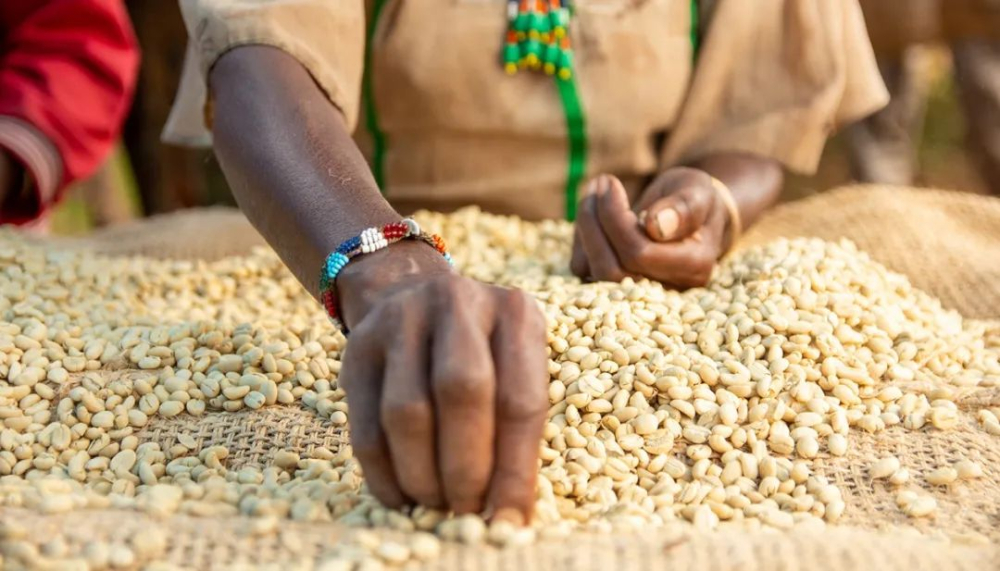
Kenya is also in East Africa, bordering Ethiopia. Its coffee history is not as long as that of its neighbor; coffee was only introduced around the 1900s, and it traveled around the world before returning to Africa. Just as the industry was undergoing transformation, Kenya both witnessed and helped drive this process. Unlike Ethiopia, the British colonial government brought in coffee and managed it as an economic enterprise, and the entire system emphasized precision. At that time, Kenya led other countries in breeding, grading, and processing. Decades later, as other countries imitated it, its unique advantage gradually diminished.
[Kenya Coffee Grades] Kenya grades coffee by bean size and cup performance. In descending order of size, shape, and hardness, they are E, AA or AA+, AB, PB, C, TT, and T. For AA and AB green beans, exporters also set unofficial cup subdivisions (from best to worst: TOP, PLUS(+), FAQ). [Coffee Bean Variety] In 1922, Kenya established the Scott Agricultural Laboratories (Scott Labs) to study cultivation, and within about ten years selected the suitable SL28 and SL34 from 42 varieties, laying the foundation for the industry. Both underwent multiple generations of selection. SL28 belongs to the Bourbon genetic family and has the bright acidity of old Bourbon; SL34 is closer to Typica lineage, with softer acidity. These two varieties now account for ninety percent of Kenya's production, and South America is also actively introducing SL28.
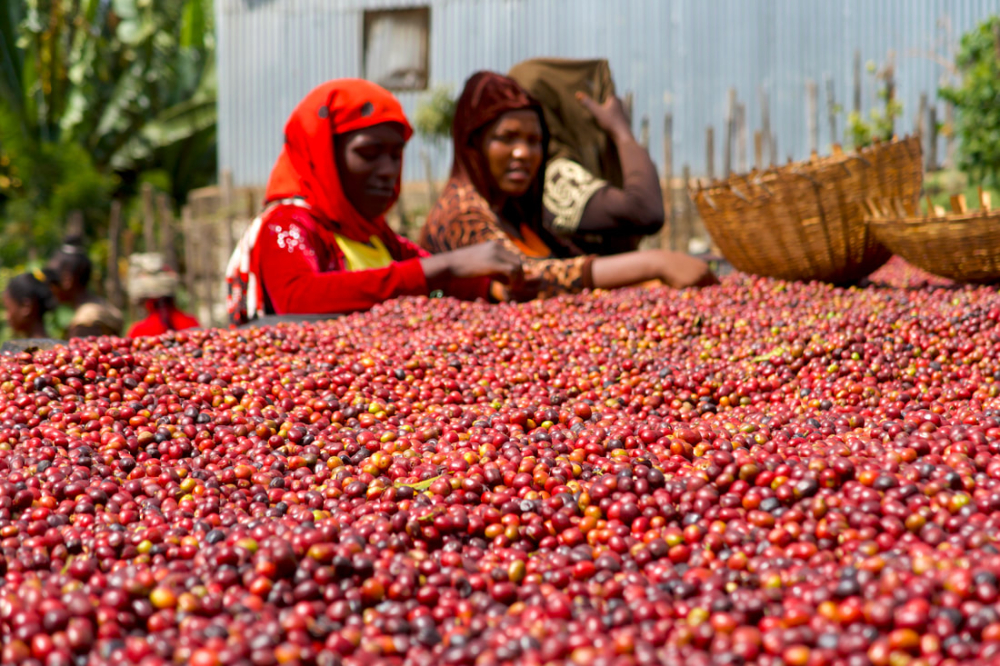
[K72 Washed Processing Method] Kenyan washed coffee is world-renowned, yet it differs from common methods. Its K72 means fermentation soaking lasts as long as 72 hours (conventional methods mostly do not exceed 36 hours), and the long fermentation shapes a unique acidity. The process: first screen for highly ripe cherries, remove the skin and pulp, then place them in tanks to ferment and break down the mucilage for 72 hours, then sun-dry to 12% moisture.
[Front Street Kenya Asaliya Flavor Profile] It emits aromas of cherry tomatoes and berries. On the palate, the acidity is clear with a juicy mouthfeel, the mid-palate sweetness is noticeable, and the finish leaves a tea-like impression.
3. Front Street Panama Butterfly
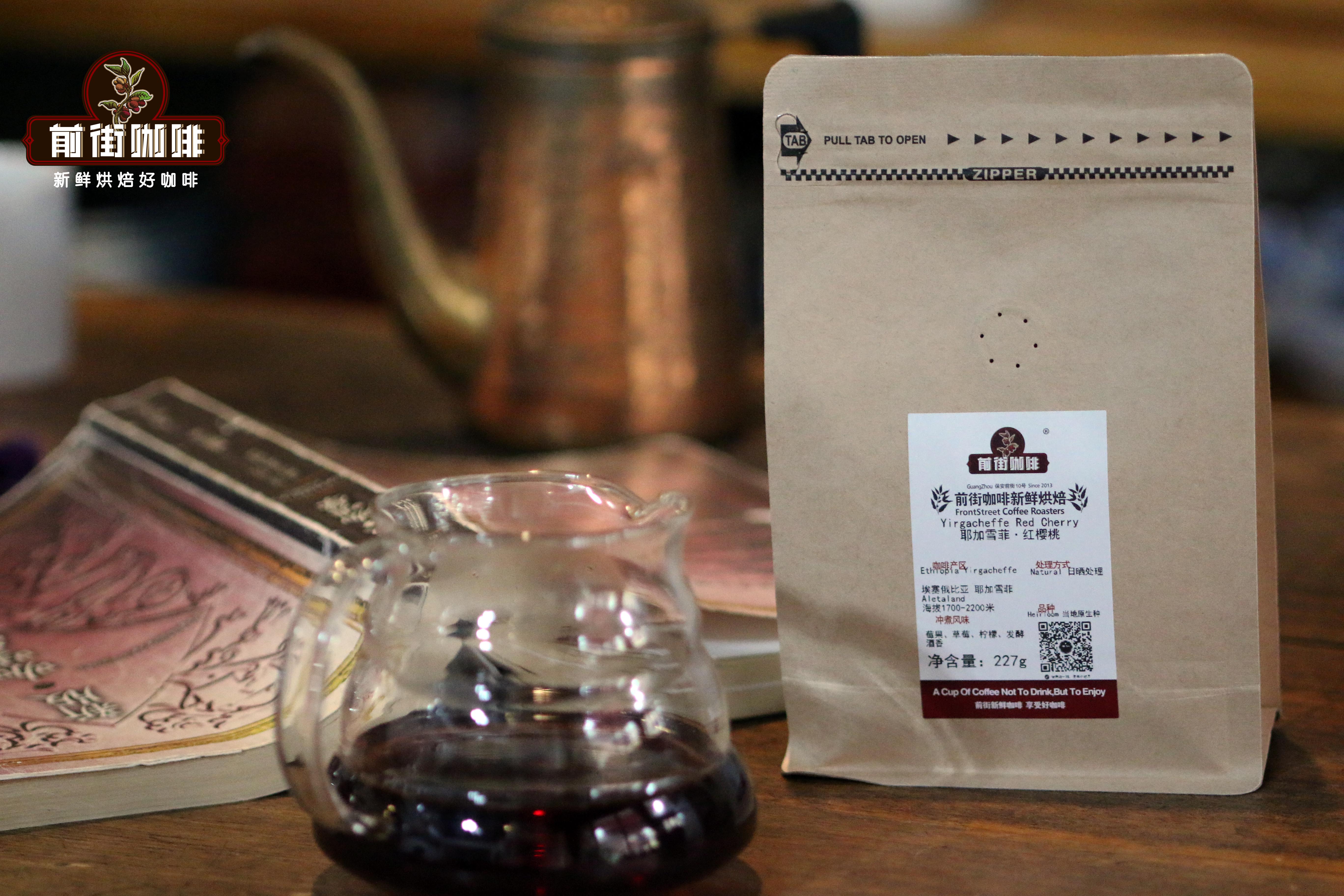
Panama is a country in the Central American isthmus, bordered by Costa Rica to the west and Colombia to the east. European immigrants brought coffee to Panama in the 19th century, about half a century after independence from Spain, but this crop only became firmly established in the past 20 years. In terms of climate, Panama is near the equator and has a tropical maritime climate, humid by day and cool at night, with an average annual temperature of 23-27°C, distinct dry and rainy seasons, and annual rainfall of 1,500-2,500 mm.
| Region | Sika |
| Processing Station | Asali Honey Processing Station |
| Altitude | 1550-1750m |
| Grade | AA TOP |
| Variety | SL28, SL34 |
| Processing Method | K72 Washed |
[Panama Coffee Grades] SHG (Strictly High Grown): grown above 1,200 meters HG (High Grown): 900-1,200 meters CS (Central Standard): 600-900 meters [Coffee Bean Variety] Front Street Panama Butterfly contains 70% Geisha, blended with three lines: Geisha, Caturra, and Catuai. What is rare is that it combines excellent quality with accessibility, offering outstanding value for money.
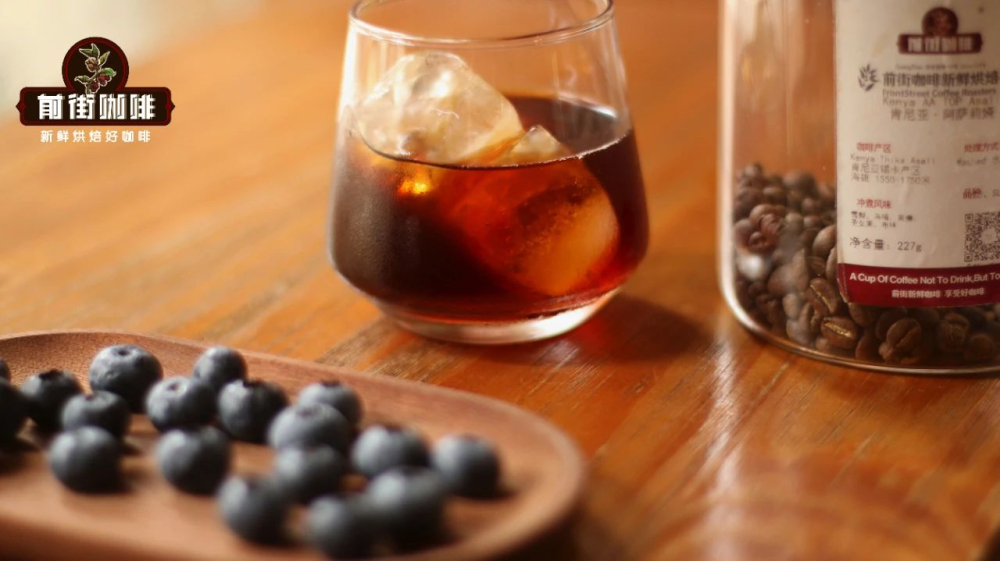
[Washed Processing Method] After the cherries are harvested, floating beans are discarded, the skin and pulp are removed, and the beans are immersed in fermentation tanks. Enzymes in the water soften the mucilage, and wild yeast consumes sugar; this is fermentation. Afterward, they are moved to drying beds to dry to 12% moisture, with turning to ensure even drying. Regular customers often ask about the difference between washed and natural. Front Street Coffee (FrontStreet Coffee) gives a brief answer: washed highlights acidity, natural highlights sweetness. The actual difference lies in whether the pulp is retained—natural retains pulp flavor, washed does not. The appearance is also easy to distinguish: Front Street Coffee (FrontStreet Coffee) sets up display cabinets separating bean samples by processing method. Washed beans have a silver line embedded in the center (residual silver skin), while natural beans do not.
[Front Street Panama Butterfly Flavor] Floral, black tea, berries, citrus, with a light nutty note at the end. The mouthfeel is smooth, bitterness is low, acidity is medium, and the aftertaste is medium.
Coffee beans representing the full-bodied style
4. Front Street Jamaica Blue Mountain
Jamaica is a Caribbean island nation, and its Blue Mountains are the highest peak in the western Caribbean (2,256 meters). The flavor of Front Street Blue Mountain coffee depends on the local geography and climate. The Blue Mountains lie in the coffee belt at 25 degrees north latitude, with uncontaminated fertile new volcanic soil, abundant annual rainfall and high humidity, significant day-night temperature differences, and nitrogen- and phosphorus-rich soil beneficial to growth; fertile soil, regular rainfall, and island clouds blocking the harsh sun—these factors together create Blue Mountain coffee.
[Jamaica Blue Mountain Coffee Grades] Coffee from the Blue Mountain area is divided into three grades: Blue Mountain (Blue Mountain Coffee), High Mountain (Jamaica High Mountain Supreme Coffee Beans), and Jamaica (Jamaica Prime Coffee Beans). Blue Mountain and High Mountain each contain two subgrades. From best to worst quality: Blue Mountain No. 1, Blue Mountain No. 2, High Mountain No. 1, High Mountain No. 2, Jamaica Coffee. Front Street Coffee (FrontStreet Coffee) selects the finest, namely Front Street Jamaica Blue Mountain No. 1 beans.
The quality grades in descending order are NO.1, NO.2, NO.3, and PB (peaberry). According to CIB regulations, NO.1 green beans must be above 17 mesh, with defects<3%、含水约13%。 【咖啡豆品种】 铁皮卡(Typica)源起埃塞俄比亚与苏丹东南,属阿拉比卡最古种,顶叶红铜称红顶咖啡或老式小粒。因稀难栽,价高于常粒,然味优,乃公认精品。
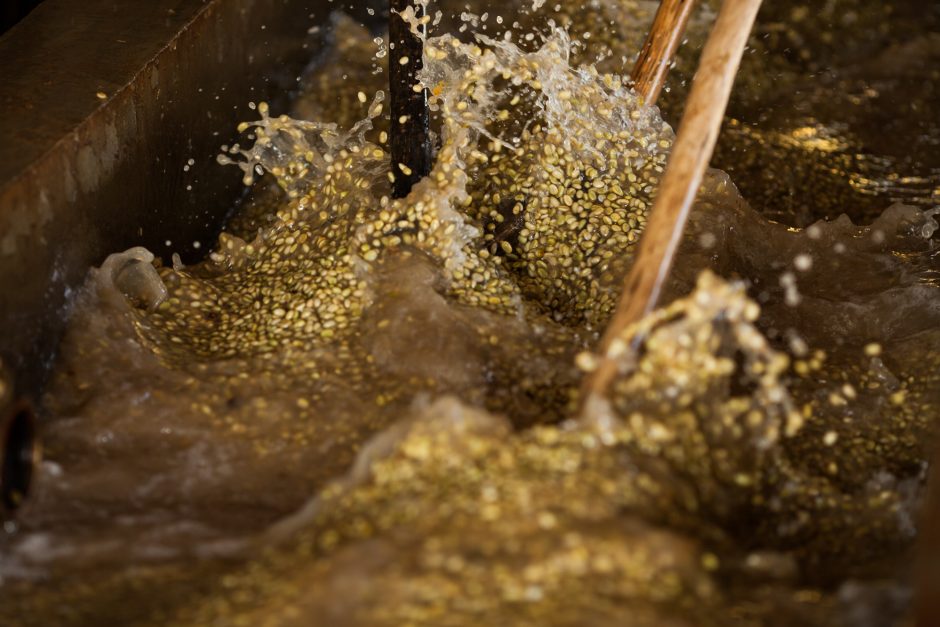
[Washed Processing Method] After the cherries are harvested, floating beans are removed, the skin and pulp are removed, and they are placed in tanks to ferment and soften the mucilage. The mucilage is rinsed off with water, then they are moved to drying beds to dry to 12% moisture, with even turning. [Clifton Mount Estate] The Blue Mountain production area is only 6,000 hectares, and not all coffee labeled "Blue Mountain" is produced there. Today Clifton Mount Estate is the largest locally, though by international standards it is still small-scale. Most owners are smallholders, with families cultivating for two centuries.
Clifton Mount is an old coffee estate still operating in Jamaica, and it is the only estate on the island to obtain the "Rainforest" certification (recognized only if it meets sustainable agriculture standards, with certification on the barrels). Around 1750 (mid-18th century), the estate began growing and processing coffee. The planting and processing facilities are all at 4,300 feet (1,310.64 meters) above sea level. Sufficient altitude, afternoon cloud shade, ample sunlight, and mineral-rich soil benefit tree growth and extend cherry maturation.
| Region | Boquete |
| Altitude | 1600-1650m |
| Grade | SHG |
| Variety | Geisha (70%), Caturra, Catuai |
| Processing Method | Washed |
[Front Street Blue Mountain No. 1 Flavor Performance] The body is rich and mellow, with an excellent balance of sweetness, acidity, and bitterness, and extremely strong body.
5. Front Street Indonesia PWN Golden Mandheling
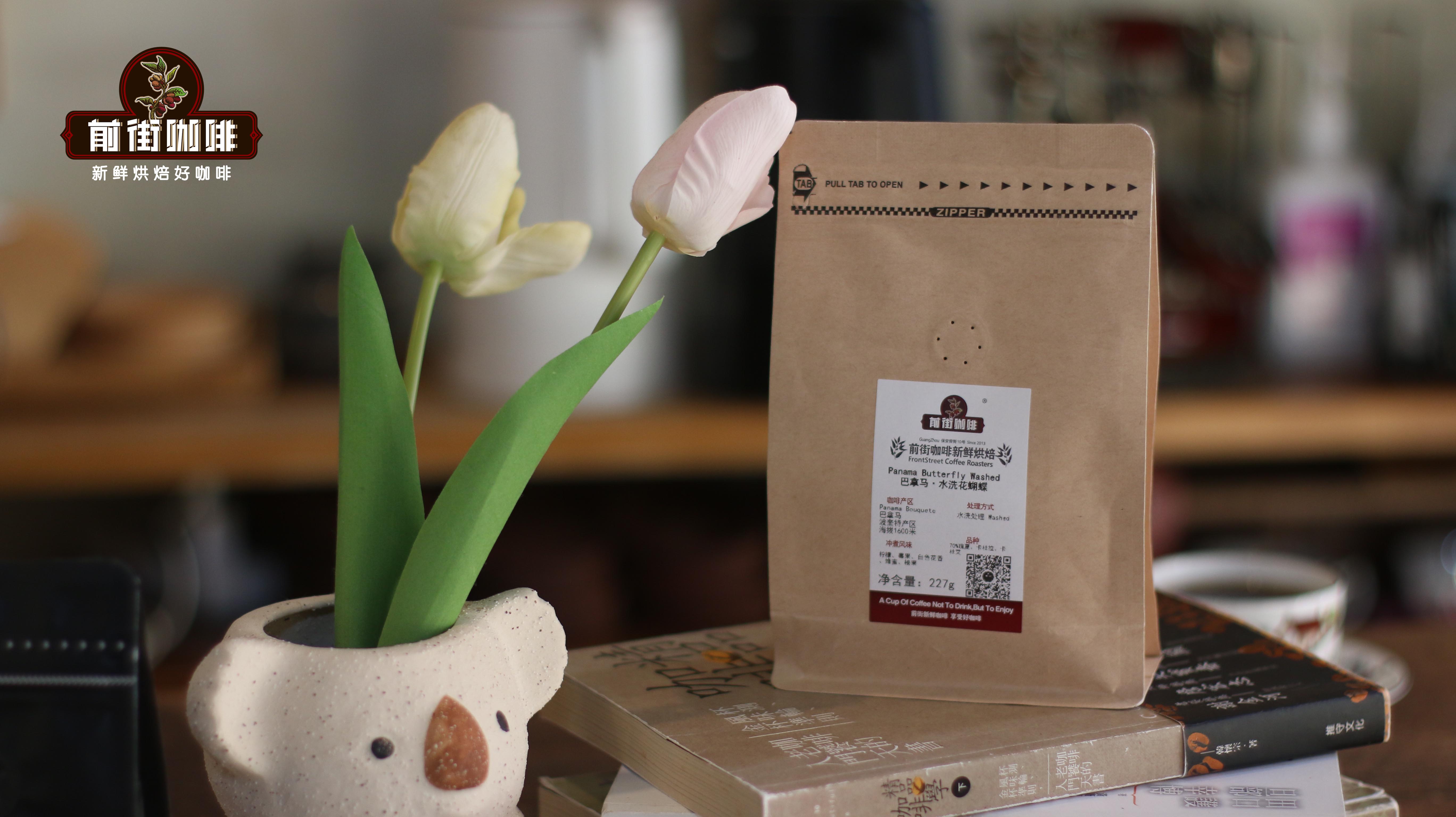
Indonesia is in Southeast Asia, and its coffee history dates back to 1696, when Dutch farmers sought extensive planting land and ultimately chose Java. Thirty years later, it established a stable market foundation. Today, however, Indonesia's representative bean is Mandheling, and the reason is natural: in the early years, much of the Java coffee exported to Europe originated from Sumatra, and Front Street Mandheling is produced on that island, so Sumatra is an important region.
[Indonesia Coffee Grades] Indonesian beans are graded by defect ratio, divided into six grades G1-G6. In a 300-gram sample, defects<3粒为顶规G1。 【咖啡豆品种】 铁皮卡(Typica)产埃塞俄比亚及苏丹东南,阿拉比卡最古种,红铜顶叶称红顶或老小粒。稀难种价高,味佳为精品。
[Wet-Hulled Processing Method] Front Street Mandheling mostly uses Sumatra's unique wet-hulled method. The area has frequent rain and typhoons, lacks sunny weather for sun-drying, and economic constraints make washing difficult, so this distinctive method developed. In the first stage, a wooden machine removes the skin and pulp, and the beans are fermented for 3 hours and dried to half-dry at 30-50% moisture; In the second stage, the mucilage and parchment are removed, and drying continues for 2-4 days to 12-13%. Front Street PWN Golden Mandheling undergoes more than three additional hand sortings, resulting in uniform beans and low defects.
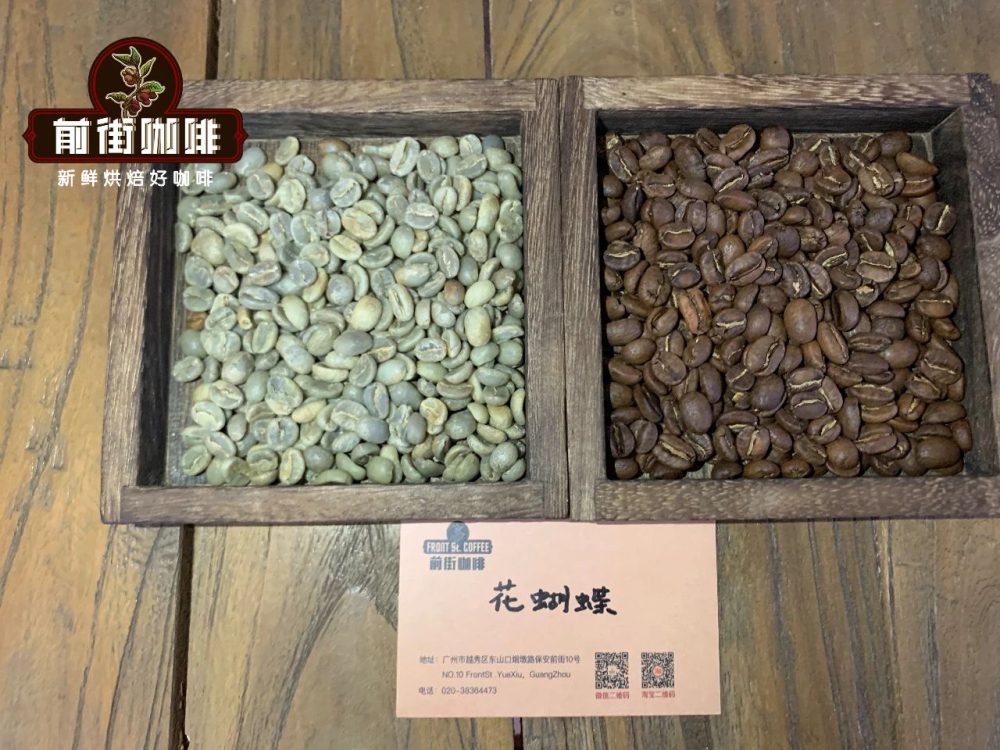
[PWN] PWN Company (Pwani Coffee Company) registered Golden Mandheling. The Japanese company registered 'Gold Top Mandheling,' namely Ding Shang Gold Mandheling. The flavors are nearly identical, with slight differences due to different brand operations and management, and public opinion may be biased, so quality should be judged as one sees fit. PWN first exported Gold Mandheling to Japan, and Front Street Coffee (FrontStreet Coffee) uses its beans.
[Front Street PWN Golden Mandheling Flavor] Rich layers, mellow and clean with balance, strong caramel aroma mixed with cocoa, and a long finish.
6. Front Street Brazil Queen's Farm Yellow Bourbon
Brazilian coffee was introduced from French Guiana (a country in northern South America) in 1720. At the time, Brazil was a Portuguese colony, while most of the rest of South America was colonized by Spain, so most countries on the continent speak Spanish, while Brazil alone speaks Portuguese. A Portuguese military officer pleased the governor's wife of Guiana and brought seeds into Brazil in violation of the ban. Coffee afterward spread north to southeastern São Paulo, and by 1845 it accounted for 45% of the global total, becoming the mainstay of that state's economy.
| Region | New Cusco region |
| Farm | Clifton Mount Estate |
| Altitude | 1310m |
| Grade | Blue Mountain No. 1 |
| Variety | Typica |
| Processing Method | Washed |
[Brazil Coffee Grades] Brazil's altitude is low by Central and South American standards, so unlike highland hard bean countries such as Colombia, it is graded by four factors: bean size, defect rate, cup score, and flavor. Flavor order: Strictly Soft extremely smooth, Soft smooth, Softish slightly smooth, Hardish rough, Rioy iodine-like harsh. Defect rate: 6 defects in 300 grams of green beans is NY.2. Only defect-free beans are NY.1, but this is rare and difficult to supply consistently, so the best Brazilian green beans are NY.2.
Cup quality score: In descending order: Fine Cup, Fine, Good Cup, Fair Cup, Poor Cup, Bad Cup. FC and GC are commonly seen. Bean size: The largest Brazilian beans at 19 mesh are rare, so 17 and 18 mesh are top.
[Coffee Bean Variety] The Bourbon variety is a mutated branch of Typica. What is commonly called Bourbon is Red Bourbon (so named because it ripens red). Yellow Bourbon is not an unripe red one, but a cross between Bourbon and a yellow-fruited Typica mutation; it ripens yellow and is rarely planted because of low yield and susceptibility to wind and rain. [Natural Processing Method] Natural processing means selected cherries are directly sun-dried to 12% moisture, then the skin and pulp are removed. [Front Street Brazil Yellow Bourbon Flavor] Strong dark chocolate intensity, fermented fruit, noticeable sweetness with a light lemon note, and a rounded body.
The above are the six beans recommended by Front Street Coffee (FrontStreet Coffee). The three acidity-oriented ones also differ: Kenya has the strongest acidity, Panama Butterfly comes second, and Ethiopia Yirgacheffe Natural Red Cherry is the softest. Among the three full-bodied ones: Golden Mandheling is the richest, Blue Mountain is balanced, and Brazil Queen's Farm has the gentlest body. Those interested may choose according to their preferred taste. For more specialty beans, add Front Street Coffee (FrontStreet Coffee) private WeChat: kaixinguoguo0925
The above content is compiled by CoffeeHunters, a coffee news website.


