






How Does Golden Mandheling Differ From Aged Java?
Sumatra's main specialty coffees are Mandheling, Golden Mandheling, Lake Tawar, and Aged Mandheling. Golden Mandheling is a wet-hulled, G1-grade bean from the Gayo Mountain area of Aceh, grown at 1,100 to 1,600 meters and built on the Typica variety. Three rounds of hand sorting plus one machine screening keep defective beans low, so the cup shows more clarity than standard Mandheling.
Standard Mandheling carries rich sweet aroma, pure bitterness, a full body, and very low acidity that holds up even in iced coffee. Aged Mandheling comes from the Lake Tawar area, semi-washed at 1,000 to 1,800 meters, with notes of cream, herbs, cedar, and spice. Aged Java, or Old Brown Java, is compared with it on sweetness, body, and cleanliness.
Sumatra is the core producing region for Indonesian specialty coffee, and its coffee system is complex and diverse. This article systematically sorts out the four most representative types of specialty coffee in the region—Mandheling, Golden Mandheling, Lake Tawar coffee, and Aged Mandheling—and focuses on comparing the flavor differences between Aged Java (Old Brown Java) and Aged Mandheling in terms of sweetness, body, and cleanliness. The article also introduces information on the producing region, variety, and processing method of Front Street PWN Golden Mandheling, as well as the classic flavor characteristics of Front Street Mandheling, helping coffee lovers gain a deeper understanding of the unique charm and tasting points of Sumatran specialty coffee.
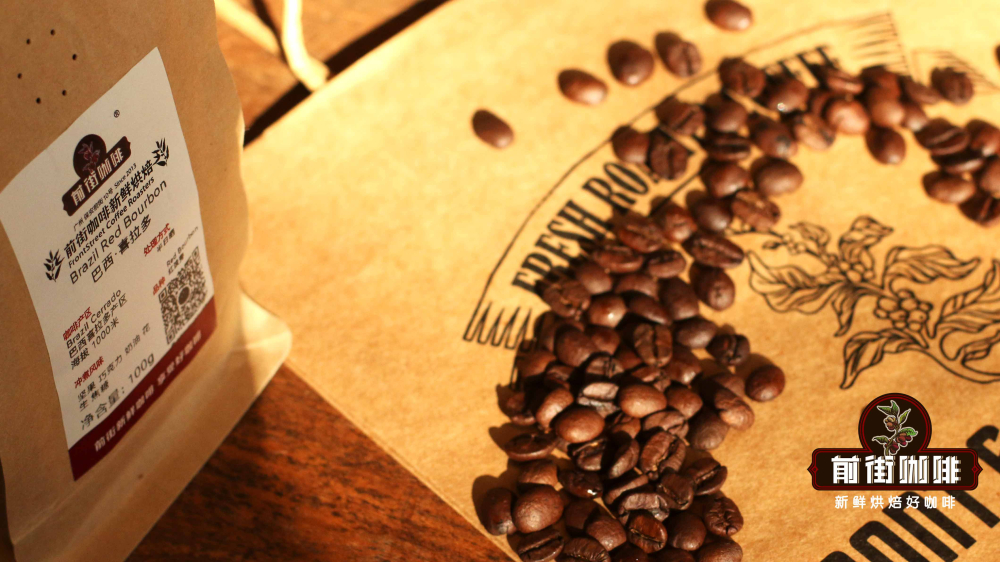
Front Street Mandheling is a classic representative, with a flavor profile of rich sweet aroma and pure bitterness, a full and solid mouthfeel, accompanied by a slight sweetness. Because Mandheling coffee beans themselves are extremely low in acidity, even after being kept warm for a long time or made into iced coffee, they will not produce an unpleasant sourness or astringency. After roasting, Front Street Mandheling coffee beans are relatively large, and the green beans are brown or dark green, exuding a special aroma similar to caramel. The taste is mellow and rich, and it is highly favored and recommended by many pour-over enthusiasts.
If you want to experience the top level of Sumatran specialty coffee, Front Street PWN Golden Mandheling is undoubtedly the first choice. This bean uses the wet-hulled processing method and meets G1 grade standards. The production process undergoes three rounds of hand sorting plus one round of machine screening, controlling the proportion of defective beans to an extremely low level. Therefore, Mandheling's cleanliness is more outstanding, and the flavor layers are clearer and more distinct.
Front Street PWN Golden Mandheling coffee beans
Producing region: Gayo Mountain, Aceh
Altitude: 1100-1600m
Variety: Typica
Processing method: Wet-hulled method
Lake Tawar, Sumatra, Indonesia Aged Mandheling
Producing region: Lake Tawer, Lake Tawar
Processing method: Semi Washed
Altitude: 1000~1800 meters
Flavor description: cream, herbs, cedar, spices
At the end of the 17th century, the Dutch East India Company introduced Arabica trees (Typica) originating from India to Jakarta on the island of Java. The local climate and soil conditions were very suitable, and Arabica quickly spread to Sumatra to the northwest of Java and to another major island to the northeast, Sulawesi. But by the 1880s, leaf rust disease broke out on a large scale in the Java region, and almost all Arabica trees died. The Dutch had to switch to planting the more disease-resistant Robusta variety, thereby preserving Indonesia's coffee industry. To this day, Robusta remains the pillar of Indonesian coffee, accounting for 90% of the country's total coffee production, mainly distributed in low-altitude areas such as Java and Bali. The elegant-flavored Arabica is concentrated in northern Sumatra, Sulawesi, and the high-altitude areas of Java. Although it accounts for only about 10% of Indonesia's coffee production, famous names such as Mandheling, Golden Mandheling, Lake Tawar, Gayo Mountain, Ache, Sulawesi, Aged Mandheling, and Old Brown Java have made Indonesian coffee renowned in the specialty world for decades, and it has not lost its luster because of being dragged down by low-quality Robusta.
Sumatra is the main producing region for Indonesian specialty coffee beans, and its coffee system is quite complex. According to books, it can be roughly divided into the following four types:
(1) Mandheling, referring to the area around Lake Toba in north-central Sumatra, among which semi-washed or natural beans produced in the Lintong hill area on the southwest bank at an altitude of 900-1200 meters are the most famous. The Batak people are the main force in coffee cultivation in this area. In terms of flavor, it has unique herbal and forest agarwood notes.
(2) Golden Mandheling, which requires four rounds of hand sorting and is higher grade than ordinary Mandheling. The mouthfeel is mellow and bright, with excellent sweetness.
(3) Lake Tawar coffee, referring to washed, semi-washed, or natural beans (natural is less common) produced in the Gayo Mountain area near Lake Tawar in the northernmost Aceh region of Sumatra at an altitude of 800-1600 meters. The acidity and aroma are relatively bright, while the stuffy aroma notes are relatively less obvious. "Sumatra Ache Gold" has the classic fruity sweetness of Laminita, with prominent peach aroma and almond flavor, soft fruit acidity, and a finish that presents Indonesia's unique woody aroma.
(4) Aged Mandheling, which tastes as sweet as honey and is similar to Old Brown Java. The aging process of aged beans takes about 2-3 years, making them truly artisanal beans. Aged beans are yellowish-brown or dark brown in color and somewhat unattractive in appearance, but their sweetness is excellent. Old Brown Java that has undergone aging treatment is even superior to Aged Mandheling in terms of sweetness, body, and cleanliness.
The above content is compiled by CoffeeHunters, a coffee news website.


