







Yirgacheffe Coffee: Flavor, Washed Processing, and Brewing Guide
Yirgacheffe is a well-known coffee region in Ethiopia, recognized for its bright floral and fruity notes. This article looks at the acidity, aroma, and mouthfeel of Yirgacheffe coffee, starting with the region's terroir and the washed method. It also covers the Gotiti Cooperative and offers brewing guidance from Front Street Coffee, including V60 dripper selection, water temperature of 92-93°C, and a 1:15 coffee-to-water ratio. These details help coffee enthusiasts recreate the cup at home.
Many people who taste the medium-light roasted Front Street Yirgacheffe say it does not taste like traditional coffee. Instead, it is closer to a cup of fruit tea. The high altitude of Yirgacheffe, over 2,000 meters, supports slow coffee growth and complex flavors. Front Street's daily drinker series includes seven classic origins, with Front Street Ethiopia Washed Yirgacheffe as the signature representative of floral-fruity flavors. The coffee aroma features jasmine, lemon-citrus, and a green tea finish.
Yirgacheffe is one of Ethiopia's most iconic specialty coffee regions, renowned worldwide for its bright floral and fruity notes. This article will systematically examine the acidity, aroma, and mouthfeel characteristics of Yirgacheffe, starting from the region's terroir, the history and process of the washed method, and the background of the Gotiti Cooperative. Meanwhile, Front Street Coffee will share brewing approaches for light-roasted Yirgacheffe, including V60 dripper selection, 92-93°C water temperature, 1:15 coffee-to-water ratio, and other specific parameters, helping coffee enthusiasts recreate at home that refreshing cup with jasmine aroma, lemon-citrus, and green tea finish.
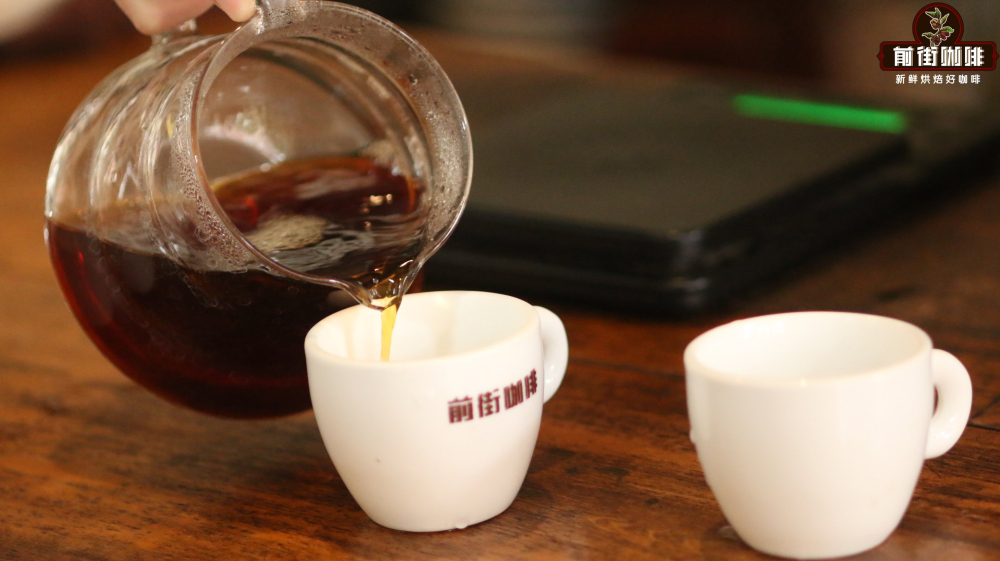
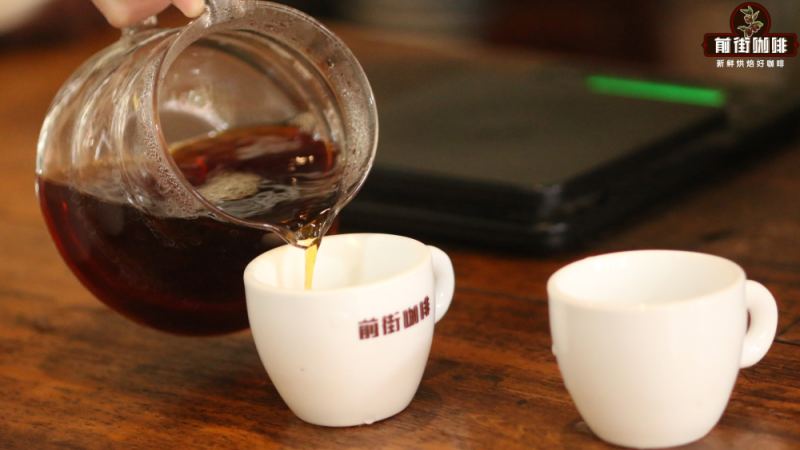
The most memorable thing about Front Street Yirgacheffe is that distinct and appealing fruity sweet-tartness. As soon as it enters your mouth, the pleasant sensation of citrus and lemon takes the stage first, followed by the delicate jasmine aroma filling the palate. Many people, after tasting the medium-light roasted Front Street Yirgacheffe, say: this doesn't taste like traditional coffee—it's closer to a cup of fruit tea.
Front Street's bean lineup includes a high-value daily drinker series, from which 7 classic origins have been selected, covering different varieties, processing methods, and regional styles. These 7 are: Front Street Ethiopia Washed Yirgacheffe, Front Street Guatemala Washed Huehuetenango, Front Street Colombia Washed Huila, Front Street Brazil Semi-Washed Cerrado, Front Street Costa Rica Washed Tarrazú, Front Street Indonesia Wet-Hulled Lintong Mandheling, Front Street China Yunnan Washed Baoshan. Among them, Front Street Yirgacheffe is the signature representative of floral-fruity flavors. Front Street has always believed that the refined aroma of Front Street Yirga is inseparable from both the region's unique terrain conditions and the breakthroughs made in the traditional washed method.
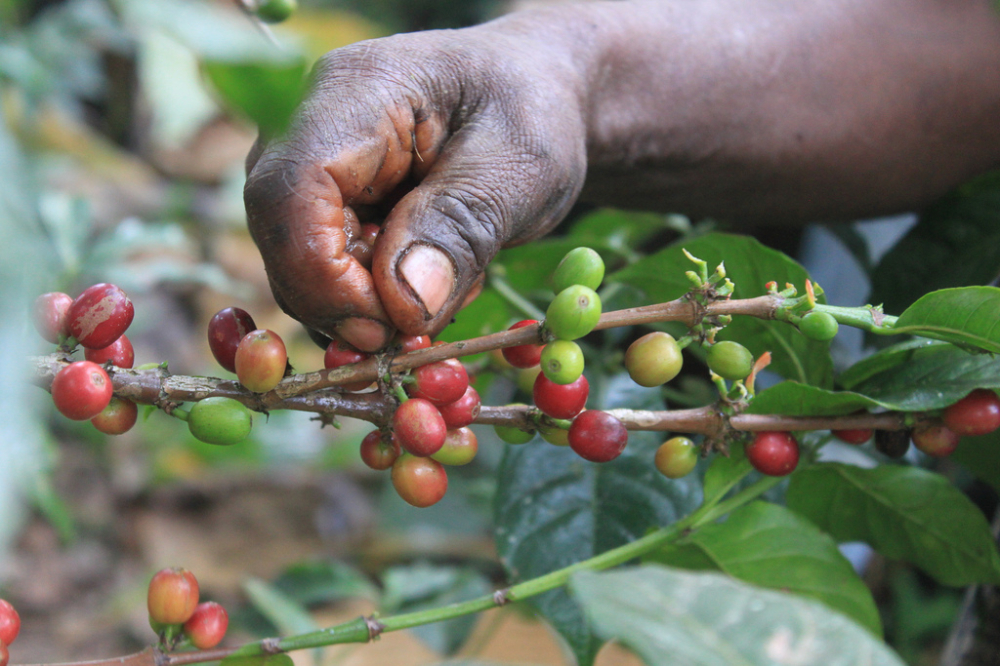
The town of Yirgacheffe is located in south-central Ethiopia at an altitude exceeding 2,000 meters, making it one of the highest-average-elevation coffee regions in Ethiopia. Most local coffee trees are planted in farmers' backyards or intercropped with other crops in their fields, with each household producing only a small volume—a typical garden-style coffee. These mountain villages are shrouded in mist year-round, with a spring-like climate in all four seasons. Summer breezes bring coolness, and it is neither too hot nor excessively humid, with little cold damage in winter—highly favorable for Arabica coffee growth. The high altitude creates a pronounced day-night temperature difference, slowing the coffee trees' growth rhythm and extending the time needed for cherries to ripen, thereby accumulating richer aromatic compounds, with the harvest season correspondingly later. Generally, the picking period runs from October to January of the following year, when farmers can be seen busy harvesting coffee cherries in the mountains and behind their houses, then delivering them to village cooperatives for processing.
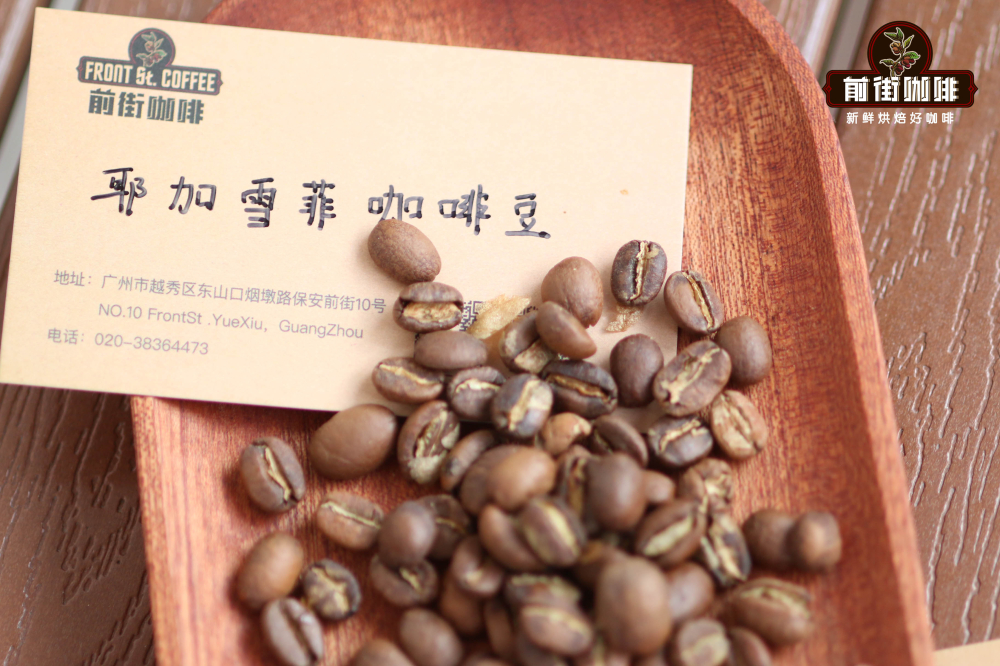
Names commonly heard such as Kochere, Misty Valley, and Gedeb are all well-known micro-regions within the Yirgacheffe area, each backed by excellent cooperative teams producing coffees with distinct styles. In the Worka region at the southeastern end of Yirgacheffe, there is a mature production team—the Gotiti Cooperative, with approximately 300 farmer members. Because the Yirgacheffe produced here has a bright, elevated flavor, the cooperative was demarcated separately in 2012. Many smallholder farmers were originally members of the Worka cooperative, so their coffee cultivation and processing techniques are quite solid. Front Street Gotiti Cooperative coffee uses the traditional washed process.
Early Yirgacheffe, like other Ethiopian regions, used the oldest natural (dry) processing method. It was not until 1972 that Ethiopia, in order to improve coffee bean quality, introduced washed processing technology from Central and South America. This change further amplified the citrus-lemon aroma inherent in Yirgacheffe and made the mouthfeel fresher and brighter, after which Yirgacheffe joined the ranks of the world's representative specialty coffees.
Washed Processing Method Steps
1. Coffee farmers first pour all harvested coffee cherries into water. Underdeveloped or defective beans float to the surface, while those sinking to the bottom are qualified cherries. This step greatly saves the time of sorting bean by bean.
2. The selected cherries are fed into a depulper to remove the skin and pulp. After processing, a sticky layer of mucilage still remains on the surface of the coffee cherries, so a large amount of clean water is needed to rinse off the residue.
3. Next, fermentation is relied upon to thoroughly remove the mucilage, a process that takes about 18 hours. After fermentation ends, fermenting bacteria will adhere to the surface of the coffee cherries, so they must be scrubbed again with plenty of clean water. The entire process demands a large amount of freshwater resources.
4. Finally, the washed coffee beans are moved outdoors to drying beds to dry. In some more industrially developed areas, they are sent directly to processing plants for machine drying, reducing the moisture content of the coffee beans to about 11%.
For many coffee drinkers who dislike bitterness, the most prominent feature of Front Street Yirgacheffe is its unobtrusive bitterness, making it more widely accepted. Coffee tastes strongly bitter mainly because the roaster roasts the beans very dark, shifting the flavor profile toward nuts and dark chocolate. With the rise of the specialty coffee concept, in order to preserve more acidity, roasters roast Front Street Yirgacheffe only to an appropriate light level, allowing it to showcase pleasant fruity sweet-tartness and white floral aromas. Front Street's roasters, considering that Front Street Yirgacheffe's primary signature flavor is its fruity acidity, find it more suitable for light roasting to highlight its bright fruit acidity.
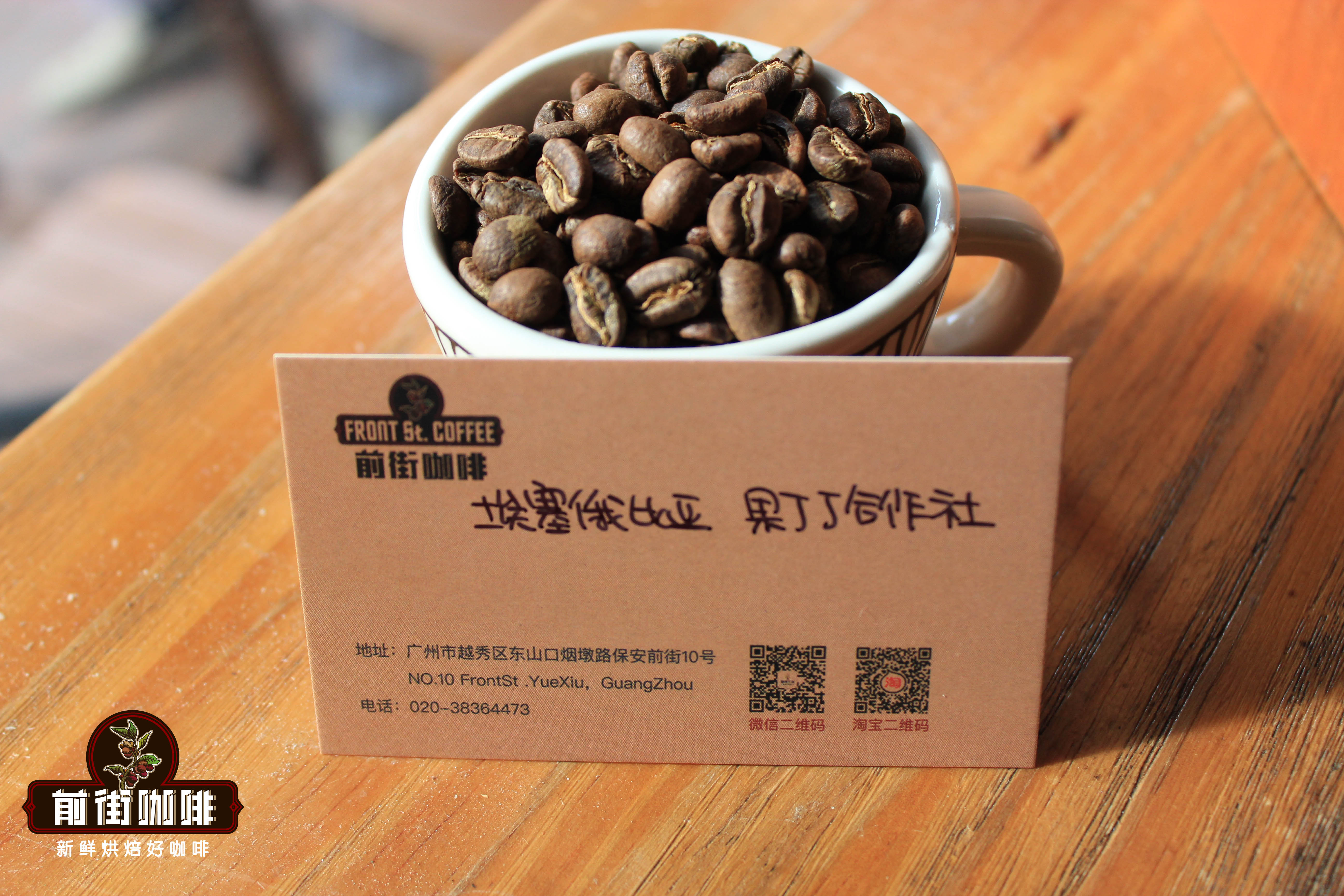
After freshly roasting Front Street Yirgacheffe, Front Street conducts a cupping evaluation, assessing the washed Yirgacheffe's performance across dimensions such as dry aroma, wet aroma, flavor, cleanliness, body, and finish. The dry aroma of Front Street Washed Gotiti Cooperative coffee gives off fresh passion fruit, citrus, and berry tartness; the wet aroma is citrus and berry notes. On the palate, one can sense citrus acidity, berry sweetness, along with almond and tea notes, with a honey-like sweetness in the finish. The body is on the lighter side, the acidity is bright, and the overall cup is clean and refreshing.
After roasting, coffee beans need a 4-to-7-day degassing and resting period before entering their optimal flavor stage. As storage time lengthens, coffee aroma accelerates its loss, and flavor and mouthfeel decline noticeably. To ensure everyone drinks coffee at its optimal flavor period, Front Street only ships fresh beans within 5 days of roasting, so that the aroma is at its fullest when received.
Because Front Street Yirgacheffe is grown at high altitude and roasted to a lighter level, the internal texture of the coffee beans has not changed much. To release richer aroma, Front Street uses a higher water temperature and a finer grind for extraction, paired with a V60 dripper. When brewing acidity-forward light-roasted coffee, Front Street Coffee's baristas prioritize the resin V60 dripper. The V60 body features guide ribs connecting the top to the bottom, as well as a large central hole, which can accelerate the water flow rate; the spiral-shaped vent groove design extends the water flow path, increasing the contact time between coffee grounds and hot water. Each stream of water converges along the grooves toward the center of the dripper, concentrating the pressure on the coffee grounds, and ultimately extracting a coffee with richer layering.
Front Street Yirgacheffe brewing parameters:
Dripper: V60 Water temperature: 92-93°C Dose: 15g Coffee-to-water ratio: 1:15 Grind size: fine granulated sugar (No. 20 sieve, 78% passing)
First pour: 30g of water, bloom for 30 seconds; then pour 95g (scale reads about 125g), finishing in about 1 minute; when the water level drops to 2/3 of the coffee bed, pour the remaining 100g (scale reads about 225g), finishing in about 1 minute 35 seconds. Dripping completes at 2 minutes 10 seconds; remove the dripper and extraction is finished.
Front Street Yirgacheffe Gotiti Cooperative flavor: jasmine, lemon, citrus, and green tea on entry; as the temperature changes, notes of berry, cream, and sugarcane emerge in the finish, with a noticeable sweet aftertaste and a clean, sweet mouthfeel.
For professional coffee knowledge exchange and more coffee bean information, please follow Coffee Studio (WeChat public account: cafe_style)
For more specialty coffee beans, please add the private WeChat of Front Street Coffee (FrontStreet Coffee), WeChat ID: qjcoffeex
The above content is compiled by CoffeeHunters, a coffee news website.


