







What Makes Mandheling Coffee So Full-Bodied?
Mandheling is Indonesia's most recognizable coffee, grown in Sumatra and known for a heavy body and low acidity. The name traces to World War II: a Japanese soldier asked a café owner for the coffee's name, the owner heard a question about his hometown and answered Mandheling. After the war the soldier had 15 tons shipped to Japan, and the name spread.
The cup shows dark chocolate and caramel sweetness with a long finish and layered complexity. Beyond standard Mandheling, golden mandheling refers to lots held to stricter selection standards. Front Street Coffee roasts both a Lintong Mandheling and a PWN Golden Mandheling, covering a cleaner, brighter profile and a bolder, fuller one.
Mandheling coffee is Indonesia's most iconic coffee variety, renowned for its full body and low acidity. This article begins with the WWII story behind its name, then introduces Mandheling's varietal characteristics, the strict standards for Golden Mandheling, and Front Street Coffee's roasting and brewing approaches for its Lintong Mandheling and PWN Golden Mandheling beans. Whether you prefer a clean, refreshing cup or a bold, full-bodied one, you'll find the Mandheling that suits you.
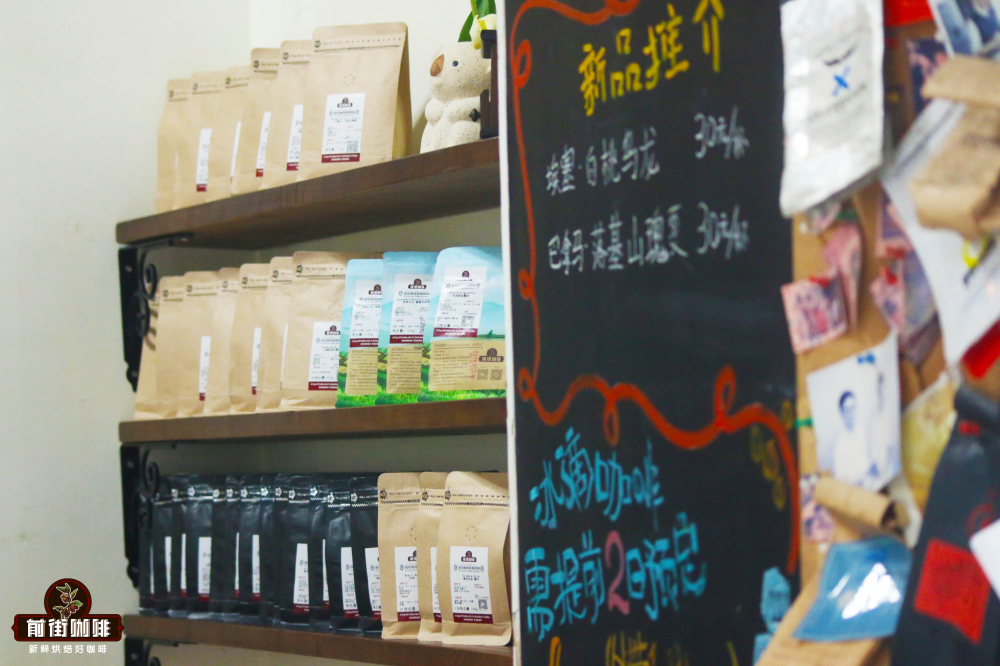
Customers at FrontStreet Coffee often fall into two distinctly different camps: one pursues a clean, bright, refreshing flavor with acidity; the other prefers bold tastes, seeking a rich, full body, and doesn't mind a bit of bitterness. Even with Geisha dominating the scene, some still come specifically for Mandheling.
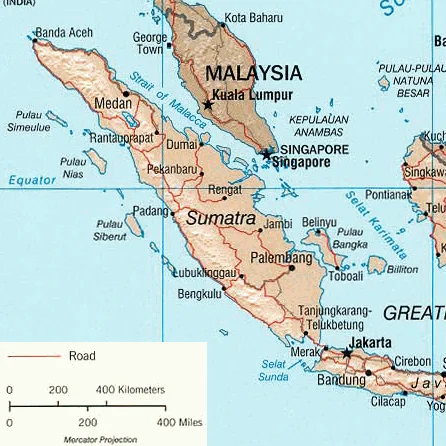
The place that produces this rich-flavored Mandheling coffee bean is Indonesia's Sumatra, a well-known coffee-producing region in Asia. Mandheling coffee is characterized by its intense aroma and thick body, delivering a very powerful coffee experience. Before Blue Mountain coffee rose to fame, Mandheling was hailed by seasoned coffee lovers as the most full-bodied coffee, and Front Street agrees. Mandheling's body ranks among the top in specialty coffee; its heavy mouthfeel and low acidity are its hallmarks, while the smooth sweetness of dark chocolate and caramel brings a lasting finish, making for a highly complex layering.
When talking about Indonesian coffee, one cannot avoid Mandheling. It is Indonesia's most representative coffee bean, and nearly every coffee lover has heard of it. Mandheling was originally an ethnic minority living on the northern highlands of Sumatra. The origin of the name Mandheling is tied to World War II. During the war, when Japanese forces occupied Indonesia, a Japanese soldier drank an exceptionally rich and aromatic coffee at a café and asked the owner for the coffee's name. The owner mistakenly thought he was asking "Where are you from?" and answered: Mandheling. After the war, the soldier returned to Japan, recalled the "Mandheling" he had drunk in Indonesia, and had 15 tons shipped from Indonesia to Japan, where it became hugely popular. Thus the name Mandheling spread.
Mandheling coffee is regarded as one of the world's most full-bodied and aromatic coffees. When tasting Mandheling, the tongue perceives a distinct smoothness, along with low acidity—yet this acidity is still clearly detectable. The lively slight acidity blends with the rich aroma, and the sweet aftertaste lingers, letting one easily sense the vibrant elements within the gentle richness. In addition, Mandheling coffee carries a faint earthy aroma, which some also describe as a herbal plant note.
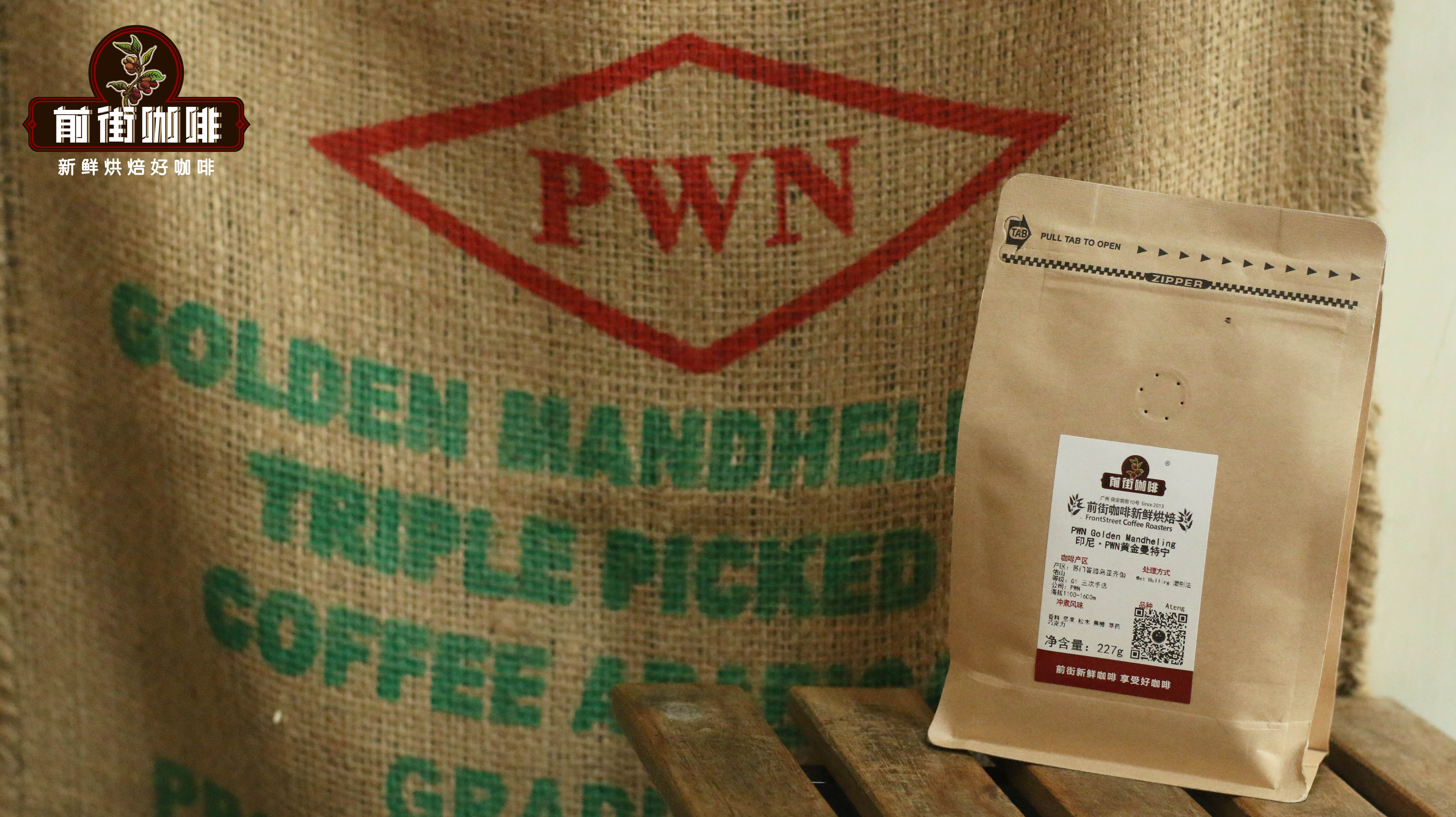
Among the many Mandhelings, the most premium is Front Street Golden Mandheling; the word "Golden" signifies the high quality of this Mandheling coffee bean. However, Golden Mandheling has been registered as a trademark locally by Indonesia's PWN company. When we mention Golden Mandheling coffee beans, we usually refer to those produced by PWN.
PWN applies extremely strict standards when producing Golden Mandheling coffee beans: first, green beans of 18 screen or above are selected, with fewer than 3 defective beans (per 300g green bean sample) meeting the highest G1 standard, followed by an additional three rounds of hand sorting. This gives Front Street PWN Golden Mandheling coffee beans a uniform color and consistent bean shape. Selected under such high standards, Front Street PWN Golden Mandheling coffee has a clean, translucent cup and a strong sweetness.
Because Golden Mandheling enjoys extremely high quality and reputation, its price has risen accordingly. Some merchants therefore borrow the name "Golden Mandheling" to attract traffic, and a few even buy ordinary Mandheling coffee beans at a lower price, pick out green beans of 18 screen or above, remove defects to reach G1 grade, and then add multiple rounds of hand sorting, so as to approximate PWN's Golden Mandheling in appearance.
This also makes some consumers worry: how can you tell whether the Golden Mandheling you bought really comes from PWN?
Front Street is one of the few merchants in the domestic market selling Front Street PWN Golden Mandheling. On the wall of FrontStreet Coffee's Dongshankou store hangs a burlap sack of green beans printed with the PWN logo, along with a certificate of origin signed by PWN. PWN's Golden Mandheling comes from the Gayo Mountain region of Aceh, at the northernmost tip of Sumatra, and the variety is Ateng. The Mandheling here has weakened herbal and muddy notes, making the coffee cleaner and more pleasant.
Besides Golden Mandheling, FrontStreet Coffee's bean list also includes a Front Street Mandheling coffee bean from the Lintong region in its everyday-drink series. FrontStreet Coffee's everyday-drink series covers seven major producing regions, generally using the washed process to clearly express each region's basic flavors. It allows beginning coffee enthusiasts to buy beans from major regions at a lower price, thus quickly figuring out which region interests them most at a low cost.
Because Sumatra's unique wet-hulled process creates Mandheling coffee's distinctive flavor, Mandheling coffee has also made this unique green coffee post-processing method famous worldwide. Therefore, this Front Street Lintong Mandheling in the everyday-drink series is likewise wet-hulled.
Precisely because Mandheling coffee is known for its full body, FrontStreet Coffee uses a medium-dark roast when roasting Mandheling green beans, to highlight that full body.
When brewing this coffee bean, FrontStreet Coffee's baristas use a KONO dripper to extend the contact time between hot water and coffee grounds, with a water temperature of 87°C and a coarser grind, to avoid producing a burnt, bitter taste.
Dripper: KONO
Water temperature: 87°C
Dose: 15g
Coffee-to-water ratio: 1:15
Grind size: 70% passing a Chinese standard No. 20 sieve
The coffee beans shipped by Front Street are all freshly roasted within 5 days. Although by the time they arrive they have passed a 4-to-7-day resting period, Front Street still recommends blooming during brewing to help release carbon dioxide from the coffee grounds and create more stable extraction conditions for what follows.
First pour 30g of hot water and bloom for 30 seconds, then pour in a thin stream from the center point while slowly circling to 125g. When the water level in the dripper drops to the point where the coffee bed is about to be exposed, continue circling and pouring to 225g. Total extraction time is about 2 minutes.
Some customers also ask Front Street for help because they don't have equipment to grind coffee beans at home, and Front Street offers a grinding service. Note that once coffee beans are ground, degassing intensifies and the coffee's flavor compounds dissipate along with it. Therefore, Front Street recommends that customers whose home conditions allow buy whole beans and grind fresh right before brewing, so they can taste better flavor.
[Front Street Lintong Mandheling] Rich notes of nuts, cream, and chocolate, with a hint of caramel aroma in the finish; as the temperature drops, spice and herbal notes emerge. Full-bodied with rich layering.
[Front Street PWN Golden Mandheling] Rich nutty flavor; as the temperature drops slightly, pine, herbal, and spice notes begin to emerge, with a dark chocolate finish, pronounced caramel sweetness, and a clean, gentle mouthfeel.
For more coffee bean information, please follow Coffee Workshop (WeChat public account: cafe_style) For professional coffee knowledge exchange, please add WeChat ID: kaixinguoguo0925
The above content is compiled by CoffeeHunters, a coffee news website.


