







Three Ways to Verify Yirgacheffe Coffee Origin and Grade
Authentic Yirgacheffe can be checked on three points: flavor, variety, and origin information. A typical cup shows lemon-like acidity, white flower fragrance, and honey sweetness, with a crisp, transparent mouthfeel and a green tea finish rather than heavy bitterness. The beans should be Ethiopian Heirloom, a mixed collection of tree types, so sizes often vary within one lot.
Yirgacheffe is a small town in southern Ethiopia whose name means "to settle in the wetlands," with coffee grown at roughly 1,700 to 2,100 meters; slower cherry ripening at that altitude concentrates flavor compounds. Coffee processing there runs washed and natural, and the name can also point to specific stations such as the Geddidine and Konga cooperatives, so lot details matter when buying.
Yirgacheffe is a highly representative name in the world of specialty coffee, almost synonymous with high-quality African coffee. This article teaches you how to identify authentic Yirgacheffe from three angles: flavor characteristics, variety attribution, and origin information. It also covers the history of Yirgacheffe, the cooperative operating model, the differences between washed and natural processing methods, and green bean grading standards. The article also includes specific information and brewing suggestions for several Front Street brand Yirgacheffe products, helping you fully understand the unique charm of this coffee from purchasing to extraction.
Yirgacheffe enjoys a stellar reputation across the African continent and even the global coffee landscape, making it a true icon of specialty coffee. To determine whether a coffee is authentic Yirgacheffe, you can start from the following three dimensions:
1. Flavor Characteristics of Yirgacheffe
A typical Yirgacheffe flavor profile presents lemon-like acidity, the fragrance of white flowers, and honey-like sweetness. The fruit acidity is soft with citrus notes, the overall mouthfeel is crisp and transparent, and the finish is as refreshing as green tea—completely different from traditional bitterness-dominated coffee.
2. Variety Attribution of Yirgacheffe
As a classic Ethiopian coffee, Yirgacheffe belongs to the Ethiopian Heirloom variety. This variety is actually a "collection" composed of multiple coffee tree types, so Yirgacheffe beans often vary in size, but this does not hinder its outstanding flavor performance. If the coffee variety is not Ethiopian Heirloom, it can basically be concluded that it is not Yirgacheffe.
3. Origin Information of Yirgacheffe
Yirgacheffe is a small town in southern Ethiopia, and its name means "to settle in the wetlands." The coffee growing altitude in this region is approximately 1,700 to 2,100 meters. The higher the altitude, the lower the temperature, and the longer the coffee fruit maturation cycle, allowing for a richer accumulation of nutrients and flavor compounds—hence the distinctive and elegant flavor of the coffee produced. In addition, Yirgacheffe can also refer to more specific coffee processing stations, such as Front Street Yirgacheffe Geddidine Cooperative and Front Street Yirgacheffe Red Cherry Konga Cooperative.
In Yirgacheffe, almost every household grows coffee. Large plantations are relatively rare; farmers typically plant coffee alongside other crops in their own fields or courtyards to ensure stable year-round income—truly a pastoral coffee. Since each household's output is limited, harvested coffee cherries are sent to the town's cooperative for centralized processing, and are subsequently sold under the cooperative's name.
The Yirgacheffe producing region established the Yirgacheffe Coffee Farmers Cooperative Union (YCFCU) in June 2002, with 28 member cooperatives under its umbrella. A cooperative's scale is roughly equivalent to a village. After farmers pick coffee cherries, they can send them to the nearest cooperative for green bean processing.
Washed Processing Method
Yirgacheffe traditionally used the natural sun-dried method to process green beans. Later, in order to improve coffee quality and increase the local coffee industry's revenue, the Ethiopian government introduced washed processing technology from Central and South America, enabling Yirgacheffe coffee to achieve a qualitative leap.
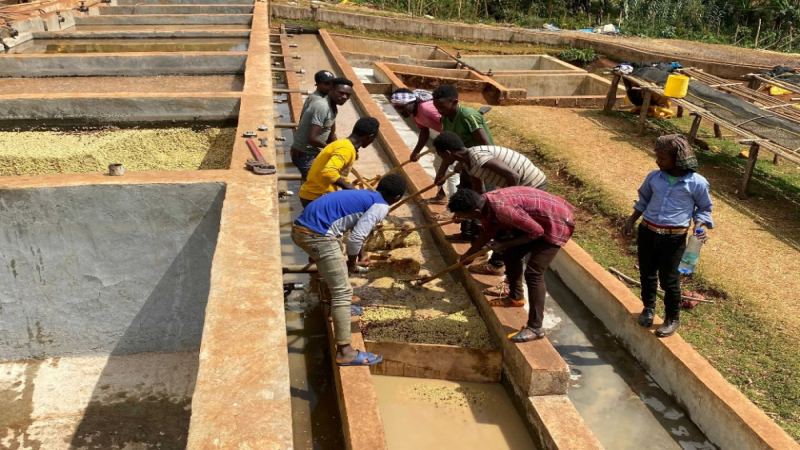
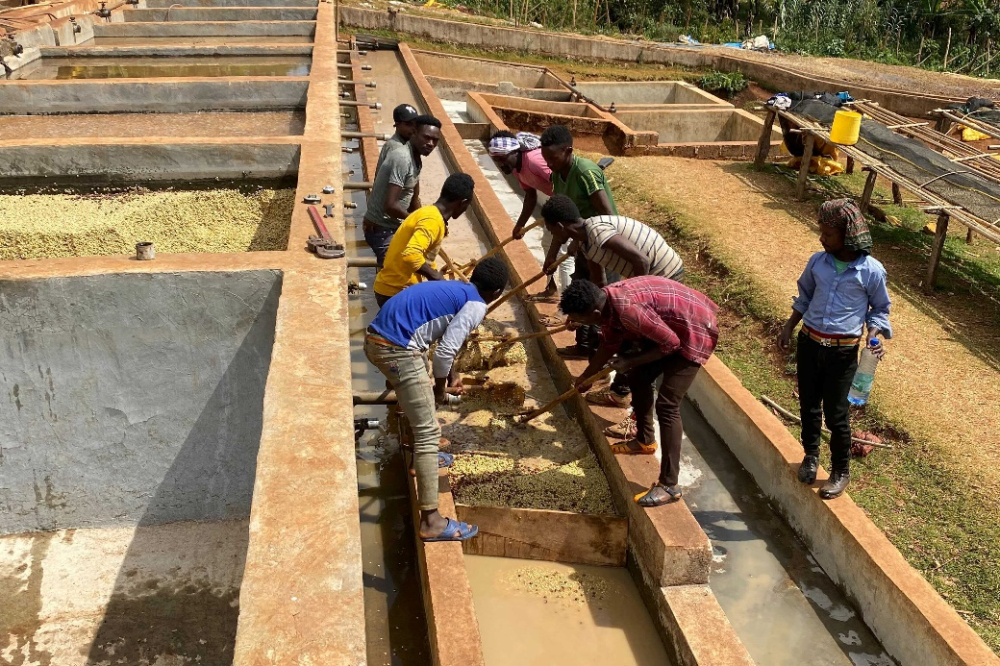
Washed processing first involves immersing coffee cherries in water; underripe and damaged fruits float to the surface, completing the first round of defect removal. Then the pulp and skin are removed by machine, followed by fermentation for 12 to 36 hours, during which microorganisms produced by the pectin layer break it down and detach it. The beans are then placed in a water tank and scrubbed clean with tools, and finally spread out in the sun to dry. This method gives coffee beans a fresher flavor, brighter acidity, and more importantly, greatly reduces the proportion of defects—far superior to traditional natural processing.
Overall, washed processing better showcases the fundamental flavors of the producing region, while naturally processed coffee beans add intense fermented aromas and tropical fruit sweetness on top of the base flavors. Therefore, when trying for the first time, it is recommended to first taste Front Street washed Yirgacheffe.
Front Street. Washed Yirgacheffe Coffee Beans
Region: Yirgacheffe Producing Region
Altitude: 1900-2000m
Processing Method: Washed
Variety: Heirloom
Flavor: Jasmine, Citrus, Berry
"Red Cherry Project"
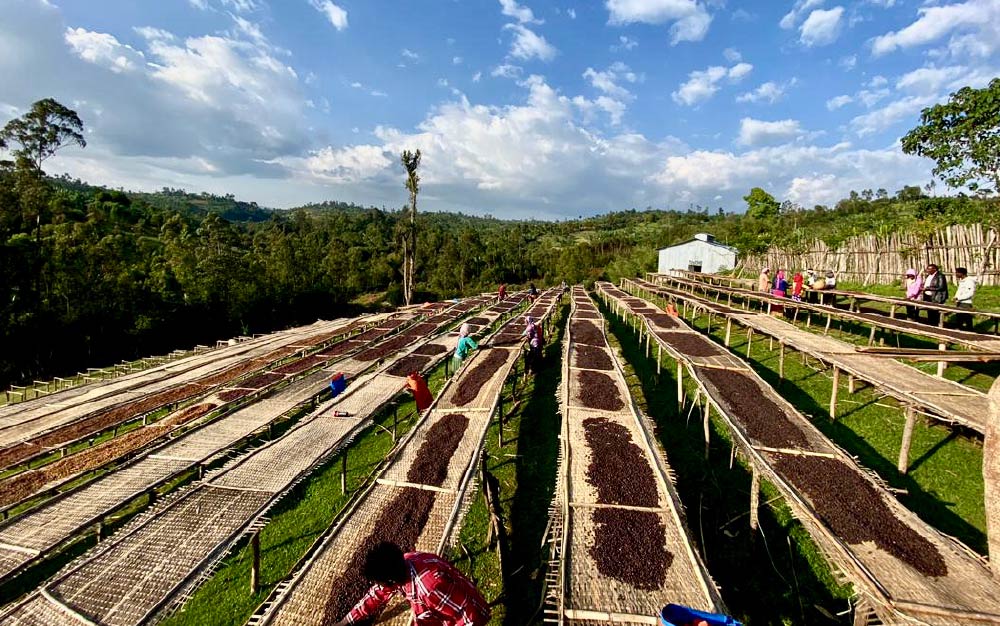
Of course, Yirgacheffe also offers specialty-grade natural coffee beans. Improved natural processing techniques give Yirgacheffe a more intense berry aroma. Selected red coffee cherries are placed on drying beds for sun drying, requiring regular manual turning to prevent excessive fermentation from high temperatures. Once the moisture content drops to 11-12%, the beans are hulled and bagged. Front Street's Red Cherry coffee is precisely a naturally processed Yirgacheffe, making it convenient for everyone to compare the flavor differences between the two processing methods.
Front Street. Natural Red Cherry Coffee Beans
Region: Yirgacheffe Producing Region, Aricha Estate G1
Altitude: 1700-2200m
Processing Method: Natural
Variety: Heirloom
Flavor: Berry
Jasmine
Lemon
Green Bean Grading
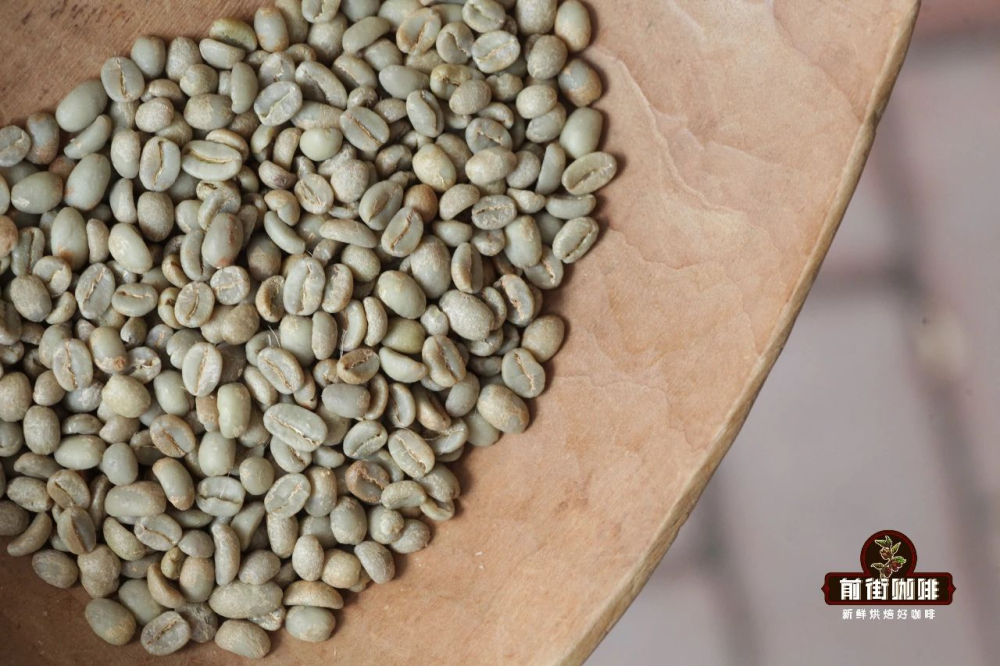
Yirgacheffe is first divided into two major categories by processing method—washed and natural—and then graded according to the Specialty Coffee Association of America (SCAA) cupping standards. The lower the number, the higher the grade. For example, Front Street's Geddidine Cooperative coffee beans are washed Yirgacheffe G1 grade, with a clear and clean flavor, vibrant aroma, and a perfectly balanced sweet-tartness of floral and fruity notes.
Front Street Yirgacheffe Geddidine Cooperative Coffee Beans Region: Yirgacheffe Gedeo Zone Producing Region Producer: Geddidine Cooperative Altitude: 1900-2300m Variety: Local Heirloom Processing Method: Washed
Grade: G1
Flavor: Citrus, Berry, Lemon, Cane Sugar, Green Tea
Brewing Flavor
To fully release Yirgacheffe's bright acidity and aroma, Front Street believes that using freshly roasted coffee beans is crucial. Coffee left sitting for too long will lose its flavor, and even with perfectly matched parameters, it will be difficult to restore its rich aroma. Therefore, all coffee sold by Front Street is freshly roasted within 5 days. Combined with logistics and shipping time, it arrives right at its optimal tasting period, ready to enjoy immediately.
For high-altitude floral and fruity coffee beans like Yirgacheffe, Front Street recommends using a water temperature of 92-93°C and a grind size similar to fine granulated sugar.
Dripper: V60 Water Temperature: 92-93°C Dose: 15g Coffee-to-Water Ratio: 1:15 Grind Size: Fine granulated sugar (sieve to 78% with a No. 20 sieve)
Three-stage extraction: First stage, pour 30g of water for a 30-second bloom; second stage, pour 95g of hot water; when the coffee bed drops to half, begin pouring the third stage of 100g until all coffee has dripped through. Note: start pouring from the center point, maintain a gentle, low-flow circular pour throughout to avoid uneven extraction.
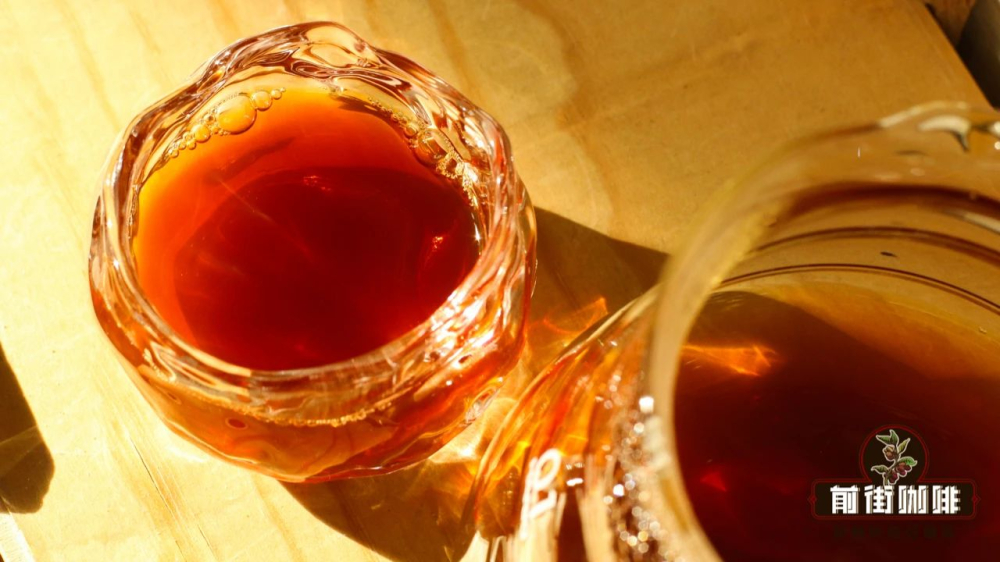
The ground Geddidine Cooperative coffee exudes an elegant jasmine fragrance. On the palate, you can feel a clear, bright lemon acidity with prominent sugarcane sweetness. As the temperature drops, it presents a green tea-like mouthfeel with a lingering finish.
The above content is compiled by CoffeeHunters, a coffee news website.


