







How do you make cold brew coffee at home?
Cold brew relies on low-temperature slow extraction: water drips through coffee grounds over roughly eight hours, then the concentrate ferments further in the refrigerator, giving a mellow body with a gentle fermented aroma. There is no fixed standard ratio, but bean choice, grind size, coffee-to-water ratio, filter paper placement, and chilling time are the details that decide the cup.
The method first appeared in Europe, and because the Dutch invented the distillation device used to make it, it is also called Dutch coffee, distilled coffee, or drip coffee. Dutch drinkers used it as early as the seventeenth century, and colonial expansion carried it to Korea and Japan. The article shares Front Street's recipes and blending ideas for reproducing a full-flavored cold brew black coffee at home.
Cold brew coffee, with its unique low-temperature slow extraction process, presents a refreshing yet mellow taste with a subtle fermented aroma, and has become increasingly favored by coffee enthusiasts in recent years. But to make a cup of cold brew at home that rivals a café's, every step—from bean selection and grinding to drip speed and refrigerated fermentation—holds its own intricacies. This article systematically outlines the origin and principles of cold brew coffee, explains in detail key aspects such as coffee bean selection, pre-wetting techniques, filter paper placement, grind size, coffee-to-water ratio, and refrigeration time, and shares Front Street Coffee's practical recipes and blending ideas to help you master the complete method of low-temperature extraction and easily recreate a full-flavored cup of cold brew black coffee at home.
Cold brew coffee carries a gentle fermented aroma on the palate, with a relatively mellow body, and its flavor layers are not as flamboyant as pour-over. Because it requires a long, slow extraction and then further fermentation in the refrigerator, if you want to drink cold brew coffee at Front Street, remember to order in advance.
Some people ask whether the cold brew they drink in a café is simply better than what they make at home. Is it a difference in technique, or is there another reason? Is there a unified standard to reference? Front Street's view is that there is no absolutely fixed standard for making cold brew coffee—everyone has their own habits and judgments—but there are certain details worth paying attention to during the process.
What exactly is cold brew coffee?
This coffee first appeared in Europe. Because the coffee distillation device used to make it was invented by the Dutch, it is also called Dutch Coffee, distilled coffee, or drip coffee. As early as the seventeenth century, the Dutch were already drinking this coffee, and later it spread to Korea and Japan through colonial expansion, gradually gaining popularity, which is why it also has the name Dutch coffee.
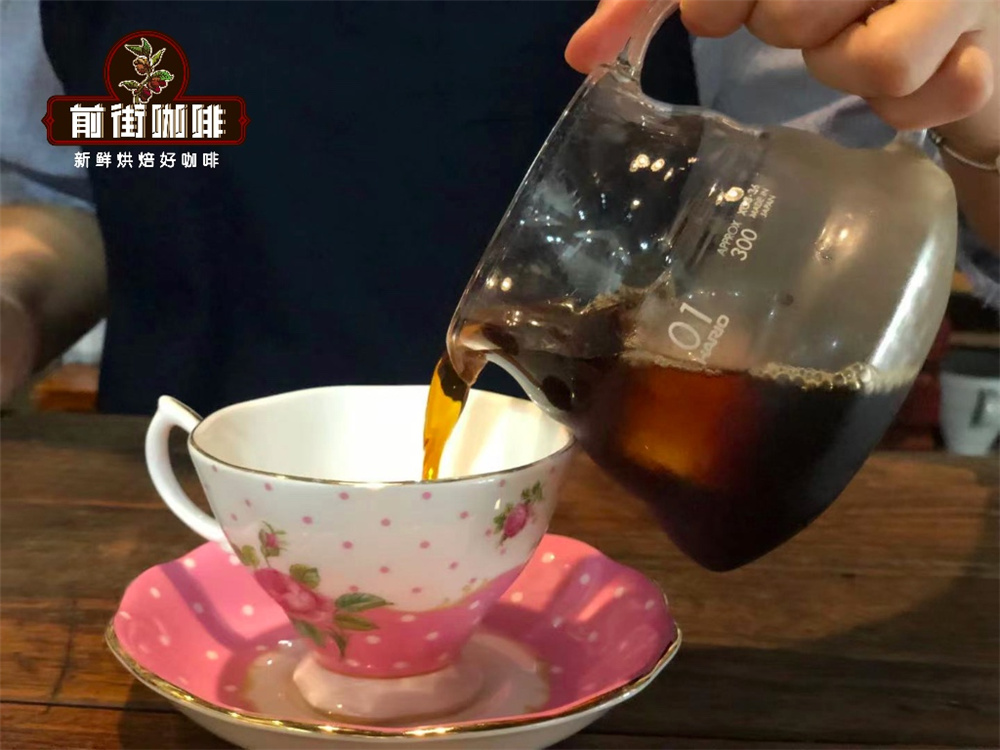
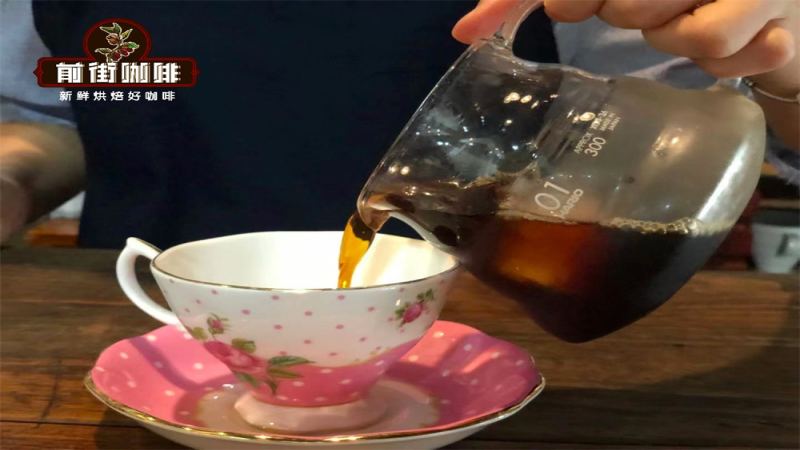
Cold brew coffee leverages the compatibility between coffee and water, relying on the natural osmotic water pressure formed by condensation to complete extraction drop by drop over a period of about eight hours—it is a coffee brewed slowly by time. Brewing with different water temperatures yields different tastes, and in a low-temperature environment, the astringent compounds in coffee are not easily dissolved. Extracting with ice water over a long period and then fermenting in the refrigerator gives the lightly fermented cold brew coffee a subtle fermented aroma and a fuller mouthfeel. Front Street finds that putting it in the refrigerator at night and taking it out the next morning to drink instantly wakes you up—that experience is quite satisfying.
Cold brew coffee has not undergone a heating process, and coupled with the long extraction time, many flavor molecules are extracted but not fully released. Therefore, after extraction, pour the coffee liquid into a sealed bottle and let it sit in the refrigerator for 12 to 24 hours. The carbon dioxide pressure generated inside the bottle helps release the flavor molecules, which is why cold brew coffee tastes richer the longer it sits in the refrigerator. Extracting coffee with ice water reduces acidity and brings out a red-wine-like fermented character, with a soft, mellow taste, balanced acidity and bitterness, a clear sweet aftertaste, less irritation to the stomach, and lower caffeine content, while still extracting the rich mouthfeel and complete aroma of the coffee beans.
During the cold brew process, tannic acid barely decomposes in low-temperature ice water. Although a small amount of caffeine is released, it is reduced by about 90% compared to hot water extraction, while other main components of the coffee are basically preserved. Because of this, cold brew coffee has no astringency at all, very little bitterness, and an exceptionally clean taste.
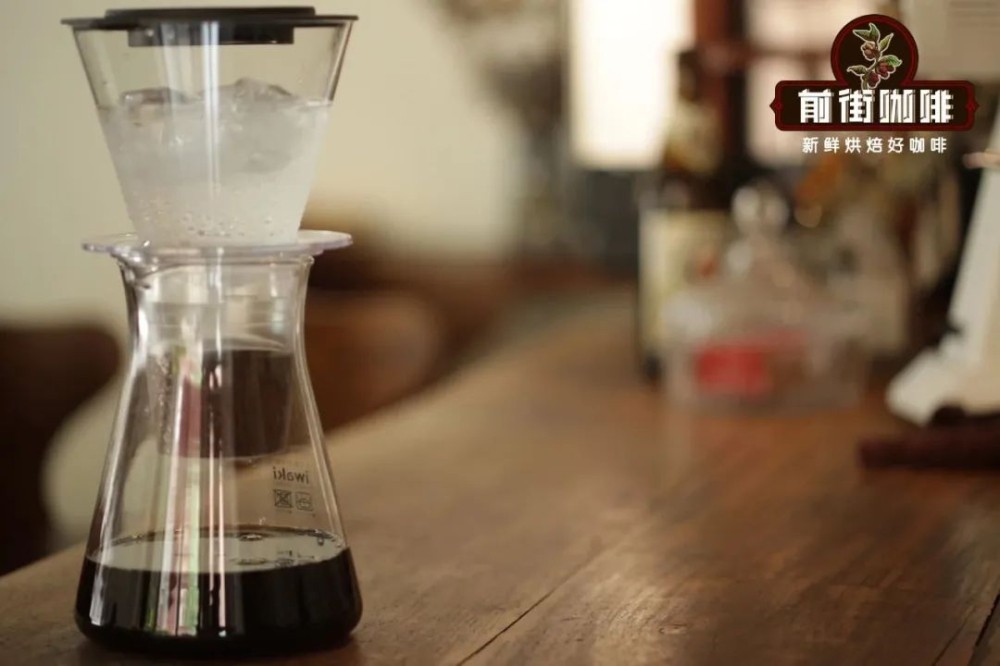
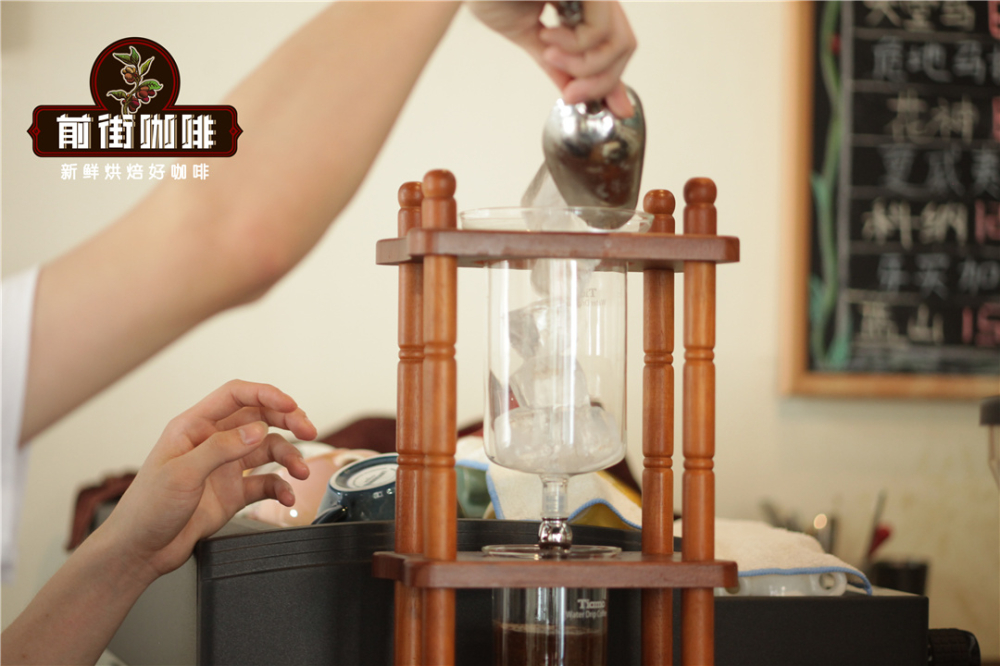
Front Street would like to share some details to pay attention to when making cold brew coffee, such as coffee bean selection, grind size, coffee-to-water ratio, drip speed, and storage and shelf life. Front Street's cold brew tower consists of six parts: upper pot, lower pot, adjustment valve, coffee filter cup, serpentine tube, and all-wood stand.
1. Coffee Beans
Both cold brew and cold drip are low-temperature extraction methods, with the temperature of contact between water and coffee grounds controlled between 0 and 7 degrees Celsius. The advantage of low-temperature extraction lies in using the principle of low extraction efficiency to reduce the release of large-molecule bitter compounds, so the cold brew coffee you drink is refreshing with rich sweet and sour flavors. Coffee beans are the most critical factor—different beans produce completely different drip flavors, so choosing the right beans is the top priority when making cold brew. Generally speaking, light-roasted coffee beans are mostly chosen for cold brew, as fruity sweet and sour notes are more pleasant at icy temperatures. Some beans with distinct, characteristic flavors are also very suitable for cold brew, such as Front Street Honduras Sherry coffee beans, Front Street Costa Rica Giant Blueberry, Front Street Musician Series, Front Street Colombia Rose Valley, Front Street Flower Moon Night, and so on.
Front Street recommends choosing coffee beans for cold brew that were roasted about 20 days ago, because freshly roasted beans release a large amount of carbon dioxide. When ice water drips onto the ground coffee, gas is continuously released, and the coffee bed tends to expand and bulge, eventually forming channeling effects that lead to uneven extraction and a greatly diminished coffee taste.
2. Pre-wetting
Pre-soaking with ice water is actually similar to the blooming step in pour-over, and it can improve extraction effectiveness and consistency of the final product. Under cold brew's low-temperature, filtration-type extraction conditions, starting directly may cause uneven wetting of the coffee bed, with some coffee grounds over-extracted and others not participating in extraction at all. Pre-wetting in advance can also shorten the preparation time.
3. Place a circular filter paper on top of the coffee grounds chamber
This reserves enough pre-infusion and ventilation space for the coffee, resulting in a more complete and clean extraction. After leveling the coffee grounds, place a piece of filter paper on the surface of the coffee bed to increase the contact area between water droplets and coffee grounds and ensure even extraction. When water droplets fall and hit the coffee grounds, a small pit is gradually formed on the surface, and the water flows down along the pit without spreading outward, so the coffee grounds in the entire chamber cannot be fully saturated, causing under-extraction—and laying a piece of filter paper precisely prevents this situation.
4. Grind Size
There are two points to note about coffee grind size. If too coarse, the coffee bed offers little resistance, water passes through more easily into the lower pot, and given the low extraction efficiency of cold water, the coffee will be weak and lacking in flavor. If too fine, it also won't work—high resistance easily causes clogging and water accumulation, and prolonged soaking brings out bitter and astringent flavors. So Front Street recommends using a grind size for cold brew coffee where 80% to 85% passes through a No. 20 standard sieve. For a richer cup, choose 85% passage; for a lighter cup, choose 80% passage.
This time Front Street uses the refreshing Front Street Kenya Asalia coffee beans for preparation. At low temperatures the extraction rate is lower, so the barista at Front Street Coffee (FrontStreet Coffee) recommends using a slightly finer grind than for pour-over. Here, a standard sieve passage rate of 85% is used, corresponding to setting 9.5 on the store's ek43s grinder.
5. The Importance of Tamping the Coffee Grounds Flat
Cold brew coffee must be tamped—many people don't understand why cold brew also needs tamping. Note here that tamping for cold brew is not about pressing firmly, but first gently tapping the grounds to keep the structure of the coffee grounds in the filter tube uniform, then using a flat-bottom tamper to gently level it. Remember, it's gentle leveling, not pressing firmly like when extracting espresso. If pressed too firmly, since cold brew doesn't have pressure like an espresso machine for extraction, it easily causes water accumulation in the coffee bed and the coffee liquid cannot filter through. Moreover, the filter paper or filter screen for cold brew is generally at the bottom, unlike a coffee filter cup which has venting ridges—when the coffee grounds are soaked in water, exhaust effectiveness is also affected, causing uneven extraction of the entire coffee puck.
6. Controlling Drip Speed and Coffee-to-Water Ratio
This is somewhat similar to the pouring speed in pour-over coffee—some people like 1 drop per second, others like 1 drop every 2 seconds. This directly results in different total drip times: the slower the drip, the longer the time needed; the faster the drip, the shorter the time. Front Street generally extracts at 7 drops per 10 seconds; each person can adjust the flow rate according to their preference. The coffee-to-water ratio is 1:10. Since Front Street's cold brew coffee is served diluted with ice cubes, a higher concentration is used. For home preparation, you can extract at 1:12 to 1:14.
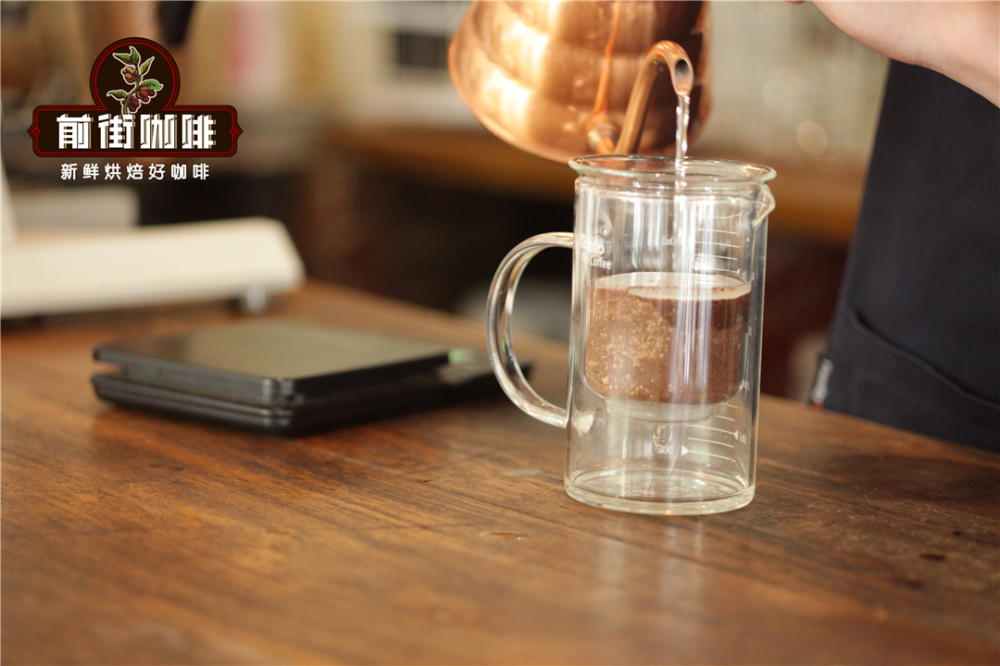
Front Street makes cold brew by grinding 60 grams of coffee beans, placing a circular filter paper in the coffee chamber, pouring in the coffee grounds, and finally laying another filter paper on top. Then wet the coffee grounds with water, which can save dripping time and avoid uneven extraction. Fill the upper pot with an ice-water mixture, i.e., ice and water at 1:1, to extract a total of 600 grams of coffee liquid.
7. Drink After Refrigeration
Some people say pour-over coffee can be drunk immediately and should be finished within a certain time, as leaving it too long makes the taste harsher and less pleasant. What about cold brew coffee? Freshly made cold brew can be drunk immediately, but Front Street recommends refrigerating it for 12 hours before drinking so the flavors develop to their best. Pouring it into a glass bottle mixes coffee liquids of varying concentrations, and choosing a container with good sealing performance ensures no external contamination—the refrigerator surface may look clean, but actually harbors many microorganisms invisible to the naked eye. Placing it in the refrigerator for 12 hours of low-temperature fermentation gives the cold brew coffee a fragrant fermented aroma and makes the original flavors richer. Fermentation is very common in daily life; if left uncontrolled, it causes food to spoil and deteriorate, but a low-temperature environment can effectively slow this process. Front Street has also verified that cold brew coffee made from most coffee beans tastes best after 12 hours of refrigeration.
Just as Front Street's cold brew coffee made at a 1:10 ratio is very concentrated, Front Street adds 40 grams/200 milliliters of ice cubes when serving to dilute it and maintain the chilled effect.
How does Front Street's cold brew coffee taste?
At Front Street Coffee (FrontStreet Coffee), to make each cold brew coffee's flavor more prominent and balanced, baristas usually blend two coffees together for cold brew, with the aim of highlighting a particular flavor characteristic—one bean provides aroma, and one bean provides flavor.
20g [Front Street Coffee (FrontStreet Coffee) Honduras Lychee Orchid] + 40g [Front Street Coffee (FrontStreet Coffee) Geisha Village Red Label]
The barrel-processed Front Street Lychee Orchid plus the sun-dried Front Street Geisha Village Red Label: a faint brandy aroma, plum-like acidity paired with maple syrup sweetness.
The brandy barrel-processed Front Street Lychee Orchid has a rich brandy aroma, with a chocolate finish and honey aftertaste.
Front Street sun-dried Geisha Village Red Label has plum and citrus fruit acidity, with maple syrup sweetness and a creamy, smooth mouthfeel. Made into cold brew, you'll sense a faint brandy aroma, with rich fruit acidity leading into honeyed sweetness and a creamy smoothness.
Front Street Coffee Brewing Recommendations:
No matter what kind of coffee you brew, the freshness of the coffee beans is very important. Front Street has always believed that the freshness of coffee beans has a great relationship with coffee flavor, so all coffee beans shipped by Front Street Coffee (FrontStreet Coffee) are within 5 days of roasting. Front Street's roasting philosophy is "freshly roasted good coffee," so every customer who places an order receives the freshest coffee. Coffee beans need a resting period of about 4 to 7 days, so by the time customers receive them, they are at their optimal flavor.
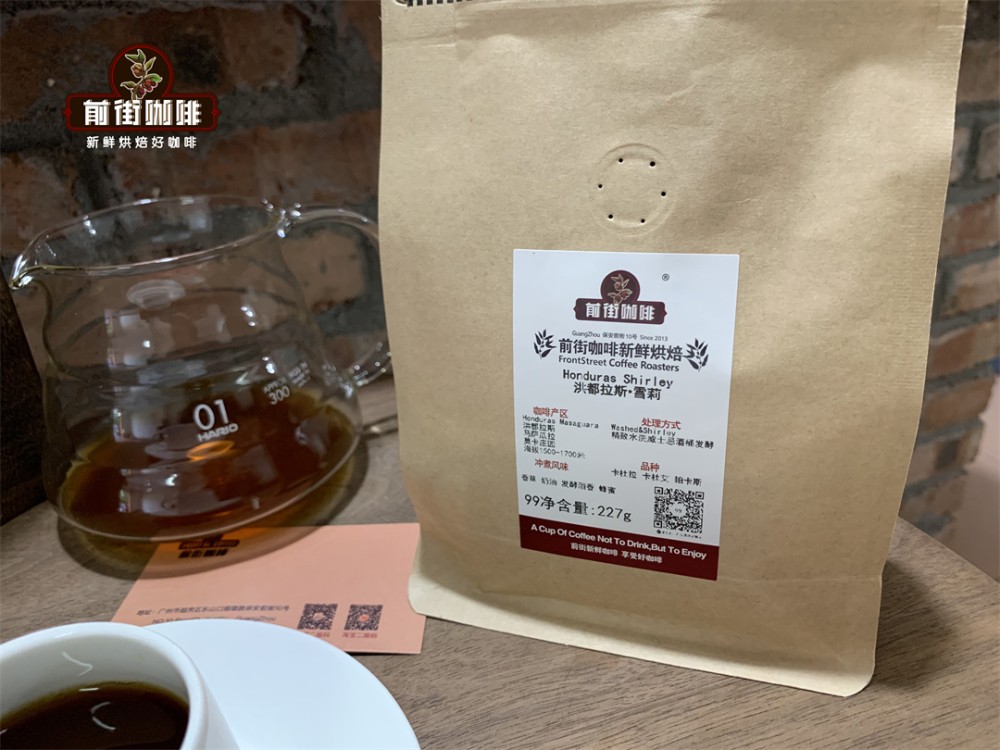
For friends who need ground coffee, Front Street offers a gentle reminder: once coffee beans are pre-ground, they no longer need a resting period, because the pressure from carbon dioxide inside the packaging during transport also rounds out the coffee's flavor, so you can brew a cup immediately upon receiving the ground coffee. However, ground coffee needs to be brewed promptly, because ground coffee oxidizes relatively quickly upon contact with air—meaning the coffee's flavor dissipates relatively quickly and won't taste as good. Therefore, Front Street recommends buying whole beans and grinding fresh for each brew, so you can better enjoy the coffee's flavor.
Brewing coffee is also a subject of study. Front Street believes that with enough practice, you can make delicious cold brew coffee at home too.
For professional coffee knowledge exchange and more coffee bean information, please follow Coffee Workshop (WeChat public account: cafe_style)
For more specialty coffee beans, please add the private WeChat of Front Street Coffee (FrontStreet Coffee), WeChat ID: qjcoffeex
The above content is compiled by CoffeeHunters, a coffee news website.


