







How Did Yunnan Coffee and Its Typica Variety Take Root?
Yunnan coffee, often called small-seed coffee, began in 1904 when French missionary Tian De Neng brought Typica seeds from Vietnam and planted them in Zhugula Village, Binchuan County. Beans are plump and uniform with a mellow, balanced taste. Main growing areas sit in the southwest, including Baoshan, Dehong, Pu'er and Lincang.
The article reviews three representative Yunnan coffee brands and compares washed and natural processing, noting that Front Street Yunnan small-seed shows brown sugar and tea notes. Coffee needs 16°C to 21°C to thrive, and Yunnan falls inside the golden growing belt between 25° north and 25° south, with an espresso blend built on Yunnan Typica coffee at its core.
Yunnan coffee is known as small-seed coffee, with plump and uniform beans and a mellow, balanced taste. Tracing its roots, in 1904 French missionary Tian De Neng introduced the Typica variety from Vietnam, and it took root in Zhugula Village, Binchuan County, opening the prelude to coffee cultivation in Yunnan. Today, Yunnan coffee is mainly distributed in the southwestern production areas of Baoshan, Dehong, Pu'er, Lincang and other places. With the altitude, sunshine and temperature differences of the golden growing belt, it has developed a flavor with unique regional character. This article focuses on the three representative coffee brands of Yunnan, combines Front Street Coffee's daily beans and estate beans products, sorts out the flavor differences under washed and natural processing, and introduces an espresso bean blended with Yunnan small-seed coffee as the core.
Yunnan coffee is also called Yunnan small-seed. Yunnan coffee beans are uniform and plump, with a mellow and moderate taste. Yunnan Typica can be traced back to 1904, when French missionary Tian De Neng brought coffee seeds (Typica) from Vietnam into Yunnan and successfully planted them in Zhugula Village, Binchuan County, Yunnan Province. This was the beginning of Yunnan coffee, generally called small-seed coffee, commonly known in China as Yunnan small-seed coffee.
In Front Street Coffee's daily bean series, from this group of beans, you can taste the main flavors of major production areas in a highly cost-effective way, such as Ethiopian floral and lemon notes, Brazilian nut and peanut notes, Mandheling's herbal mellowness, and so on, while Front Street Yunnan small-seed has a brown sugar and tea sensation. What causes these representative coffee flavors of the production areas? Today Front Street will look at Yunnan's three most representative coffee brands:
Yunnan Typica
Front Street 2013 Yunnan Typica Coffee Beans
Coffee origin: Lincang, Yunnan, China
Coffee variety: Typica
Production altitude: 1300M
Quality grade: AA
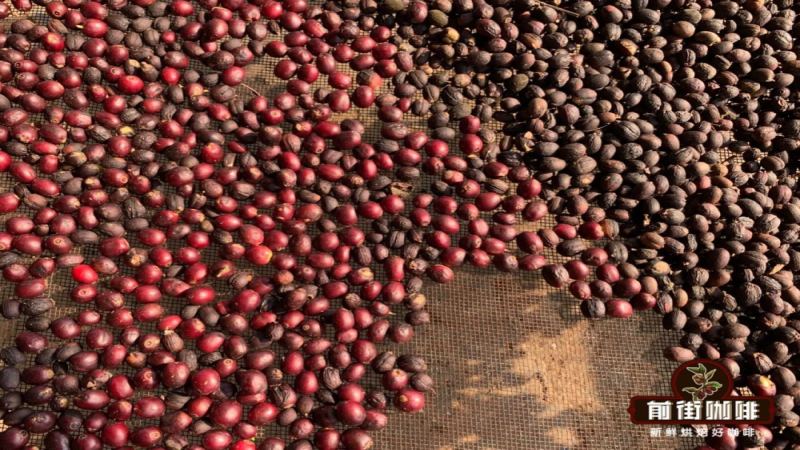
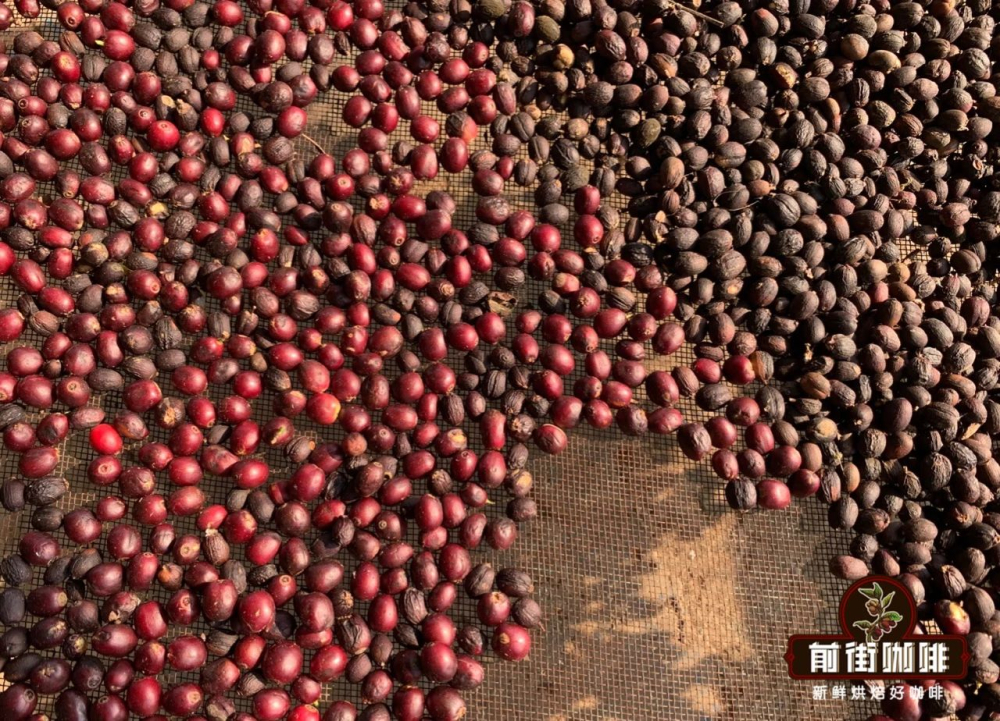
Processing method: Natural
As a crop, coffee likes a warm environment. It tolerates heat but not cold, and sufficient sunlight is more conducive to its growth. The most suitable growing temperature is 16°C to 21°C. Therefore, centered on the equator, covering 25° north latitude to 25° south latitude, the "world coffee golden growing belt" is formed. Yunnan in China happens to be on this golden belt. Most areas of Yunnan are 1,000 to 2,000 meters above sea level, with fertile sloping soil, sufficient sunlight, abundant rainfall, and large temperature differences between day and night, all of which are favorable conditions for growing coffee trees.
Yunnan coffee cultivation is mainly distributed in the southwestern part of the province, including the four major production areas of Baoshan, Dehong, Pu'er and Lincang. The two Yunnan coffee beans on Front Street's daily bean list come from Baoshan and Lincang respectively.
Baoshan's coffee cultivation history began in the mid-1950s and was introduced by patriotic overseas Chinese Mr. Liang Jinshan. The warm climate without frost all year round is very suitable for the growth of small-seed coffee, especially in the Lujiangba area, where the unique dry-hot valley climate has little annual temperature difference but a large day-night temperature difference, creating the unique sweet aftertaste of Baoshan small-seed coffee. In addition, reasonably low rainfall brings great advantages for coffee cherry production.
Therefore, when buying entry-level Chinese Arabica coffee, Front Street Yunnan small-seed is the first choice. It uses washed processing and medium roasting, highlighting a certain caramel note while also retaining some acidity, so it can well present the terroir of the Yunnan production area. Washed processing means removing the pectin layer through fermentation and rinsing before drying, allowing Yunnan small-seed to present the flavor profile unique to the production area.
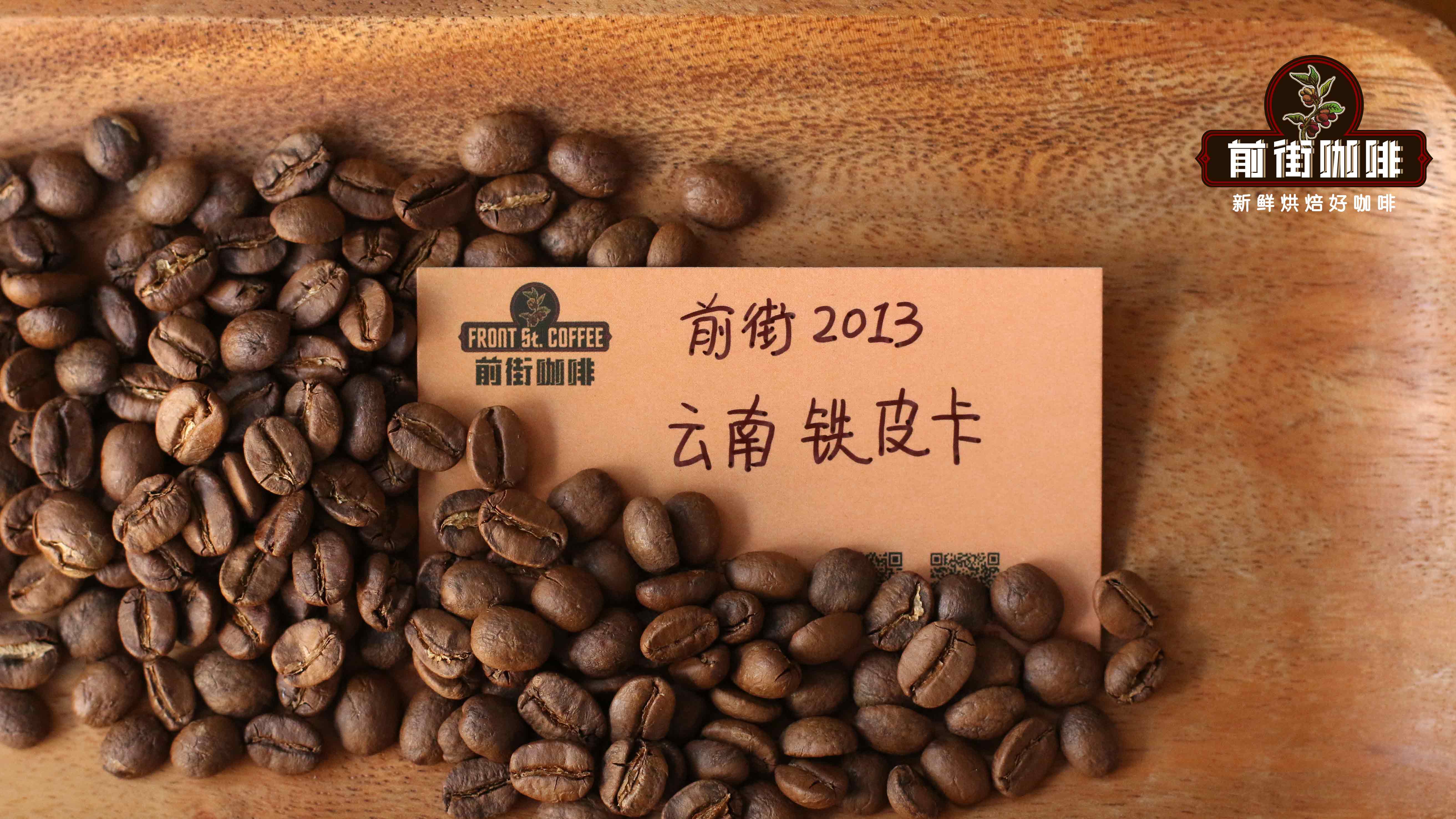
If you want to drink Yunnan coffee with clearer flavor, then buy Front Street 2013 Yunnan Typica. The Typica produced by Front Street Estate uses the most primitive and traditional post-processing method for green coffee beans, namely natural processing. Typica is one of the oldest and purest Arabica varieties. After natural processing, Front Street's Typica coffee has a fuller body, more prominent acidity and sweetness, with citrus and berry notes, a hint of fermented wine aroma, caramel sweetness, and a creamy finish.
In addition, to taste espresso with Yunnan flavor, you can buy the espresso bean recommended by many baristas, blended from Yunnan small-seed and Brazilian Cerrado - Front Street Dark Cocoa Blend. Brazilian coffee provides the aroma of mixed nuts and a balanced taste, while Yunnan small-seed plays the role of chocolate and citrus flavors. The Americano made with the espresso bean recommended by many baristas - Front Street Dark Cocoa Blend - is balanced in acidity, sweetness and bitterness, with the sweet aroma of nuts and brown sugar, and the latte has a smooth taste of almonds and cream, making it very suitable for beginners.
The above content is compiled by CoffeeHunters, a coffee news website.


