







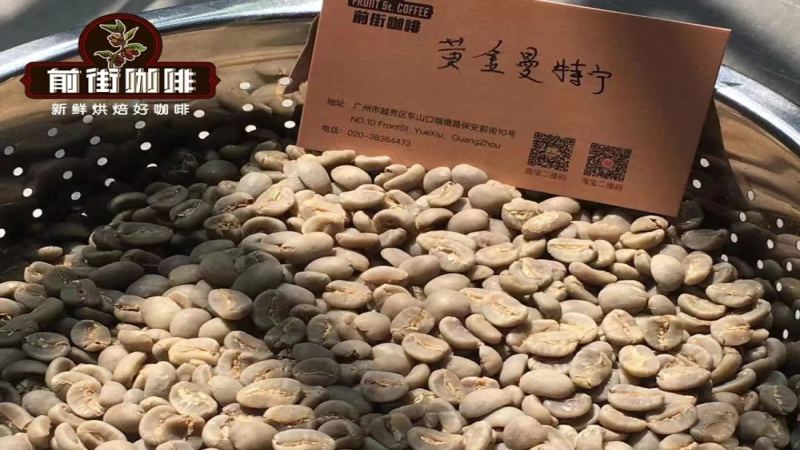
Where does the Mandheling coffee name actually come from?
The name Mandheling traces back to a double misunderstanding. It began as Mandailing, the name of an Indonesian tribe. During World War II a Japanese soldier asked a local eatery owner what the coffee was called, the owner thought he was being asked where he was from, and answered Mandailing. After the war the soldier tracked down a merchant to ship 15 tons to Japan, but said Mandehling instead.
That merchant was the Pwani Coffee Company, now known as PWN, whose Golden Mandheling trademark helped spread the name further. Behind the flavor sits Sumatra's wet-hulling process, which shapes the heavy body and herbal spice. The Arabica variety, the Lintong and Golden Mandheling origins, and their cup profiles each differ, so the name alone says less about a bag than the region and process do.
Mandheling coffee is famous for its rich, intense body and unique herbal, spicy flavors, but did you know that a "double misunderstanding" actually lies behind this name? From the Mandailing tribe of Indonesia to the Mandheling that took Japan by storm, and on to the Golden Mandheling trademark registered by PWN, the legendary story of this coffee goes far beyond its flavor alone. This article will trace the winding origins of the name Mandheling, explain in detail how Sumatra's unique wet-hulling process shapes its distinctive character, and break down one by one the varieties, origins, and flavor profiles of Golden Mandheling and Lintong Mandheling. At the same time, the article also retains Front Street Coffee's recommendation of PWN Golden Mandheling, offering coffee lovers a complete reference.
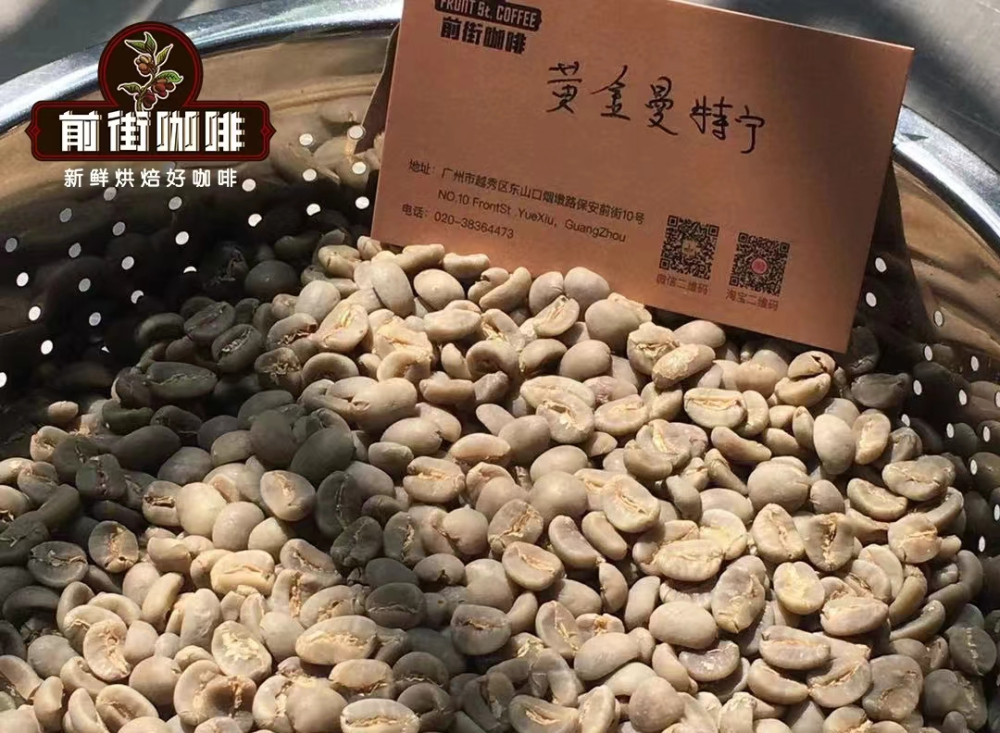
For professional coffee knowledge exchange and more coffee bean information, please follow Coffee Workshop (WeChat public account: cafe_style)
Fellow coffee lovers, do you also have a special fondness for Mandheling? Mandheling-flavored coffee That rich, mellow aroma is truly captivating, and the hint of sweetness that emerges in the finish is even more unforgettable.
The Origin of the Name Mandheling
Mandheling was actually first called "Mandailing," a word that originally referred to a tribe in Indonesia. During World War II, when the Japanese army occupied Indonesia, a Japanese soldier drank an extremely delicious cup of coffee at a small local eatery and asked the owner what the coffee was called. The owner misheard him, thought he was asking where he was from, and blurted out, "Mandailing." After the war ended, the Japanese soldier could not forget that cup of coffee, so through a friend's introduction, he found a coffee merchant in Indonesia to help ship 15 tons to Japan. When people asked him the name of the coffee, however, he mistakenly said "Mandehling" instead of "Mandailing." It was this chain of "double misunderstandings" that caused the name "Mandehling" to spread. Later, Mandheling became hugely popular in Japan, and the name spread ever more widely. And the coffee merchant who helped back then was none other than the now-famous Pwani Coffee Company (PWN).
PWN Golden Mandheling
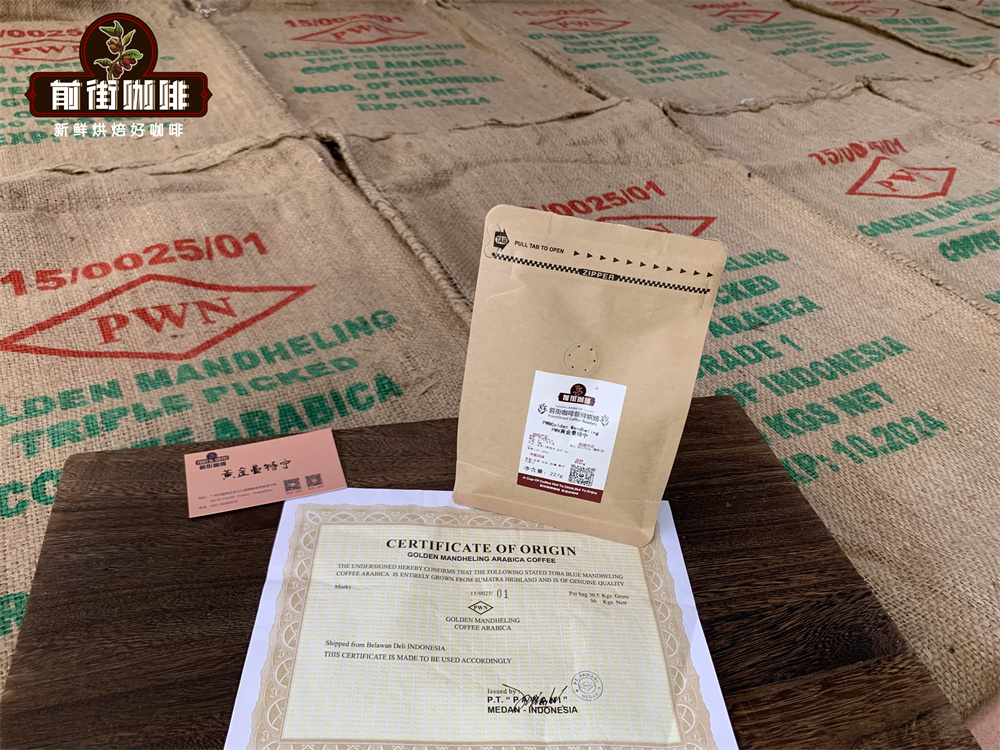
When Mandheling-flavored coffee is mentioned, the first thing that pops into many people's minds is "Golden Mandheling," this Indonesian Mandheling coffee bean . However, have you ever noticed that the three letters PWN always appear tied to the name Mandheling, for example, Front Street PWN Golden Mandheling .
PWN is the abbreviation of Pwani Coffee Company, known in Chinese as Puwanni Coffee Company. This company is very famous locally in Indonesia, specializing in purchasing Indonesian Mandheling coffee beans, and it has encompassed almost all of Indonesia's finest producing regions, so most of the Indonesian Mandheling beans produced by PWN are of a unique specialty grade. After the beans are collected, PWN also carries out multiple rounds of manual hand-sorting, selecting only plump beans without defects, and only beans meeting this standard are included in the ranks of Golden Mandheling.
Later on, PWN registered "Golden Mandheling" as a trademark. Front Street PWN Golden Mandheling changed from originally broadly referring to the Golden Mandheling produced by this company into today's situation where only the Golden Mandheling produced by this company counts as truly "Golden Mandheling." Most of the Front Street PWN Golden Mandheling currently on the market comes from the Aceh producing region.
Sumatra's Unique Processing Method — Wet Hulling
Indonesian Mandheling basically all uses the wet hulling method to process green beans, which is a coffee processing method long passed down locally. Judging by the words alone, wet hulling and wet processing (that is, the washed processing method) seem very similar, but the beans produced by the two methods have vastly different flavors. Coffee processed by wet hulling is usually rich and powerful, with an extremely distinct character, and this is precisely the signature expression of Mandheling-flavored coffee.
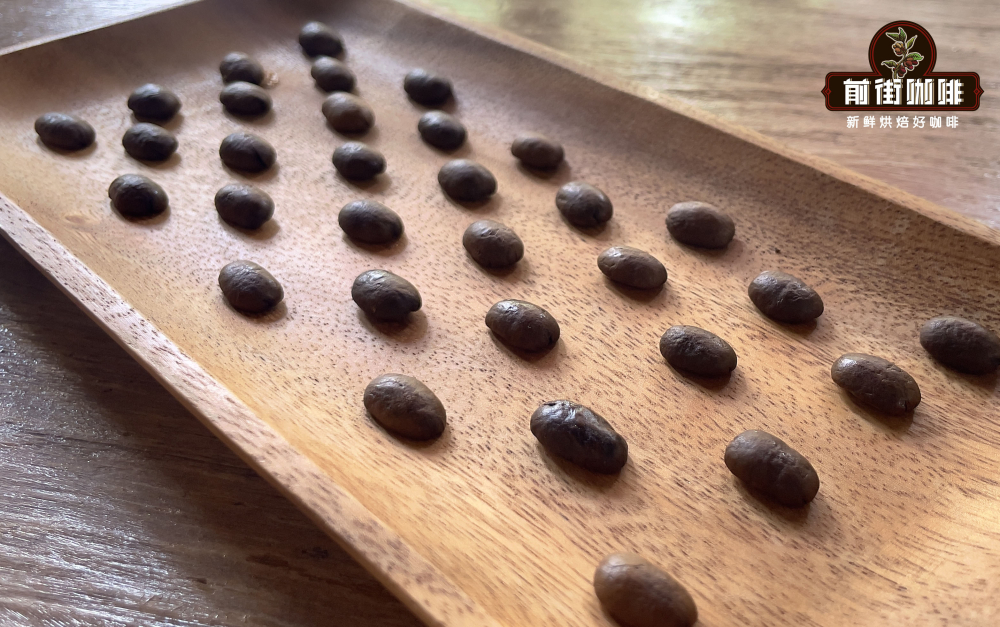
Depulping/Pulping
As with washed processing, harvested coffee cherries must be processed as soon as possible. In Indonesia, coffee farmers generally complete depulping and pulping themselves, a step that removes the cherry skin and part of the mucilage.
Washing
The depulped coffee beans are soaked in water for 1 to 2 hours while rubbing against each other to remove part of the pectin.
Drying
After soaking, the coffee beans undergo their first drying at the farmers' homes. At this point the moisture content of the beans drops to between 20% and 35%.
Collection
After the first drying, the coffee beans are taken to market for sale, and at this time the pectin layer on the surface of the beans has not yet solidified and feels sticky to the touch. These beans are gathered together by buyers and sent to processing plants for the next stage.
Drying
After being sent to the processing plant, the coffee beans first undergo a second drying, which brings the moisture content down to about 18%.
Hulling/Wet Hulling
After the second drying, the coffee beans are sent into a huller for wet hulling, a process that removes the pectin and parchment layer. What makes wet hulling different from other processing methods is that it removes the parchment layer before the coffee beans' final drying, whereas methods such as washed processing keep the parchment layer until just before export shipping.
Drying & Storage
Finally, the coffee beans are sent once more to the drying yard for final drying, bringing the moisture content down to 11%. Once dried, the beans are bagged and stored in warehouses, waiting to be shipped for export.
The wet hulling method can be said to be a unique processing method developed by Indonesia according to local conditions. And one reason Golden Mandheling's quality is guaranteed is that after processing is completed, it still undergoes three rounds of manual sorting to reduce green bean defects as much as possible and ensure plump, evenly sized beans.
What Variety Are Mandheling Coffee Beans
【Golden Mandheling】
Sumatra Coffee Golden Mandheling
Region: Gayo Mountain, Aceh, Sumatra
Altitude: 1,100-1,600 meters
Variety: Ateng
Grade: G1, 3 times hand-sorted
Processing Method: Wet Hulling
Flavor: Spices, herbs, caramel, pine, nuts, chocolate Ateng is a hybrid variety of Arabica and Robusta, with several subtypes under it, widely planted in Sumatra and other small islands of Indonesia. To put it plainly, it is a branch of Catimor; Ateng is just the local name for it.
【Lintong Mandheling】
Sumatra Coffee Lintong Mandheling
Region: Lintong producing region, Sumatra
Altitude: 1,100-1,600 meters
Variety: Typica, Caturra
Processing Method: Wet Hulling
Flavor: Toasted bread, nuts, caramel, pine, herbs Typica has bronze-colored top leaves and oval or slender pointed beans, with an elegant flavor, but the plant itself is somewhat weak, has poor disease resistance, and low yield. Besides Mandheling coffee beans, several other Front Street coffees, such as Jamaica Blue Mountain and Hawaiian Kona and other high-quality coffees, also belong to Typica. Caturra is a natural mutation of the Arabica variety Bourbon, discovered in Brazil in 1937. Its tree is not as tall as Bourbon, being somewhat shorter. Because it inherits Bourbon's bloodline, its disease resistance is relatively weak, but its yield is higher than Bourbon's.
For more specialty coffee beans, please add the private WeChat of Front Street Coffee (FrontStreet Coffee), WeChat ID: kaixinguoguo0925
The above content is compiled by CoffeeHunters, a coffee news website.


