








What Makes Ethiopian Yirgacheffe Stand Out in Specialty Coffee?
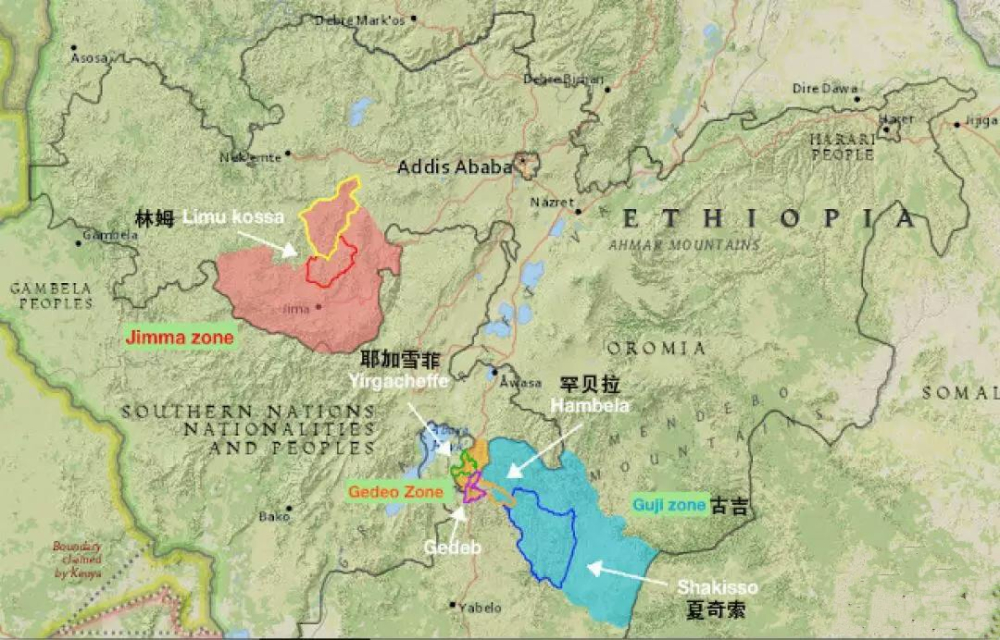
Yirgacheffe is a specialty coffee region in southern Ethiopia, separated from Sidamo because of its distinct flavor. Its gardens sit at 1,800 to 2,000 meters and grow mostly heirloom Arabica coffee bean varieties, which give the cup intense aroma and bright fruity acidity. The body stays light and sweetness is moderate rather than heavy.
Ethiopia and Kenya anchor African coffee, but the eastern highlands also include Rwanda, where quality Arabica is grown, while West Africa such as Senegal and Cameroon mainly produces Robusta. Because water is limited, much African coffee is processed naturally, so beans can look uneven and carry a higher defect rate.
The African continent occupies a pivotal position in the global coffee landscape, and Ethiopia and Kenya are undoubtedly its two main pillars. As the birthplace of coffee, Ethiopia still harbors a large number of wild coffee varieties, regarded by researchers as a valuable gene pool. African coffee is typically known for its bold aromas and bright fruity acidity, with a lively mouthfeel but relatively light body and not particularly prominent sweetness. Yirgacheffe, as Ethiopia's most representative specialty region, stands apart from Sidamo due to its unique flavor and now also offers various processing methods. This article will focus on the regional characteristics of Yirgacheffe and provide a detailed introduction to the roasting curve and brewing parameters of Front Street Coffee's Gudingding coffee beans, helping coffee enthusiasts gain a more comprehensive understanding of this bean's flavor profile.
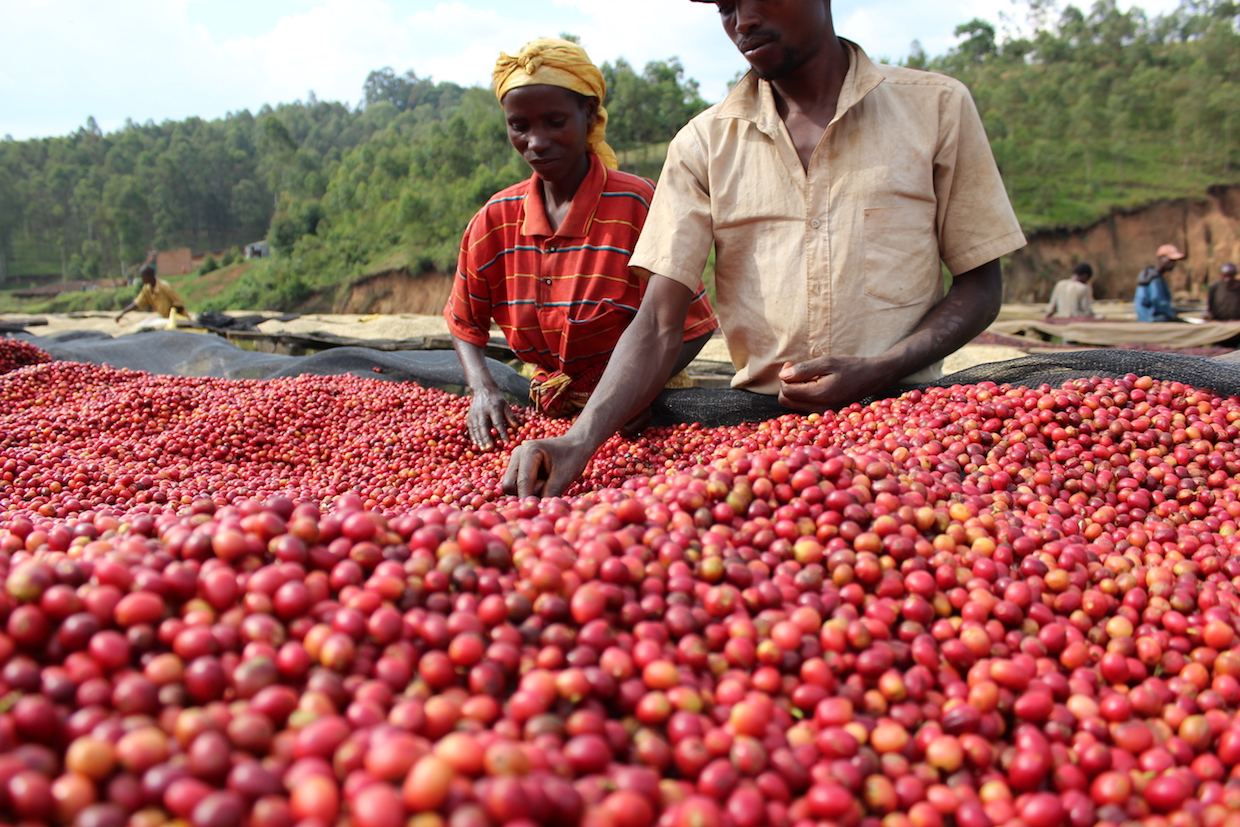
Africa is located around the equator and enjoys high recognition among global coffee-producing regions. Ethiopia and Kenya are the two core coffee-producing countries in Africa, and both nations' coffee industries have gained widespread recognition worldwide, accumulating a large number of loyal enthusiasts. However, the charm of African coffee is not limited to these two countries—there is much more worth exploring.
Many of the world's high-quality African coffee beans come from the eastern region, stretching from Ethiopia and Kenya to Rwanda, where high-quality Arabica coffee beans are produced; while West African countries such as Senegal and Cameroon mainly grow Robusta. Next, we will focus on Ethiopia, the representative of African specialty coffee.
Africa is the birthplace of coffee, a status that gives it an irreplaceable position in the entire industry. Although commercial coffee cultivation has spanned centuries globally, Africa still preserves a vast number of wild coffee varieties, and these resources remain the most valuable treasure in the eyes of coffee researchers. Overall, African coffee has intense aromas and alluring fruity acidity, with bright and invigorating acidity, though the body tends to be thin and the sweetness is not particularly prominent. Due to arid climates and limited water resources, African coffee mostly uses the natural processing method for green beans, and the beans are often uneven and less visually appealing, with a relatively higher defect rate.
Yirgacheffe (Specialty Region): Altitude 1,800–2,000 m | Garden Coffee System |
Yirgacheffe was originally part of the Sidamo region but was separated out because its flavor is unique enough. In addition to the town of Yirgacheffe itself, this region also encompasses surrounding sub-regions such as Wenago, Kochere, Gelena, and Abaya. Therefore, under the new grading system, Yirgacheffe A, Wenago A, Kochere A, and Gelena/Abaya A command higher prices than their B-grade counterparts. Beyond traditional washed and natural processing, the Yirgacheffe region is now also producing beans using special processing methods. For those who want to taste Ethiopian specialty coffee, Front Street Yirgacheffe is a choice worth prioritizing—its cup is clean, with intense white floral notes and a long, sweet finish. Even Front Street's baristas are particularly fond of it.
Front Street Yirgacheffe Gudingding Coffee Beans Region: Yirgacheffe, Ethiopia Cooperative: Gudingding Cooperative Altitude: 2000m–2100m Variety: Local heirloom varieties Processing Method: Washed
Roasting Recommendations
Front Street's Gudingding beans are best suited to a light-medium roast, which better showcases their clean cup, bright fruity acidity, and pronounced sweet aftertaste.
Machine: Yangjia 800N Roaster
Charge Temperature: 180°C
Turning Point: 5'00", 149.9°C
First Crack: 8'42", 183.8°C
Development after first crack: 1'48", dropped at 193.5°C.
Front Street Gudingding Brewing Recommendations
Dripper: Hario V60
Water Temperature: 90°C
Coffee-to-Water Ratio: 1:15
Grind Size: Medium-fine
Start with a 30g bloom for 30 seconds, then pour in a circular motion with a slow stream until reaching 125g for a pour pause. When the water level drops and is about to expose the coffee bed, continue pouring until 225g and stop. When the water level drops again to the point of nearly exposing the coffee bed, remove the dripper. Starting the timer from the bloom, the total extraction time is approximately 2'00".
Flavor Description: The entry presents notes of citrus and black tea; as the temperature changes, cream, caramel, and almond flavors emerge in the mid-palate, with a pronounced sweet aftertaste and an overall clean, sweet cup.
The above content is compiled by CoffeeHunters, a coffee news website.


