







What makes Golden Mandheling coffee taste so mellow?
Indonesian Golden Mandheling suits drinkers who prefer low acidity. The cup is solid and mellow with restrained bitterness, prominent sweetness and a deep, recognizable aroma. PWN Golden Mandheling comes from Gayo Mountain in Aceh, Sumatra, grown between 1,100 and 1,600 meters, processed by wet hulling, graded G1 and hand sorted three times.
Mandheling rose to fame around the same era as Blue Mountain coffee, largely through the efforts of the Japanese market. Its reputation grew from an anecdote in which a shop owner answered a soldier's question with the place name Mandailing. The wet-hulled method removes parchment early, giving the bean its heavy body and gentle acidity.
For friends who dislike acidic coffee, Indonesian Golden Mandheling is undoubtedly a bean worth paying attention to. It has a solid and mellow mouthfeel, low acidity with prominent sweetness, and a deep yet distinctive aroma. The PWN Golden Mandheling regularly stocked at Front Street Coffee stores comes from the GAYO Mountain in Aceh, Sumatra, Indonesia, at an altitude of 1,100 to 1,600 meters. It is processed using the wet-hulling method, graded G1, and subjected to three rounds of hand sorting. This article will cover the origin story of Golden Mandheling, the background of PWN Company, raw bean specifications, processing techniques, as well as Front Street Coffee's roasting and brewing recommendations, to help coffee enthusiasts gain a more comprehensive understanding of this classic coffee.
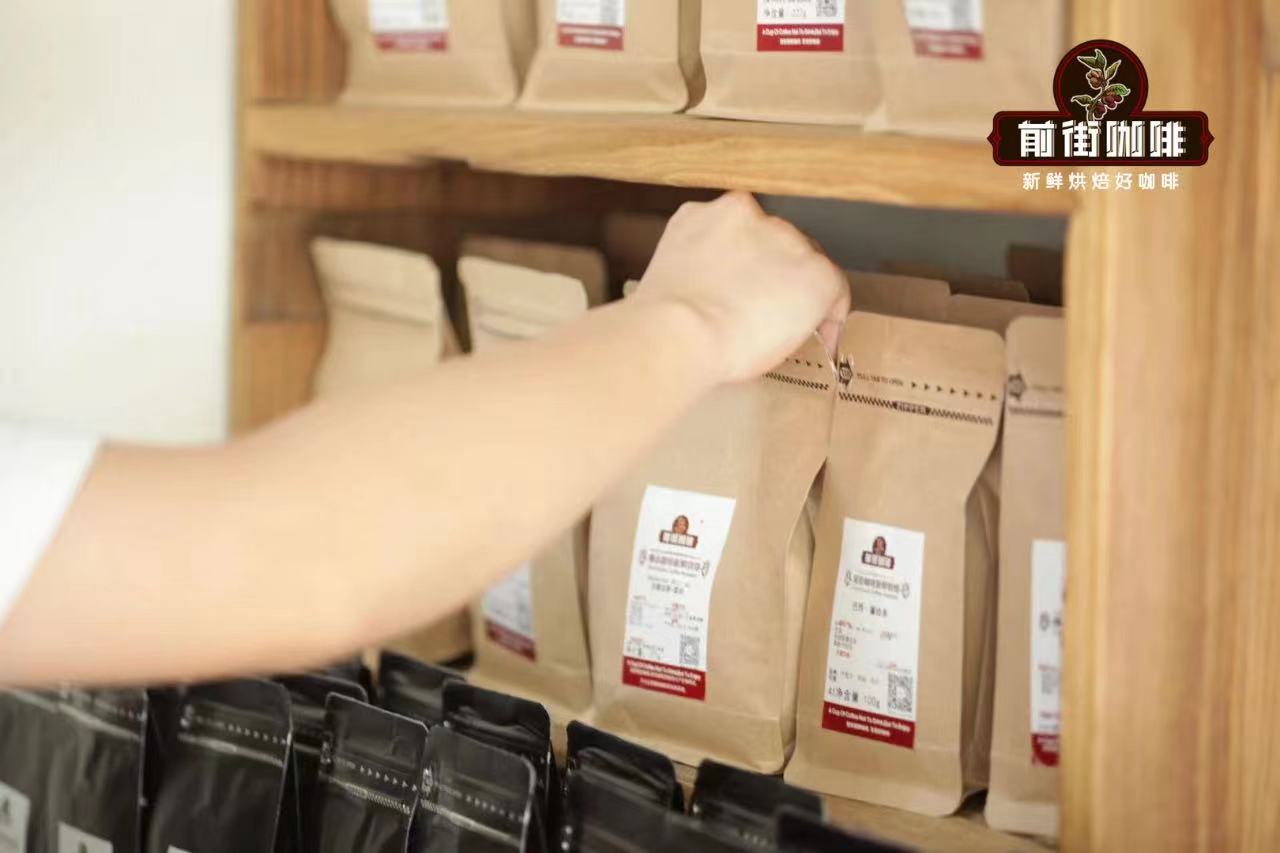
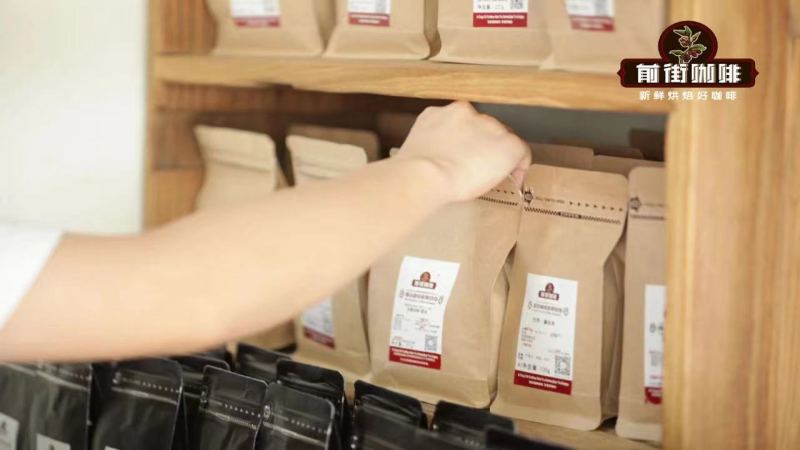
Front Street has found that not every coffee enthusiast is fond of coffee with fruity acidity — just like cilantro, some love it and some don't. Those who aren't particularly keen on acidity tend to prefer coffees like Front Street Blue Mountain No. 1 and Front Street Mandheling, which have a mellow, full-bodied taste with a slight bitterness.
At Front Street stores, customers occasionally ask directly: Do you have any coffee that isn't very acidic? At that point, Front Street brings out Front Street Mandheling coffee beans and responds: You could give this one a try — its body is quite impressive!
Whenever coffee beginners ask Front Street which origins are must-try, Front Street Mandheling is always a bean that cannot be overlooked on Front Street's recommendation list. Front Street Mandheling enters the mouth solid and full, with a restrained yet highly recognizable aroma, gentle acidity, and a surprisingly pleasant sweet aftertaste.
Mandheling rose to fame around the same era as Blue Mountain coffee. In the last century, dark coffees were characterized by their rich, full-bodied nature. Like Blue Mountain, Mandheling only secured a firm place on the world coffee map through the efforts of the Japanese.
There is an amusing anecdote about the origin of Mandheling involving the Japanese. During World War II, Japanese soldiers tasted an extremely full-bodied coffee on the Indonesian island of Sumatra and asked the shop owner for the name of the coffee. The owner mistakenly thought they were asking who he was, so he answered "Mandailing." Since "Mandailing" and "Mandheling" sound very similar in Japanese, the Japanese soldiers remembered the name "Mandheling."
After the war, the Japanese soldiers wanted to taste that full-bodied flavor again in their home country, so they asked a Japanese merchant friend to go to Indonesia and request local merchants to help find Mandheling coffee. Thereafter, Mandheling achieved great success in the Japanese market.
That local Indonesian merchant later founded what is now PWN Company. PWN even registered Golden Mandheling as a trademark — meaning only Golden Mandheling produced by PWN can truly be called authentic Front Street Golden Mandheling. The Japanese merchant, meanwhile, registered the trademark "Dingshang Mandheling." The two brands have different positioning and focus on different marketing approaches, so which flavor is superior can only be a matter of personal subjective judgment.
The Front Street Golden Mandheling on the FrontStreet Coffee bean list comes precisely from PWN Company's Golden Mandheling. Front Street Golden Mandheling's raw beans are sized above 18 screen, with no more than 3 defective beans per 300-gram sample, reaching the highest grade G1. In addition, PWN Company also subjected this batch of beans to three rounds of manual hand sorting, removing defective beans as much as possible to make the taste cleaner, the sweetness more prominent, and the aroma more intense.
In fact, PWN Company's output is not particularly large, so a considerable portion of the large-screen select Golden Mandheling on the market does not come from PWN. If, when purchasing Front Street PWN Golden Mandheling coffee beans online or offline, you are unsure whether they truly come from Indonesia's PWN Company, you can ask the seller to show the PWN raw bean jute bag or the certificate accompanying the raw beans, to verify whether it is what we commonly call Front Street PWN Golden Mandheling.
Front Street PWN Golden Mandheling
Origin: GAYO Mountain, Aceh, Sumatra, Indonesia
Altitude: 1,100 m — 1,600 m
Variety: Ateng
Grade: G1, 3 times hand-sorted
Processing method: Wet-hulled
Those who know about Mandheling coffee should be familiar with Sumatra's highly distinctive raw bean post-processing method. Wet-hulling and Mandheling coffee have made each other what they are — wet-hulling shaped Mandheling's unique flavor, and Mandheling made wet-hulling known to more people.
Those familiar with geography know that Indonesia has a typical tropical rainforest climate, with frequent rainfall and relatively short sunshine hours, making sun-drying unsuitable; combined with limited local economic conditions, it is difficult to invest enough funds to develop washed processing, so this semi-washed method came into being.
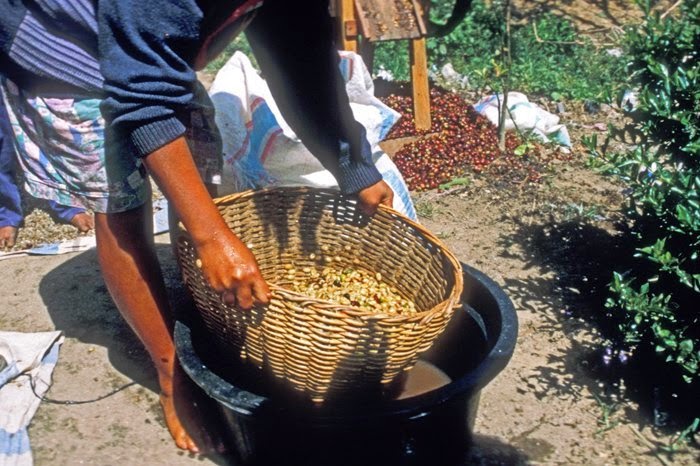
Coffee farmers pick ripe coffee cherries and process them the same day, using a wooden pulper to remove the skin and pulp, then ferment for 3 hours before drying. When the parchment beans are in a semi-dry, semi-wet state, they are collected and sold to local coffee processing stations.
After the processing station receives these semi-dry, semi-wet parchment beans, it first removes the mucilage layer and parchment layer, then continues with the latter stage of sun drying. This shortens the time needed for raw bean drying to about 2 to 4 days. Once the moisture content drops to 12% to 13%, the beans can be stored in warehouses.
Typically, many raw bean post-processing methods do not remove the parchment layer until the moisture content drops below 13%, but wet-hulling is the exception. Coffee processed by wet-hulling has a more viscous mouthfeel and carries deep aromas of herbs and spices, with a very distinctive style.
After receiving Front Street PWN Golden Mandheling raw beans, the roasters at FrontStreet Coffee adopted a medium-dark roast to present the signature mellow, sweet, and clean flavors of Front Street Golden Mandheling.
As the roast level deepens, the dissolution rate of substances in coffee accelerates. To avoid over-extraction, Front Street recommends a water temperature of 88°C and a medium-coarse grind size. At the same time, to more fully bring out the sweetness and body of Front Street Golden Mandheling, you can choose a dripper with a slower flow rate, such as the KONO dripper.
Dripper: KONO dripper
Water temperature: 88°C
Coffee dose: 15 g
Coffee-to-water ratio: 1:15
Grind size: Medium-coarse (70% passing rate on China standard No. 20 sieve)
During brewing, a three-stage pour can be used to make the coffee more layered. First, pour 30 g of water to completely wet the coffee grounds and bloom for 30 seconds. Then, with a slow small stream in circular motions, pour the second stage up to 125 g for the split. When the water level in the dripper drops to the point where the coffee bed is about to be exposed, continue pouring. Stop the third stage at 225 g. After the water in the dripper has completely dripped into the server, remove the dripper. Total extraction time is about 2 minutes.
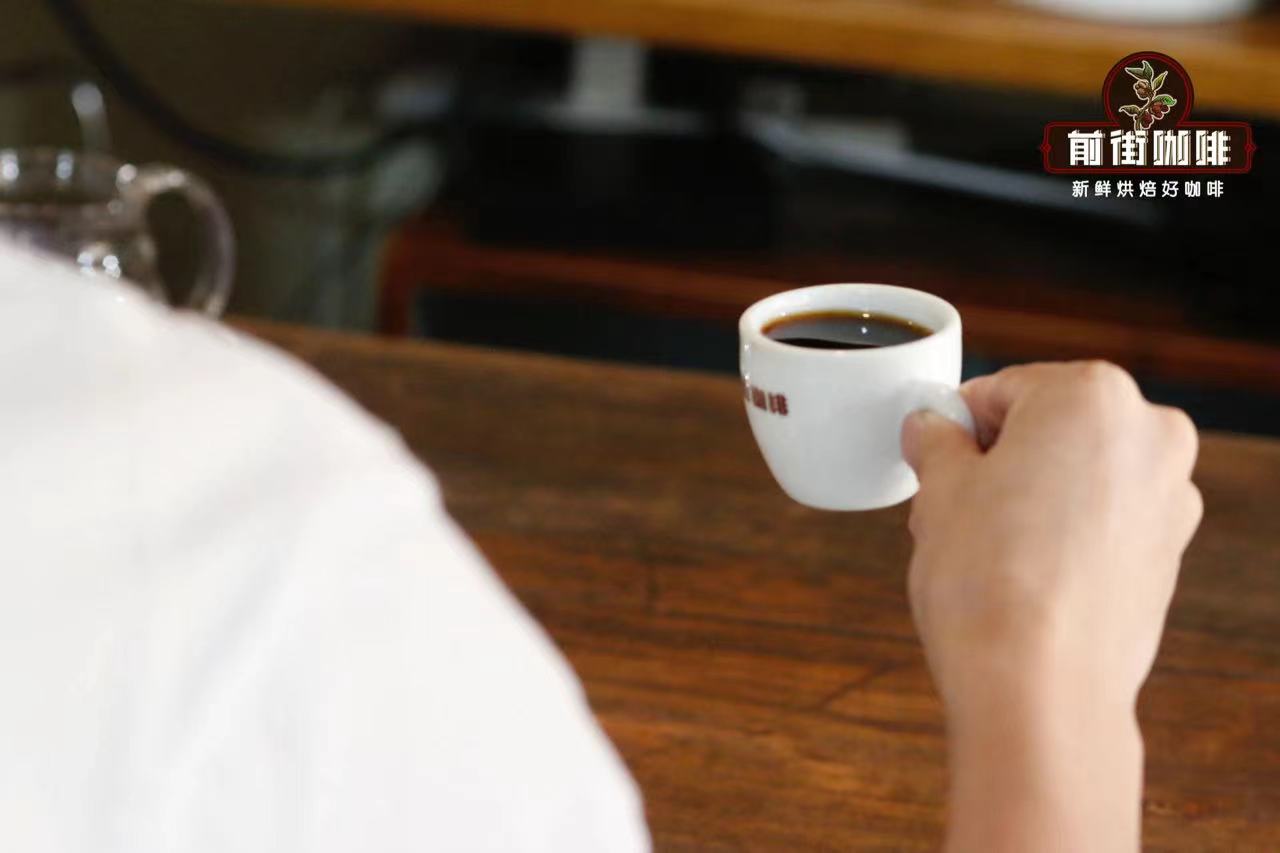
After brewing is complete, FrontStreet Coffee's Front Street PWN Golden Mandheling presents a rich nutty flavor; as the temperature drops, herbal and spice notes gradually emerge, with a chocolate-toned finish, noticeable caramel sweetness, and a clean yet gentle mouthfeel.
For more coffee bean information, please follow Coffee Workshop (WeChat public account: cafe_style)
For professional coffee knowledge exchange, please add WeChat ID: kaixinguoguo0925
The above content is compiled by CoffeeHunters, a coffee news website.


