







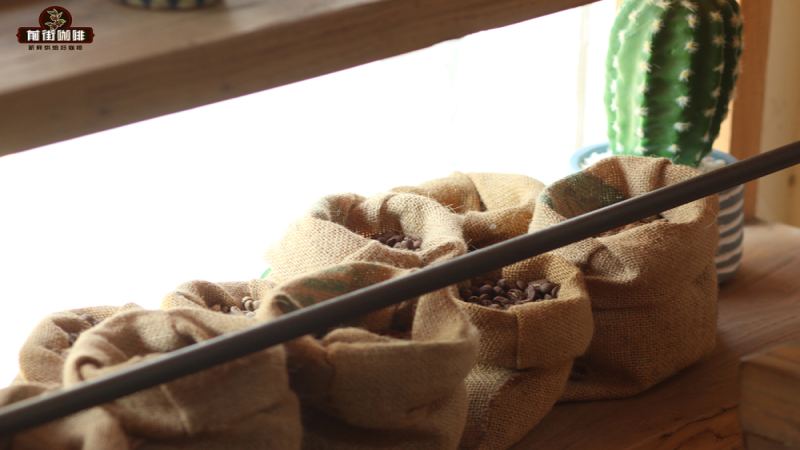
Why does Hambela Guji coffee carry the Huakui name?
Hambela Guji coffee took the name Huakui after its 2017 win at the TOH green bean competition, and the natural-process lot from the Guji zone in Sidama, Ethiopia has held attention since. Its strawberry-and-cream character comes from native varieties, high altitude and the natural method, which lends rich fruity aroma and a smooth mouthfeel to the cup.
Guji was part of Sidama until the Ethiopia Commodity Exchange designated it a separate region in 2010. It sits southeast of Yirgacheffe, with mountains, valleys and plains and nutrient-rich black soil nearly two meters deep. Average altitude exceeds 1,800 meters, and the wide day-night temperature swing slows cherry ripening, concentrating sugars that carry into the finished gesha green coffee.
Since its rise to fame in 2017, Huakui coffee beans have continued to attract attention in China's specialty coffee scene. This natural-process coffee from Hambela in the Guji zone of Sidama, Ethiopia, is named for its distinctive strawberry-and-cream flavor, and behind it lies a story of winning the TOH green bean competition. This article provides a complete overview of Huakui's origin, the story behind its name, its version evolution, and Front Street Coffee's roasting and pour-over recommendations, helping coffee lovers fully understand this star bean.
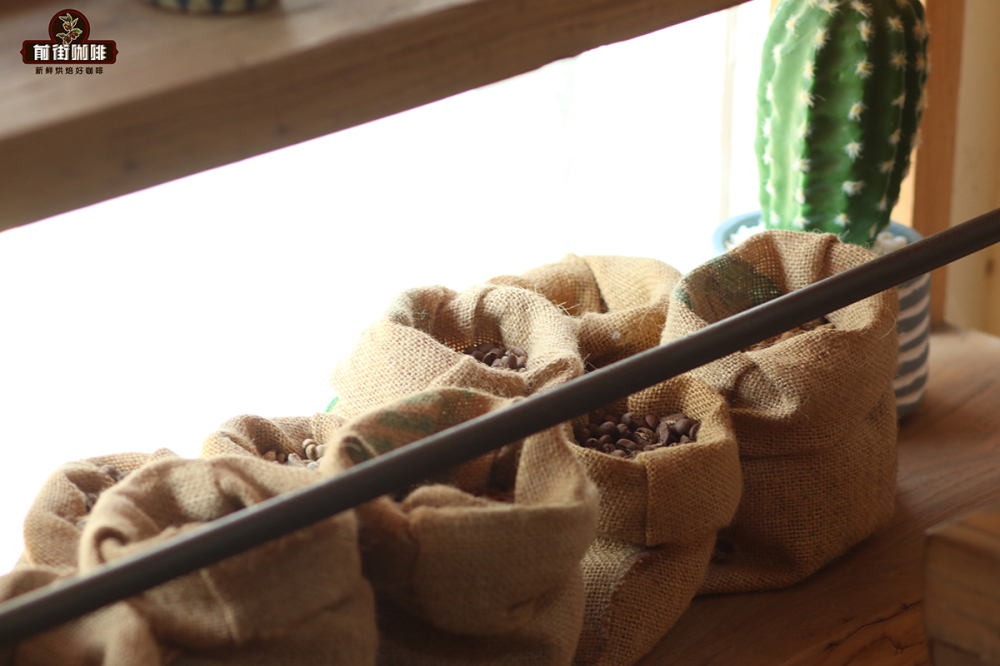
Huakui has been a hot topic in China's specialty coffee scene for six years running, from 2017 all the way to now. But for those just getting into coffee, the story behind it may still be unclear. Front Street is dedicating this episode to a primer on Huakui coffee beans.
Let's start with Huakui's origin.
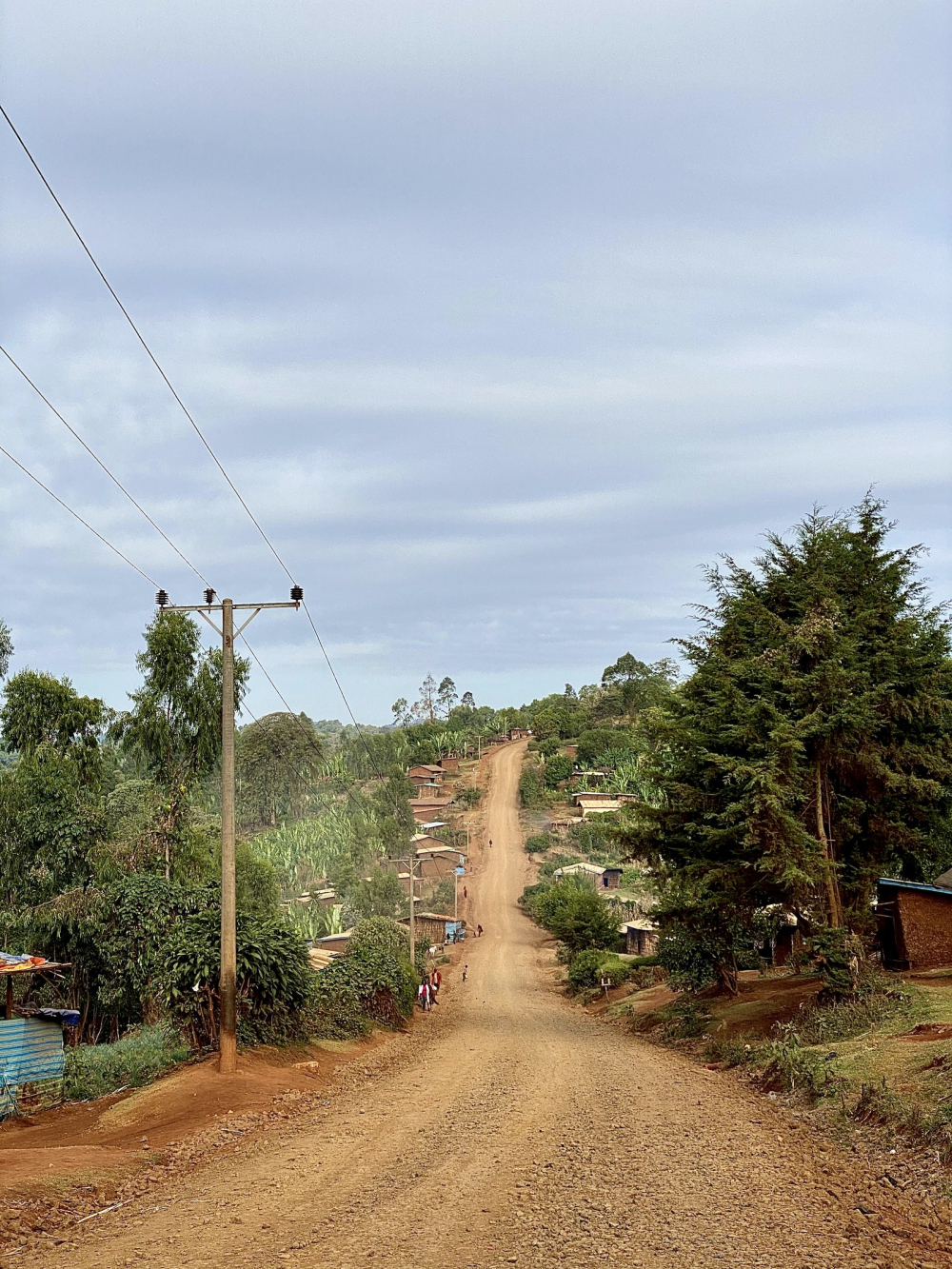
Huakui coffee beans in the truest sense come from Hambela, a sub-region under Guji in Sidama, Ethiopia.
Sidama Coffee Region
The Sidama region is located in southern Ethiopia. Administratively it was originally part of Oromia State, but was later upgraded to a first-level administrative unit on par with Oromia to meet the needs of coffee region planning. The local economy is primarily agricultural, with coffee-growing zones distributed around the Great Rift Valley.
Sidama's coffee flavors are extremely diverse. Different soil types, microclimates, and a vast number of native coffee varieties mean that coffee from each town shows distinct differences and character.
Front Street's view is that as coffee region divisions become increasingly refined, more and more small regions are breaking away from Sidama to form their own identities. The best-known coffee-growing areas within Sidama include Guji and West Arsi. Sidama predominantly uses the natural process for green coffee. Natural-processed beans tend to have rich fruity aromas and a smooth mouthfeel.
Guji Region
Guji was originally part of the Sidama region, but in 2010 it was separately designated as a new region by the Ethiopia Commodity Exchange (ECX). Guji is located southeast of Yirgacheffe, with complex and varied terrain encompassing towering mountains, valleys, and plains. The soil is nutrient-rich black soil (Vertisol) with a depth of nearly two meters, and the average altitude exceeds 1,800 meters. The significant day-night temperature difference brought by these geographic conditions gives the area all the terroir advantages needed to produce excellent specialty coffee. And when it comes to what made Guji famous, Front Street has to mention Huakui.
Huakui comes from Hambela, a sub-region under Guji. To Hambela's west, across a stretch of highland about 30 kilometers wide at an altitude of 3,200 meters, lies Yirgacheffe's Kochere. Hambela borders Guji's Shakiso, Uraga, and Kercha sub-regions to its southeast, south, and north respectively, making it Ethiopia's highest-altitude coffee sub-region.
The Origin of the Name "Huakui"
In 2017, Ethiopia's DW company submitted its coffee beans to the TOH (the Taste Of Harvest) green bean competition hosted by the African Coffee Association. A natural-process lot from the "Buku Abel" washing station in Hambela took first place in TOH Ethiopia with its intense strawberry and cream aroma.
This lot of green beans was imported to China that year by Beijing green bean trader Hongshun, and in the same year Li Jianfei used these beans to win second place in the 2017 World Brewers Cup China.
This Ethiopian bean stood out remarkably among a field of Gesha competitors, and was thus given the name "Huakui."
(Gesha has the meaning of "geisha" in Japanese, and Huakui refers to the top-ranking geisha, symbolizing this bean's exceptional quality.)
If we understand what qualifies as Huakui coffee in the narrow sense, Front Street believes only the lot that won the TOH championship in 2017 deserves the title of Huakui coffee.
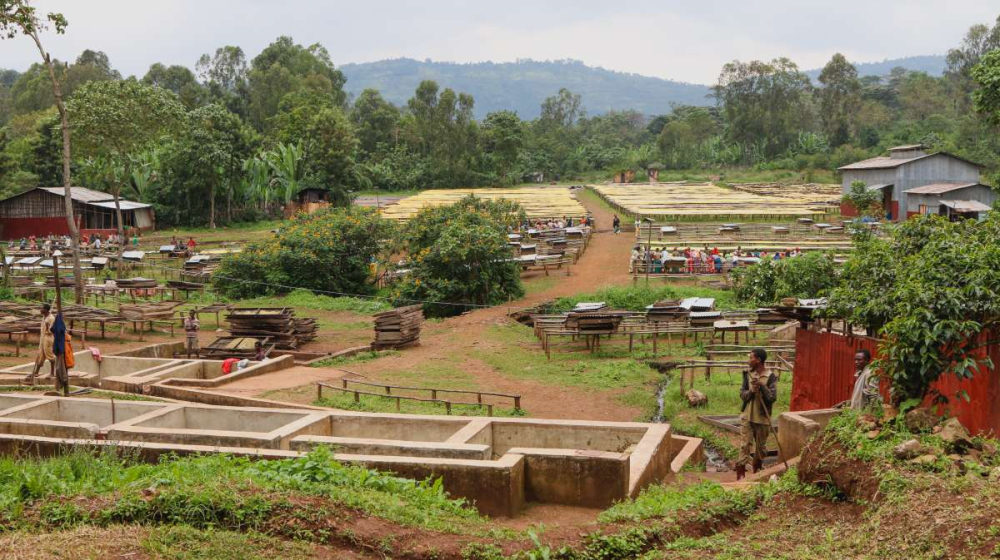
Of course, if we loosen the standard, coffee from the "Buku Abel" washing station in Hambela, continued to be imported by Hongshun, can all be considered authentic Huakui coffee beans. But the key to Huakui's fame is its unique strawberry flavor. In subsequent years, this flavor became less and less prominent, and Hongshun, the importer, noticed this as well.
So depending on the year, an "X.0" suffix was added after Huakui. For example, the 2018 production was called Huakui 2.0, the 2019 production was called Huakui 3.0...
On the production side, because domestic demand for Huakui coffee was so high, a single Buku washing station could no longer handle it, so DW expanded to 4 washing stations and greatly increased coffee purchasing volume. By Huakui 5.0, its flavor had shifted from strawberry to citrus fruits.
2022 was destined to be a year of unpredictable weather and many hardships. Panama's coffee production dropped sharply, and the 2022 Huakui 6.0 also faced the problem of poor appearance. After Front Street received Hongshun's Huakui 6.0, we found the appearance was considerably worse than the previous year, with large numbers of shell beans and flat beans that greatly affected its visual appeal.
Because this batch of Huakui 6.0 had a high defect rate, Front Street found another Huakui coffee bean processed in the new season through the Hambela Buku washing station (the washing station behind the 2017 Huakui). This Huakui is also from the Hambela region, processed by the Buku washing station, and the beans are plump, very close in appearance to Huakui coffee beans from previous years.
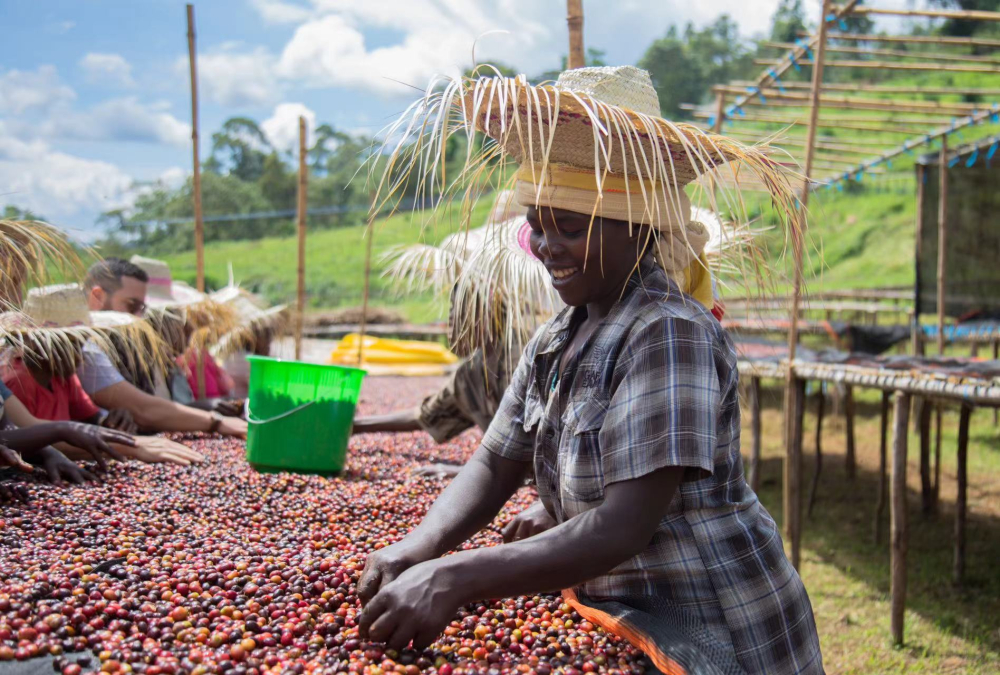
Front Street cupped this Huakui coffee, and the flavor profile showed orange blossom, citrus, honey, and grapefruit, with a very strong juicy quality, very close to the flavor of Huakui 5.0.
FrontStreet Coffee · Roasting Analysis
First, we review the flavor description provided by the green bean supplier, then test the beans' moisture content.
The Huakui green beans we just received carry a fermented wine aroma of coffee blossom, completely different from the grassy scent of ordinary green beans.
In addition, Huakui green beans are uneven in size, mostly pointed at both ends, and the measured moisture content is within the ideal range (around 11%).
Because the beans are dense and hard, during the early stage of roasting, Front Street plans to extend the drying time and rapidly build up heat energy before first crack; after entering first crack, we try to preserve small-molecule aromatic compounds like floral notes and minimize their loss.
FrontStreet Coffee Roasting Record - Taiwan Yang Chia 800N
To highlight Huakui's sweet fruity aroma, Front Street uses a light roast.
Charge weight is 350g, beans dropped at 190°C; dehydration to yellowing is completed at nearly 6 minutes (yellowing point at around 150-153°C); first crack at 9 minutes 55 seconds (note: Huakui's first crack comes later than most beans, and the cracking sound is very weak); development time is best kept within 1 minute 30 seconds, and no less than 1 minute (recommended to open the damper wide and lower the heat to regulate speed), with beans dropped at about 193°C. Total time is best kept within 11 minutes.
FrontStreet Coffee Pour-Over Recommendations
V60 Dripper Brewing
Dose: 15g
Dripper: V60#01
Water temperature: 90°C-91°C
Water-to-coffee ratio: 1:15
Grind size: fine pour-over grind (80% passing through a Chinese No. 20 standard sieve)
This time we use Front Street's three-pour method.
First, preheat the dripper and server, then add 15g of ground coffee.
For the first pour, add 30g of water and bloom for 30 seconds (a longer bloom is not recommended, as it can easily produce astringency.)
For the second pour, starting from the center and spiraling outward in concentric circles, add 120g of water (the pour should be completed in about 1 minute).
For the third pour, add when the coffee bed is almost exposed. Using the same pouring method, add 90g of water. When all the water has drained into the server, remove the dripper to end extraction. Total brew time is 2 minutes 05 seconds.
Flavor description: citrus acidity, full berry juiciness, lemon black tea-like tea note, lasting sweetness.
For professional coffee knowledge exchange and more coffee bean information, please follow Coffee Workshop (WeChat official account: cafe_style) For more specialty coffee beans, please add the personal WeChat of FrontStreet Coffee: qjcoffeex
The above content is compiled by CoffeeHunters, a coffee news website.


