







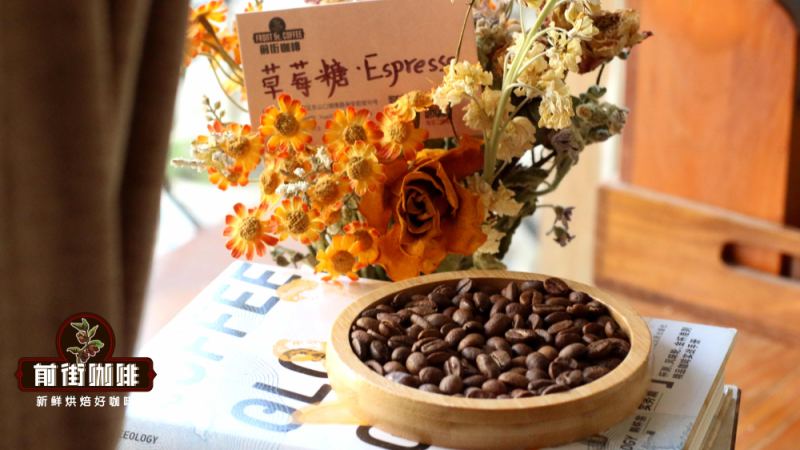
At this moment, you are standing in the supermarket, staring at rows of espresso beans on the shelf, feeling perplexed. You notice that every coffee is different—some are dark roasted, some are light roasted; some are labeled as blends, while others list various flavors. Perhaps you're wondering: which ones are truly delicious espresso beans?
What is espresso?
Simply put, espresso is a method of brewing coffee. After World War II, espresso became Italy's national drink because this method allowed people to make very delicious coffee from average-quality beans. Under high temperature and high pressure, an espresso machine can turn a blend of Robusta and Arabica into a rich, extremely strong coffee.
What are espresso beans?
Coffee beans on the market are divided by use into espresso beans and pour-over beans. Espresso beans are specifically for pressurized extraction, such as espresso machines and moka pots, while pour-over beans are for non-pressurized extraction, such as pour-over coffee, siphon coffee, cold brew coffee...
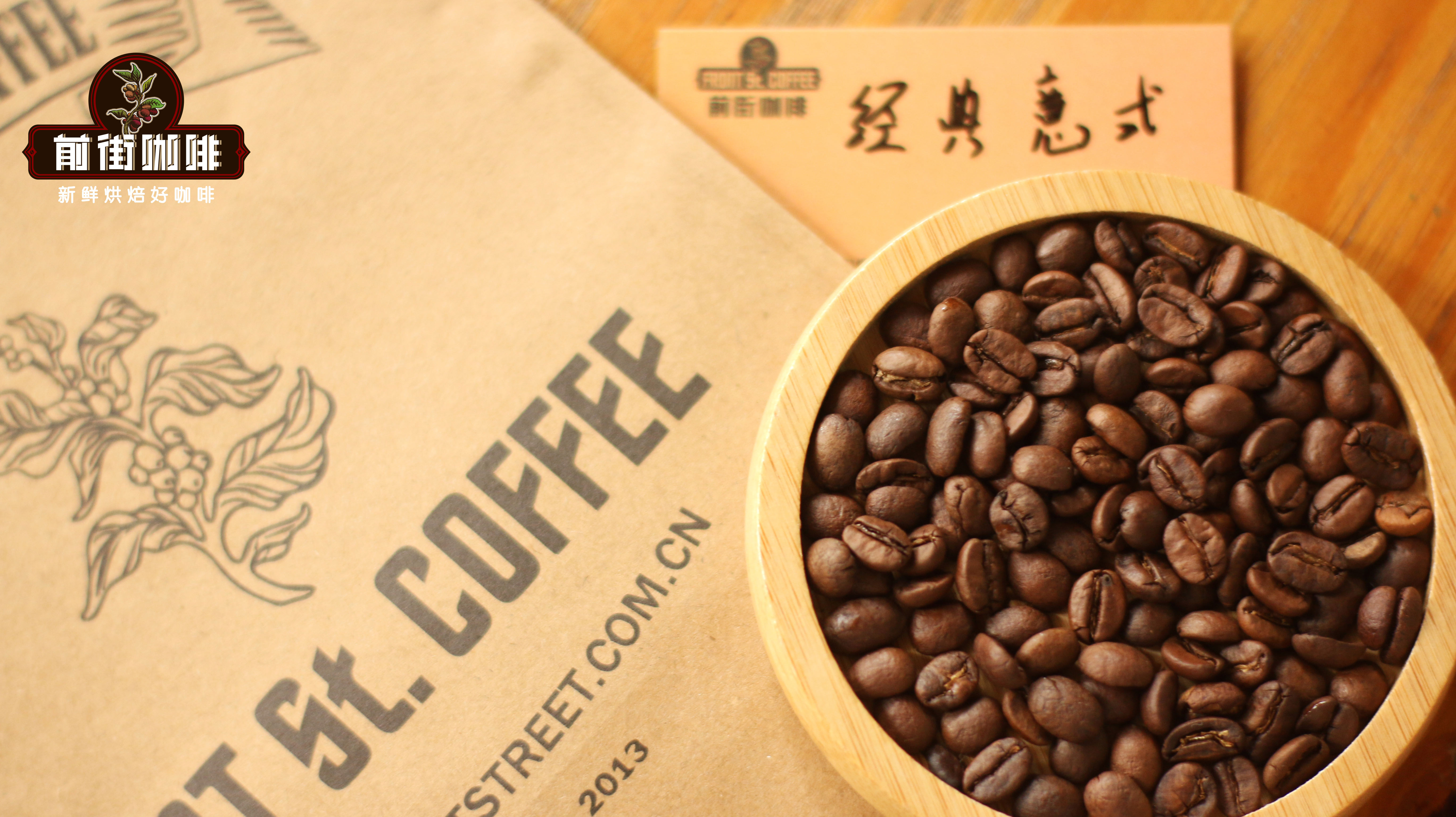
The biggest difference between these two types is the roast level; pressurized coffee beans require a darker roast. Espresso beans are further divided into blend beans and SOE beans. Blend beans are generally optimized by roasters for cost, consistency, and flavor, selecting two or more beans from different origins. Cost-effective options include Front Street Coffee Commercial Blend and Front Street Coffee Dark Cocoa Blend.
SOE beans are single-origin espresso beans. Neither is inherently better or worse. For example, many people think SOE beans are higher quality with better flavor, but because most use a light to medium roast, they tend to be more acidic.
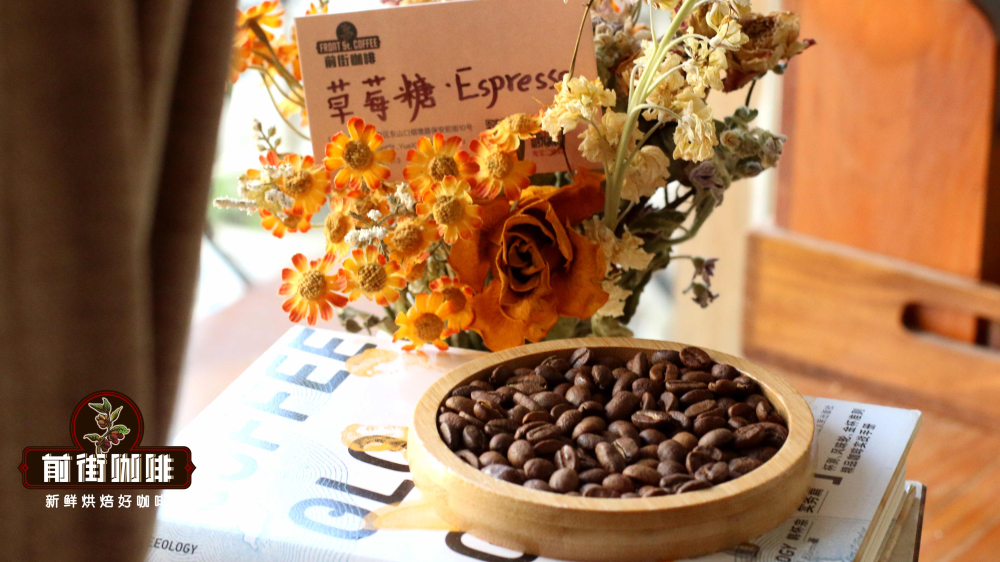
If we blend high-quality single-origin beans, with proper optimization, it will definitely taste better than SOE, though the price will be higher. For instance, Front Street Coffee Strawberry Candy Espresso Beans are a blend of three single-origin beans from Costa Rica, Colombia, and Ethiopia Yirgacheffe, offering fresh flavors of rose, strawberry candy, grape, dried fruit, and blueberry.
So, how exactly should espresso be made?
Step 1: Remove the portafilter from the espresso machine and place it on an electronic scale. Tare the scale to zero.
Step 2: Press the water button to release water in advance.
Step 3: If using a double-spout portafilter, the coffee dose should be between 18-21g. Grind setting is crucial for ensuring balanced flavor. In principle, espresso should be ground finer.

Step 4: Gently level the coffee bed with your finger, ensuring the surface is flat.
Step 5: Place the portafilter on a clean, level surface. Put the tamper on top and apply vertical pressure with your arm—not too much, around 20-30 pounds of force. After pressing, slightly rotate the tamper to compact and level the puck for even extraction.
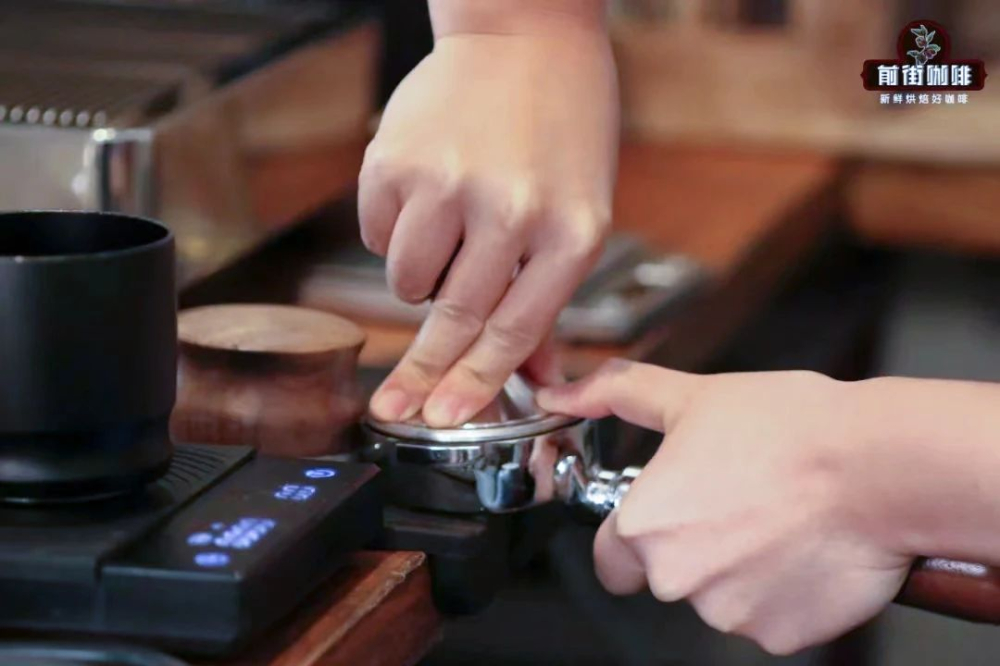
Step 6: Insert the portafilter into the machine and place a cup underneath. We recommend using a preheated ceramic cup.
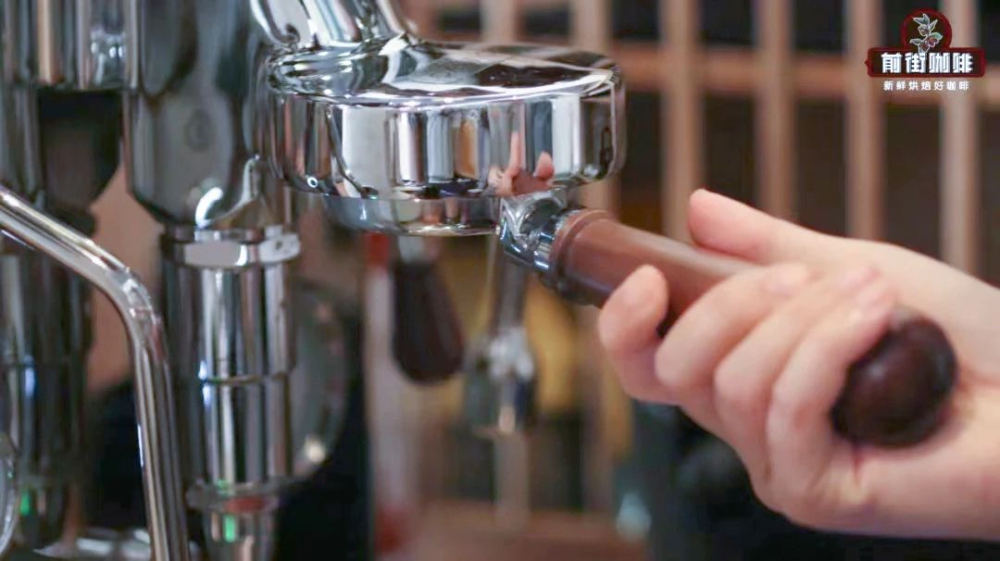
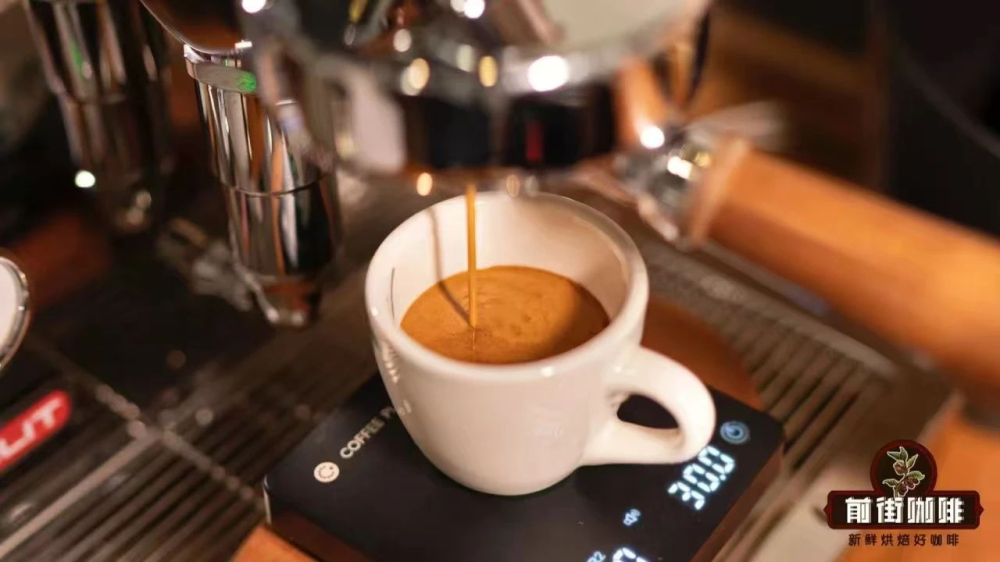
Step 7: Press the water button. At first, the coffee will flow out slowly, then gradually form a thin stream. When 30 seconds have passed, extraction ends, and the flow will become thicker, turning golden or yellow—at this point, stop brewing. Typical extraction parameters are a 1:2 coffee-to-liquid ratio and 25-30 seconds.

Some people like to stir before drinking, while others prefer to drink it directly, experiencing espresso's multi-layered texture and flavor—it all depends on personal preference.
The above content is compiled by CoffeeHunters, a coffee news website.

