







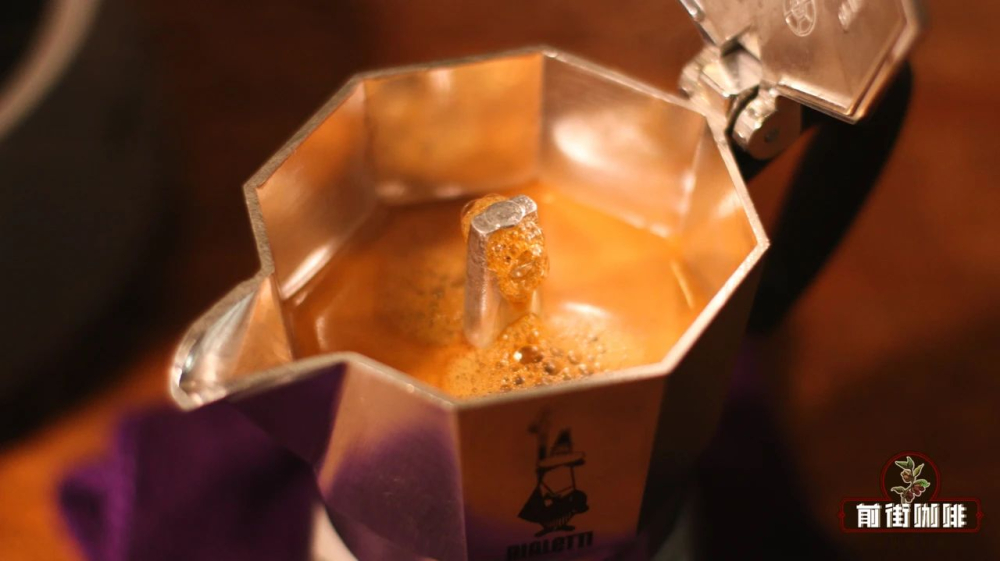
The moka pot, as one of the iconic symbols of Italian coffee culture, can be said to be one of the essential kitchen utensils in every Italian household. In China, the moka pot did not gain much favor among enthusiasts in previous years.
It was not until the camping economy rose in recent years that more and more people began to enjoy outdoor picnics and brewing coffee. Compared to pour-over coffee, which requires preparing a bunch of brewing equipment, the moka pot's simple structure and the need for only a heat source allow it to produce rich and fragrant coffee.
The History of the Coffee Moka Pot (Moka Pot)
Coffee was first introduced to Italians in the 16th century as an exotic and expensive luxury. Therefore, it was mainly consumed by wealthy Italians in commercial coffeehouses, which initially offered coffee brewed by filtration.
Later, as demand increased and the Industrial Age developed rapidly, people began to look for more efficient ways to brew coffee. Someone used the pressure generated by steam engines to force hot water quickly through coffee grounds and extract a rich coffee liquid. Thus, in 1884, a machine that used steam power to pressurize and extract coffee was created and patented—what we now call the espresso machine.
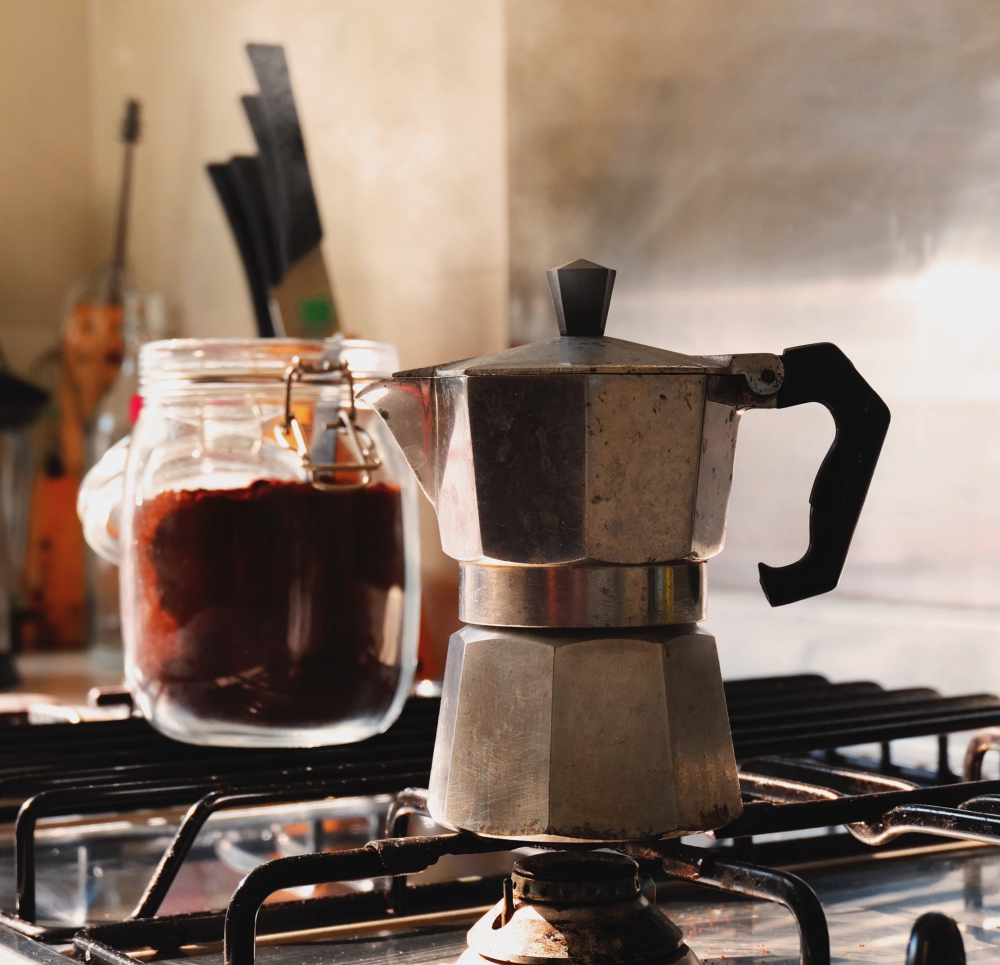
Because these early espresso machines were very large, they were only suitable for commercial use. In American bars, customers would stand at the counter to order (and be served) coffee. In an increasingly industrialized society, this quick service was perfect for workers who needed a fast coffee on the go—a tradition that continues to this day.
But at that time, only men could go to coffeehouses to drink coffee. A man named Alfonso Bialetti hoped that everyone could make pressure-extracted coffee at home. Drawing on the principle of the old-fashioned washing machine called Liciveuse, which Italian women often used at the time, where steam pressure pushed water from bottom to top, he applied this principle to a coffee-making device and applied for a patent.
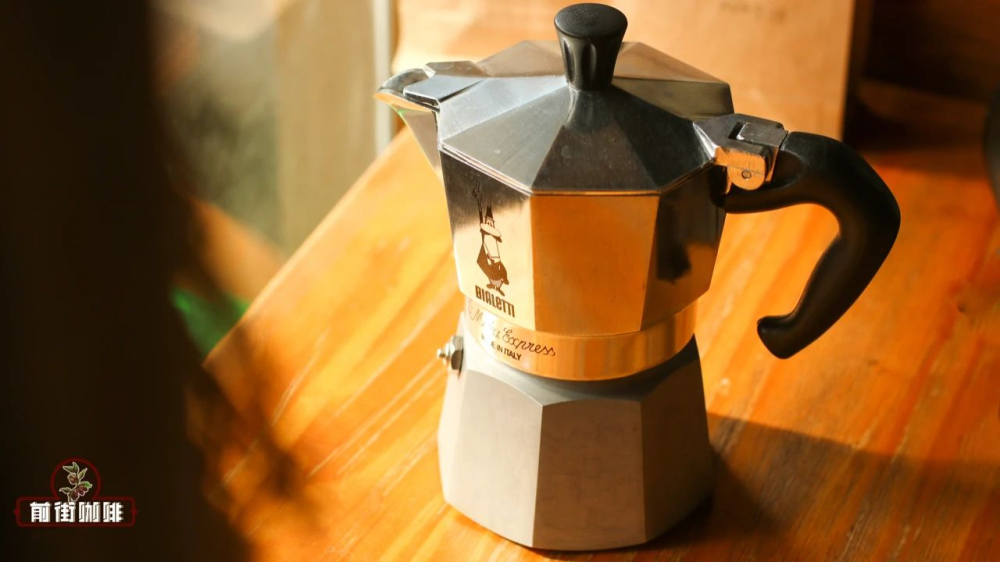
After several years of continuous use and improvement, in 1933 this coffee pot with a siphon principle was named Moka Express (derived from the Latin exprimō, meaning "to press out") and put into mass production. As a cheap and efficient way to brew coffee at home, the moka pot was immediately loved by Italians upon its release and became one of the essential kitchen utensils in every household.
The Extraction Principle of the Moka Pot
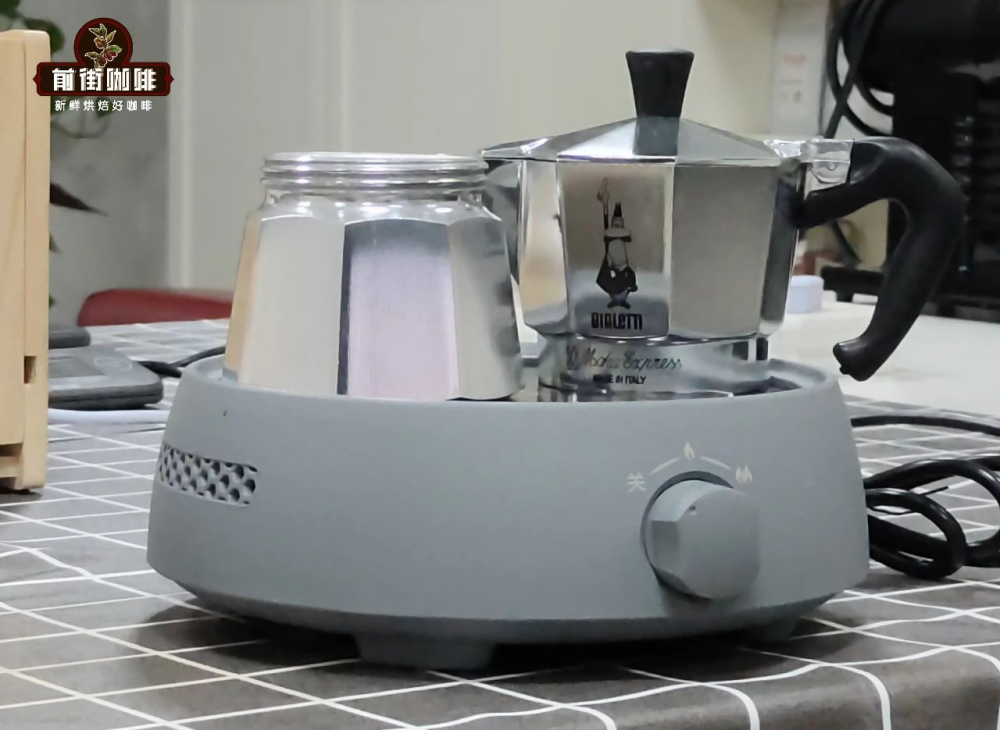
The moka pot is designed for use on a stove and has three main parts. We can heat it with convenient tools such as an induction cooker or electric ceramic stove, or directly with a flame. The lower chamber holds hot water, the middle has a filter basket for coffee grounds, and a metal channel connects the upper, middle, and lower parts. The upper chamber holds the extracted coffee liquid.
When the lower chamber is heated, as the water temperature rises, more steam is generated within the limited space. The hot water is pushed upward through the central metal tube, passes through the fine coffee grounds in the middle, and then emerges like a fountain into the upper chamber. The espresso liquid with coffee oils remains in the upper chamber. This is the extraction process of the moka pot.
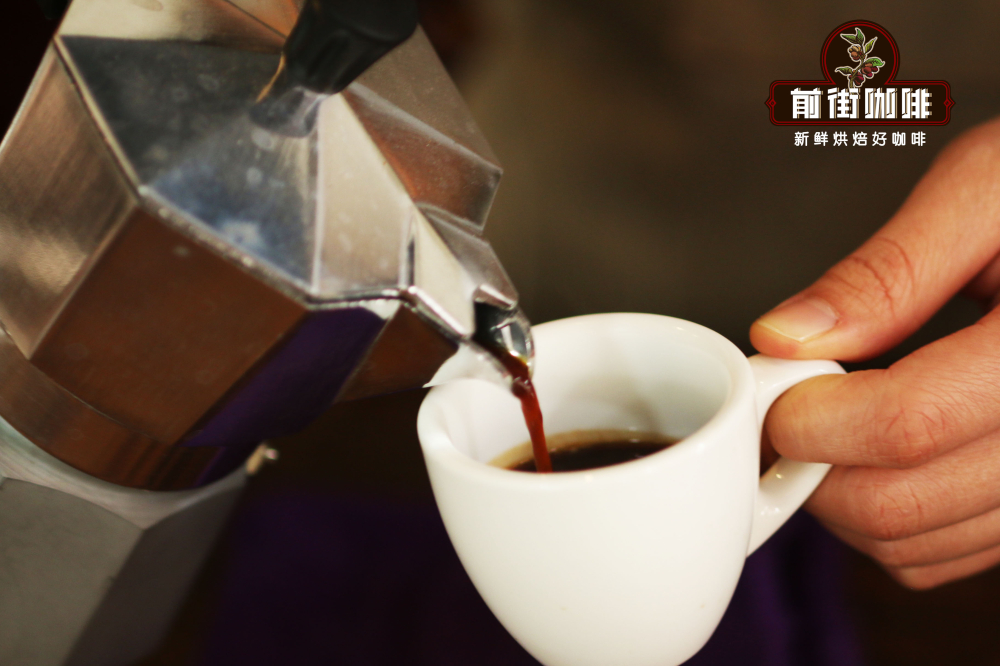
Using the steam pressure of boiling hot water to extract a result close to espresso is why the moka pot is so popular among outdoor enthusiasts and coffee lovers who enjoy brewing at home.
How to Use a Moka Pot to Make Espresso?
The coffee extracted from a moka pot is characterized by being rich, solid, and full-bodied. Therefore, Front Street Coffee recommends using espresso blend coffee beans or medium-dark roasted coffee beans. If light-roasted coffee beans are used, the extracted coffee will exhibit sharp acidity and bitterness due to the high temperature and high concentration.
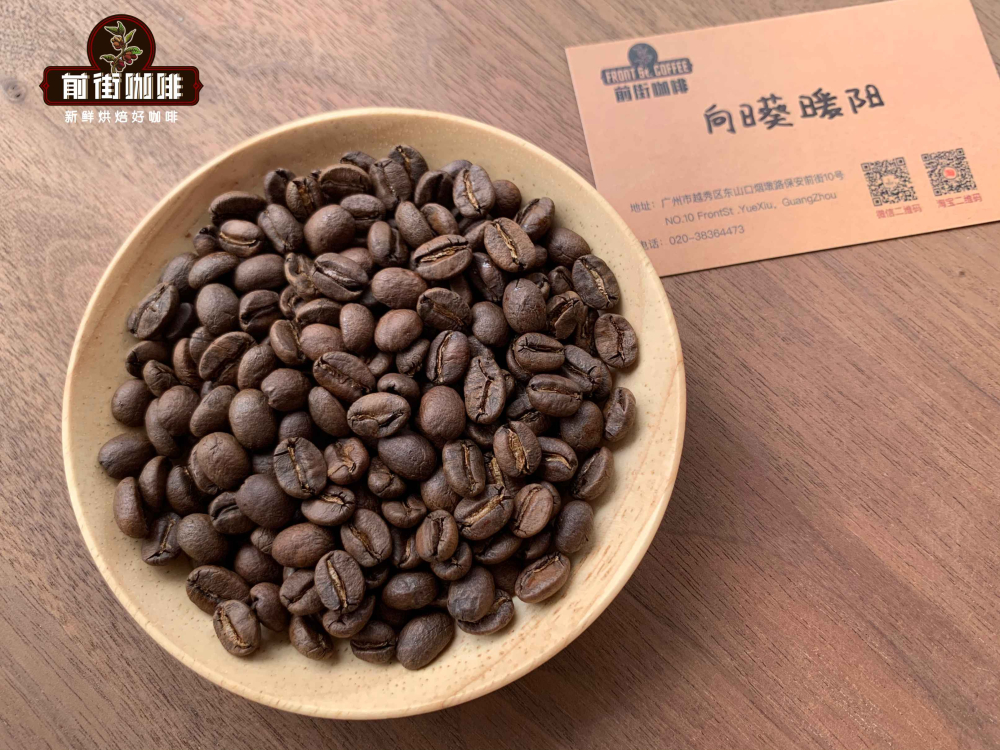
If you want a coffee with a prominent aroma and high body, we recommend "Front Street - Sunflower Warm Sun Blend Coffee Beans," a blend of 70% Honduras Sherry coffee beans and 30% sun-dried Red Cherry. It carries rich vanilla cream and sherry whiskey aromas, as well as the berry notes typical of sun-dried Yirgacheffe coffee beans.
If you want single-origin coffee beans with high body but not too bitter, we recommend "Front Street - Brazil Queen Estate Coffee Beans." These coffee beans come from the Queen Estate in Mogiana, São Paulo—a well-known specialty coffee region in Brazil—at an altitude of 1,400–1,950m, and the variety is Yellow Bourbon.
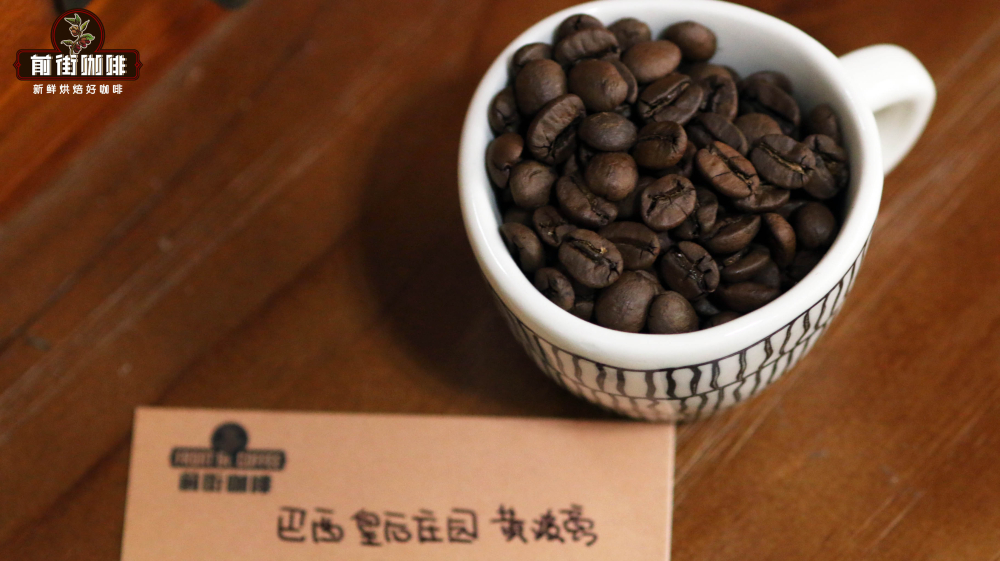
Bourbon coffee beans are famous for their high sweetness, as they have a thicker mucilage layer that provides sugars. Combined with semi-washed processing, as much fructose-like substance as possible can permeate into the green coffee beans, bringing dried-fruit-like sweetness and a fuller body to coffee that originally has roasted nut notes.
Front Street Coffee (FrontStreet Coffee) Moka Pot Usage Recommendations:
1. First, grind 20g of coffee beans into powder.
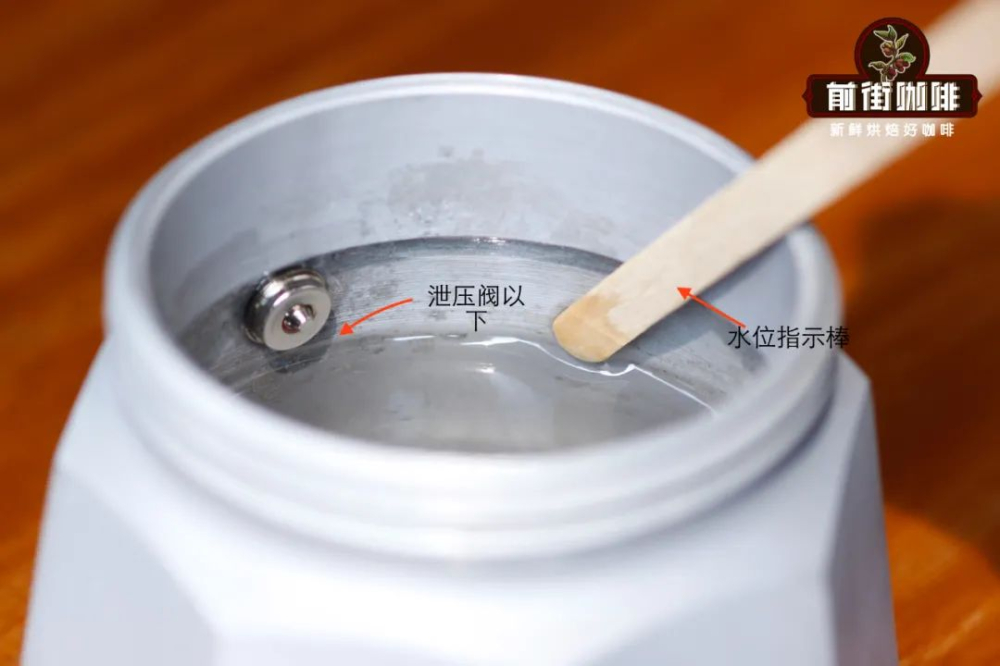
2. Separate the upper and lower chambers of the moka pot, pour water into the lower chamber, and make sure the water level does not exceed the lower chamber's pressure relief valve.
3. Put coffee grounds into the metal filter basket (powder basket) and use a measuring spoon to lightly tap and compact the coffee grounds a little (gently, do not press hard).
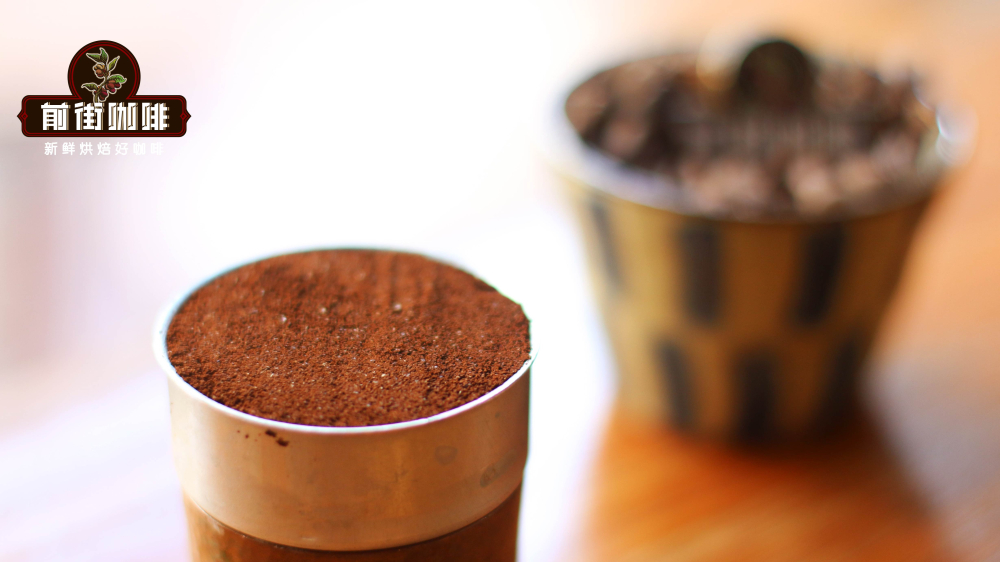
4. Attach the powder basket to the lower chamber, then screw the upper chamber on tightly. (Be sure to tighten it and confirm that the upper and lower chambers are securely connected.)
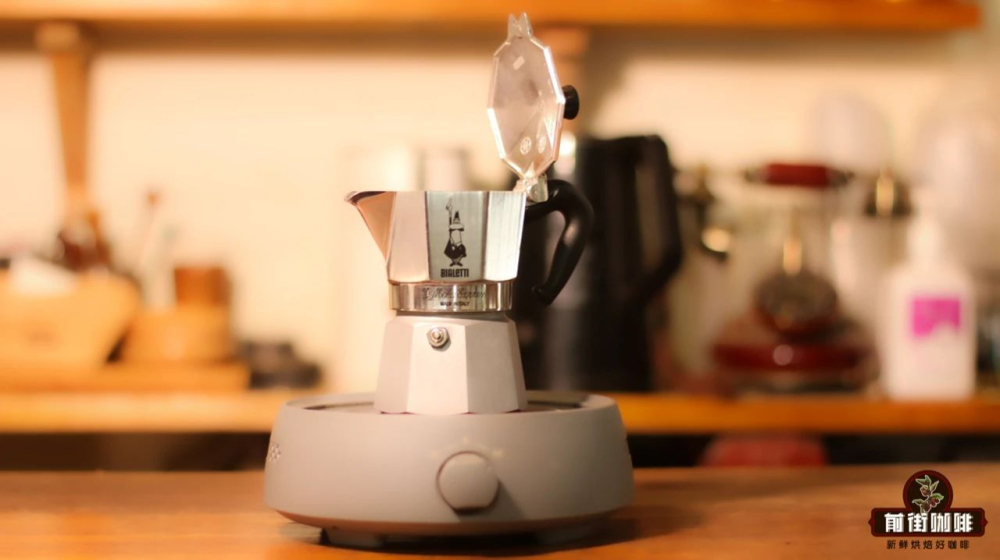
5. With the lid open, heat over direct fire, controlling the heat so that the flame does not extend beyond the bottom of the pot. (Because it may boil over, before you have mastered the technique, it is recommended to do this with the lid open. If the gaps in the gas stove grate are too large and the moka pot cannot sit stably on top, please add a wire mesh and then heat over direct fire.)
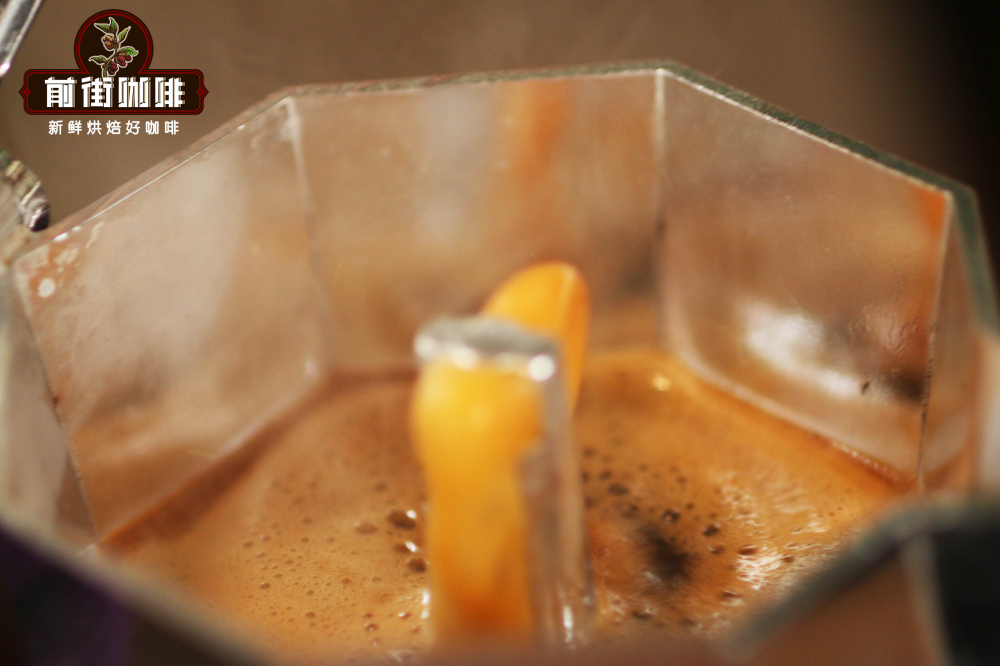
6. Once the hot water boils and coffee begins to extract, turn off the heat. After extraction is complete, to avoid over-steeping, pour the coffee into a cup as soon as possible.
Professional Coffee Knowledge Exchange More Coffee Bean Information Please follow Coffee Workshop (WeChat official accountcafe_style )
For more specialty coffee beans, please add the private WeChat Front Street Coffee (FrontStreet Coffee), WeChat ID:qjcoffeex
The above content is compiled by CoffeeHunters, a coffee news website.


