








For more information on coffee origins and coffee knowledge, please followCoffeeHuntersToutiao account
Mandhelingis a coffee produced in Sumatra, Indonesia, in Asia, so it is also known as Sumatra coffee. Its main producing areas include Java, Sulawesi, and Sumatra, among which Mandheling from Sumatra is the most famous.
Among the finest traditional Arabica coffees produced in northern Sumatra, the best are sold on the market under the names Lintong and Mandheling. Strictly speaking, Lintong refers to coffee grown in a small area southwest of Lake Toba in the Lintong administrative region. The small coffee-growing areas are scattered across a high, undulating clay plateau covered with ferns. Lintong coffee is not shade-grown, uses no chemicals, and is almost entirely owned by smallholders.
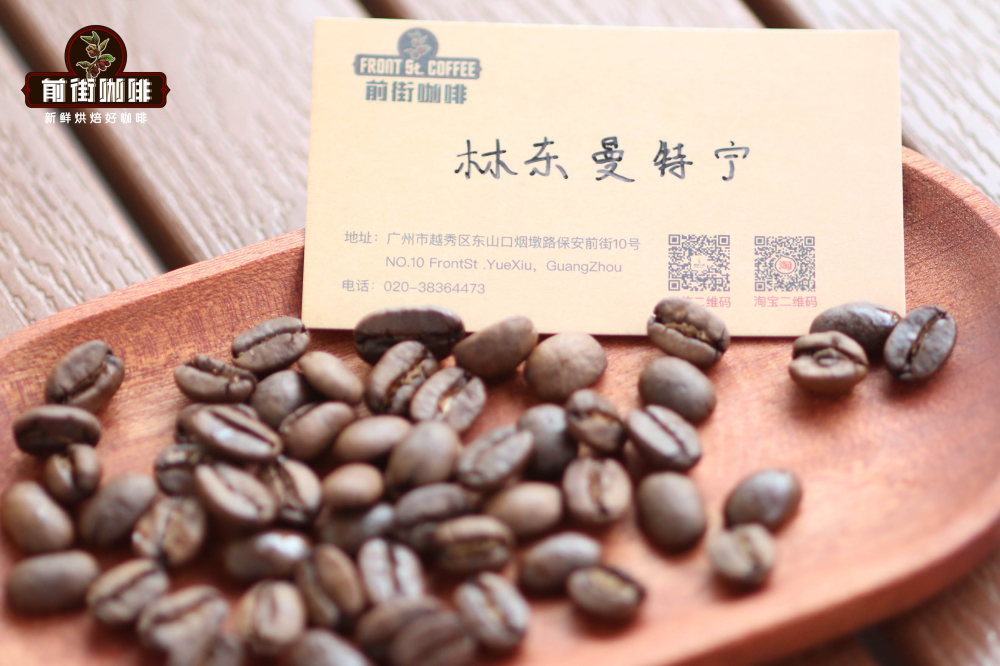
Front Street Coffee — Indonesia Sumatra Lintong Mandheling
Region: Indonesia Sumatra, Lintong region
Altitude: 1100-1600m
Processing method: Wet hulling
Varieties: Timtim, Ateng
Flavor description: baked toast, nuts, caramel, herbs, chocolate
Front Street Coffee believesMandheling coffeehas a rich aroma, a solid and mellow body, and low acidity, making it very intriguing. When deep-roasted, you can experience both its long-lasting bitterness and enjoy its elegant sweetness, experiencing its unique mellow aroma through both smell and taste.
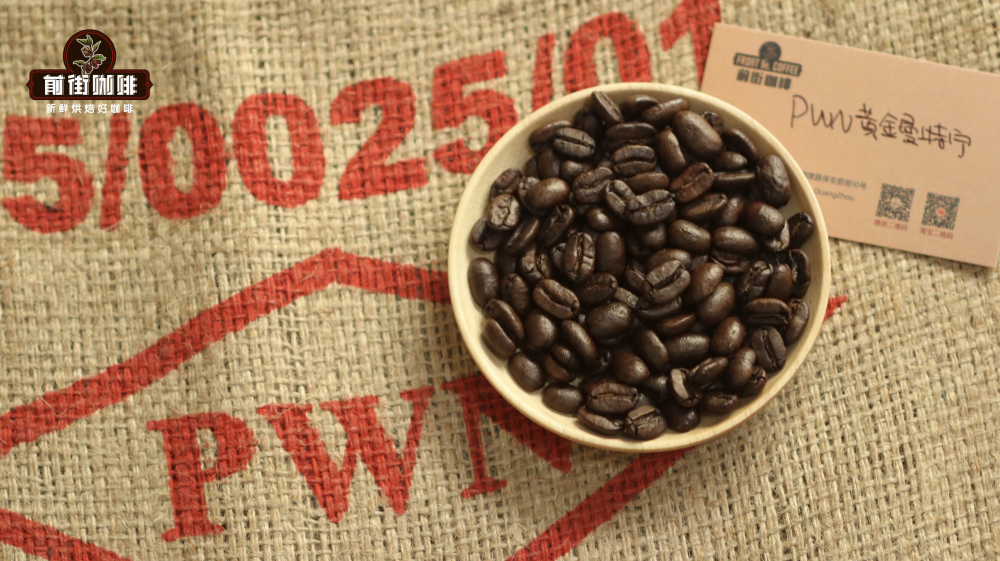
With their understanding of Mandheling coffee, Front Street's roasters decided to maximize the expression of Mandheling's flavor, best preserving Mandheling's own style while also suiting most people's tastes. Every specialty coffee shop has its own characteristics. Front Street hopes to bring its unique understanding of coffee to show guests the best Mandheling while preserving the characteristics of Front Street Coffee.Front Street Coffee currently sells two kinds of Mandheling coffee beans: one is the Lintong region Mandheling coffee beans mentioned above, and the other is Golden Mandheling coffee beans from the PWN company in the Gayo Mountain area of Aceh.
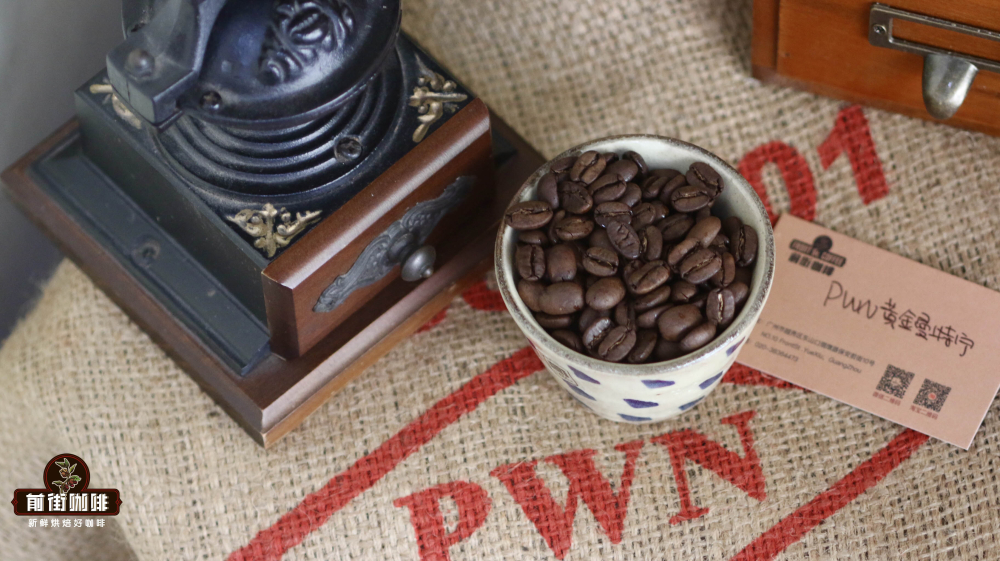
Front Street Coffee — Indonesia Sumatra PWN Golden Mandheling coffee beans
Region: Indonesia Sumatra, Aceh Gayo Mountain
Altitude: 1100-1600m
Processing method: Wet hulling
Varieties: Ateng
Flavor description: spices, nuts, pine, caramel, herbs, chocolate
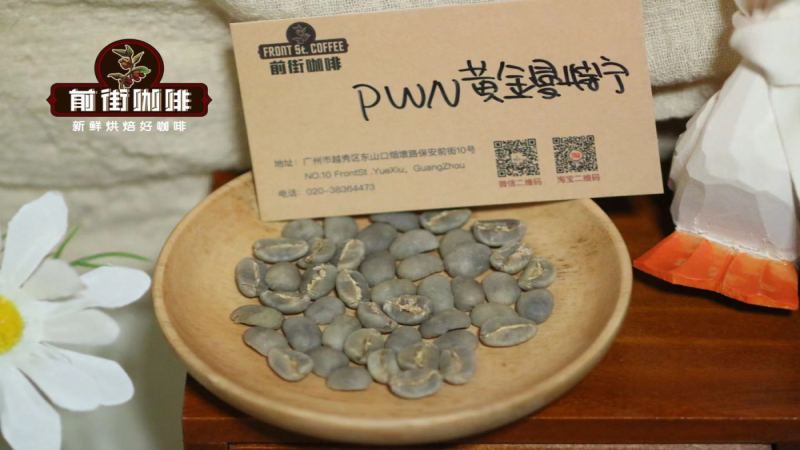
The difference between the two is that PWN Golden Mandheling coffee beans undergo at least three rounds of hand sorting after harvesting and drying, ensuring the bean size reaches 18 or above. There are fewer than 3 defective beans (in a 300g green bean sample), belonging to the highest grade, G1. PWN beans are darker green in color, with a neat flat-bean shape.
What are the differences between Mandheling coffee beans at different roast levels?
For this reason, Front Street Coffee tested light roast, medium-dark roast, and dark roastMandheling coffee beansthrough drip extraction (pour-over)~For one serving, the grind size and water temperature are slightly adjusted according to the different roasts.
1. Light roast: No. 20 sieve screen passing rate 80%, water temperature 90°C, water-to-coffee ratio 1:15
2. Medium-dark roast: No. 20 sieve screen passing rate 75% water temperature 88°C, water-to-coffee ratio 1:15
3. Dark roast: No. 20 sieve screen passing rate 70% 86°C, water-to-coffee ratio 1:15
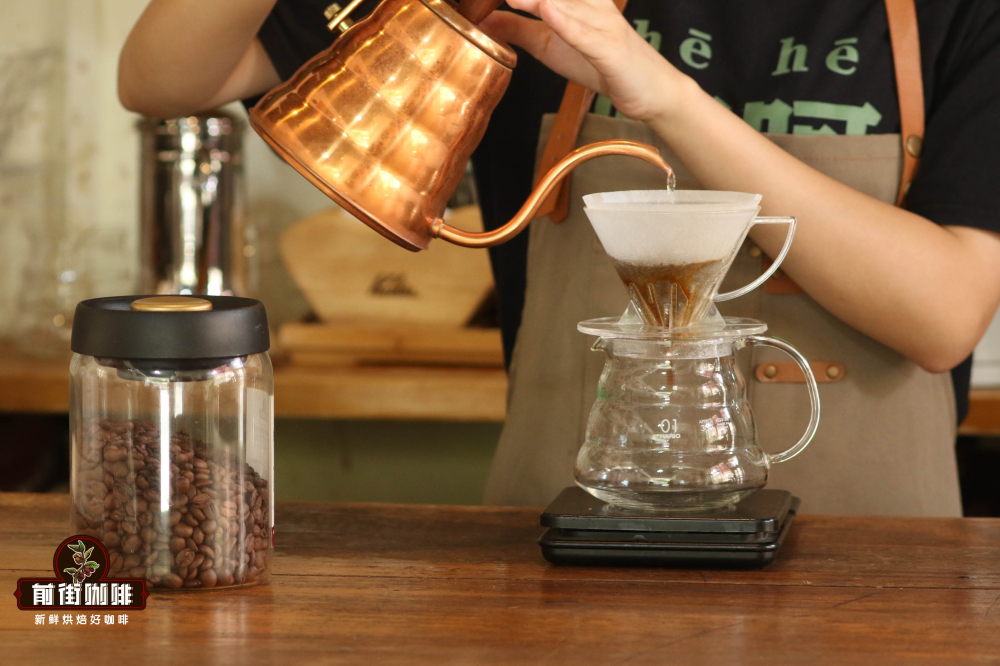
The test results are as follows:
1. Light roast: Mandheling at this roast level has a stronger fruity acidity and is slightly bitter. The fruity acidity is obvious, but it feels very comfortable on the palate, with a sensation of saliva being produced on both sides of the mouth. The smoothness is average.
2. Medium-dark roast: The balance is very good, aromatic and mellow, with a more obvious bitterness. The chocolate note and slight sweetness are more prominent, the licorice aroma is obvious, the fruity acidity is weak, and the smoothness is better than the light roast. The aroma is strong, and the fruity acidity is noticeably enhanced.
3. Dark roast: There is almost no acidity, and the bitterness is very heavy. If roasted over direct fire, improper roasting may also produce a burnt taste.
All coffee beans sold by Front Street Coffee are freshly roasted and shipped within 5 days after roasting~The best flavor appreciation period for freshly roasted coffee beans is 30-35 days after roasting is completed.
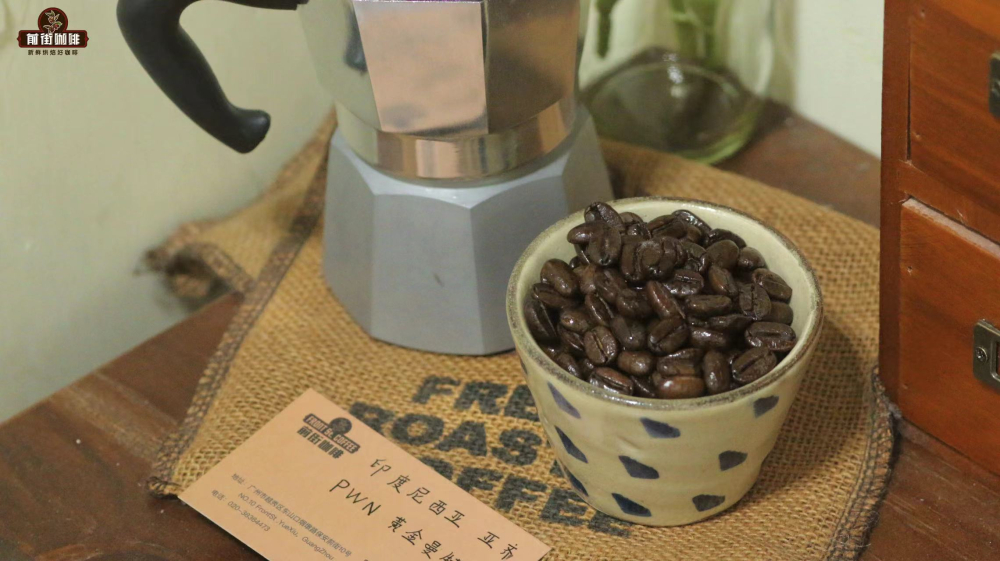
The darker the roast, the more carbon dioxide is produced inside the coffee beans. After roasting is completed, the coffee beans are rich in carbon dioxide, so do not rush to drink them. You can first rest the beans for 3-5 days (counting from the roast date), allowing the coffee beans to release part of the carbon dioxide on their own in the original packaging, reducing uneven extraction caused by excessive carbon dioxide bubbles during the brewing process.
Mandheling coffee bean processing method — Sumatra wet hulling
March to May and September to December each year are the seasons for harvesting Mandheling in Sumatra. Nowadays, most coffee farmers also only harvest fully red coffee cherries. After collecting the coffee cherries in the morning, in the afternoon the coffee cherries are depulped and the mucilage removed. Sumatra has a superior natural environment, and most of the water used is mountain spring water.
1. Remove the skin from the coffee fruit, place the parchment beans in a large bucket or tank filled with water, and remove the defective floating parchment beans from the surface of the liquid.
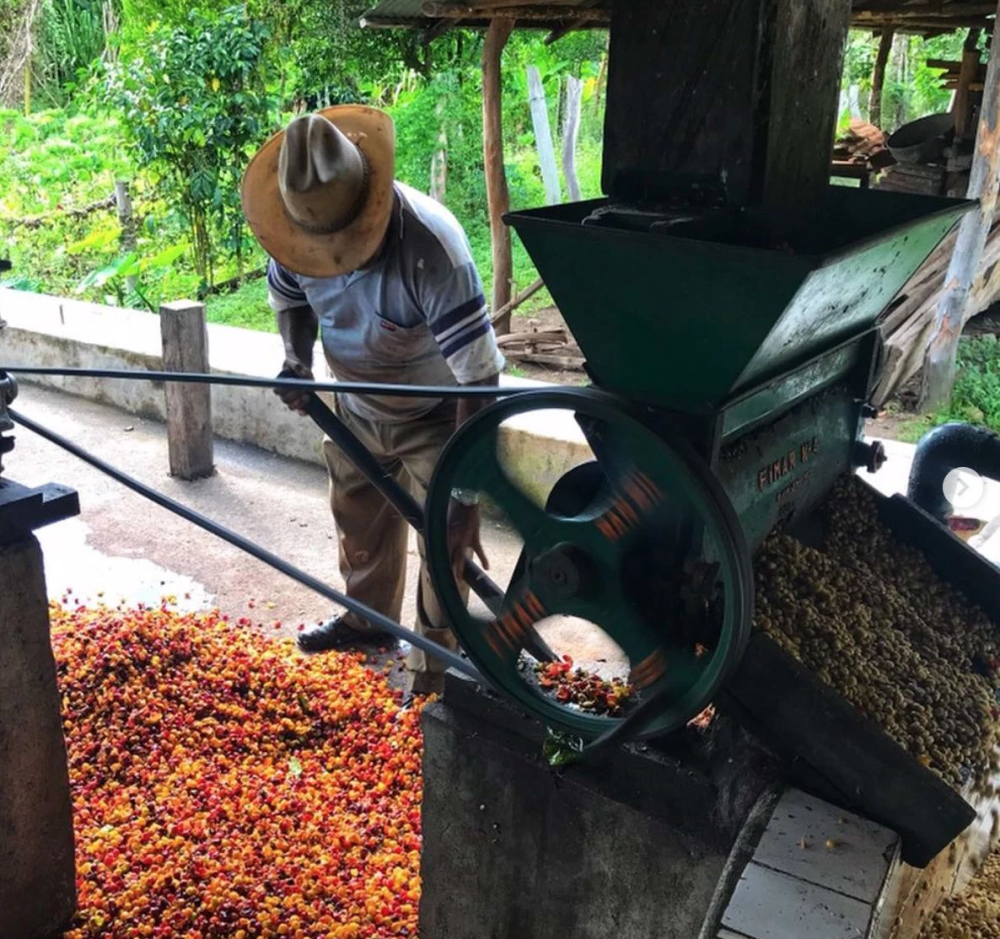
2. Briefly wash the dense parchment beans that sink to the bottom, take them out and put them into a bucket or plastic bag, and carry out a short dry-body fermentation, that is, allowing the pectin sugars on the surface of the parchment to ferment and enhance flavor. Basically, the longer the fermentation time, the heavier the acidity. The fermentation time varies from person to person, generally only a few short hours, but some estates omit the dry-body fermentation stage and directly sun-dry the parchment beans, which can reduce acidity and improve the viscous mouthfeel, allowing the pectin sugars to fully ferment and increase flavor. The fermentation time is usually between 12-36 hours, depending on the specific situation.
3. Sun-dry the parchment beans for one to two days, until the moisture content of the beans reaches 30%-50%. The beans are still half-hard and half-soft. Use a huller to remove the parchment and then dry again to accelerate the drying process. After about two days, when the moisture content reaches 12%-13%, the coffee beans are collected into woven bags, usually 40 kg and 80 kg per bag, and sent to a coffee processing factory for hulling. Then it is complete, about four days in total.
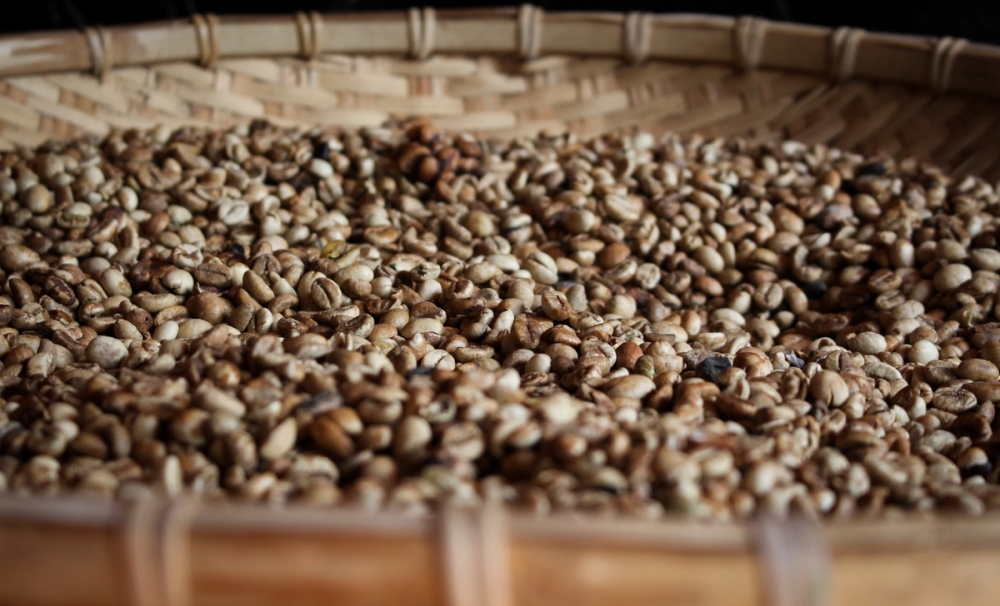
The hulling process uses a huller to grind off the parchment, then drying continues until the moisture content reaches about 12%-15%. Then, the coffee beans are sent for machine sorting to remove various impurities, and then classified by bean size. Of course, accidents can also happen. During the hulling process, the temperature of the coffee beans rises to 30-60°C, and the parchment is completely destroyed, which may very likely trigger germination of the beans. Wet hulling can also result in moldy beans and other defective beans far more than in washed and natural methods because the parchment is removed during processing, causing the beans to come into direct contact with the air. Mold brings good flavor because coffee beans have four layers of protection: skin, mucilage, parchment, and silver skin.
In the washed method, only the first two layers are removed, retaining the parchment and silver skin for sun drying. In the wet hulling method, however, the third and fourth protective layers are removed midway, meaning the beans are exposed to a sunbath. This is why Sumatra green beans have a blue-green color. Although wet hulling shortens the drying time, the chance of exposure to mold, fungi, and yeast also increases greatly. Interestingly, contamination is not necessarily a bad thing; it depends on the type of microorganism. Dr. Martha Taniwaki of the Brazilian Food Technology Research Institute once tried inoculating coffee beans with different microorganisms, and surprisingly different flavors were produced, including putrid, rancid, musty, woody, iodine, caramel, chocolate, and floral notes.
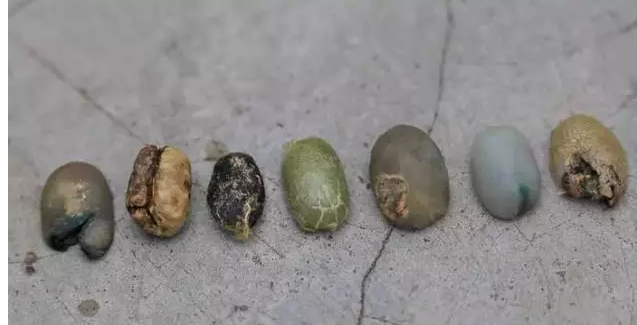
The academic community believes that the woody, grass jelly, earthy, banana, and spice notes of Sumatra coffee are likely created by mold. Roastery supervisors also often report to academia that some coffee beans infected with mold have better flavor after being thoroughly cleaned, while others are difficult to drink, depending on the microorganism strain. Perhaps it is possible to suppress bad molds and introduce good molds, control wild yeasts, and cultivate elegant yeasts in the same way. But which molds help enhance coffee flavor? Which are bad microorganisms? Further research is still needed.
Goat-hoof beans are the "identity card" of Mandheling coffee beans!
Wet hulling may trigger the germination mechanism of green beans, thereby affecting flavor. Because coffee beans that have lost their four protective layers are in an exposed state, they are far more likely to trigger germination than washed beans with only two protective layers removed, that is, activating the metabolism of sugars, proteins, and fats, and these components are coffee aroma precursors. In addition, the friction generated during the hulling process raises the bean temperature to 30°C-60°C, which also favors germination and mold growth.
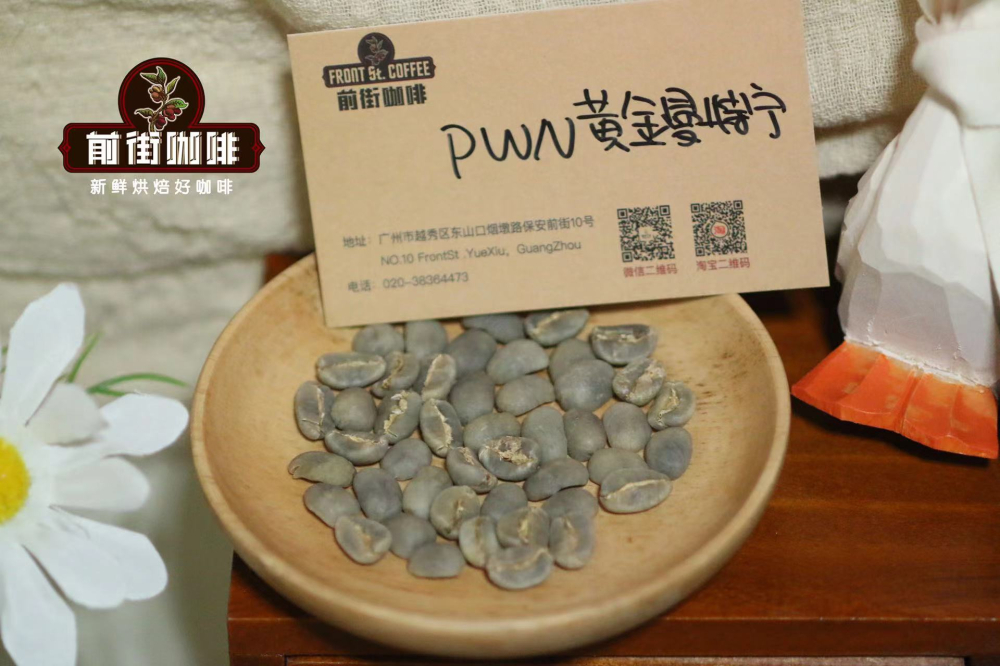
Moreover, the half-hard, half-soft moist green beans are easily crushed by mechanical force when the parchment is removed, and the beans are easily damaged and split into a goat-hoof shape. This is why Sumatra has a relatively high proportion of goat-hoof beans. But whether goat-hoof beans are good or bad still has no definitive conclusion. The key to control is keeping the equipment and beans clean. Once hulled, drying must be fast in order to produce a mellow, low-acid yet sweet Sumatran flavor; if control is improper, it may produce a bland Sumatra, or even a moldy, earthy taste. If you prefer stronger acidity, Aceh can also undergo washed processing, depending on customer demand.
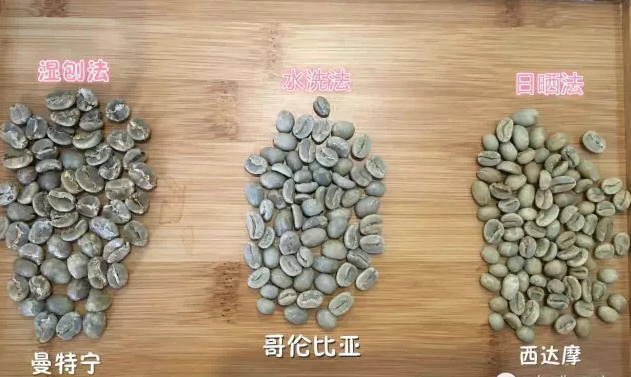
Summary of the flavor characteristics of the wet hulling processing method
To summarize the flavor of wet hulling, aside from those subtle differences. We generally believe that wet-hulled beans have earthy, smoky, and chocolate notes. They are mellow yet seem quite dull. The low acidity comes from a shorter, weaker fermentation process and a longer drying time. If you forgot about wet hulling fermentation, go back and take another look.
As for the earthy and herbal flavors of wet-hulled beans, opinions vary widely. Some say this is related to the bean varieties used in regions associated with wet hulling (Tim family & Catimor family: with Robusta lineage), some say it is the result of organic interactions between green beans and the external environment, and some even say it is because there are too many defective beans!
In wet hulling, there are many sources of defective beans. First, the natural defects already present from the coffee fruit stage are certainly unavoidable. Another contributor to defects is the hulling stage, as well as corrosion during the transport of moist parchment beans, and damage to exposed green beans from sunlight and moisture. There is also one more point: irregular weather bringing uneven drying speed also detracts from the flavor. This is why Mandheling requires so many rounds of hand sorting.
Finally, Front Street Coffee summarizes the characteristics of various green bean processing methods~
Production risk: wet hulling / natural > washed / honey > semi-washed
Equipment cost: washed / semi-washed > honey / wet hulling > natural
Water usage: washed > semi-washed > honey / wet hulling
How to brew Mandheling coffee beans?
Different brewing methods with different equipment will also produce different mouthfeels. Next, Front Street will take the store's PWN GoldenMandheling coffeebeans as an example, using four different brewing methods to compare and analyze their flavor characteristics.
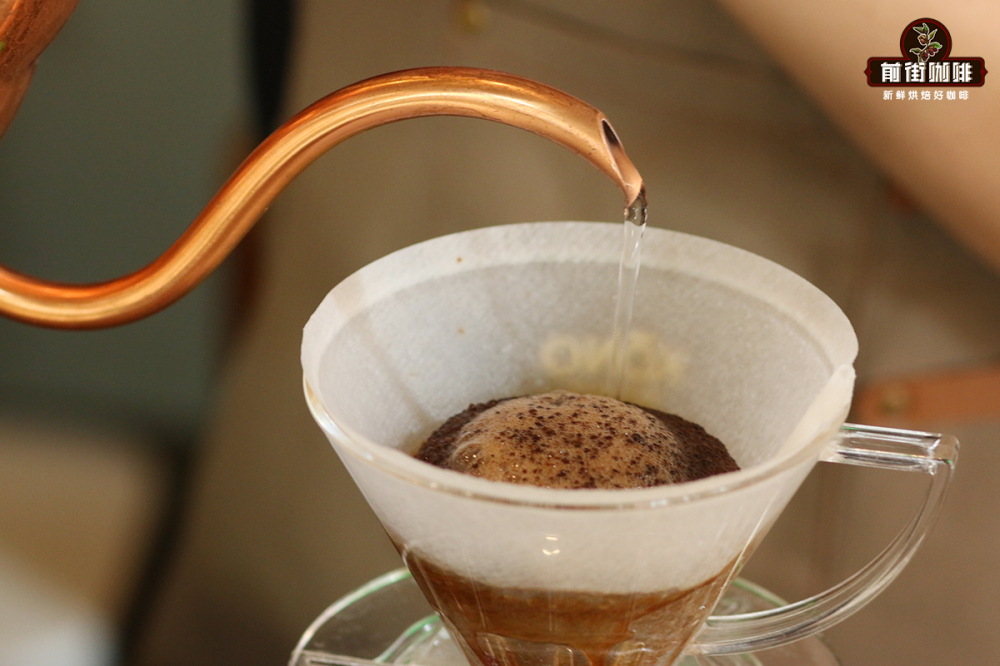
【Pour-over】
Flavor: layered and varied, clean, balanced, with a lasting caramel sweetness in the finish
1. Choice of equipment: Hario V60
2. Water temperature: 88°C
3. Grind size: medium-coarse (standard No. 20 sieve screen passing rate 70%)
4. Roast level: medium-dark roast
5. Blooming time: 25 seconds
Specific method: [three pours] pour-over Mandheling, 15g coffee, ground with Fuji ghost teeth burr 4, V60 dripper, 88-89°C water temperature. First pour 30g of water for a 25s bloom, pour until 104g of water and stop, wait until the water level in the coffee bed drops to half before pouring again, pour slowly until 220g of water, discard the last 5g. Water-to-coffee ratio 1:15, extraction time about 2:00.
Mandheling can also be extracted using the volcano pour, with a flannel filter or Kono!
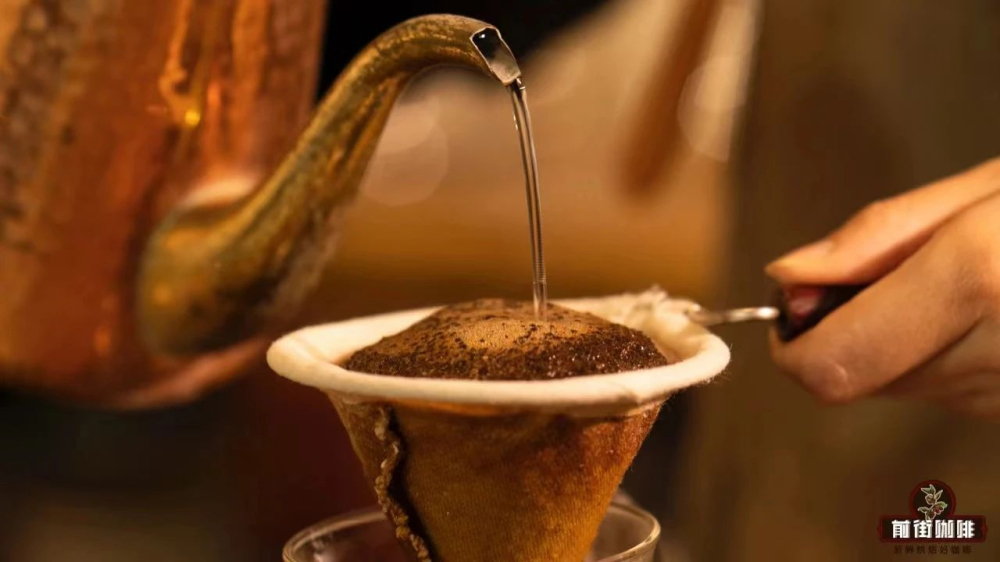
Specific method: high-temperature extraction, water temperature 90-92°C, pour with a small stream in the front stage, in a spot the size of a one-yuan coin, stop pouring, bloom, stop pouring, bloom, keeping the coffee grounds in a blooming state all along. Blooming time 1:30, then finally extract quickly with a large stream. Total extraction time 2:30.
【AeroPress】
Front Street Coffee believes that the Mandheling coffee brewed with an AeroPress is characterized by a rich and complex flavor, prominent spice notes, and a fresh woodsy aroma.
1. Choice of equipment: AeroPress
2. Water temperature: 85°C
3. Grind size: medium-coarse (standard No. 20 sieve screen passing rate 70%)
4. Roast level: medium-dark roast
5. Blooming time: 2 times, first 20 seconds, first 50 seconds
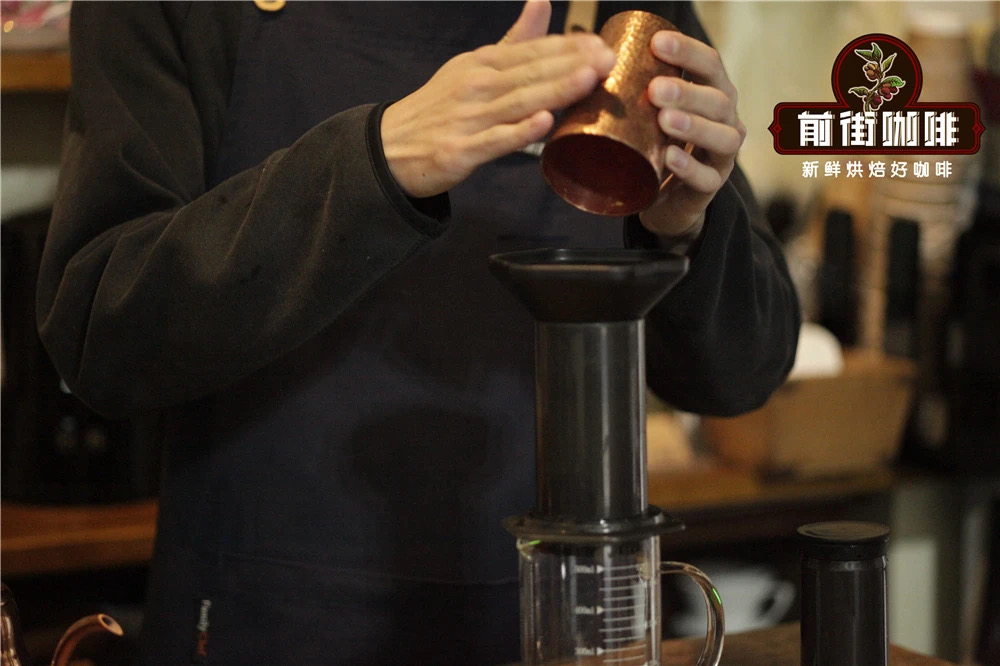
Specific method: Prepare the AeroPress for standard position. It is recommended to add 20 grams of coffee grounds, water-to-coffee ratio 1:17. First pour in 100 grams of 83°C hot water, stir three to five times to fully wet the coffee grounds, let stand for 20s, add the remaining hot water up to 240 grams, let stand for 40s, stir for 5s, and at 1 minute 50 seconds attach the cap and press down. Total time is 2 minutes 5 seconds.
【Siphon】
Flavor: round, rich, prominent herbal and bitter notes, accompanied by prominent caramel sweetness
1. Choice of equipment: Hario siphon
2. Water temperature: 90°C
3. Grind size: medium-coarse (standard No. 20 sieve screen passing rate 70%)
4. Roast level: medium-dark roast
5. Blooming time: 30 seconds
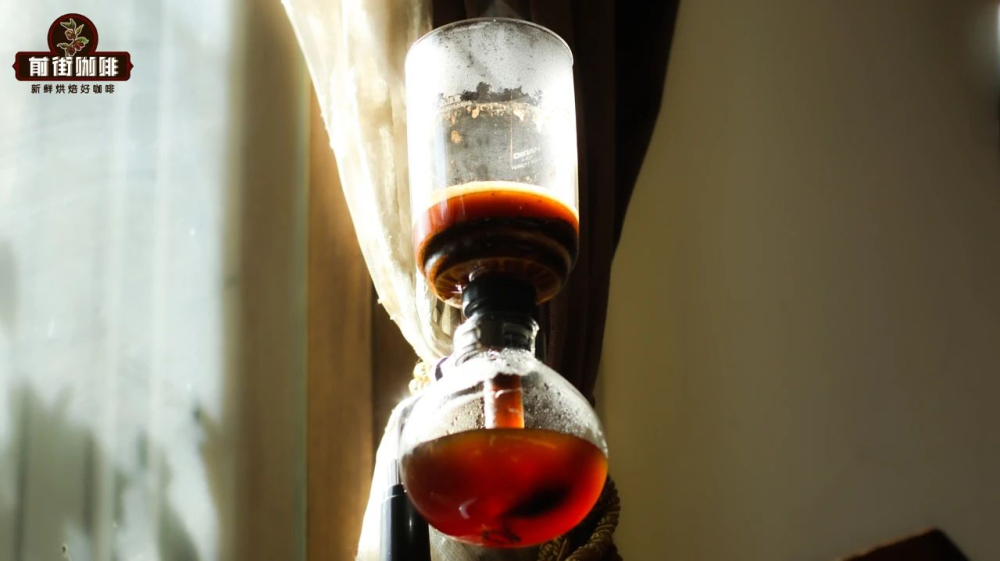
Specific method: side-burn extraction. It is recommended to use 20 grams of coffee for 2 servings, water-to-coffee ratio 1:12, water level mark 2, add the coffee grounds afterward. After bubbling begins, add the grounds, stir 4-5 times, extract for about 30 seconds, then turn off the heat. Finally, stir 2 times and let the coffee liquid fall freely.
【French press】
Flavor: balanced, mellow, with good body and oils, carrying a slight sweetness
1. Choice of equipment: French press
2. Water temperature: 92°C
3. Grind size: medium-coarse (standard No. 20 sieve screen passing rate 70%)
4. Roast level: medium-dark roast
5. Blooming time: 2 minutes 30 seconds
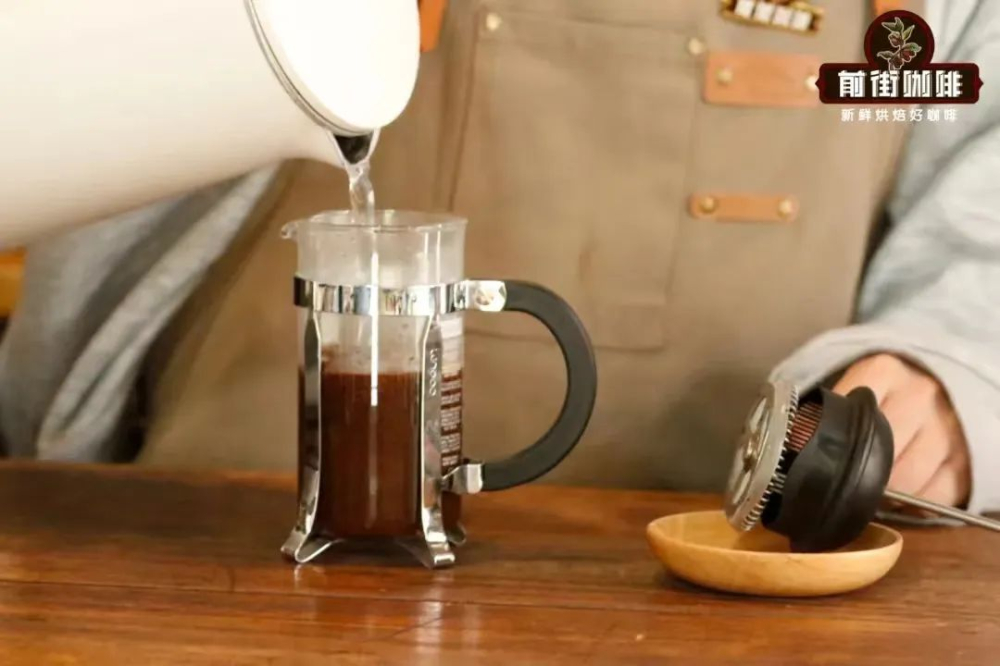
Specific method: 20g coffee beans, pour hot water (about 92-93°C) into the French press up to the 300ml mark on the carafe, start timing, put the lid on the French press with the filter resting at the highest position, wait 2 and a half minutes. Press the filter all the way down.
Summary: The recommended methods are 【Pour-over】 and 【AeroPress】, to showcase the rich and sweet flavor of PWN Golden Mandheling. The siphon and French press methods are more likely to cause over-extraction. Once over-extracted, you can only taste sour and bitter flavors.
The above content is compiled by CoffeeHunters, a coffee news website.

