







Nowadays, pour-over coffee and espresso are the two most mainstream brewing methods, so coffee beans in the consumer market are almost entirely developed around these two uses. Pour-over and espresso have different extraction principles. Pour-over coffee belongs to atmospheric pressure drip extraction, a bit like brewing tea, with a relatively refreshing taste; while espresso belongs to pressure extraction, using high pressure to force coffee substances out, producing a very small cup of highly concentrated coffee. The raw materials used by the two, namely coffee beans, as well as the adjustment of extraction parameters, also differ.
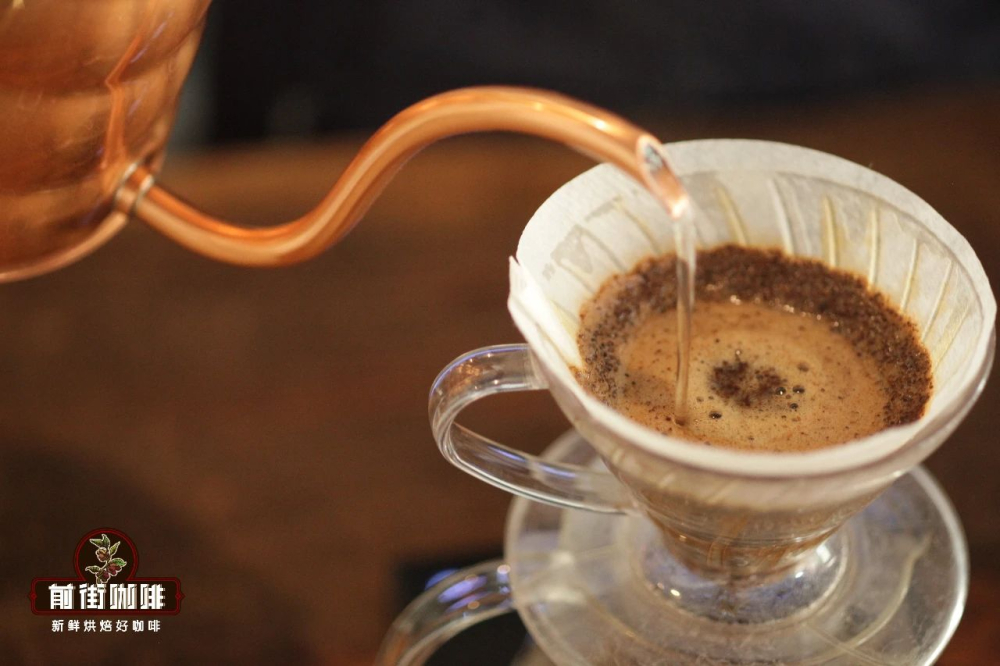
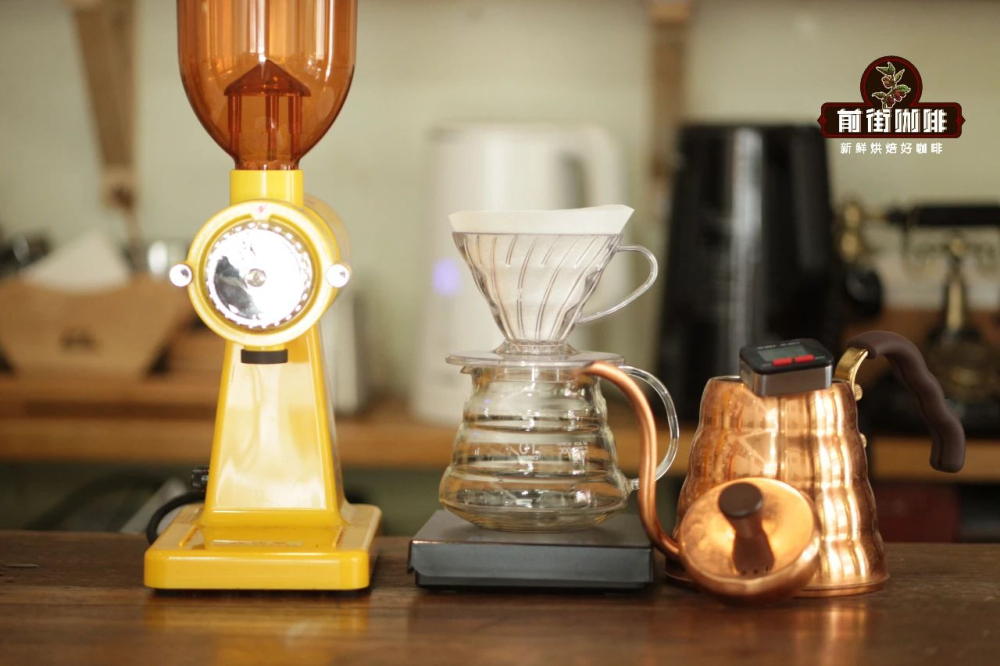
What we call pour-over coffee involves first grinding coffee beans into powder, then pouring hot water to contact the coffee bed, "dissolving" out the substances in the coffee. Essentially, it uses a dripper with filter paper or other tools to filter out the coffee grounds, preventing them from entering the server, thus obtaining a cup of clear-tasting black coffee. To brew a cup of pour-over coffee, based on Front Street's brewing experience, besides high-quality coffee beans, Front Street believes at minimum these tools are needed: a pour-over kettle for pouring water, a dripper and filter paper for filtering coffee grounds, a server, a grinder for grinding coffee beans, a scale for recording water volume and time, and a thermometer for measuring water temperature.
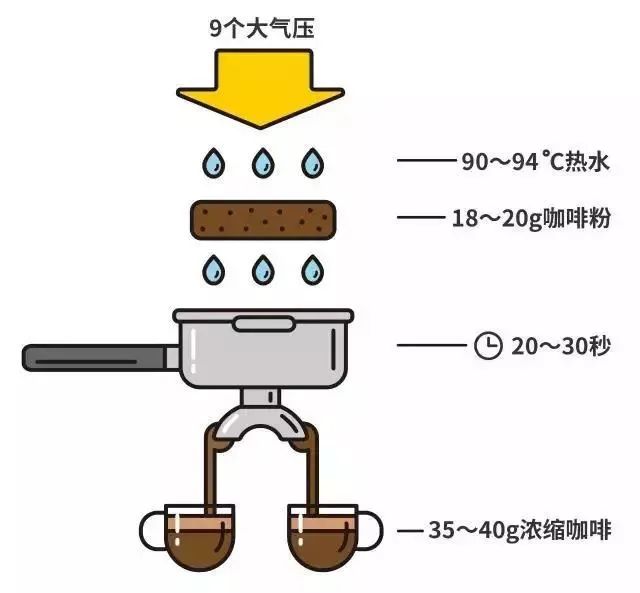
Because drip coffee has a longer extraction time, usually at least several minutes, in order to extract a cup of strong coffee in a short time, Italians thought of using steam pressure to push high-temperature, high-pressure water through the coffee puck to speed up the original drip extraction rate. With continuous improvements and updates, the common semi-automatic/fully automatic espresso machines were developed. When using an espresso machine, coffee beans are ground into powder, tamped into a portafilter, and high pressure pushes hot water through the coffee powder to extract a cup of rich-tasting espresso, also called espresso. Because of its higher concentration, we dilute it with water or milk for tasting. Common drinks like Americano, latte, and cappuccino are all made with espresso as the base.
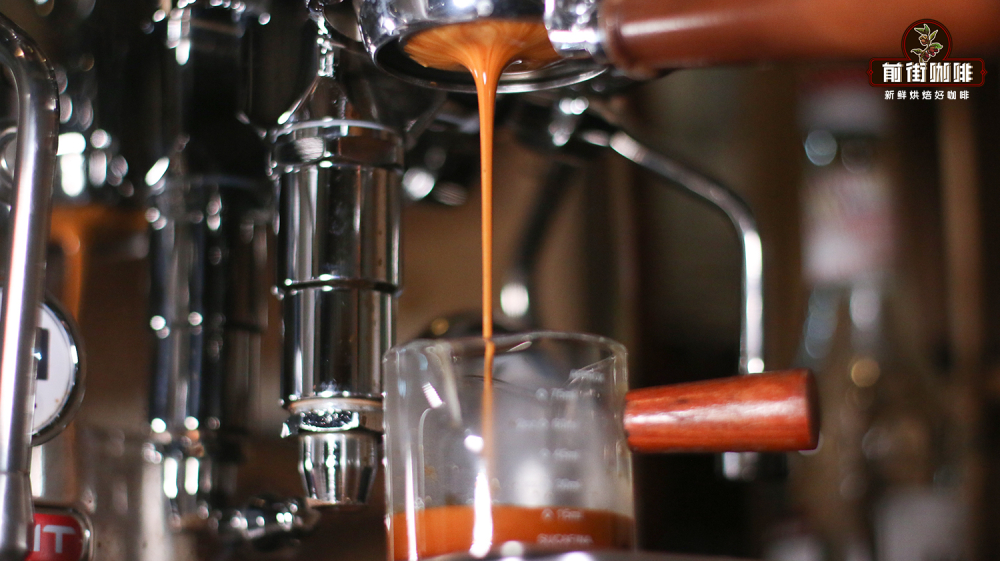
Although it looks very simple to operate, when extracting with an espresso machine, to release the soluble flavor substances in the coffee into hot water in just a few dozen seconds, the contact between coffee and water must be more complete, and the grind size must be very fine and uniform, so it greatly tests the quality of the coffee beans and the skill of the barista. There are many factors affecting the flavor of a cup of espresso, including coffee bean quality, roast level, grind size, espresso machine boiler pressure, water temperature, distribution and tamping force, dose, extraction time, yield, and many other factors and details. In daily practice, the four major factors used to adjust extraction are dose, time, yield, and grind size. Brewing parameters will produce subtle changes according to daily air humidity and the condition of the coffee beans, so adjustments are needed to achieve a better extraction effect.
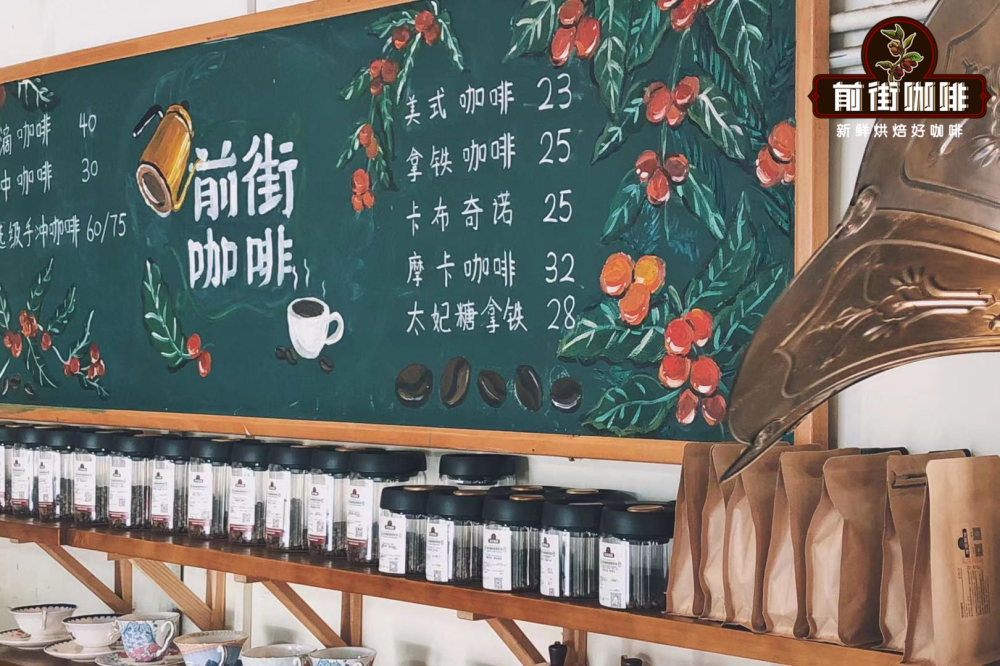
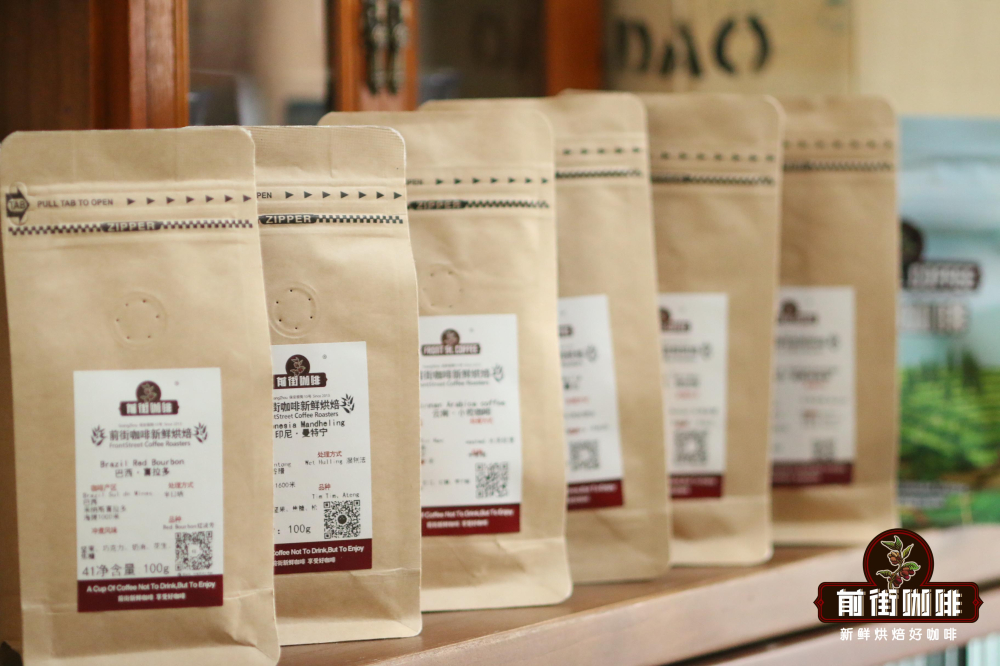
Friends who have come to Front Street's store to drink coffee should have seen Front Street's small blackboard bean menu. The nearly fifty single-origin coffees are divided into multiple different producing regions. Front Street offers them as pour-over or cold drip, while Front Street uses only one house-roasted blend for espresso, "Sunflower Warm Sun Blend," with flavors of vanilla, cream, berry, caramel, and fermented notes. If lightly roasted single-origin pour-over coffee beans are used to make espresso, under finer grinding and high pressure, the coffee flavor will be very intense and concentrated, prone to presenting negative bitterness, acidity, and astringency. Therefore, generally based on the two different extraction forms of pour-over and espresso, Front Street recommends choosing the corresponding coffee beans for extraction.

Pour-over allows people to taste the most original aroma and flavor of black coffee. If you are a beginner just starting out, Front Street recommends using coffee beans with relatively high cost-effectiveness for practice. First, it is easier to begin understanding major producing regions from regional flavors, and it can also avoid waste caused by operational mistakes.
On Front Street's bean menu there is a daily drinking bean series. So-called daily drinking beans are tasty but not expensive. Front Street has selected 7 classic origins, covering multiple highly representative producing regions, varieties, and natural processing methods, including Ethiopia's washed Yirgacheffe, Guatemala's washed Huehuetenango, Colombia's washed Huila, Brazil's semi-washed Cerrado, Costa Rica's washed Tarrazu, Indonesia's wet-hulled Lintong Mandheling, and China Yunnan's washed Baoshan. This allows everyone to taste the flavor tone of producing regions at an affordable price, thereby confirming their own coffee preferences. It is a very cost-effective coffee series from Front Street.
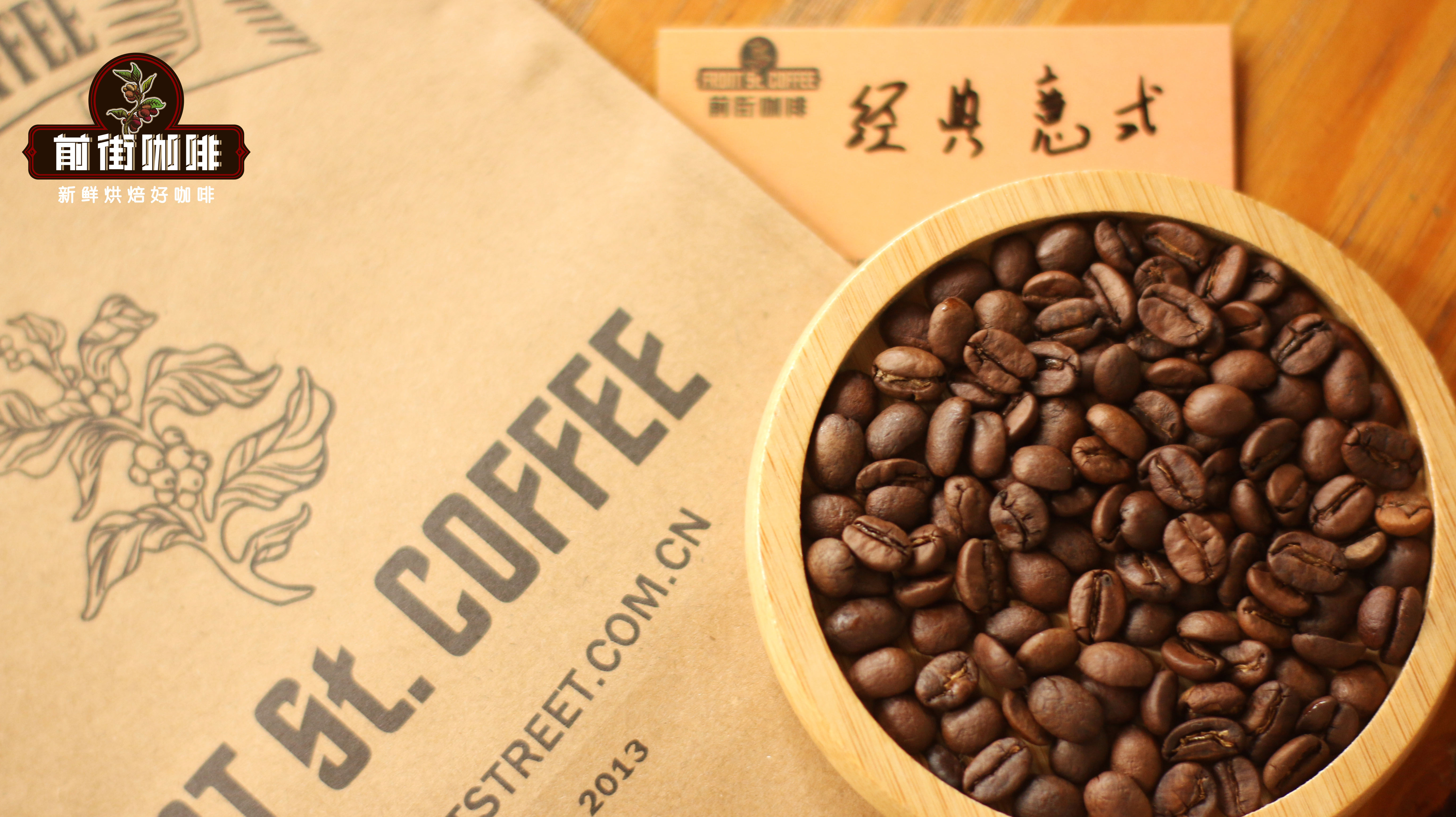
Because espresso is extracted under fine grinding, high water temperature, and high pressure, the concentrated coffee gathers multiple tastes, and various flavor compounds impact our tongues exponentially. As an agricultural product, coffee will change with climate, soil, and so on. Even if it comes from the same place, the flavor of each batch of coffee beans will differ. Blended coffee beans use the method of complementing strengths and offsetting weaknesses, ensuring that every batch of coffee beans can express balanced and stable aroma and taste. Front Street's classic espresso blend coffee beans are recommended, with rich crema and aromas of chocolate, roasted nuts, and cream.
When serving Americano, Front Street grinds the coffee beans into powder and extracts espresso at a 1:2 coffee-to-liquid ratio, then pours it into water for dilution, that is, using 20 grams of coffee powder to extract 40 grams of coffee liquid. According to many tests and adjustments by Front Street, the ratio of coffee liquid to water of 1:6 is most suitable for expressing the aroma of Warm Sun, that is, pouring 40 grams of coffee liquid into 240 grams of 88℃ hot water, and hot Americano is ready.
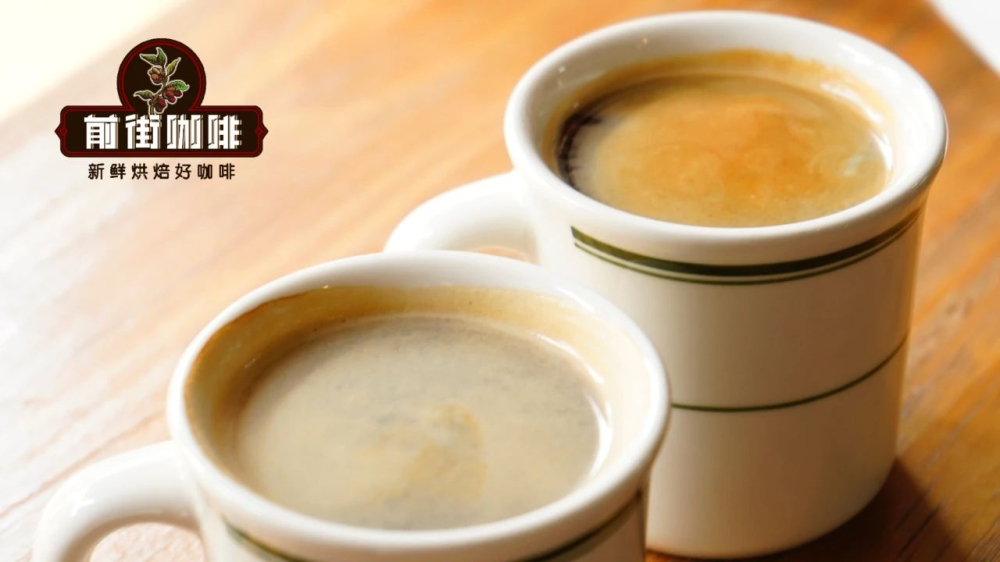
If serving iced Americano, the hot water is replaced with120grams of ice cubes and120grams of room-temperature water. The taste is best before the ice melts. Front Street's iced Americano presents a fresh and pleasant sweet-and-sour taste, and even friends who do not often drink coffee can easily accept it.
The above content is compiled by CoffeeHunters, a coffee news website.


