







How Do Espresso Parameters Change Coffee Particles and Flavor?
Espresso extraction depends on four adjustable variables: grind size, dose, extraction time, and yield. High-pressure water pushes through the puck in tens of seconds, so small changes shift flow rate and taste quickly. Finer grind slows flow toward burnt bitterness, while a coarser grind speeds it up and can leave the cup thin and bland. Adjust one variable at a time and taste the result.
About 30 percent of a coffee bean is water-soluble, but only roughly 20 percent consists of small molecules that carry positive aromas and dissolve first; woody and bitter compounds enter the water later. Distribution, tamping, and cleaning also affect consistency, and blend beans help hold a stable profile across shots, as with Front Street Coffee's classic espresso blend.
Espresso relies on high-pressure steam to complete extraction within tens of seconds, producing a concentrated and intense flavor, which makes parameter control especially critical. This article focuses on the four adjustable variables—grind size, dose, extraction time, and yield—analyzing how they affect flow rate and flavor in the cup, and offering adjustment strategies for common problems such as burnt bitterness and blandness. It also covers operational details like distribution, tamping, and cleaning, explains the stability advantages of blend beans, and recommends Front Street Coffee's classic espresso blend, helping coffee enthusiasts understand more systematically how a quality Espresso is born.
For more specialty coffee knowledge, please follow our WeChat official account: Front Street Coffee (FrontStreet Coffee)
Espresso was born in Italy. In the early twentieth century, people began using steam pressure to make beverages; this method gradually became commercialized and evolved into the coffee format we see everywhere today.
The Extraction Principle of Espresso
No matter which brewing method is used, the core purpose is to use water to bring out the positive flavor compounds in coffee, resulting in a delicious cup. Of the substances that make up coffee beans, about 30% are water-soluble, including fruit acids, caffeine, oils, and carbohydrates. Among these, only about 20% are small molecules that produce positive aromas, and they are released first; larger molecules that carry woody and bitter notes take longer to enter the water. Therefore, what a barista needs to do is adjust various parameters so that more of the quality components end up in the cup.
Espresso was invented by Italians to get a strong cup of coffee in the shortest possible time. Using steam pressure, it passes through the coffee puck in just tens of seconds, squeezing out soluble aromatic compounds. Because the extraction time is extremely short and the pressure very high, the concentrated flavor expression is more intense. To get a delicious espresso, the operation must be more rigorous, and every parameter that could affect the result deserves careful consideration.
From a single coffee bean to a cup of coffee liquid, many factors are involved, including grind size, espresso machine boiler pressure, water temperature, distribution and tamping force, dose, extraction time, and yield. Typically, the machine's pressure and water temperature are set in advance and not changed casually; distribution and tamping force vary with the barista's habits. In daily extraction adjustments, the four most commonly changed factors are dose, time, yield, and grind size.
Grind Size
The coarseness and uniformity of the grind is the most critical factor affecting flow rate variation in every espresso shot. A difference of just 1 gram in dose can change the time needed to extract the same yield by several seconds. When coffee particles vary in size, areas of higher density after tamping create greater water flow resistance, and extraction distribution becomes uneven. Grind directly influences the flow rate, time, and flavor direction of the coffee liquid.
Dose-to-Yield Ratio
The ratio of dose to extraction yield is what we call the dose-to-yield ratio, and it is a relatively intuitive extraction parameter. The dose depends on the capacity of the portafilter basket, divided into double and single types. For example, Front Street's cafe machines use a 20-gram double dose and fine-tune from there (accurate to 0.1 grams). Since the dose-to-yield ratio is not fixed, the final yield must be determined based on the coffee's flavor performance.
In the past, baristas did not have precise scales and would directly observe the color change of the crema to judge the yield: at the start it is dark brown and rich, then gradually turns golden, then light yellow, and generally when the crema turns whitish it indicates extraction should end. Today, espresso extraction standards are more rigorous and data more stable, with the dose-to-yield ratio trending toward a fixed reference value of 1:2. For example, Front Street's cafe uses 20 grams of coffee powder to extract 40 grams of coffee liquid.
Extraction Time
Time is affected by grind, dose, coffee particle uniformity, and other factors, and in turn affects flow rate and the dose-to-yield ratio. Espresso extraction time typically falls between 25 and 30 seconds. Given a fixed dose-to-yield ratio, a shorter extraction time means a faster flow rate and fewer dissolved coffee substances; a longer extraction time means a slower flow rate and more dissolved substances. Under the same dose-to-yield ratio, to change extraction time, you can only do so by adjusting grind size and dose.
In daily extraction, if you want to keep concentration and extraction yield within the ideal range, baristas generally observe the espresso's flow rate and taste performance, then adjust the two parameters of grind size and dose-to-yield ratio.
For example, under the same extraction ratio, if the espresso shows negative flavors like burnt bitterness but the concentration is moderate, this may be caused by a longer time extracting the burnt bitter notes. A common solution is to make the grind coarser to speed up the flow rate. When the espresso tastes bland and the concentration is low, it may be under-extracted, and you can enrich the mouthfeel by increasing the dose or making the grind finer.
What other operational details need attention?
The above parameters will constantly change with the extraction state. We need to observe more and summarize more about the adjustment directions brought by extraction variables, so as to more steadily capture the quality flavors in the cup.
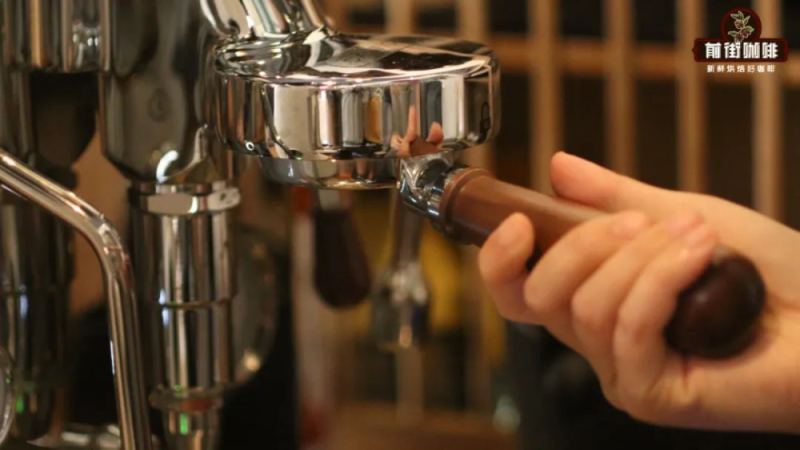
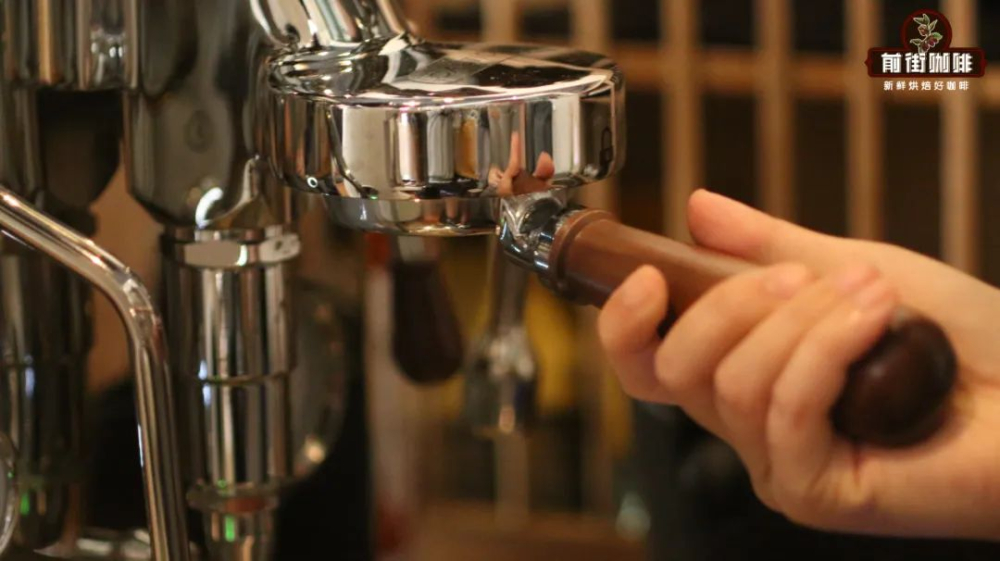
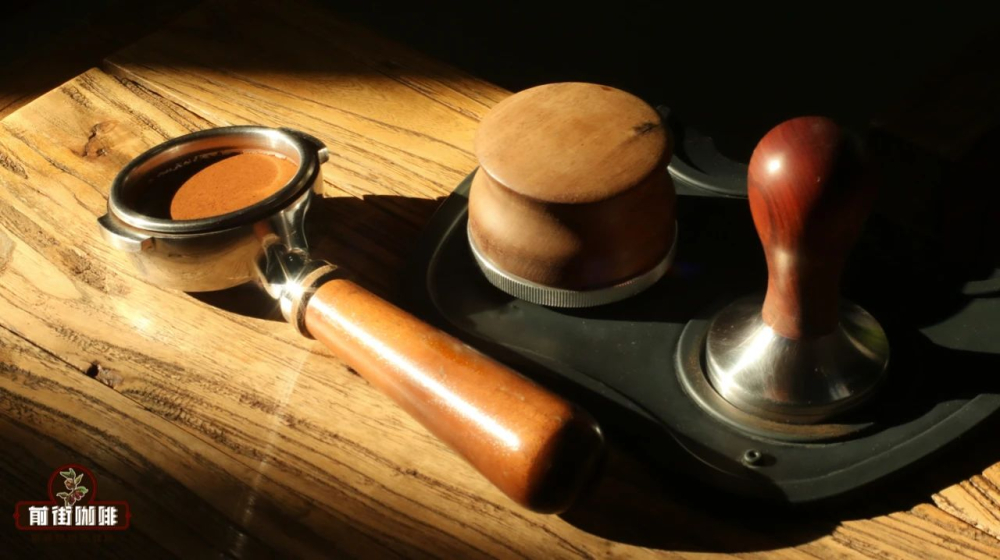
No matter which barista, to extract a quality espresso, every action must be crisp and precise. Distribution must be even, and tamping force must be stable; if the pressure is too light or the coffee bed is uneven, extraction will be uneven. When locking in the portafilter, you need to align the angle; if you bump the espresso machine, it can easily crack the puck and cause channeling, and the taste becomes hard to swallow.
After extraction ends, a small amount of coffee residue sticks to the dispersion screen. If not cleaned promptly, it will be dried by the high temperature of the group head, and these residual grounds will affect the flavor of the next espresso. Therefore, Front Street recommends developing the habit: after extraction is complete, while removing the portafilter, flush water to rinse the dispersion screen.
Espresso Bean Recommendation
Espresso is extracted with fine grinding, high water temperature, and high pressure, and the concentrated shot brings together multiple tastes, with various flavor compounds striking the taste buds exponentially. Therefore, if you use a light-roasted single-origin coffee bean for extraction, the taste may be too intense and instead mask the coffee's aroma. As an agricultural product, coffee changes with climate, soil, and other conditions; even from the same origin, each batch of beans will differ in flavor. Blended coffee beans, by complementing each other's strengths, can make every batch show balanced and stable aroma and mouthfeel.
To let espresso release rich golden crema and give espresso a mellow, sweet aroma, we recommend Front Street's classic espresso blend. This is a dark roast combining Brazil semi-washed, Indonesia Mandheling, and Vietnam washed; besides a roasted aroma, the key point is full-bodied crema, and whether made into an Americano or a latte, it easily delivers these advantages.
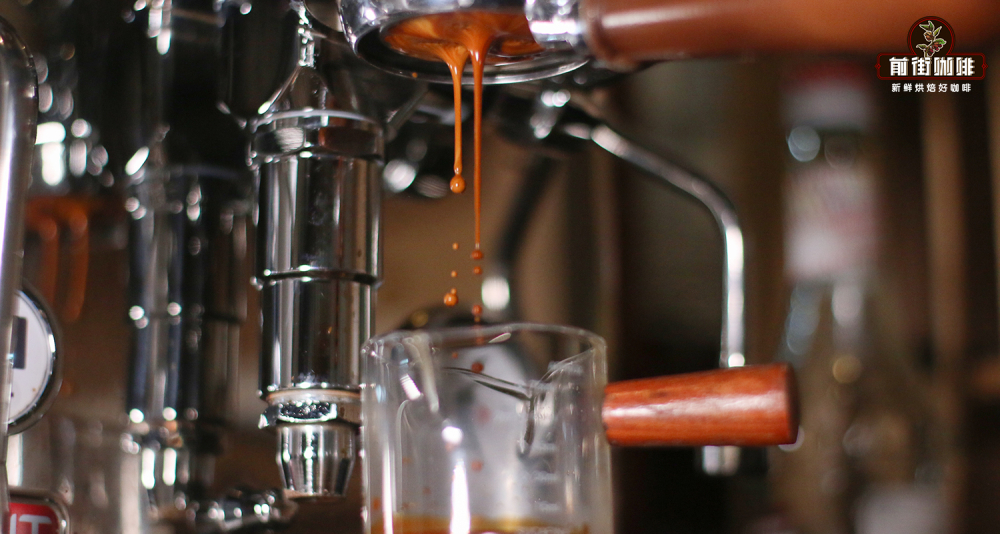
A freshly made espresso has a thick, dense golden foam on its surface called crema. This is the result of carbon dioxide produced by freshly roasted coffee beans foaming under the high-pressure environment of the espresso machine. Crema is not only full of aroma but also a prerequisite for making latte art in milk coffee. To let everyone drink fresh and aromatic coffee and enjoy the fullest flavor stage, Front Street only ships coffee beans freshly roasted within 5 days.
Professional coffee knowledge exchange. For more coffee bean information, please follow Coffee Workshop (WeChat official account cafe_style)
For more specialty coffee beans, please add private WeChat Front Street Coffee (FrontStreet Coffee), WeChat ID: qjcoffeex
The above content is compiled by CoffeeHunters, a coffee news website.


