








What Does Arabica Mean for Mandheling Drinkers?
Arabica is one of roughly one hundred species in the genus coffea, and it is the most widely grown type, making up more than sixty percent of world coffee production. It is not a separate drink from Mandheling; Mandheling is an Indonesian coffee name, and the beans behind it are Arabica varieties, which is why the two terms appear together on packaging.
High-quality Arabica grows at roughly 550 to 1,920 meters, where slower fruit development lets flavor compounds accumulate. The plant prefers temperatures between 19 and 21 degrees Celsius and tolerates an annual average near 24 degrees. Golden Mandheling from PWN is one well-known Indonesian lot, and its authenticity can be checked before brewing.
For friends who are new to coffee, the word "Arabica" that frequently appears on packaging often leaves them baffled, and even drinkers who favor Mandheling may not be able to clearly explain its relationship with Arabica. To answer this question, we must first start with the two main forces of the coffee genus—Arabica and Robusta. This article will sort through the differences in bean varieties, growing environments, and flavor performance, and further trace the origin of Mandheling's name, the changes in producing regions, and the replacement of bean varieties. At the same time, it will bring Front Street Coffee's PWN Golden Mandheling authenticity identification methods and brewing parameters to help coffee lovers understand this Indonesian classic clearly.
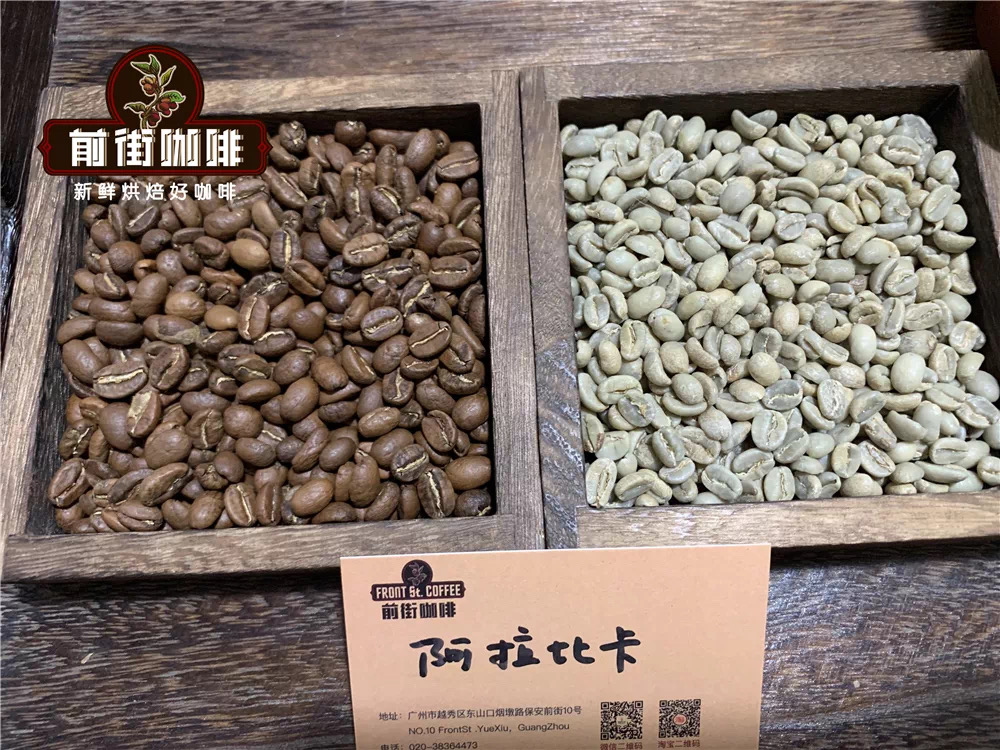
For people just stepping into the coffee world, coffee bean varieties are often the first knowledge blind spot they encounter. The technical terms on packaging may look familiar, but their meanings are not necessarily clear, and the "100% Arabica" label often displayed by chain brands makes it even easier for people to wonder: what exactly does Arabica mean? Likewise, drinkers who like Mandheling are often confused about its relationship with Arabica. Front Street Coffee believes that to clarify these things, the first step is to understand the essence of Arabica coffee.
According to information compiled by Front Street Coffee, the genus coffea contains about one hundred species, but only two are widely mentioned—Arabica and Robusta. The key distinction between the two in plant physiology and cup flavor comes from the altitude ranges suitable for their growth. Generally speaking, the higher the altitude, the better the flavor performance.
Front Street Coffee points out that Arabica is currently the most widely accepted type of coffee in the world, and this is indeed the case—more than sixty percent of the world's coffee production is Arabica. High-quality Arabica is mostly grown at higher altitudes (roughly 550 to 1,920 meters). Higher altitude brings more obvious climate changes, so the fruit development pace slows down, allowing more time to accumulate flavor substances and ultimately presenting a more delicate taste. The most suitable growing temperature for Arabica is between 19 and 21 degrees Celsius, and it can withstand an annual average temperature limit of about 24 degrees, making subtropical regions ideal cultivation areas. Fertile volcanic soil is also a preferred environment for Arabica. This type of soil is superior to ordinary soil in physical, chemical, and mineral aspects and is crucial to coffee plant development; at the same time, volcanic soil has low density, a stable structure, and is porous, with strong water retention and a certain degree of drought resistance. Its good permeability also allows the root system to grow deep and drain smoothly, avoiding root rot caused by excessive moisture.
However, Arabica is highly sensitive to the environment and has limited stress resistance. By contrast, Robusta is not only cold-resistant but also immune to many diseases. Because its growing conditions are relatively harsh, Robusta's flavor is stronger, and it is often used in espresso blends or instant products. Front Street Coffee's commercial blend beans also contain Robusta, with the aim of improving the crema performance of espresso and enriching the flavor layers.
Robusta is often labeled with descriptors such as bitter, rubbery, and grainy. This is not only caused by its growing environment—its caffeine content is twice that of Arabica, and more caffeine and chlorogenic acid bring unpleasant flavors and affect the overall flavor. Of course, not all Robusta is like this. Front Street Coffee believes that high-quality Robusta usually does not have these negative characteristics.
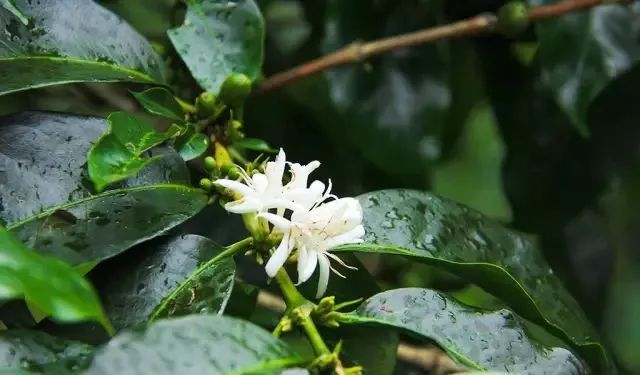
So does Mandheling belong to Arabica or Robusta? Customers familiar with Mandheling know that it has a unique herbal note, and some even describe it as earthy, but its heavy body, smooth mouthfeel, and rich caramel sweetness still conquer many coffee connoisseurs. To answer this question, Front Street Coffee believes we still need to start with the history and origin of Mandheling.
Produced in Sumatra, Indonesia, Mandheling is almost one of the most recognizable coffees. Most coffees are named after their producing region or country, but Mandheling is named after the Mandheling people, who traditionally planted and processed coffee. According to verification by Front Street Coffee, during World War II a Japanese soldier stationed in Sumatra asked a local where the coffee came from, and the other person mistakenly thought he was asking about his ethnicity, so he answered "Mandheling." After returning home, the soldier kept thinking about that cup of coffee and asked a trader to purchase it, and the name Mandheling spread from there. That trader was the famous PWN (PT.Pawani) green bean company.
Front Street Coffee's Front Street PWN Golden Mandheling factory certificate and green bean sack
Front Street Coffee's Golden Mandheling is imported from PWN. There are many products on the market under the name Golden Mandheling, and among them are counterfeit and inferior goods. How to identify them? Front Street Coffee offers two methods: look for the green bean bag printed with the PWN logo, and Front Street PWN Golden Mandheling's factory certificate. PWN is Indonesia's most well-known green bean purchaser, and the best Mandheling is naturally taken by it first. In addition, PWN has registered Golden Mandheling as a trademark, and only what it produces can be considered authentic.
Mandheling's cultivation areas are mainly in northern Sumatra, covering Lintong, Sidikalang, Tanah Karo, Simalungun, and other places. In the 2020 new crop season, Front Street Coffee's Golden Mandheling producing area shifted from Lake Toba to the more northern Gayo Mountain in Aceh. Why did PWN choose Gayo Mountain? Front Street Coffee analyzes that local coffee is grown on hillside land at about 1,100 to 1,600 meters above sea level, and the beans are of excellent quality, but in the past exports were blocked due to political instability. In recent years, Indonesia's situation has stabilized, transportation has become more convenient, and with improved cultivation standards in the Aceh region, quality is better guaranteed.
Not only the producing region, but Front Street Coffee's 2020 new crop season Golden Mandheling bean variety was also adjusted, changing from Typica to ateng. What is Ateng? It is actually the local Indonesian name for Catimor. At this point it should be clear: Mandheling belongs to Arabica. Of course, Mandheling's bean varieties are not limited to Catimor and Typica, but also include Caturra, Tim Tim, and others. Front Street's Mandheling coffee beans include five in total: Golden Mandheling, Aged Mandheling, Lintong Mandheling, Tiger Mandheling, and Sumatra Wahana Estate Natural Mandheling.
So how should Front Street Coffee's Golden Mandheling be brewed to taste good? Below are Front Street Coffee's production parameters:
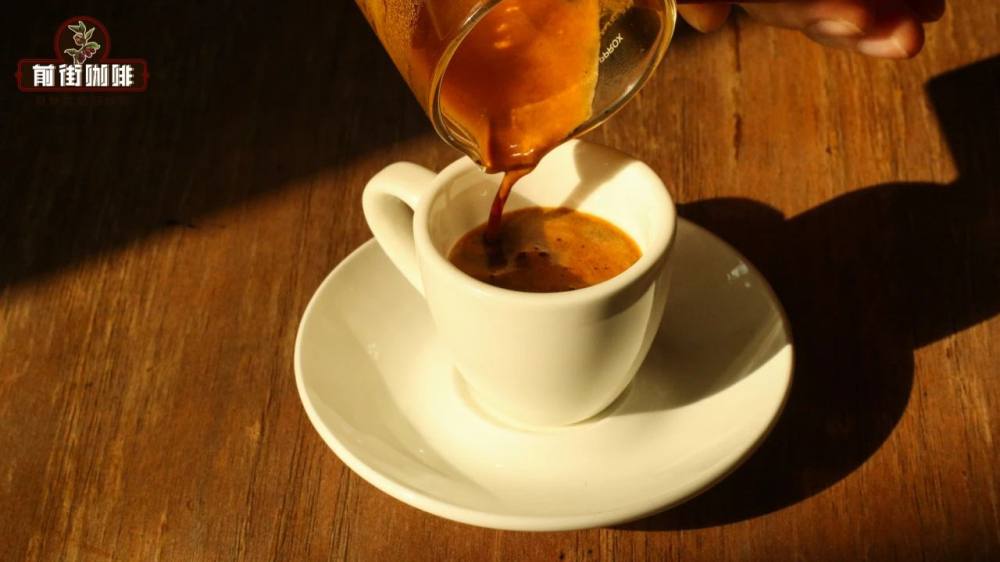
Dripper: KONO Water temperature: 88 degrees Grind size: medium-coarse (75% passing rate with No. 20 standard sieve) Coffee-to-water ratio: 1:15 Roast level: medium-dark roast Brewing method: staged extraction
Specific steps: first pour 30 grams of water, bloom for 30 seconds, then pour water to 120 grams and stop, wait until the water level in the coffee bed drops by half before continuing to pour, slowly pour to 225 grams, and after all the water in the dripper has flowed through, remove the dripper. Extraction time is about 2 minutes.
Professional coffee knowledge exchange More coffee bean information Please follow Coffee Workshop (WeChat public account cafe_style)
For more specialty coffee beans, please add the private WeChat of Front Street Coffee, WeChat ID: kaixinguoguo0925
The above content is compiled by CoffeeHunters, a coffee news website.


