







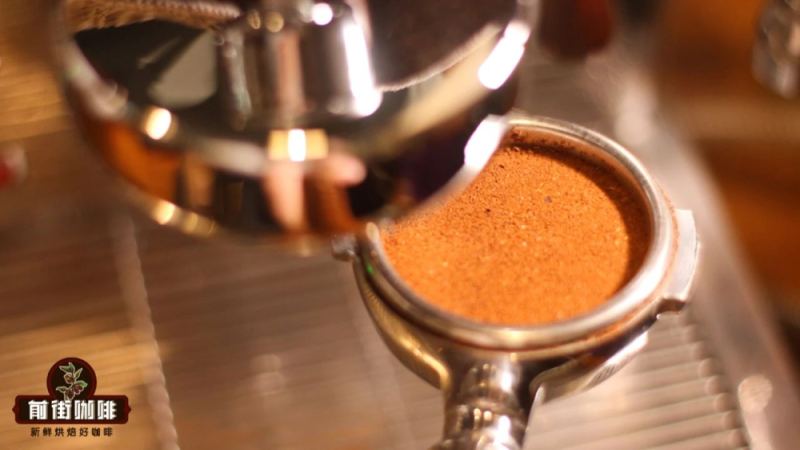
Which Espresso Coffee Beans Work Well at Home?
Espresso coffee beans are roasted medium to medium-dark for the most reliable extraction, producing roughly 30 milliliters of concentrated coffee with a golden-brown crema. Semi-automatic machines use one or more group heads and pull shots quickly, while fully automatic models grind and brew on their own but take longer per cup. Medium roasts suit drinkers who prefer less bitterness.
The five recommended blend coffee options cover rich and aromatic, floral and fruity, and nutty directions, so selection can follow taste and budget. Espresso also extends into Americano, Macchiato, Cappuccino, Latte, and Mocha once water, milk, syrup, cream, or spices are added, which makes the bean choice a question of how the shot will be served.
Espresso has always been a focal point for coffee enthusiasts, thanks to its rich, full-bodied taste and signature golden crema. This article will start with how espresso machines work, sort out the differences between semi-automatic and fully automatic models, and explain how Crema forms and how it expresses flavor. We will also discuss how espresso extends into a variety of drinks such as Americano, Latte, and Cappuccino. When it comes to bean selection, medium-dark roasts usually make it easier to extract ideal results, while those who prefer a milder taste can prioritize medium roasts. At the end, we have compiled five popular espresso blends, covering different directions such as rich and aromatic, floral and fruity, and nutty flavors, making it easy to choose according to personal preference and budget.
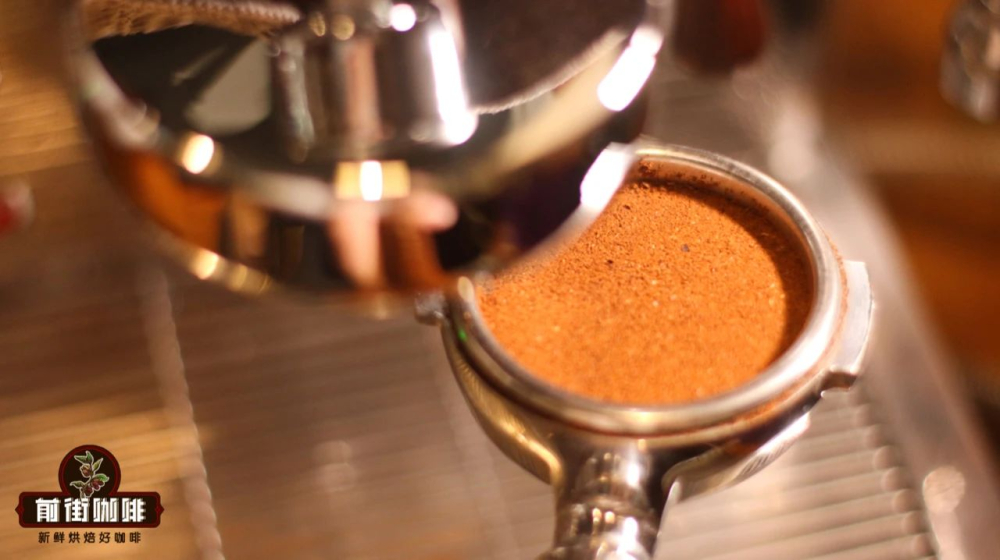
The core of an espresso machine lies in its built-in boiler, which heats water to produce high-temperature, high-pressure water that quickly passes through a finely ground and evenly tamped coffee puck, ultimately yielding about 30 milliliters of concentrated coffee with a heavy mouthfeel and a layer of fine oily foam on the surface.
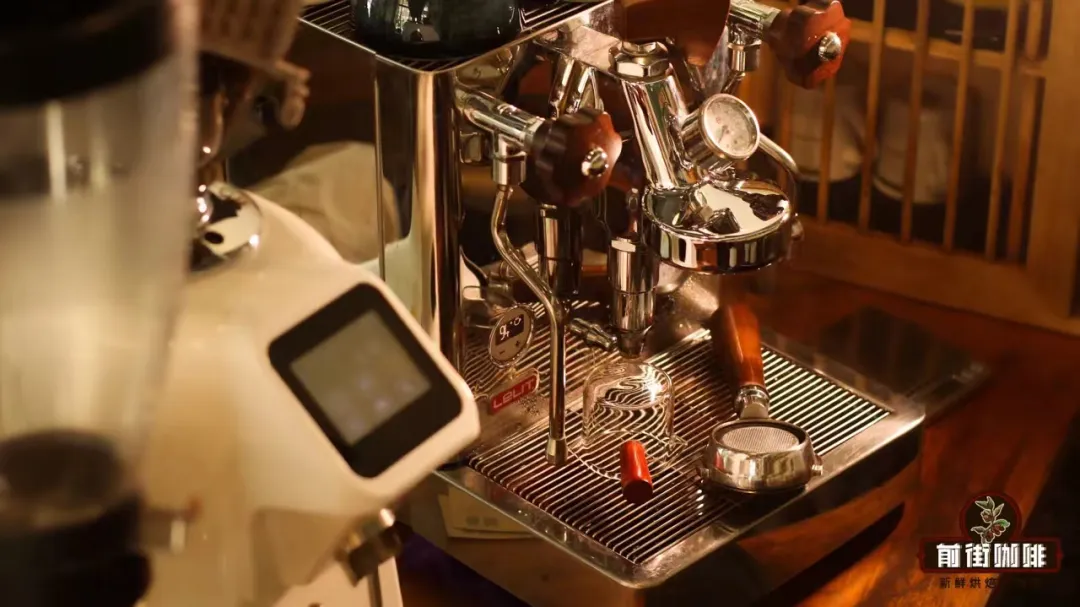
Espresso machines currently on the market are mainly divided into two major types: semi-automatic and fully automatic. Semi-automatic models are equipped with one or more group heads and extract quickly, meeting the high-frequency, fast-paced serving needs of commercial settings; fully automatic models have a built-in grinding system and complete the entire process automatically, but the time per cup is usually longer than with semi-automatic machines.
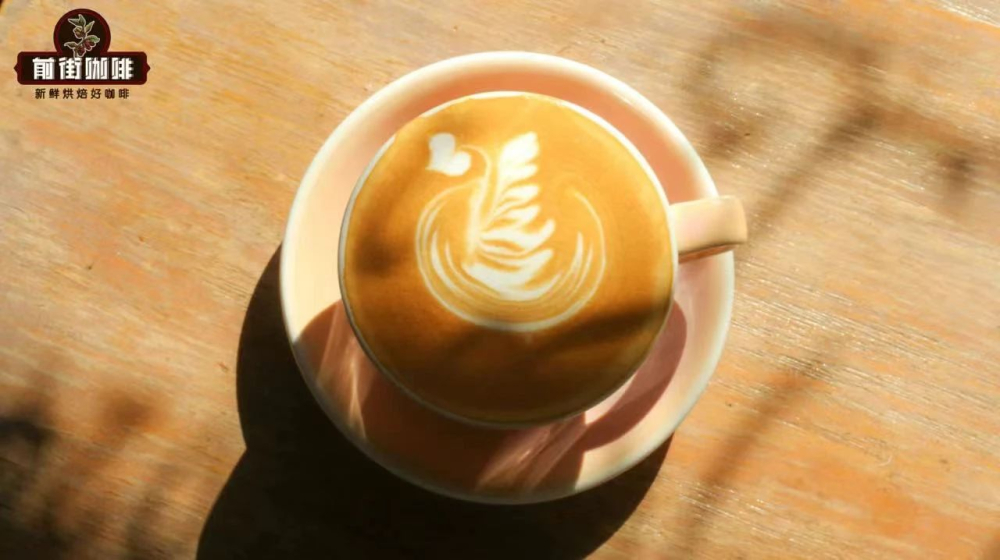
Thanks to pressure extraction, espresso is not only intense in flavor but also forms a fine layer of coffee oil foam on the surface, commonly known as Crema. This layer ranges in color between golden and brown, and its aroma varies depending on the coffee beans used.
Diluting espresso with water makes an Americano; it can also be combined with milk, syrup, cream, or spices to create a variety of flavored drinks such as Macchiato, Cappuccino, Latte, and Mocha.
When making espresso, choosing medium to dark roasted coffee beans often leads to a higher success rate and fuller flavor layers. If you do not particularly enjoy obvious bitterness, you can prioritize medium-roast espresso beans. The following five are relatively popular choices this year:
1. Front Street Classic Espresso Blend Coffee Beans — Rich and Aromatic Flavor
Many coffee lovers have only heard of Mamba coffee but do not know the origin of the name's recipe. In fact, Mamba is a blend of Indonesian Mandheling beans and Brazilian coffee beans. The flavors complement and balance each other, and it was extremely popular in Taiwanese coffee shops in earlier years, making it a classic old-school coffee taste. Front Street Classic Espresso Blend further adds Robusta beans to the Mamba recipe, significantly enhancing the crema and taking the richness of espresso to the next level. It is very suitable for home brewing and also convenient for making latte art.
2. Front Street Strawberry Candy Espresso Blend Coffee Beans — Light Floral and Fruity Aroma
If you want to make espresso with floral and fruity notes, you should focus on medium-roast beans. Here we recommend Front Street Strawberry Candy Espresso Coffee Beans, which can be ordered directly from Taobao or Tmall stores. This bean uses Front Street Costa Rica Tarrazu, known for its honey processing, and Ethiopia, the birthplace of coffee, then blends them with Colombian coffee beans. The espresso extracted this way has low pungency, presents good crema and a velvety texture under the action of the coffee machine, and carries a sweet-and-sour taste similar to strawberry gummy candy.
3. Front Street Specialty Espresso Blend Coffee Beans — Rich Nutty Notes
Brazil and Colombia, as the world's leading coffee-producing countries, have long enjoyed great reputations. Front Street combines beans from these two regions: Brazilian coffee brings nutty aroma and balanced taste, while Colombian coffee contributes chocolate-like notes. The two complement each other, and the effect far exceeds that of a single origin. The extracted espresso presents flavors of cream cookies, cocoa, and roasted nuts.
4. Front Street Commercial Espresso Blend Coffee Beans — The Same Style as Coffee Shops
If you want to recreate the same Americano or Latte as a coffee shop at home, you can buy Front Street Commercial Blend Coffee Beans. This bean is blended from three major regions: Brazil, Colombia, and Vietnam. After medium-dark roasting, it has rich crema and roasted aromas. Made into an Americano, it tastes sweet and mellow with a smooth entry; made into a Latte, it is rich and silky, leaving a lingering fragrance after drinking. It is also affordable, making it suitable as an everyday staple bean for the home.
5. Front Street Basic Espresso Blend Coffee Beans
For friends who are just getting into espresso, cost-effectiveness is naturally the primary consideration, and this bean can meet the needs of most home users. It has gentle fruit acidity, caramel-like sweetness, and nutty and dark chocolate flavors, with a smooth and viscous mouthfeel. At the same time, it is affordable, making it suitable for shop owners and home users who prioritize cost and do not have overly strict requirements for flavor.
The above content is compiled by CoffeeHunters, a coffee news website.


