







What Sets Ethiopian Specialty Coffee Regions Apart?
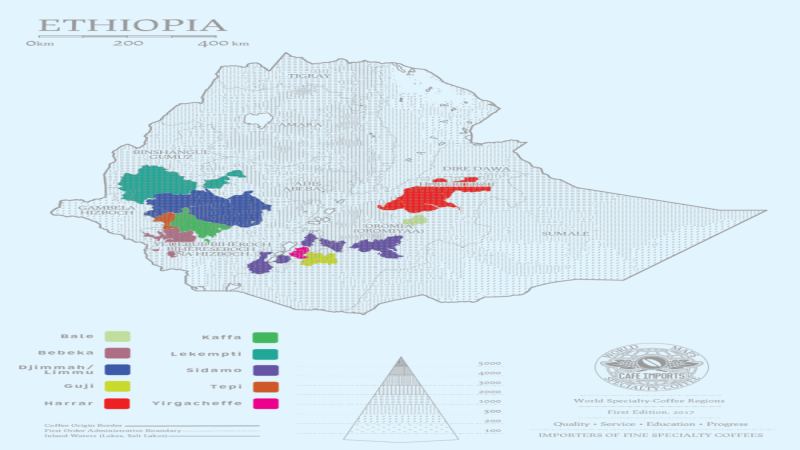
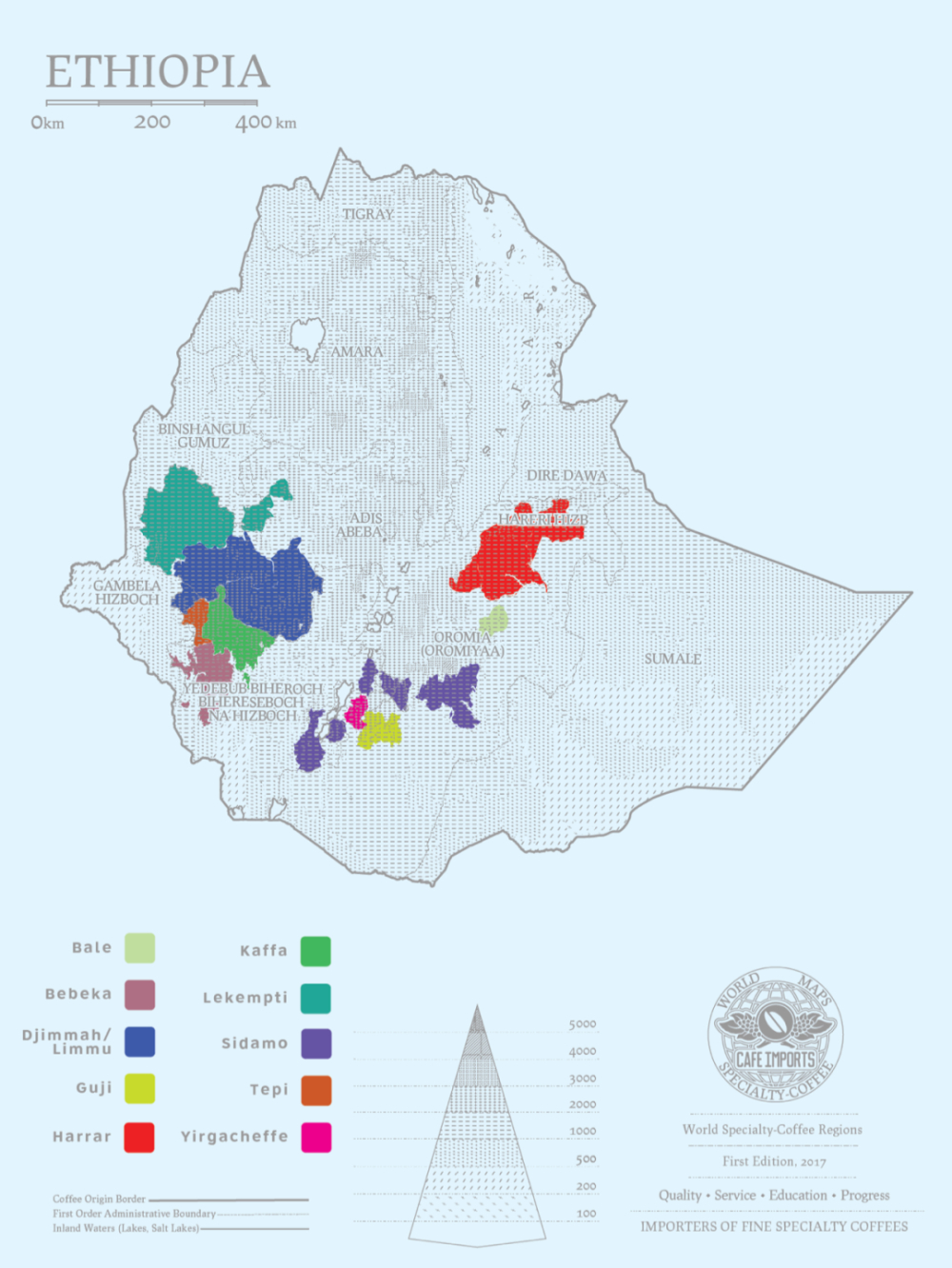
Ethiopia is the birthplace of arabica coffee and holds a vast resource of native varieties, which makes it a natural gene bank and the source of many specialty coffee regions. Yirgacheffe, Sidamo Hambela, and Guji Uraga each show distinct terroir, with signature floral notes, citrus, and honey yuzu tea.
Yirgacheffe is Ethiopia's first widely known coffee region and often carries floral and citrus notes, while Hambela, once a Guji sub-region under Sidamo, gained fame after a 2017 TOH natural category win. Front Street gives grind sizes, coffee-to-water ratios, water temperatures, and staged pouring plans to help brewers reproduce these flavors.
As the birthplace of Arabica coffee, Ethiopia boasts a vast resource of native varieties and is known as a natural gene bank, giving rise to many world-renowned specialty coffee regions. This article will outline the terroir characteristics and signature bean flavors of three major regions—Yirgacheffe, Sidamo Hambela, and Guji Uraga—and, drawing on Front Street Coffee's brewing experience, provide specific grind sizes, coffee-to-water ratios, water temperatures, and staged pouring plans for Yirgacheffe, Huakui, and the Uraga champion bean, helping coffee enthusiasts more consistently reproduce the signature flavors of floral notes, citrus, and honey yuzu tea in their daily pour-over brewing.
Ethiopia is the birthplace of Arabica coffee, with tens of thousands of Arabica varieties distributed across the country, earning it the reputation of a natural coffee gene treasure trove. Many famous coffee regions have also taken shape on this land. Below, Front Street introduces a few renowned Ethiopian coffee origins.
1. Yirgacheffe Coffee Region
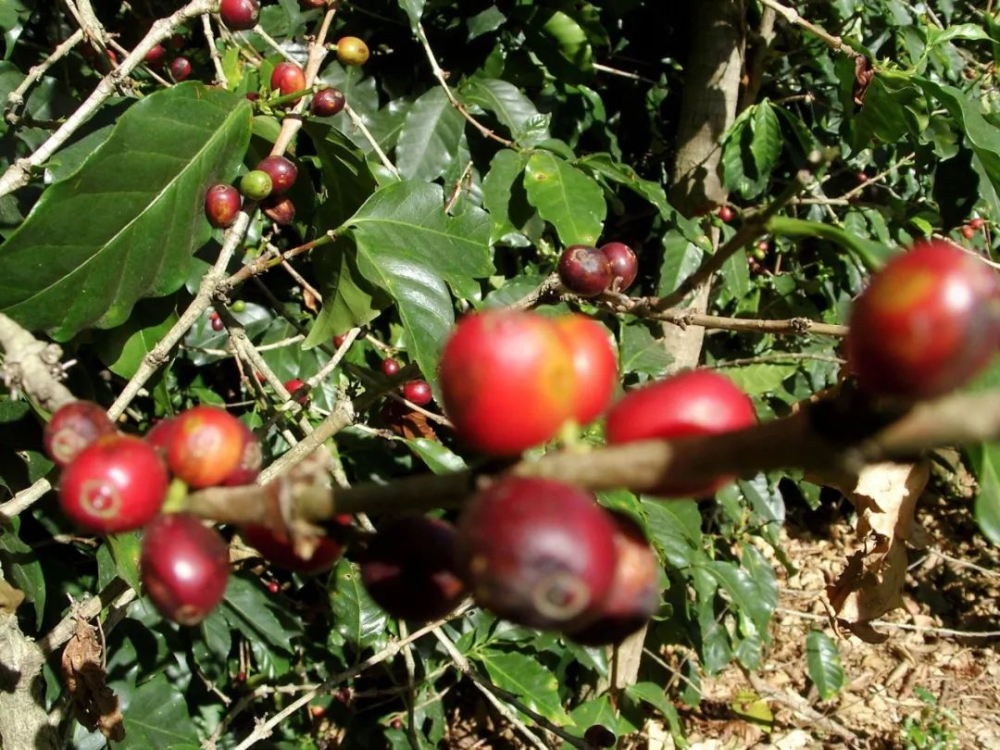
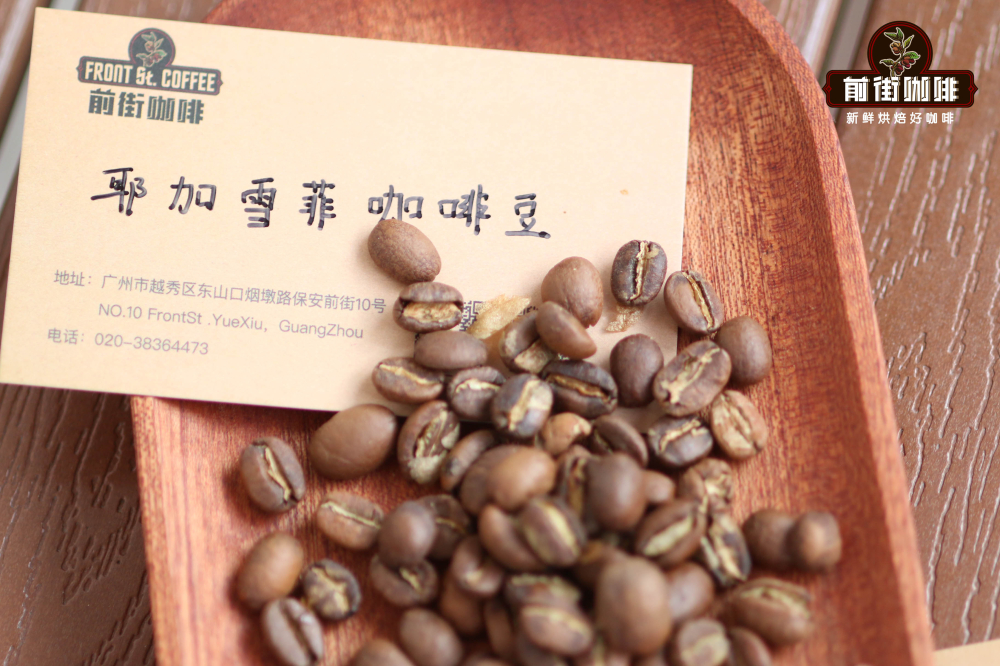
Yirgacheffe is Ethiopia's first widely known coffee region, and the coffee it produces often carries abundant floral and citrus notes. Front Street has also selected washed Yirgacheffe as Ethiopia's everyday staple bean.
So how should Yirgacheffe coffee beans be brewed?
2. Sidamo-Hambela Coffee Region
Hambela was originally a sub-region of Guji, which is under Sidamo, and is administered by Oromiyaa, the southernmost administrative state in Ethiopia. To its west, it faces Kochere of the Yirgacheffe region across the mountains, at a distance of about 3,200 m; to its east, it borders Shakiso; to its south, it connects to Uraga; and to its north, it links to Kercha of Kochere.
At present, there are about 20 processing stations within Hambela, distributed across the various villages and estates of this sub-region, varying in size.
In 2017, a coffee from the Hambela region won the Ethiopian TOH natural category championship, and Hambela has been famous ever since. After that champion bean entered the Chinese market that year, it was renamed "Huakui" by the importer. Since then, the Huakui series has all been produced in Hambela.
How should Huakui coffee beans be brewed to taste good?
Front Street recommends a medium-fine grind size (80% passing rate on a Chinese No. 20 sieve). To more fully showcase the rich juicy body and abundant fruit aromas of Huakui coffee beans, the water temperature is recommended to be controlled at 91°C, and the brewing method can use a three-stage slow circular pour with a fine stream.
Taking 15 g of coffee grounds as an example, with a coffee-to-water ratio of 1:15, pour 225 g of hot water over 15 g of coffee grounds to complete the extraction. First, bloom with 30 g of water for 30 seconds; then, at a flow rate of 4 g per second, with a rhythm of one circle every 4 seconds, pour from the center outward in circles and then back to the center until reaching 125 g, then stop; when the coffee bed has dropped to the halfway point, pour again in the same way until reaching 225 g, then stop; after all the coffee liquid in the dripper has flowed into the server, remove the dripper to end the extraction. The brewing time is 2 minutes 10 seconds.
3. Guji-Uraga Coffee Region
Uraga is a sub-region under the Guji region, with an altitude of up to 2,300 m. Although Uraga town is located within the Guji region, geographically it is closer to the high mountainous area of Yirgacheffe at an altitude of 2,200 m. The soil in this area is nutrient-rich black soil (Vertisol), and the high-altitude terrain gives Uraga its rich fruit flavors.
The champion of the 2020 Ethiopian TOH washed category came from the Uraga region. The biggest characteristic of this coffee bean is its honey yuzu tea-like flavor, with extremely high recognizability.
So how should this coffee bean be brewed?
Taking 15 g of coffee grounds as an example, after brewing tests, Front Street found that this bean tends to develop a tea-like astringency when soaked too long, so the final grind size chosen is slightly coarser than normal pour-over, with a 70% passing rate on a No. 20 standard sieve.
Use a coffee-to-water ratio of 1:16; a larger coffee-to-water ratio better highlights floral and fruity notes. Use a water temperature of 91°C, which is very suitable for brewing Ethiopian coffee beans and easily brings out citrus and other fruity notes.
Brewing method
This time, Front Street's three-stage brewing method is also used. First, preheat the coffee server and dripper, add 15 g of coffee grounds, and gently level them. Pour 30 g of water and bloom for 30 seconds; it is not recommended to bloom too long, otherwise astringency easily appears.
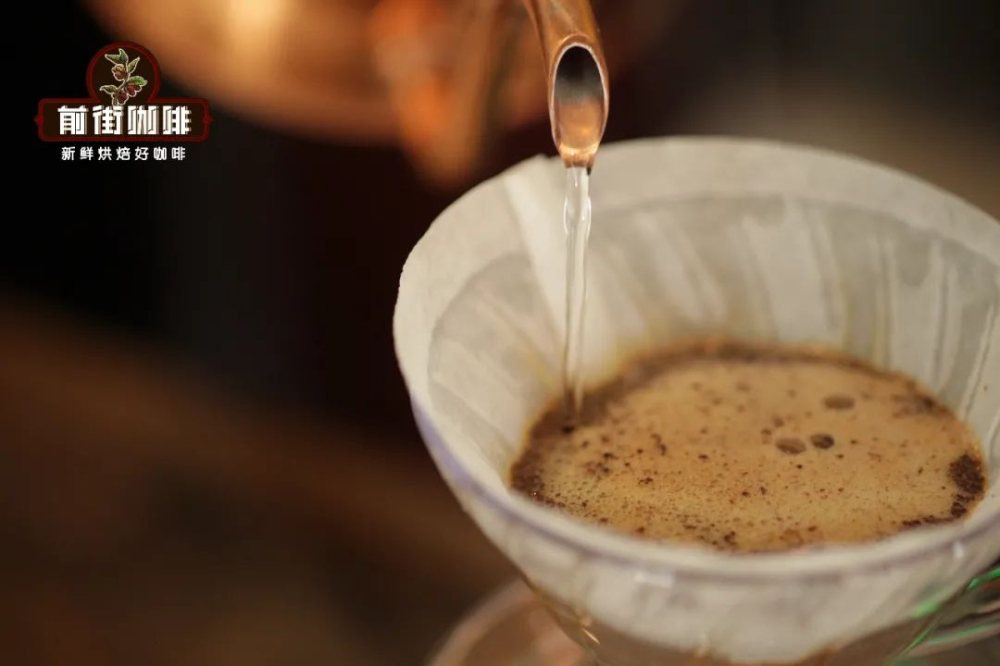
For the second stage, pour 120 g of water in concentric circles from the center outward, with the pouring completed at about 1 minute; when the coffee bed is almost visible, pour the final stage, using the same pouring method to add 90 g of water; after all the water has flowed into the server, remove the dripper to end the extraction. The brewing time is 2 minutes 5 seconds.
Brewed flavor description: the wet aroma has faint jasmine and citrus notes; in the front section, a citrus-like juicy body can be felt, while in the middle and back sections, a honey yuzu tea-like sensation can be tasted, and the finish is an oolong tea-like sweet aftertaste.
For professional coffee knowledge exchange and more coffee bean information, please follow Coffee Workshop (WeChat public account cafe_style) For more specialty coffee beans, please add the private WeChat of Front Street Coffee (FrontStreet Coffee), WeChat ID: qjcoffeex
The above content is compiled by CoffeeHunters, a coffee news website.


