







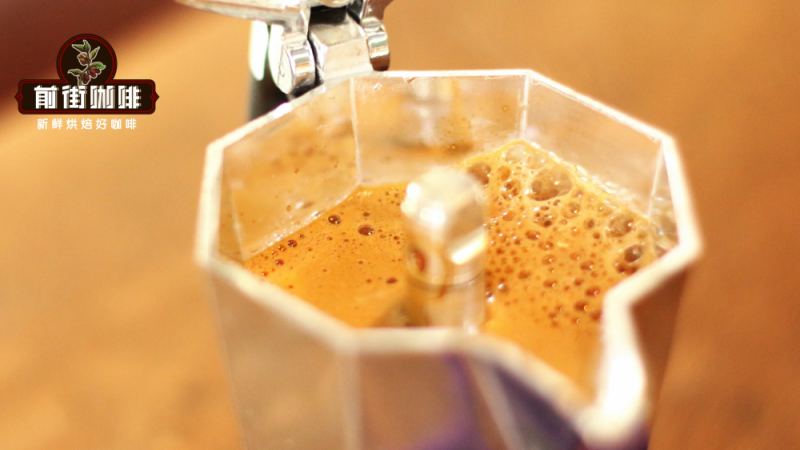
How Does a Moka Pot Build Pressure and Brew Coffee?
A moka pot brews by pressure, not by pouring. The lower chamber holds water, the middle basket holds grounds, and the upper chamber collects the coffee. When heated, water in the lower chamber boils into steam, and that pressure pushes hot water up the central tube, through the coffee bed, and into the top chamber as a concentrated brew.
Because the result is strong and its aromas do not open up easily on its own, moka pot coffee is often diluted with water or fresh milk to make a moka pot americano or latte. Flow rate, grind size, water temperature, water level, and heat all affect the outcome. A medium-dark roast blend, such as a Front Street classic blend, suits this brewer well.
Today, with pour-over, siphon, and high-end espresso machines dominating the scene, the moka pot is often labeled as old-fashioned and hard to master. Yet this compact home-pressure brewing tool, with its simple structure and stable pressure buildup, can still produce black coffee with rich strength and a respectable layer of crema. Front Street Coffee will start with the extraction principle of the moka pot, break down the operational details of each step—adding water, filling coffee grounds, heating, and adding milk—explain the relationship between flow rate and grind size as well as water temperature, and point out the precautions such as water level and heat that easily lead to failure. The article will also recommend a medium-dark roasted Front Street Coffee classic blend suitable for the moka pot, helping enthusiasts reliably recreate a moka pot latte with crema at home.

Today, pour-over, siphon, and high-end espresso machines each have their own following, yet the moka pot is often considered outdated and incapable of producing good flavor. Front Street Coffee has noticed that many coffee enthusiasts are more accustomed to brewing a single-origin pour-over at home or ordering a milk-based espresso drink like a cappuccino at a café. However, with the popularity of home espresso equipment, quite a few people have also begun to turn their attention to the moka pot, which likewise possesses home-pressure extraction capability.
The Extraction Principle of the Moka Pot
The moka pot's construction is not complicated: the lower chamber holds water, the middle filter basket holds coffee grounds, and the upper chamber collects the brewed coffee. During heating, the water in the lower chamber boils and generates steam pressure, which pushes hot water upward through the central metal tube. Driven by pressure, the water passes through the coffee bed and finally flows into the upper chamber, becoming concentrated coffee.
Front Street Coffee needs to remind you again that the coffee brewed directly from a moka pot is quite concentrated, with a strong bite when drunk on its own, and its aromas do not easily unfold. Therefore, it can be diluted with water or fresh milk in a certain ratio to make a "moka pot americano" or "moka pot latte," which both improves the drinking experience and allows you to taste the bean's own sweet, clean aromas.
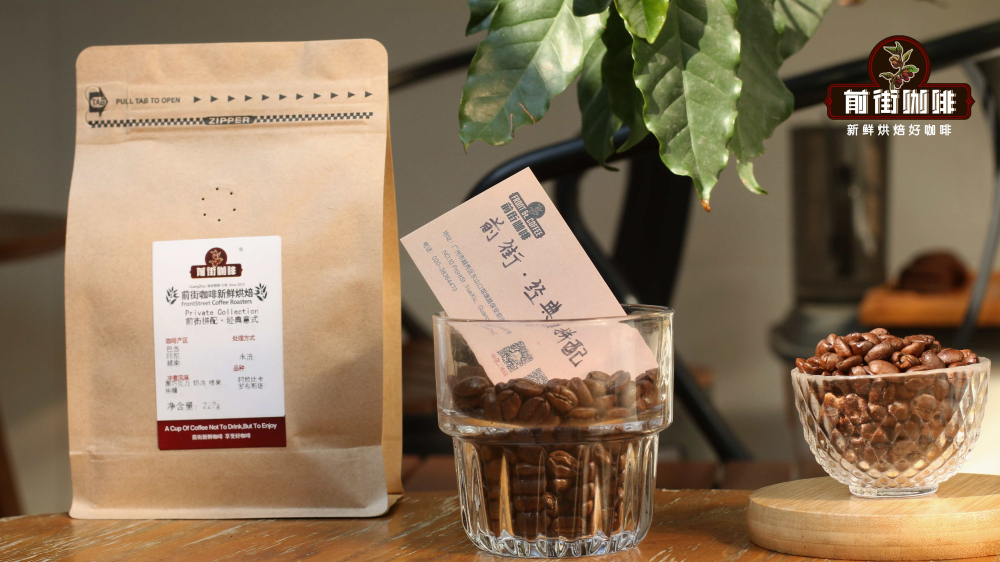
Like espresso machines, the moka pot has a certain pressure-building capability, so the coffee is concentrated and full-bodied, which pairs perfectly with medium-dark roasted beans. If you want to improve extraction stability, consider Front Street Coffee's classic blend—the same one used in coffee shops. It combines the wild character of Indonesian Mandheling, the nutty sweetness of Brazilian Red Bourbon, and the rich crema of Vietnamese Robusta. When brewed in a moka pot, it releases pronounced notes of butter, roasted hazelnut, caramel, and dark chocolate. The body is full, the black coffee is sweet and refreshing, and when made into a latte with milk, it is smooth and silky.
Why Was the Moka Pot Overlooked in the Past?
The reason is not complicated. The moka pot is a household device, less professional than an espresso machine; and China has no coffee-drinking tradition—coffee is an imported product. The early groups exposed to coffee were mostly those who had become wealthy first, and when learning about coffee they naturally gravitated toward the professional path. This kind of small household device rarely entered their field of vision.
As the affluent population expands and the coffee audience continues to grow, it is natural that some people will prefer a simple, easy-to-use household tool like the moka pot. Although the coffee made with a moka pot cannot match a professional espresso machine in terms of crema and concentration, a professional espresso machine costs tens of thousands of yuan, and even an ordinary home machine costs several thousand yuan. Spending just a few hundred yuan on a moka pot can achieve six or seven tenths of the quality of a coffee machine—that is already enough. This is also why the moka pot has become the first choice for many enthusiasts making coffee at home.
In addition, coffee brewed with a moka pot can also be used for latte art with milk, which is completely sufficient for home use.
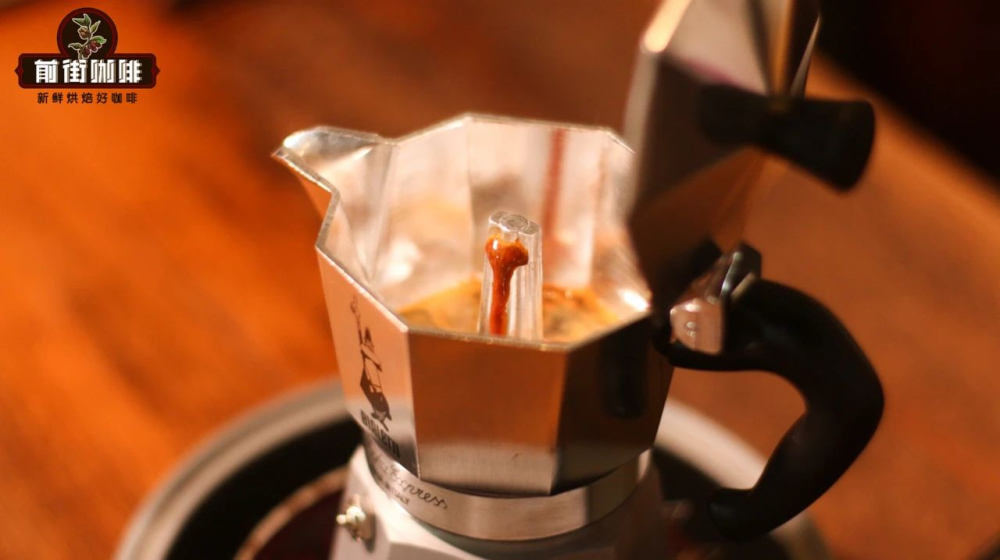
How to Make Milk Coffee with a Moka Pot
First, pour cold water into the lower chamber (hot water will scald your hands), then place the filter basket into the lower chamber. Cup your hand around the basket and fill it with coffee grounds until a small mound forms in the center. Once the grounds around the edges have filled the gaps in the basket, put the upper chamber on directly and tighten it.
Then place it on an electric ceramic stove to heat (a gas stove also works). When you hear a "whooshing" sound, it means the coffee is starting to rise. At that point, immediately turn off the heat and wait for the coffee to rise on its own.
Freshly brewed moka pot coffee will have a golden layer of crema on the surface, but most of the crema dissipates quickly, so you should add milk as soon as possible. Here, Front Street Coffee will use a French press to froth 200ml of warm fresh milk, then evenly blend it with the coffee and pour latte art. A moka pot latte is then complete.
Overall, latte art places higher demands on milk foam than espresso does. Coffee with crema makes the surface more stable, making it easier to draw complex patterns; without crema, surface stability decreases, and latte art styles like ripple pours become noticeably harder to achieve.
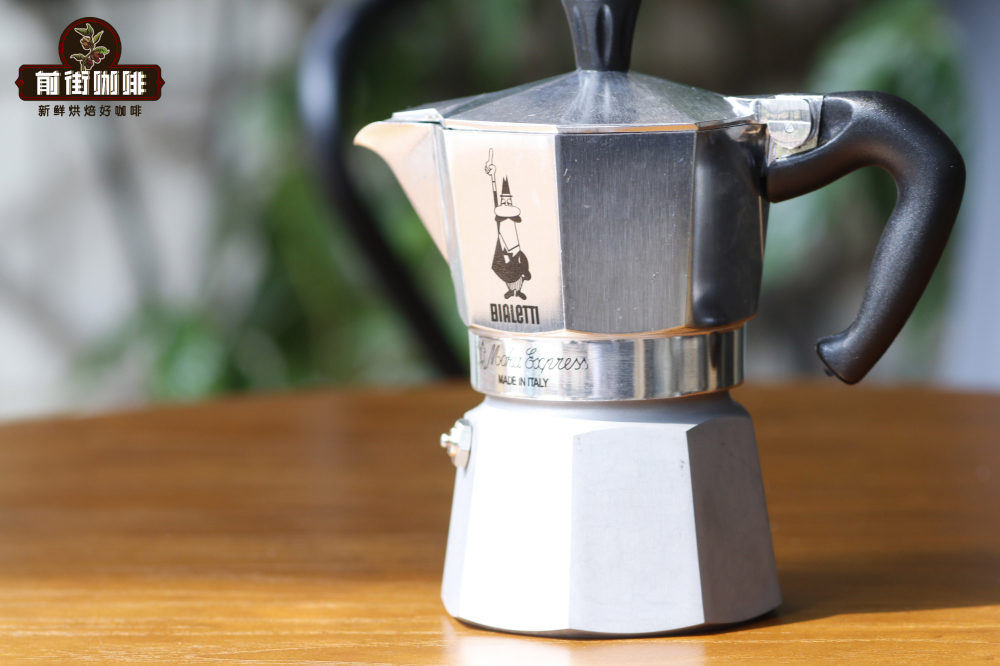
Although the moka pot is simple in structure and easy to operate, there are still some issues to watch out for during use. The base of the lower chamber has a pressure relief valve. When adding water, the water level must not exceed the pressure relief valve; otherwise, the pressure relief function fails and the risk of bursting increases.
The flow rate of the coffee also provides feedback: If the liquid spurts out directly, it means the water temperature is too high or the coffee grounds are too coarse, which easily leads to under-extraction; when the coffee flow is very slow, it means the water temperature is too low and you need to increase the heat, or the coffee grounds are too fine and you should switch to a coarser grind, keeping an eye on the heat at all times.
In addition, all coffee grounds can only be extracted once, and it is not easy to precisely control the weight of the coffee when using a moka pot. The actual extraction amount mainly relies on experience. Therefore, during operation, Front Street Coffee suggests that everyone stay focused; otherwise, it is easy to over-extract the coffee and make it bitter.
If you want the espresso brewed from a moka pot to have a rich layer of crema, Front Street Coffee recommends using freshly roasted medium-dark coffee beans. As the roast level deepens, the beans undergo caramelization and generate a large amount of gas, which is released under pressure during extraction. The longer the beans are stored, the more gas is lost, and the harder it becomes to extract a rich crema. The coffee beans shipped by Front Street Coffee are all freshly roasted within 5 days, making it convenient for everyone to enjoy them within the optimal flavor period.
The above content is compiled by CoffeeHunters, a coffee news website.


