







Can Coffee Be Served as an Americano?
An Americano is either black coffee from a drip brewer or espresso diluted with hot or cold water. The name traces back to World War II, when American GIs in Southern Europe cut espresso with warm water to soften its intensity, and Starbucks later drove the drink's global popularity. It sits between pour-over and straight espresso in strength.
Because extraction runs longer, an American coffee tastes lighter than a straight shot but often carries more caffeine, which is why many drinkers order it to stay alert. Cafes use it to judge a barista's extraction skill, since water, grind, and timing show up quickly in the cup. Roast choice shifts the flavor from floral to chocolate.
Americano may seem simple, yet it embodies a rich coffee culture and brewing craftsmanship. It can be black coffee made with a drip brewer, or espresso diluted with hot or cold water. From the amusing tale of American GIs during World War II diluting Espresso with warm water, to Starbucks driving its global popularity today, Americano has become one of the drinks that best tests a barista's extraction skills in a café. This article will walk you through the origins of Americano, its definition, regional variations in preparation, and Front Street Coffee's specific parameters and recommendations for making hot and iced Americanos. Whether you prefer the floral and fruity notes of a light roast, the balance of a medium roast, or the chocolate flavors of a dark roast, you'll find the perfect cup for you in this article.
As the coffee industry enters the third wave, the rise of specialty coffee has led more and more coffee-savvy people to take notice of and pursue specialty coffee. However, espresso, the star of the second wave, has not lost everyone's favor. Espresso has long been a popular choice in cafés, and Americano is the simplest of all espresso-based drinks to make. It is neither as layered and complex as pour-over coffee, nor as intense and heavy as espresso, yet it has a bit more of an espresso flair than pour-over, and better showcases the coffee's own flavors than espresso.
Coffee and tea are different; both are particular, but Front Street believes that compared to brewing tea, coffee extraction may be even more particular—for example, water temperature, timing, grind size, and so on. "Americano" (English: Americano, Italian: Caffè Americano) is a type of coffee, and also the most common one. It can be black coffee made with a drip coffee maker, or espresso diluted with a certain proportion of water. Because the extraction time is usually longer, the taste is relatively light, but the caffeine content tends to be higher, making it more effective for staying alert.
Americano was born after World War II. When the Americans ended the war in Europe, many troops arrived in Southern Europe. They couldn't get used to Espresso, so they diluted it with warm water. Only at that concentration could they accept it—showing that Espresso wasn't universally loved from the start. Because this way of drinking was mainly introduced by American GIs, people named it Americano.
At the time, most Americans used the filter method to make weaker coffee. Even today, most American households still use drip coffee makers, which is why drip brewers are called American coffee makers. The popularity of Americano made by diluting a shot of Espresso with water, however, owes much to Starbucks' global store expansion.
In Italian, Americano is called Caffè Americano, and now it usually refers to espresso with hot water added. In New Zealand and Australia, Americano is made slightly differently: after extracting the espresso, the machine continues to supply water until a full cup of coffee is obtained. Coffee made this way is also called "long black."
Americano consists of only two parts: espresso and water, while iced Americano adds ice cubes. But don't let Americano's simplicity lower your guard—the simplest things often test technique the most. Americano is often the best espresso-based drink for judging a barista's espresso extraction skills. Compared to milk-based coffees like lattes, Americano has less milk influence on the coffee's taste, so it best reveals the flavors of the coffee beans themselves. Many coffee-savvy friends choose Americano when visiting other cafés—first, because it's quick and convenient, and second, because it lets them gauge the quality of the establishment.
Americans seem to have coffee-drinking in their blood. Whether at home, in the office, at shopping malls, or from vending machines on the street, the aroma of coffee is often wafting by. For Americans with their fast-paced lifestyle, they need coffee for energy, yet they don't savor it leisurely like Europeans do. Regardless, it's undeniable that coffee has become a necessity for every American, which is why the United States ranks first in global coffee consumption.
Coffee is now the third most consumed beverage and is also very popular in China. But everyone's coffee habits differ—some like to add milk or sugar to slightly bitter black coffee, others prefer the original bitter taste, and some friends enjoy pairing coffee with American-made beverages, which is another unique way of drinking. Front Street believes that for Americano, no matter how you drink it, it just adds a bit of fun to busy work and life—as long as you enjoy it.
Although espresso typically uses medium-dark roasted coffee beans, when brewing, you can also try making espresso with beans of different roast levels to experience different flavors.
Light-roasted coffee beans tend to highlight floral and fruity notes; a good light roast can taste like a symphony of fruits in your mouth. Take Front Street Coffee's Huakui as an example—the light roast fully showcases its rich fruit aromas, a blend of strawberry, passion fruit, and citrus in a multi-fruit explosion.
Medium-roasted coffee emphasizes balance. Front Street Coffee's Blue Mountain uses a medium roast. Medium roasting maximizes the release of the coffee beans' flavors and aromas. Front Street's Blue Mountain coffee is smooth on the palate, clean and refined overall, with a delightful floral note and an intoxicating nutty cocoa flavor.
Dark-roasted espresso beans tend to be rich and mellow, and you can always taste chocolate notes in dark roasts. At Front Street, Indonesian coffees are often dark-roasted. Front Street's Golden Mandheling uses a dark roast—Golden Mandheling itself has a very fine herbal aroma and a pronounced caramel flavor; after the second crack, off-flavors are effectively reduced, revealing better sweetness.
Of course, with the rise of SOE (Single Origin Espresso), more and more friends now seek out single-origin espresso.
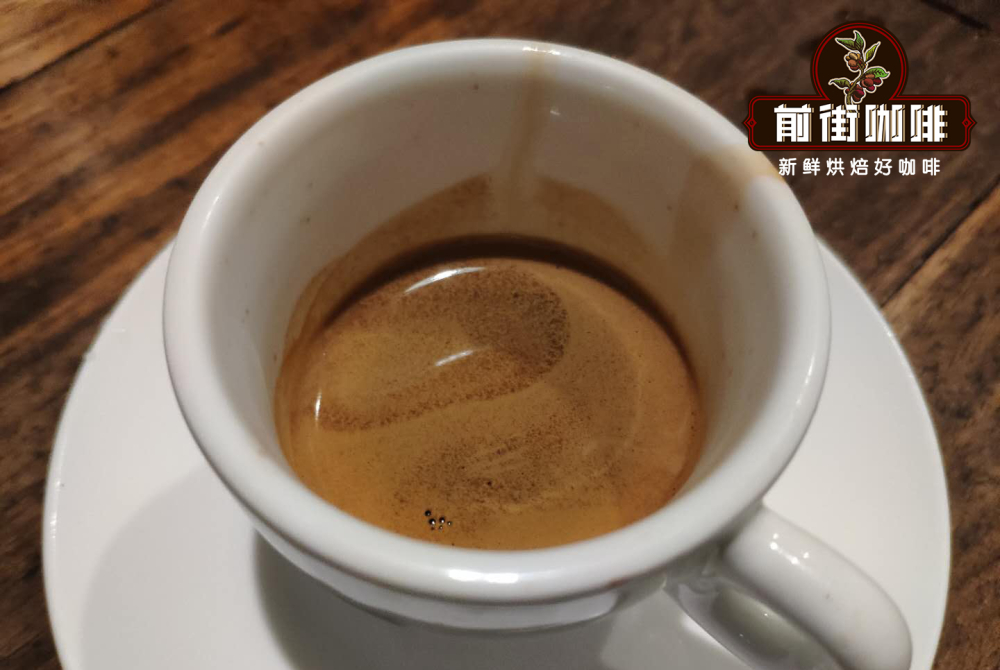
Espresso is roasted longer, usually going through the second crack, so the flavor is deeper, most of the acidity is removed, and the body is fuller—even when mixed with milk, it won't be overpowered. Americano adds water to the espresso, so the mouthfeel is slightly softer.
Front Street Warm Sun Blend parameters for making espresso and Americano:
Front Street Coffee's espresso beans differ from those of most cafés—Front Street uses the Warm Sun Blend: Sherry coffee blended with Red Cherry coffee. The resulting Americano has a rich wine aroma, making it more memorable than Americanos from other coffee shops. To highlight the sherry barrel flavor, 20 grams of coffee beans are chosen, extracting 40 grams of coffee liquid over 27 to 28 seconds.
When making a hot Americano, first preheat the cup with hot water, then pour in the hot water, and finally add the extracted espresso. The ratio for Americano is generally between 1:6 and 1:8, and after multiple adjustments, Front Street Coffee chose a 1:6 ratio—40 grams of coffee liquid to 240 grams of hot water.
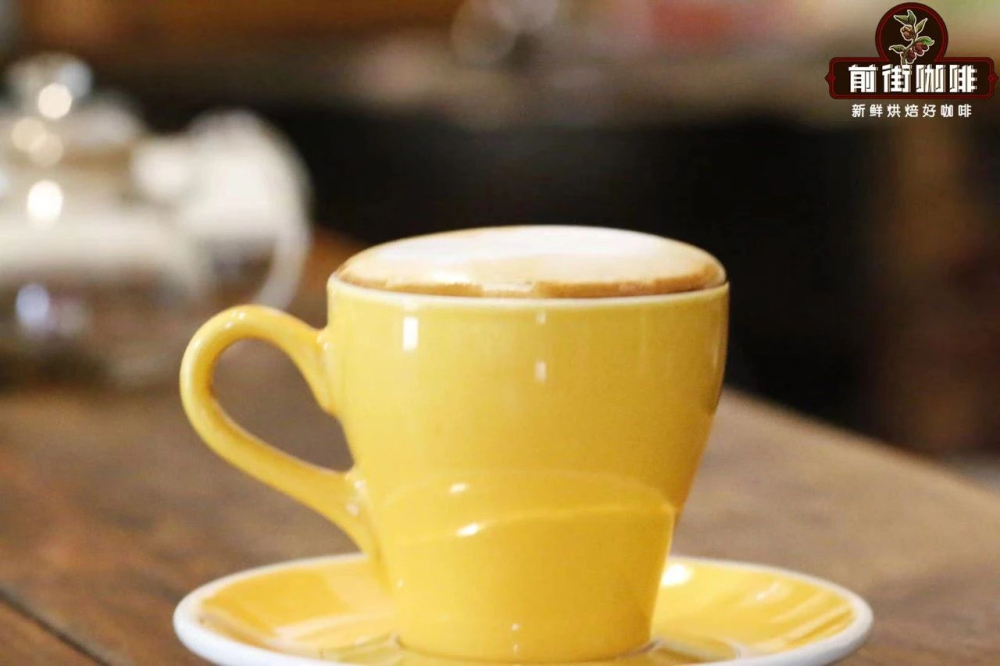
For an iced Americano, pre-chill the cup with ice cubes, then pour in water, and finally add the espresso. Because ice cubes are added, Front Street Coffee's iced Americano uses a 1:7 ratio—40 grams of coffee liquid to 280 grams of ice-water mixture, of which 180 grams are ice cubes and 100 grams are water.
Front Street brewing recommendations:
Whether making espresso, Americano, or pour-over coffee, the freshness of the coffee beans is crucial. Therefore, all coffee beans shipped by Front Street Coffee are within 5 days of the roast date. Front Street's roasting philosophy is "freshly roasted good coffee," so every customer receives the freshest coffee upon ordering. Coffee beans need a resting period of about 4-7 days, so when customers receive them, they're at peak flavor.
For those who need ground coffee, Front Street offers a friendly reminder: once coffee beans are pre-ground, they no longer need resting, because the pressure from carbon dioxide inside the packaging during shipping also smooths out the coffee's flavor—so you can brew a cup immediately upon receiving ground coffee. However, ground coffee should be brewed promptly, because once exposed to air, it oxidizes quickly—meaning the coffee's flavors dissipate faster and taste less good. So Front Street recommends buying whole beans and grinding fresh for each brew, so you can better enjoy the coffee's flavors.
For professional coffee knowledge exchange and more coffee bean information, please follow Coffee Workshop (WeChat official account: cafe_style).
For more specialty coffee beans, please add the private WeChat of Front Street Coffee: qjcoffeex.
The above content is compiled by CoffeeHunters, a coffee news website.


