







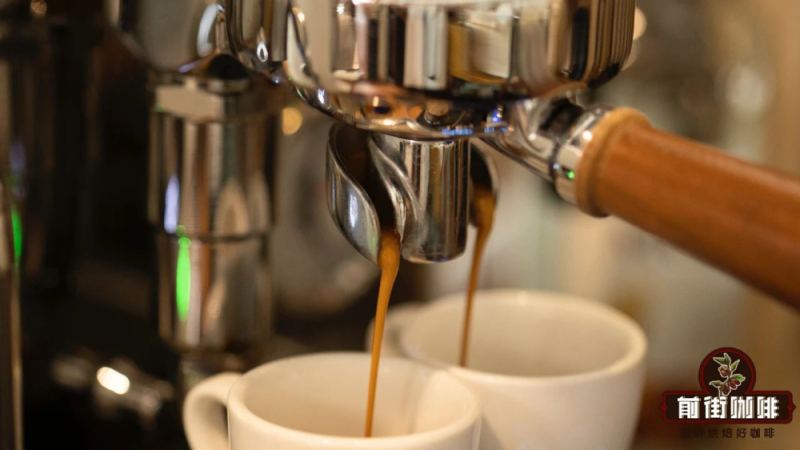
How does a coffee machine produce espresso?
Espresso is a concentrated coffee liquid that Italians extract quickly using a pressurized coffee machine at high temperature and pressure, leaving a golden crema on the surface. A qualified shot shows two traits: dense crema and high concentration, and each store's flavor varies with its bean blend and extraction plan.
Crema forms because beans accumulate gas during the roasting process; high-pressure water dissolves out carbon dioxide, and when the liquid returns to normal pressure the gas escapes as tiny bubbles that settle on the surface. Fresher beans give denser foam. Home brewing depends on controlling dose, liquid weight, extraction time and ratio to reproduce a stable shot.
Espresso is a concentrated coffee liquid that Italians extract quickly in a short time using a pressurized coffee machine at high temperature and high pressure, with a golden foam covering the surface. Each store's espresso differs in flavor due to different bean varieties and extraction plans, but a standard espresso usually has two major characteristics: dense crema and high concentration. This article will start with the formation principle of Crema and the source of high concentration, then use store实际操作 as a reference to explain in detail the steps and key parameters of making Espresso, including dose, liquid weight, extraction time, and ratio control, and explain Front Street Coffee's extraction plan and the applicable scenarios of classic Italian blend beans, helping enthusiasts stably reproduce a qualified cup of espresso at home.
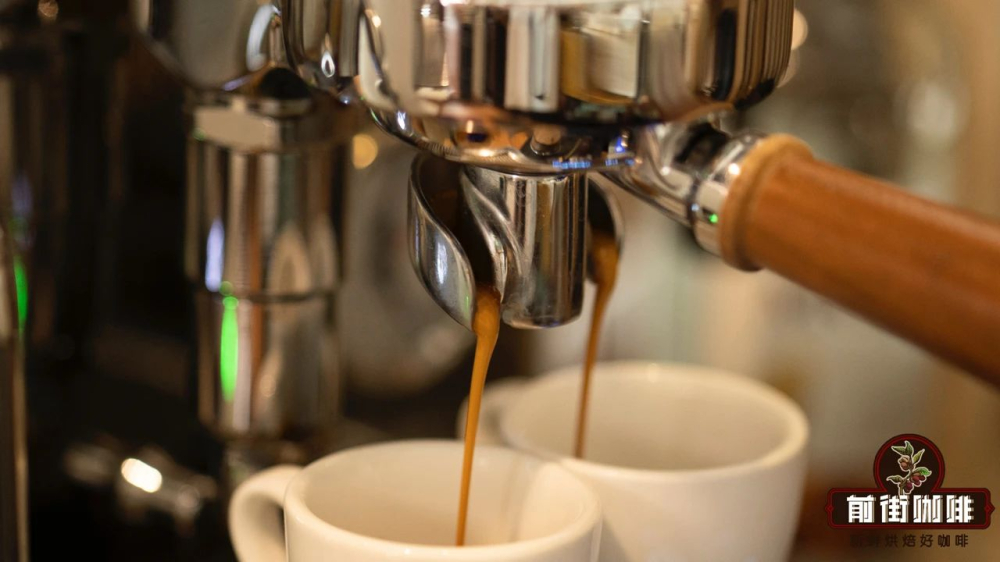
For more specialty coffee knowledge, please follow: Front Street Coffee (Frontsteet Coffee)
Espresso, also called Espresso, is a coffee liquid that Italians obtain by using a pressurized coffee machine to extract quickly at high temperature, with a layer of golden foam floating on the surface. Different stores use different Italian beans and extraction plans, so the flavor of the final product naturally varies, but a qualified cup of espresso usually shows the following two characteristics.
Crema (crema layer)
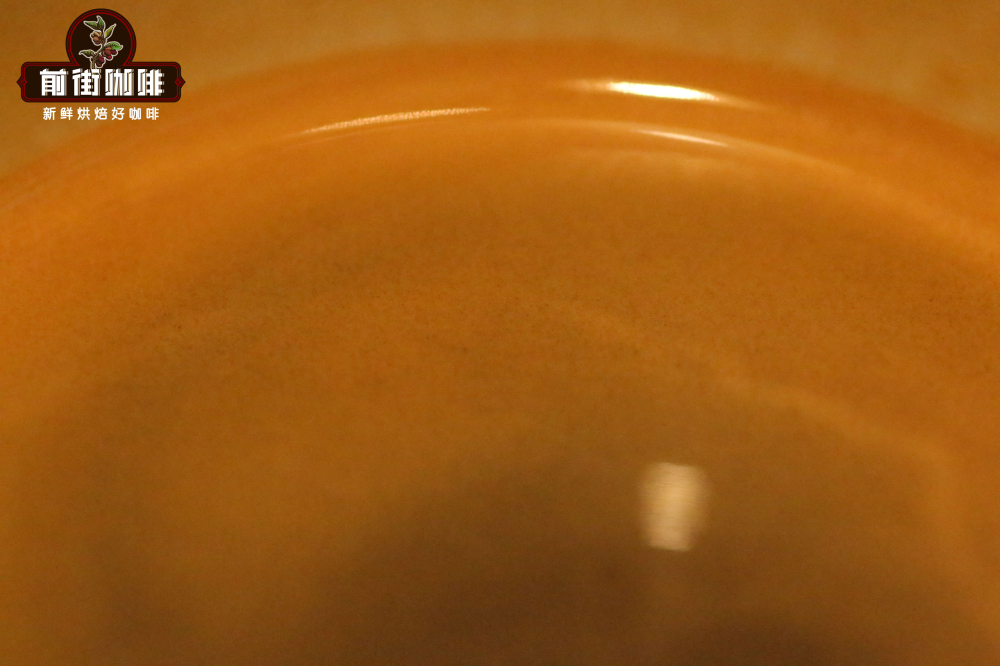
When you order an espresso at a coffee shop, the barista extracts it and immediately brings it to the table. You will see a thick layer of golden foam covering the surface of the liquid. This is what we call Crema.
Coffee beans accumulate a large amount of gas during the roasting process. The high-pressure water flow dissolves out the carbon dioxide during extraction, and when the coffee liquid returns to normal pressure, the liquid can no longer retain all the gas, so countless tiny bubbles continuously surge out from the liquid. These bubbles stay on the surface of the liquid, forming a seemingly quite stable "bubble layer." The richer and denser the Crema, the more it usually indicates that this Italian bean was freshly roasted. This is because the gas inside the beans continuously escapes over time. The farther from the roasting date, the less carbon dioxide there is, and the thinner the foam layer formed during extraction.
If a cup of espresso has no Crema on the surface, it is most likely that the coffee beans have been left for too long, or it may be that it has been too long since it was made and the foam has already dissipated. The darker the Crema color, the more intense the taste often is; this is because the coffee beans undergo the Maillard reaction at high temperatures. The darker the roast level of the beans, the darker the foam layer color and the richer and thicker the mouthfeel.
High concentration
A single espresso needs to release a large amount of soluble substances in just a few dozen seconds, so the coffee powder must be ground extremely fine and evenly. Under the action of near-boiling hot water and 9 atmospheres of high pressure, the concentration of espresso is extremely high, the flavor is compressed exponentially, and the impact on the palate is strong. After swallowing, various aromas still linger in the mouth, with a long aftertaste. Therefore, many coffee shops serve a glass of water alongside a strong espresso.
How to make espresso
Many coffee enthusiasts unknowingly accumulate a pile of equipment at home, and friends who are obsessed with Italian coffee even stock up on an espresso machine early, preparing to extract it themselves. Below, Front Street uses store production as a reference to briefly explain how to make an Espresso.
The coffee machine used at Front Street Coffee is the commercial single-group "Lelit Bianca," which can adjust extraction by changing pressure, with a maximum pressure of up to 11 bar. As long as a home coffee machine can reach 9 bar pressure, it is sufficient to meet the needs of extraction and milk frothing, and it can be paired with an Italian coffee grinder.
Front Street Coffee uses the capacity of a double basket, with a dose of about 18-20 grams, and takes 20 grams of coffee powder for production. The ratio of coffee powder to coffee liquid usually falls between 1:1.5 and 1:2.5. Front Street Coffee's extraction ratio is 1:2, that is, 20 grams of powder extracts 40 grams of liquid. Time is related to the flow rate of the coffee powder. Generally, a single extraction duration is controlled at 20-35 seconds, because within 20 seconds the coffee often tastes thin, while exceeding 35 seconds makes it easy to over-extract and bring out a burnt bitterness. Front Street Coffee's espresso mostly falls in the range of 28-30 seconds.
Front Street Coffee's operation is to first wipe the basket dry, turn on the grinder, grind the amount for a double dose of coffee powder, put it on the electronic scale and adjust it until it reaches 20 grams. Then use a tool to distribute the powder evenly and tamp the puck firmly to ensure more stable extraction. Then turn on the extraction switch to release water, moistening the group head while washing away the coffee grounds stuck to it, then gently lock the portafilter onto the group head, and flip the switch down to start extraction. When the electronic scale shows that the coffee liquid has reached 40 grams and the time is about 30 seconds, the switch can be pulled down to stop extraction. Pour the coffee liquid into an Espresso cup and enjoy.
The taste and mouthfeel of Espresso depend on the coffee beans used. It is recommended to use Front Street Coffee's classic Italian blend coffee. This recipe is composed of three origins: Brazil, Indonesia, and Vietnam. It uses a deep roast, which can maximize the mellow aroma of the coffee and also make it easy for everyone to extract rich and dense crema. Whether making an Americano diluted with water or a latte paired with milk, it is very suitable. It can be purchased and ordered at Front Street Coffee's Taobao store or Front Street Coffee's Tmall flagship store.
The above content is compiled by CoffeeHunters, a coffee news website.


