







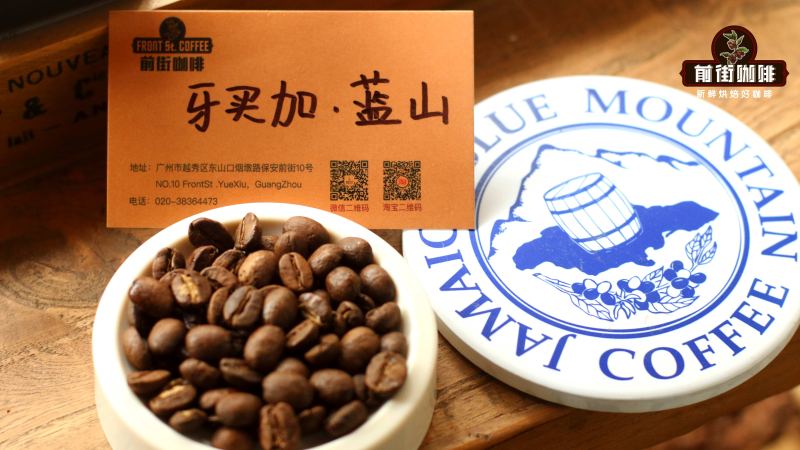
What Makes Blue Mountain Coffee a Specialty Coffee?
Blue Mountain coffee is a specialty coffee grown in Jamaica, defined by its legal growing region, variety lineage, washed processing and medium-dark roasting. Around the turn of the millennium it was portrayed in films and books as a luxury symbol, and its price made it seem out of reach for many ordinary consumers.
The definition of arabica coffee helps explain why. Specialty coffee depends on variety, growing environment such as temperature, soil, sunlight and altitude, plus careful cultivation, manual harvesting, rigorous processing and hand sorting. The article covers pour-over extraction parameters and tasting notes, giving readers the background needed to enjoy a cup in 2025.
Around the turn of the millennium, Blue Mountain coffee was often portrayed in films, TV shows, books, and magazines as a symbol of luxury, with its high price making it seem out of reach for many. So what exactly makes genuine Blue Mountain coffee special? And in 2025, what background knowledge do you need to enjoy a cup? Starting from the definition of specialty coffee, this article will systematically sort out the legal growing regions, variety lineage, washed processing flow, medium-dark roasting approach, and pour-over extraction parameters of Jamaican Blue Mountain coffee, giving you a comprehensive understanding of the true face of this legendary coffee bean, along with Front Street Coffee's hands-on experience and flavor description.
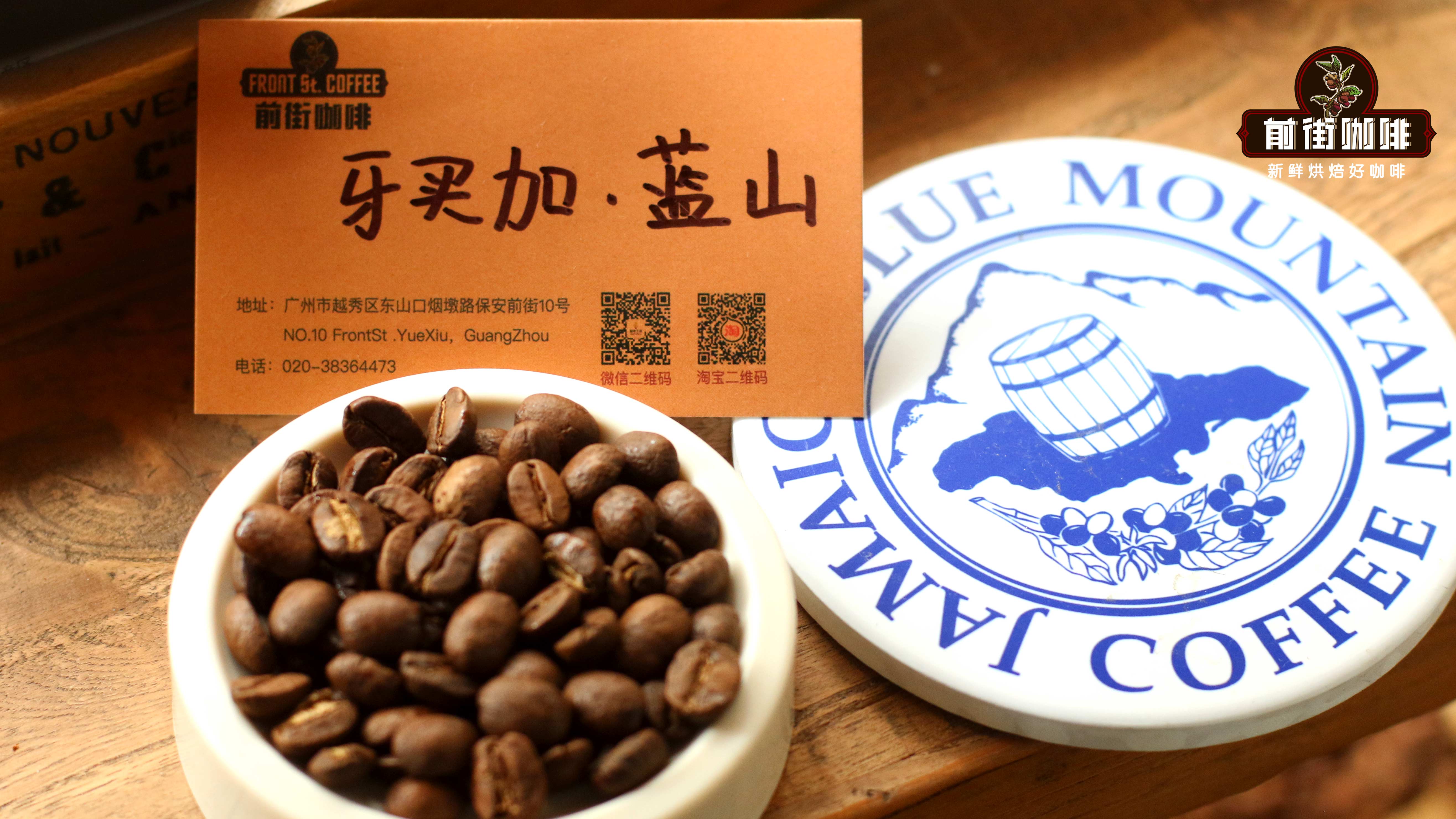
From the late 1990s to the early 2000s, whether in movies, TV, books, or newspapers, Blue Mountain coffee was always packaged as the "1982 Lafite" of the coffee world, and its hefty price tag made it seem like there was an insurmountable threshold between it and ordinary consumers. So, is the legendary Blue Mountain coffee really that precious? Coming to 2025, how much does it cost to drink a cup? Front Street believes many friends are already eager to find out, so without further ado, let's get straight to the point.
First, it must be made clear that Blue Mountain coffee is a specialty coffee produced in Jamaica. The so-called "specialty coffee" refers to coffee made from the highest-quality coffee beans, fully releasing their potential flavors through appropriate roasting methods, and stably extracted under specific conditions. Its scope covers far more than the brewing stage—it runs through numerous details in the entire process from cultivation to serving.
The foundation of specialty coffee can be traced back to the very beginning of coffee's life, including the richness of varieties and the differences brought by growing environments (temperature, soil, sunlight, altitude, etc.). In addition, human factors cannot be ignored: meticulous cultivation, manual harvesting, rigorous processing, and hand sorting are all indispensable components of specialty coffee.
Blue Mountain coffee demonstrates the essence of specialty coffee in every step—from variety, cultivation, harvesting, processing, and roasting to finally reaching the consumer. Front Street Coffee will now briefly discuss the characteristics of Blue Mountain coffee beans.
Blue Mountain Coffee Growing Environment
According to the regulations of the Jamaica Industry Board, only coffee grown in the four regions of St. Andrew, St. Mary, St. Thomas, and Portland, at elevations between 910 and 1,700 meters, is eligible to bear the name Jamaican Blue Mountain Coffee.

Other coffee grown at elevations between 460 and 910 meters can only be called "Jamaica High Mountain Coffee." Those below 460 meters can only be called "Jamaica Prime Coffee" or "Jamaica Low Mountain Coffee."
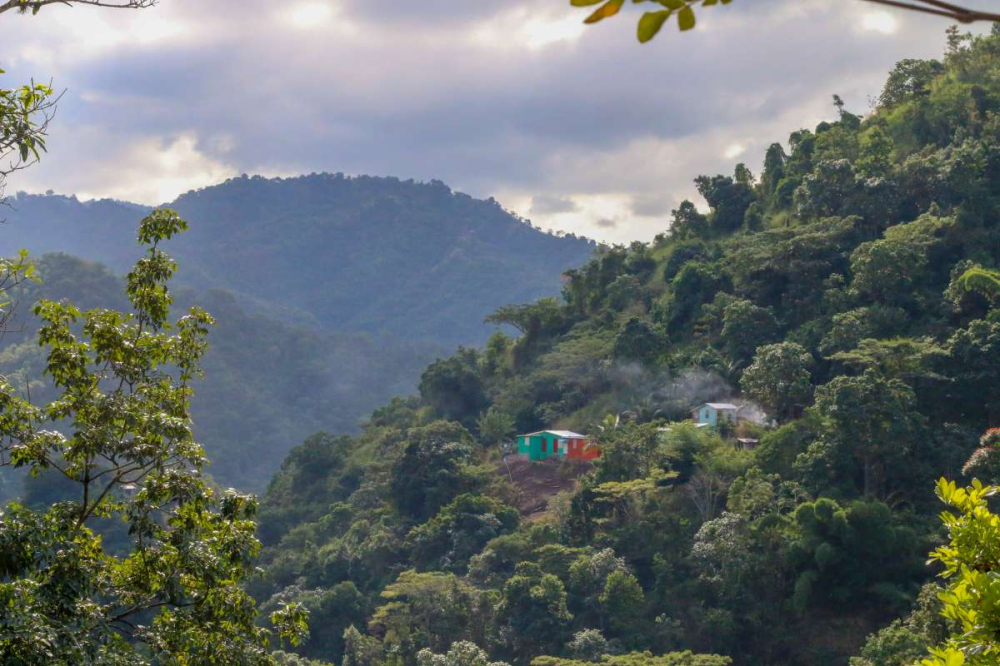
The raw materials used for Front Street Blue Mountain No. 1 coffee beans come from Jamaica's oldest coffee plantation—Clifton Estate, at a growing elevation of 1,310 meters. Because the coffee trees are distributed on relatively steep slopes, harvesting is quite difficult. Clifton Estate specially arranges local women familiar with the terrain to go to high-altitude areas to pick coffee cherries at just the right ripeness, so the coffee quality is outstanding.
Blue Mountain Coffee Variety
Blue Mountain coffee has a 100% pure Arabica lineage—specifically, Typica, the oldest variety in the Arabica family.
This variety was introduced to the Blue Mountain region in the 18th century and began to be cultivated there. After two hundred years of continuous adaptation, Blue Mountain Typica has evolved into an Arabica variety with relatively strong disease resistance. It is not only highly adapted to the local terroir but has also developed a refined flavor that is difficult to replicate elsewhere.
Blue Mountain Coffee Processing Method
Traditional Blue Mountain coffee uses the washed processing method. In 2021, Clifton Estate once launched a naturally processed Blue Mountain No. 1 coffee bean. After cupping and comparing Blue Mountain coffee beans from the two processing methods, Front Street Coffee found that the naturally processed Blue Mountain coffee had less overall balance than the washed one, highlighting berry-like acidity.
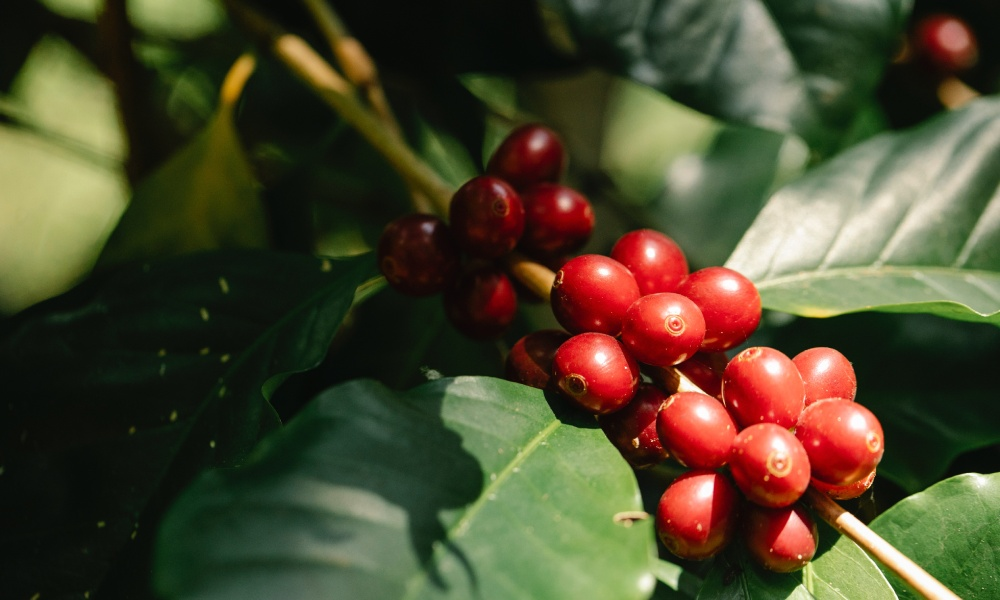
The most prominent characteristic of Blue Mountain coffee is precisely the balanced flavor of acidity, sweetness, and bitterness, along with a rich, solid mouthfeel. Therefore, the Blue Mountain No. 1 coffee beans currently listed by Front Street Coffee use the washed processing method.
The operational process at Clifton Estate is as follows: first, manually remove defective beans from the harvested coffee cherries; then use a machine to remove the outer skin of the coffee; next, pour them into a water tank to ferment for 12 to 18 hours in order to remove the mucilage layer on the surface of the coffee beans. After that, transfer them to a clean tank for repeated scrubbing and carry out a second screening for defective beans. Drain the clean parchment green beans, spread them flat on mesh beds to dry until the moisture content drops to 10% to 12%, and finally store them in wooden barrels in a temperature- and humidity-controlled warehouse. Hulling and quality inspection are carried out before shipment upon order.
Blue Mountain Coffee Roasting Method
In order to highlight Blue Mountain coffee's balanced nutty notes of acidity, sweetness, and bitterness, while restoring a more classic Blue Mountain flavor, Front Street's roaster roasts the coffee beans to a medium-dark level, allowing the coffee to have an obvious rich body while still retaining a hint of soft fruit acidity.
Front Street Coffee uses a Yangjia 800N roaster to roast Blue Mountain coffee beans, with 480 grams charged each time. When the drum temperature rises to 170°C, the beans are put in, the damper is set to 3, and after 1 minute the heat is adjusted to 140°C while the damper remains unchanged; roast until 5 minutes 10 seconds, temperature 153°C, the bean surface turns yellow, the grassy smell completely disappears, dehydration is complete, adjust the heat to 115°C and the damper to 4; at 8 minutes 00 seconds, ugly wrinkles and dark streaks appear on the bean surface, and the toast aroma clearly turns into coffee aroma, which can be defined as the prelude to first crack. At this point, listen carefully for the sound of the first crack. First crack begins at 8 minutes 12 seconds; reduce the heat to 90°C and open the damper fully (adjusting the heat must be done very carefully, not so low that there is no cracking sound), and drop the beans at 201.3°C.
Blue Mountain Coffee Brewing Method
All coffee beans sold by Front Street Coffee are shipped within 5 days after roasting is completed, ensuring that the coffee beans everyone receives have the best flavor and aroma. This is also a key step for a cup of specialty coffee: freshness!
Because the roast level is relatively dark, the substances in the coffee dissolve into water more easily, so Front Street recommends using slightly lower-temperature hot water and extracting coffee grounds ground to a medium-coarse level or coarser. For daily store service, Front Street Coffee uses a Kono dripper, 88°C water temperature, a 1:15 coffee-to-water ratio, 15 grams of coffee, and a grind size of white sugar granules (70% passing through a No. 20 standard sieve).
Pair with staged pouring: pour 30 grams of water in the first stage for blooming, with a blooming time of 30 seconds; pour to about 125 grams in the second stage, then wait for the coffee liquid to drop. When it has dropped by half, pour the final stage of water up to 225 grams. Wait until all the coffee has dripped through, then end extraction. The total extraction time is generally about 2 minutes 10 seconds.
Pour-over "Front Street Blue Mountain No. 1 Coffee" flavor performance: rich black chocolate and nutty flavors, creamy smooth mouthfeel, and balanced acidity, sweetness, and bitterness.
The above content is compiled by CoffeeHunters, a coffee news website.


