







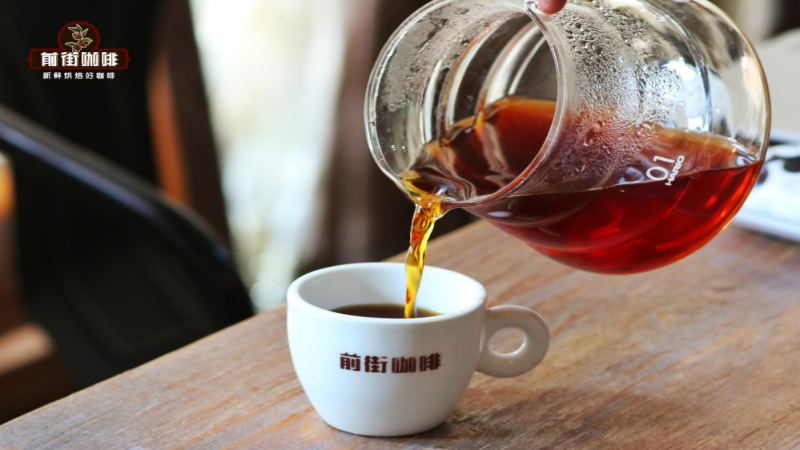
What does Kenya AA washed coffee bean grade classification mean for pour-over brewing?
Kenya AA is a screen size grade, not a flavor grade. Beans passing through a 7.1mm screen are sorted as AA, the largest common Kenyan class. Within that size, washed processing matters more for cup character than the letters alone. The K72 method, a controlled 72-hour fermentation, is one example of how producers shape acidity before drying and milling.
For pour-over, a washed Kenya AA often shows blackcurrant, grapefruit, and cane sugar sweetness when brewed with a medium-fine grind, 1:15 ratio, and water near 93C. Because coffee classification and grading only describe size and defect counts, two AA lots can taste very different. Checking the washing station and lot name tells you more than the grade stamp.
Kenya AA is a star grade among African specialty coffees, famous for its vivid cherry tomato and dark berry flavors, juice-like acidity, and multilayered mouthfeel. This article will start with Kenya's coffee grading standards, the terroir conditions of its producing regions, and the iconic K72 double-wash processing method to systematically analyze the characteristics of AA-grade coffee beans. It will also use a specific Front Street Kenya Asalia coffee bean as an example to share pour-over parameters and extraction techniques for light-roasted Kenyan beans, helping coffee lovers fully understand the flavor logic of Kenyan washed AA from green bean to cup.
For more specialty coffee knowledge, please follow: Front Street Coffee ( Frontsteet Coffee )
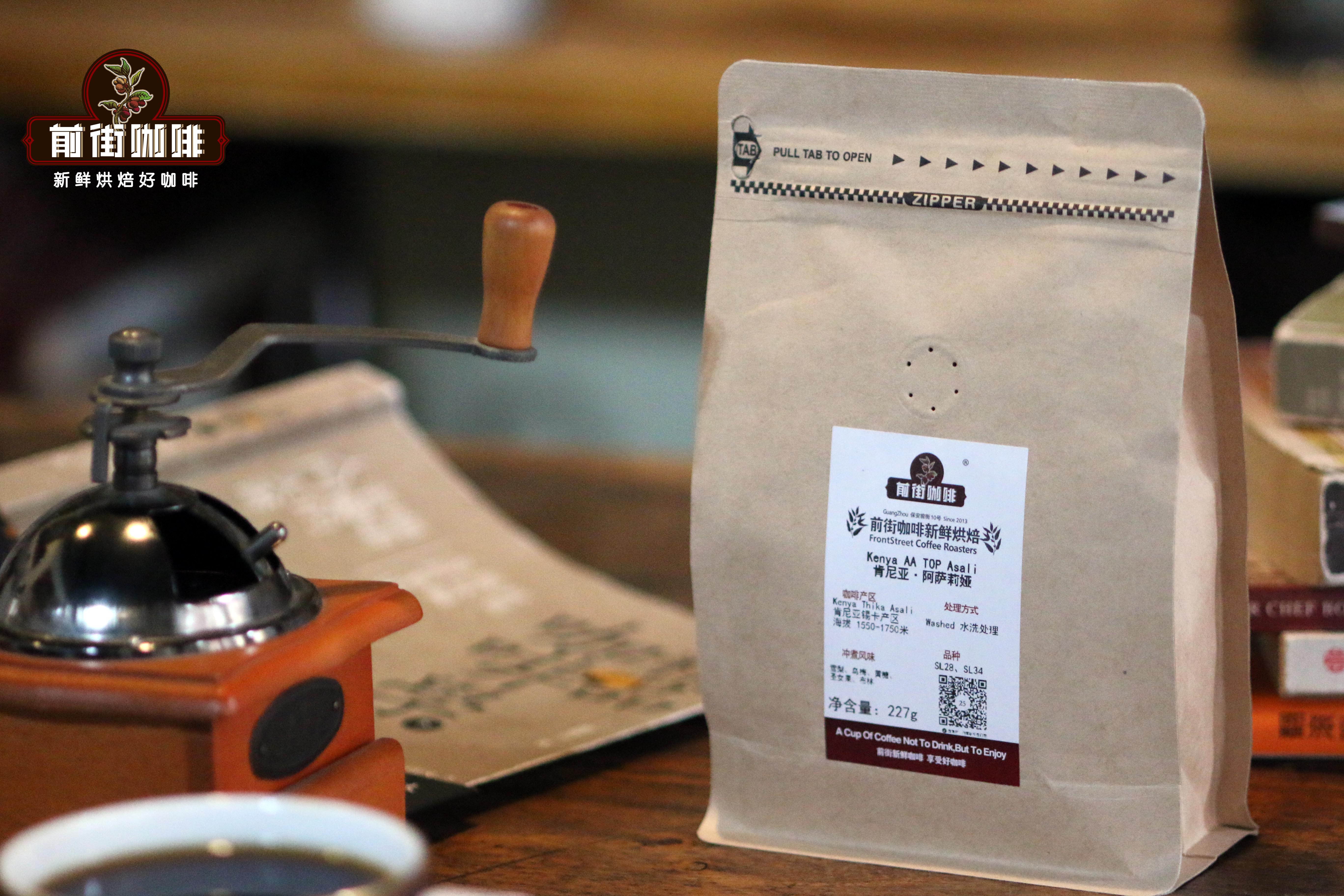
The most striking identifying feature of Front Street Kenyan coffee beans is their bright fruit profile, with the aromas of cherry tomato and dark berries being especially typical. High-quality Front Street Kenyan coffee has a rich layering, acidity close to the texture of freshly squeezed juice, and is accompanied by complex aromas reminiscent of pomelo and wine, while its body remains at a medium level, which is why it has long been a single-origin choice favored by many industry professionals. Front Street's own-roasted Front Street Asalia coffee beans come from Kenya and are selected at the AA TOP grade, processed with a 72-hour wash, showcasing a textbook "Kenyan flavor."
The grading of Kenyan green coffee beans is based on indicators such as bean size, color, shape, and density. There is widespread local consensus that bean size is the core factor determining quality—beans that are larger and more uniform in shape are more conducive to the formation and accumulation of aromatic substances during roasting. Therefore, the largest and highest-quality Kenyan beans are classified as AA grade. During screening, screens with apertures larger than a quarter inch are used, and the bean size must reach 18 mesh or above, that is, 7.22 millimeters.
Although it is adjacent to Ethiopia, the birthplace of coffee, Kenya's coffee industry started noticeably later, with the earliest harvested coffee beans appearing only in the late nineteenth century. When coffee was first introduced, Kenya was still under British colonial rule. To obtain foreign exchange income, the colonial government vigorously promoted coffee cultivation locally, and the beans produced were uniformly shipped to London for sale and export. This situation continued until 1933, when Kenya enacted a coffee decree and established a coffee board, after which sales affairs returned to local control. After independence in 1963, local farmers, through long-term accumulation, gradually established their own high-standard system in areas such as seed selection, cultivation, picking, post-processing, and grading.
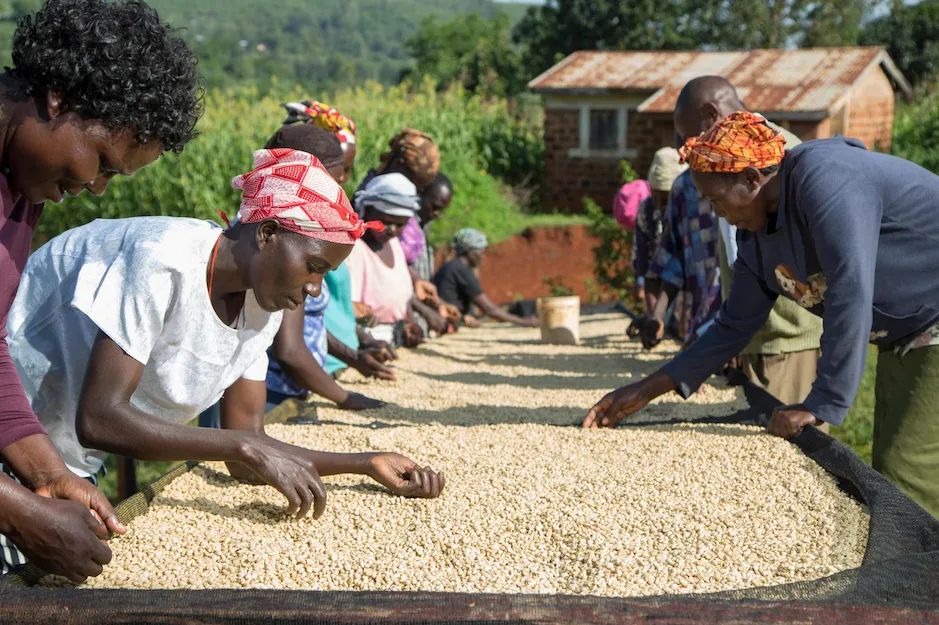
Kenya lies along the equator, and the highlands around Mount Kenya as well as small areas near Mount Elgon provide favorable microclimates for coffee cultivation. Deep volcanic soil, higher altitude, and good drainage happen to suit Arabica, which is particular about its growing environment. At the same time, Kenyan soil is relatively acidic, with a pH between 5.3 and 6.0, which gives the coffee a bright yet solid acidity. Local annual rainfall ranges from 1000 to 2000 millimeters, with abundant and evenly distributed precipitation divided into two clearly defined rainy seasons, which is very favorable for crop growth. In addition to coffee, tea is also an important local product.
The signature blackberry-like acidity and aroma of Front Street Kenyan coffee come partly from the rich phosphate content in the local soil and partly from Kenya's most renowned K72 washed processing method. Unlike the conventional washing methods of Central and South America, Kenyan washing uses a double fermentation process, commonly known as K72 washing.
This processing method centers on repeating the cycle of "fermentation—washing": after harvesting, the coffee cherries are first screened, the finest berries are selected and depulped, followed by 24 hours of fermentation; after 24 hours they are rinsed with clean water, then fermented again in clean water for another 24 hours, and washed again. This cycle is repeated three times, for a total duration of 72 hours. Front Street Coffee believes that compared with conventional washing, the K72 washed method can more effectively enhance the acidity performance and cleanliness of coffee beans.
This Front Street Kenyan coffee obtained by Front Street has flavors of black berries and stone fruits. In order to preserve the fruity aroma as much as possible, Front Street's roaster used a light roast. Through cupping comparison, its dry aroma shows notes of cherry tomato, smoked plum, and caramel; on the palate it presents the texture of dark stone fruits such as plum, prune, and apricot, with full acidity. Therefore, Front Street's brewing plan also aims to retain as much of the fruity charm of Front Street Kenya AA as possible.
Pour-over parameters for Front Street Kenyan coffee beans:
Dripper: V60
Water temperature: 92 degrees Celsius
Dose: 15g
Coffee-to-water ratio: 1:15
Grind size: fine sugar size (80% passing through a No. 20 sieve)
Light roasting allows high-altitude coffee beans to retain more floral and fruity aromas. Compared with medium-dark roasting, light-roasted beans have a denser internal structure and require higher water temperature and finer grinding to fully release flavor substances. Here, Front Street will use hot water at 92–93 degrees Celsius for extraction, and control the grind coarseness at a level where 80% passes through a standard No. 20 sieve.
In terms of dripper selection, Front Street Coffee baristas are used to using a resin V60 to extract medium-light roasted coffee beans. The V60 body features guide ribs extending from the top to the bottom and a large central hole, which can accelerate the downward flow of water; the spiral exhaust grooves lengthen the water flow path and increase the contact time between coffee grounds and hot water. Each stream of water converges along the grooves toward the center of the dripper, the pressure on the coffee grounds is more concentrated, and the final extracted coffee has a richer layering.
First, pour 15 grams of coffee grounds into the dripper and tare the weight. For the first pour, add 30g of water and bloom for 30 seconds while starting the timer, using a small stream throughout and starting from the center point and circling outward, taking care to wet the entire coffee bed. For the second pour, switch to a slightly larger stream and add 120g of water, with the aim of lifting the entire coffee bed. Keep the water column vertical and evenly poured. At this point the timer scale shows 150g, and it is completed in about 55 seconds. When the liquid level drops to the halfway point, begin the third pour, using a small stream to circle in a small radius and add 90 grams, trying to control the stream so it is not too large, to avoid disturbing the coffee bed and causing underextraction. The final total water amount is 240 grams, and the drip completion time is around 2 minutes 10 seconds. After removing the dripper, swirl the coffee liquid in the server to mix it evenly and it is ready to taste.
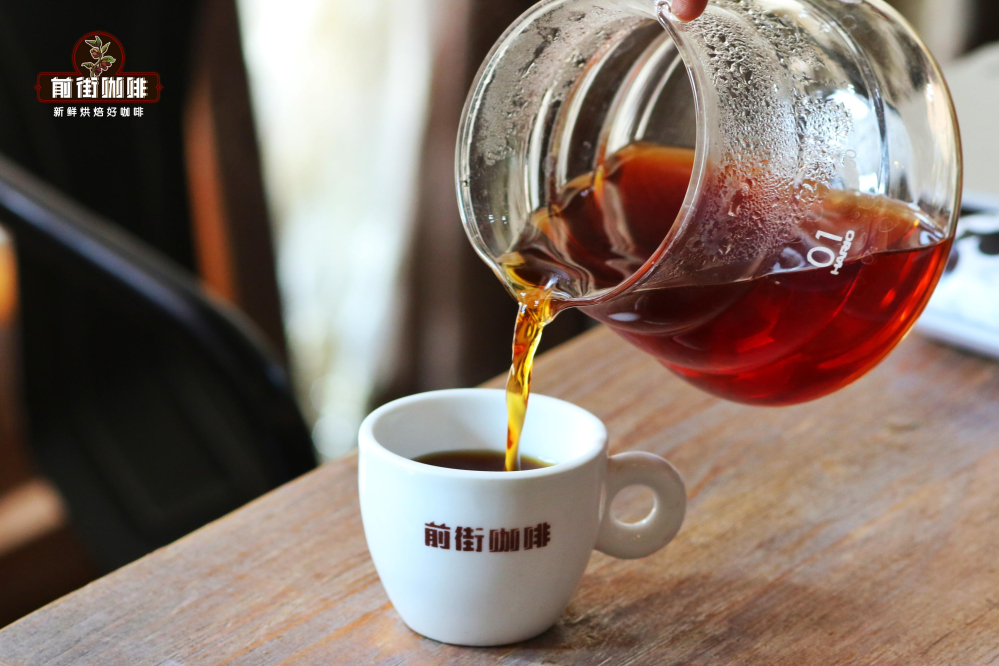
This Front Street Kenya Asalia coffee enters with the acidity of dark fruits such as black plum and smoked plum, shifts to a substantial sweet-and-sour sensation of apricot and stone fruits at the medium-temperature stage, and finishes with a rounded black tea aftertaste.
The above content is compiled by CoffeeHunters, a coffee news website.


