







What Are the Core French Press Coffee Brewing Parameters?
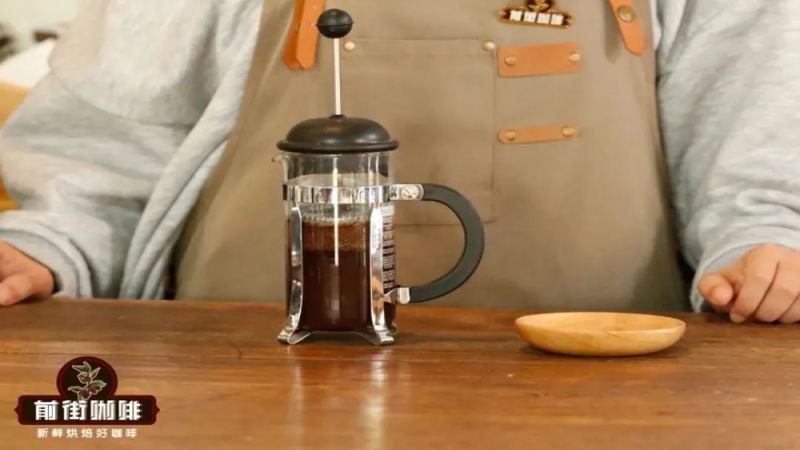
French press coffee brewing comes down to four settings: grind size, steeping time, water temperature, and the coffee-to-water ratio. Aim for a coarse grind roughly the texture of coarse granulated sugar, steep for about four minutes, use water around 90 to 96 degrees Celsius, and start near a 1:15 ratio of coffee to water.
The coarse grind gives more room for error and limits the fine particles that slip past the metal filter and turn the cup bitter and astringent. Adjust by roast level: darker beans usually take slightly cooler water and a shorter steep, while lighter roasts tolerate hotter water. Clean the plunger and filter after each use to avoid stale oils.
The French press is arguably the most hassle-free coffee brewing tool—it requires no refined pouring technique and no mastery of complex variables, making it the first choice for many coffee lovers who prefer to keep things simple. However, the simpler the equipment, the easier it is to stumble on the details—how coarse should the grind be? How long should it steep? What water temperature? How to set the coffee-to-water ratio? If these questions aren't sorted out, the coffee you brew may turn out bitter and astringent. Drawing on Front Street's hands-on experience, this article breaks down the four core parameters of French press brewing one by one, offers specific recommendations for coffee beans of different roast levels, recommends several Front Street coffees that perform well in a French press, and concludes with daily cleaning and maintenance tips to help you use this "lazy person's pot" to professional standards.
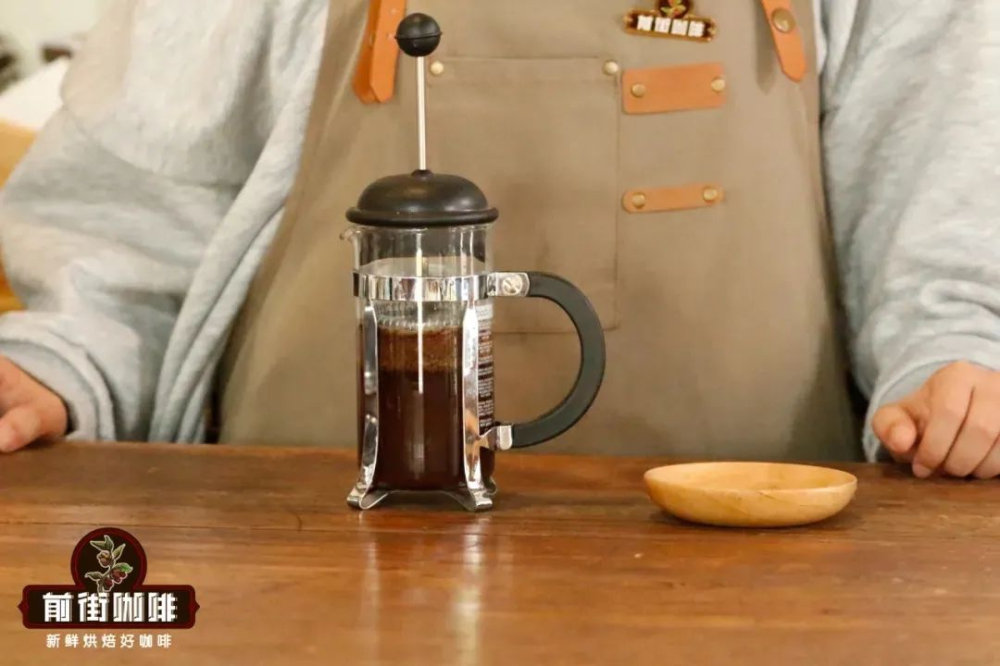
Among all kinds of brewing equipment, the French press has arguably the lowest barrier to entry—no need to practice pouring technique, no need to fuss over a pile of variables, so when people can't be bothered to tinker, it's the first thing many of them think of.
The French press originated in France and has a simple structure: a cylindrical container plus a lid, with a metal filter attached to the center of the lid that can be pulled up and down, separating the coffee grounds from the liquid to control the degree of extraction. Its working principle is actually similar to brewing tea—after the hot water and coffee grounds steep for a period of time, you press the plunger down and filter out the coffee. Although making coffee with a French press is indeed effortless, Front Street often receives feedback from friends saying their French press results are always a bit disappointing.
How coarse should the grind be? How long should it steep? How hot should the water be? What ratio?
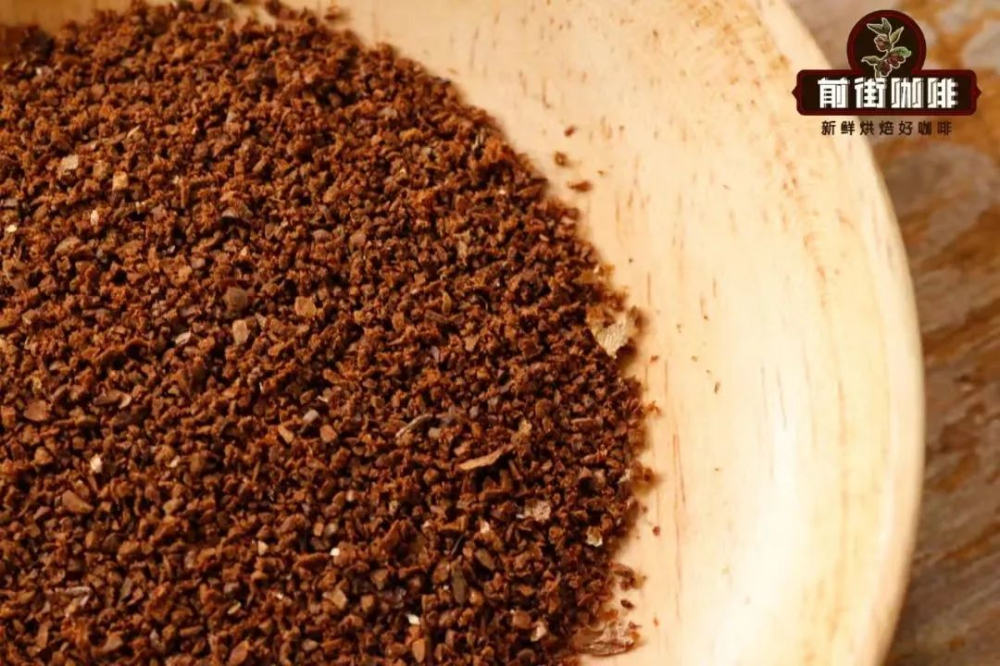
Flip through common French press tutorials and they almost all recommend a coarse grind. Front Street's suggestion is: using the Chinese No. 20 standard sieve as the benchmark, keep the pass-through rate at around 70%, that is, particles the size of coarse granulated sugar.
Using a coarse grind has two advantages: first, there's more room for error during extraction; second, it's less likely to produce extremely fine particles. The metal filter of a French press typically has pores between 80 and 300 microns—you can see with the naked eye that the mesh isn't small, and fine particles easily pass through, mixing into the coffee liquid and making the whole cup cloudy. Of course, if you're after a richer layering, you can also try a finer grind, but remember to shorten the steeping time accordingly to avoid over-extraction.
Steeping time is one of the few variables on a French press that can be adjusted flexibly. Since there's no manual stirring involved, steeping time becomes the key factor determining the extraction rate. Under otherwise identical conditions, the longer you steep, the heavier the flavor usually is, but it's also more prone to over-extraction, bringing out bitterness, astringency, even a woody taste. Paired with a coarse grind, Front Street recommends steeping medium-light roasts for about 4 minutes; medium-dark roasts release bitterness more easily, so 3 minutes 30 seconds is enough. This time range extracts the positive flavor compounds fully while avoiding the bitter, astringent off-flavors that come from steeping too long.
A French press completes extraction in a single pour, and the water temperature gradually drops over time, so the starting temperature needs to be slightly higher than for pour-over. When brewing medium-light, acidic coffees, you can use water at 92–94°C; for medium-dark, bitter-toned coffees, it's recommended to drop to 89–90°C. In autumn and winter when room temperature is low, you can preheat the French press with boiling water first to reduce heat loss during extraction.
When it comes to adjusting concentration, you can't avoid the coffee-to-water ratio. Front Street usually recommends 1:16—for example, if you weigh out 15 grams of coffee grounds, that corresponds to pouring in 240 milliliters of water. Coffee brewed at this ratio has a concentration of roughly 1.1% to 1.2%, a very comfortable range. If you prefer a richer mouthfeel, you can also switch to 1:15.
"Can this bean be brewed in a French press?"
Many customers, after choosing their coffee beans, come to ask Front Street whether they can brew them in a French press. In principle, a French press works for any coffee bean that can be made as pour-over, but its extraction method is a static immersion style—the oils give the coffee a more pronounced heaviness, and the flavor profile leans rich, full-bodied, and balanced, so it's better suited to showcasing coffees of medium-dark roast or darker. For example, for floral and fruity coffees you can choose Front Street Strawberry Candy Coffee, Front Street Mozart Coffee, Front Street Sidra Coffee;
if you prefer rich nutty flavors, Front Street Queen's Estate, Front Street Golden Mandheling, and Front Street Huilan are recommended. All the above coffee beans can be purchased at the Front Street Tmall flagship store or the Front Street Taobao store, and orders are shipped within 24 hours.
"Lazy people" shouldn't forget to clean and maintain their equipment either
After long use, the metal filter of a French press will absorb and accumulate the oils released by the coffee. Once the oily residue left on the filter and plunger rod oxidizes and deteriorates, it will affect the taste of the next use. So every time you finish using the French press, be sure to clean it promptly. When cleaning, take apart all the metal components; whether it's the carafe or the parts, wash them with detergent, and dry them thoroughly or let them air-dry before storing.
To learn more about specialty coffee, welcome to follow: Front Street Coffee
The above content is compiled by CoffeeHunters, a coffee news website.


