







What defines Yunnan coffee regions and its main varieties?
Yunnan coffee began in 1892, when a French missionary planted the first coffee seed in Zhukula Village, and the province is now China's most representative growing region. West and south Yunnan lie between 15 degrees north latitude and the Tropic of Cancer, mostly above 1,000 meters, with mountainous terrain and a climate suited to Arabica. Main varieties include Typica and Catimor.
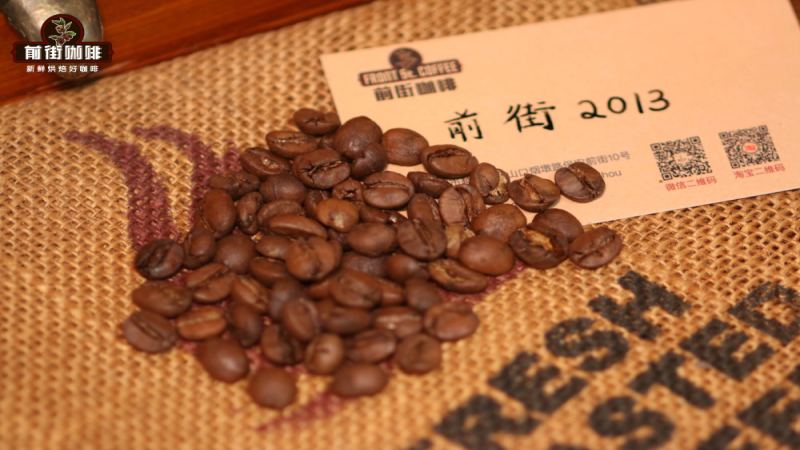
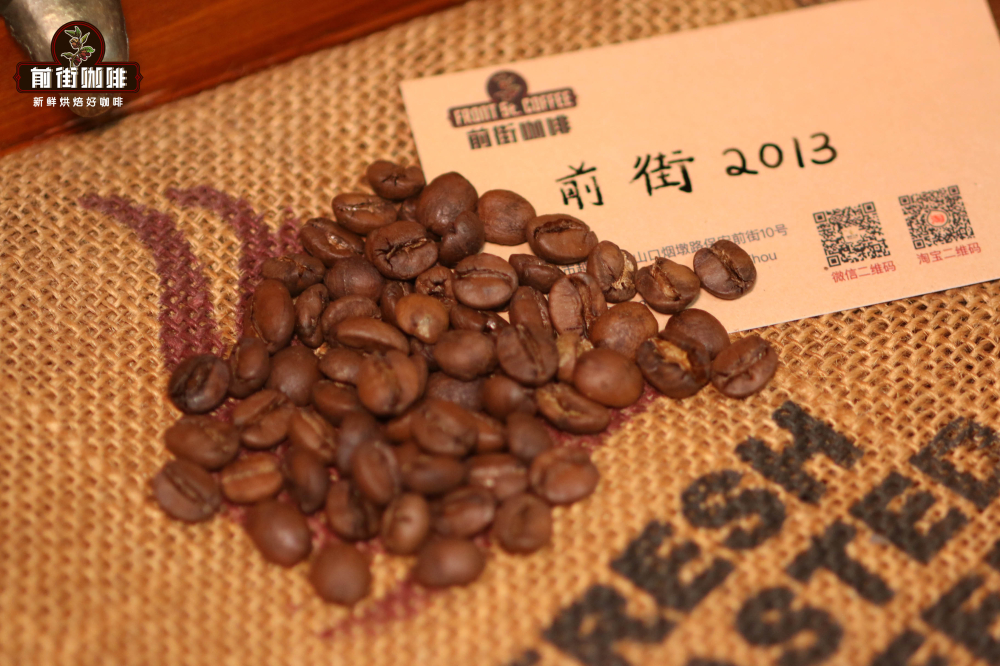
Many old trees in Zhukula are more than eighty years old, and newer plantations plus partnerships with global coffee companies have kept yunnan coffee in the international spotlight. The article uses Front Street's 2013 Typica coffee from Lincang as an example, sharing cupping flavors and a pour-over extraction plan, alongside notes on processing methods and how typica coffee differs in the cup.
Yunnan, as China's most representative coffee-growing region, has garnered increasing attention in the international market in recent years. Since 1892, when a French missionary planted the first coffee seed in Zhukula Village, Yunnan coffee has undergone more than a century of development. This article will explore Yunnan coffee from aspects such as its historical origins, geographical advantages, main cultivated varieties, processing methods, and brewing parameters, with a focus on introducing the characteristics of the Typica and Catimor varieties. Using Front Street's 2013 Typica coffee beans from the Lincang production area as an example, it will share specific cupping flavors and pour-over extraction plans, providing coffee enthusiasts with a relatively comprehensive reference guide to Yunnan coffee.
In China, coffee has long been regarded as a foreign beverage, as Chinese people have no tradition of drinking coffee since ancient times; it was introduced from the West. However, although coffee originated overseas, coffee culture has been nurtured on this land for over a hundred years. Yunnan, known as the "South of Colorful Clouds," is precisely the most renowned coffee-growing region in the country, with dozens of coffee-producing areas of various sizes. Coupled with newly established plantations in recent years and collaborations with global coffee giants, Yunnan coffee has continuously gained attention. So, what development journey has Yunnan coffee undergone? Let's talk about it below.
History of Yunnan Coffee
According to historical records, the story of Yunnan coffee began with a French missionary. In 1892, he went to Yunnan for missionary activities. Due to his own need to drink coffee, he planted a coffee seed in a village called Zhukula in Yunnan, thus beginning the history of coffee in Yunnan. After the coffee was successfully cultivated, more coffee trees were bred. Driven by this, Zhukula Village gradually began large-scale coffee cultivation. To this day, the village still retains a large number of coffee trees, many of which are over eighty years old.
Yunnan's Geographical Environment
Yunnan Province is located in a suitable zone for coffee cultivation, especially in the west and south, which lie between 15 degrees north latitude and the Tropic of Cancer. The altitude is mostly above 1,000 meters, and the terrain is mainly mountainous with明显 undulating slopes, providing superior natural conditions for coffee cultivation. Fertile soil, abundant sunshine, ample rainfall, and large temperature differences between day and night collectively contribute to the local coffee's style of rich aroma, high body, and a slight fruity acidity.
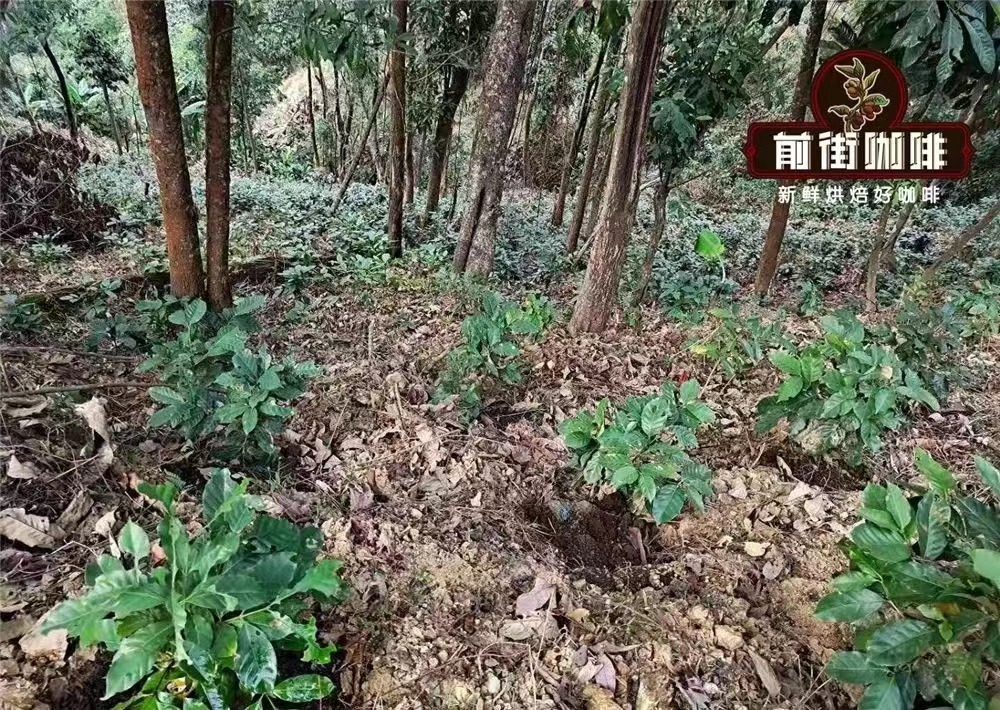
The coffee grown in Yunnan belongs to the ancient Arabica variety. Due to its smaller bean shape, it is also called Yunnan small-bean coffee. Coffee trees are mostly planted in high mountain areas above 800 to 1,000 meters. Altitude has a direct impact on coffee quality—too high leads to prominent acidity, while too low results in heavier bitterness. Yunnan coffee is mainly grown in dry-hot river valley areas at about 1,100 meters. The moderate altitude, mild climate, and sufficient rainfall give Yunnan coffee balanced acidity, rich aroma, and a mellow taste.
Coffee Varieties
The coffee varieties planted in Yunnan are quite diverse, including Typica, Bourbon, Catimor, SL28 (a Kenyan star variety), Geisha (less cultivated), etc., but overall, Catimor and Typica are the two most common varieties.
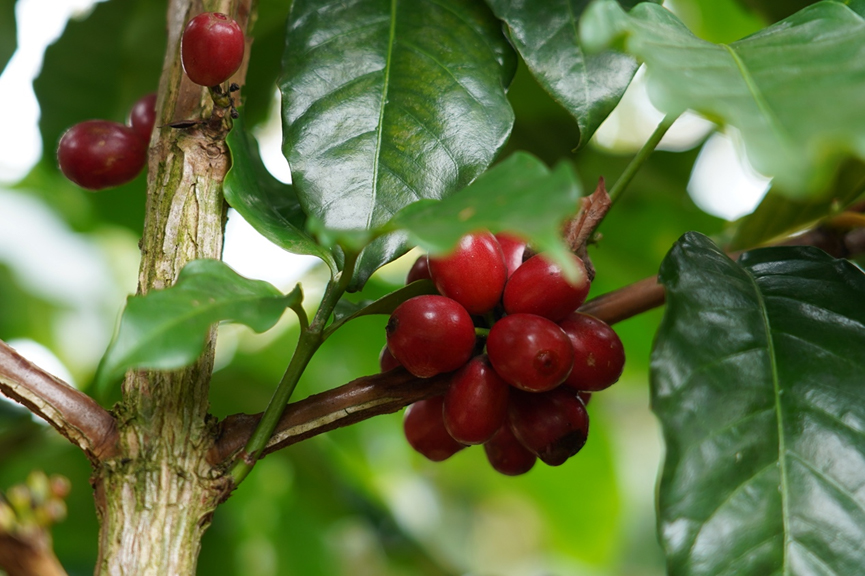
Typica: It is one of the oldest Arabica varieties, the other being Bourbon. Typica trees grow upward with branches, and the new leaves at the tips are copper-colored, which is an important marker for identifying this variety. Typica is a rare coffee variety with pure lineage. The beans are slender and pointed, and the flavor is very elegant with rich fruity notes. However, it has poor resistance to leaf rust and low yield. Among Yunnan's production areas, the Typica produced in Baoshan is particularly outstanding in quality.
Catimor: It is a hybrid variety, developed in 1959 by crossing Caturra and Timor to obtain a coffee variety with stronger disease resistance. It is currently one of the main varieties grown in Yunnan and an important source of commercial beans. Catimor has a mellow taste with a sweetness similar to brown sugar.
Processing Methods
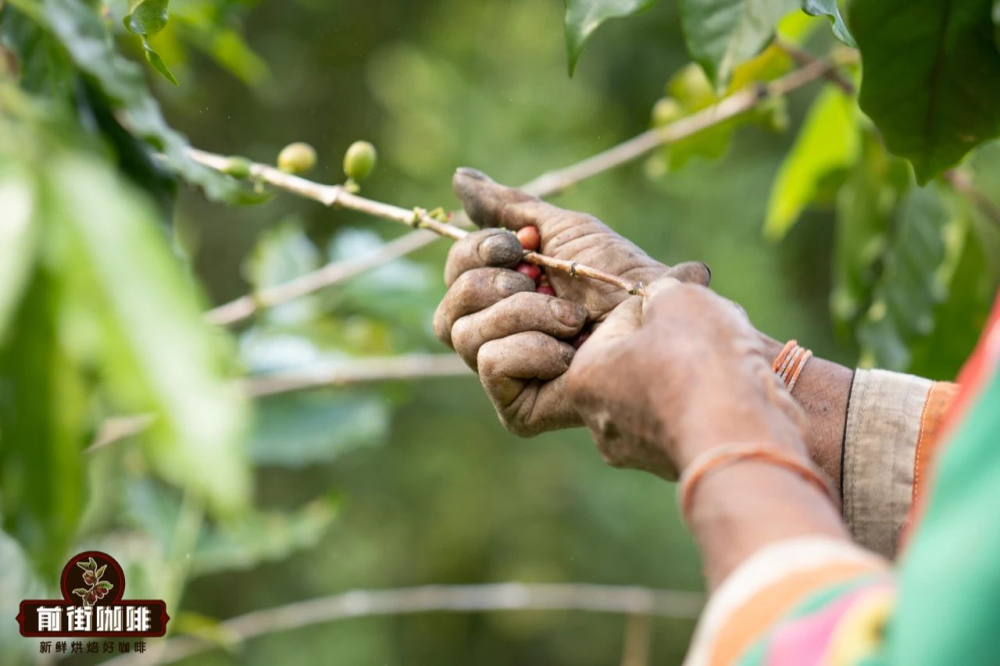
This batch of coffee beans was processed by Front Street using the natural sun-dried method, with all beans hand-picked. Because the coffee trees grow on steep slopes, picking is quite difficult. Front Street only selects ripe red coffee cherries, which are then spread flat on iron mesh drying beds for sun drying. Yunnan's weather is changeable, and the sun-drying process takes at least one month. After the coffee cherries are dried, they are transported to Front Street's roasting factory in Qingyuan for hulling. As the most traditional processing method, sun-drying can fully preserve the sweetness of the coffee in terms of flavor.
Coffee Cupping
Yunnan Front Street 2013 Typica Coffee Beans
Region: Yunnan Lincang
Variety: Typica
Altitude: 1,300 meters
Processing Method: Sun-dried
Flavor: Brown sugar, plum, prune, chocolate
Brewing Parameters
Filter: kono Water-to-coffee ratio: 1:15 Dose: 15 Water temperature: 88° Grind size: BG-6L (standard No. 20 sieve pass rate 80%) Three-stage extraction
First, bloom with 30g of water for 30 seconds, then pour in a small stream in a circular motion up to 120g for the first stage. Observe the water level dropping. When the water level drops to half, proceed with the third pour, switching to a larger stream and pouring until 225g, then stop. Wait for the coffee liquid to finish dripping, then remove the filter. Control the extraction time at 2:00.
Front Street 2013 Typica coffee bean flavor characteristics: candied fruit sweetness, plum, yellow sugar, chocolate.
For professional coffee knowledge exchange and more coffee bean information, please follow Coffee Workshop (WeChat public account: cafe_style)
For more specialty coffee beans, please add the private WeChat of Front Street Coffee (FrontStreet Coffee), WeChat ID: qjcoffeex
The above content is compiled by CoffeeHunters, a coffee news website.


