







How Does a Moka Pot Brew Coffee, and What Grind Does It Need?
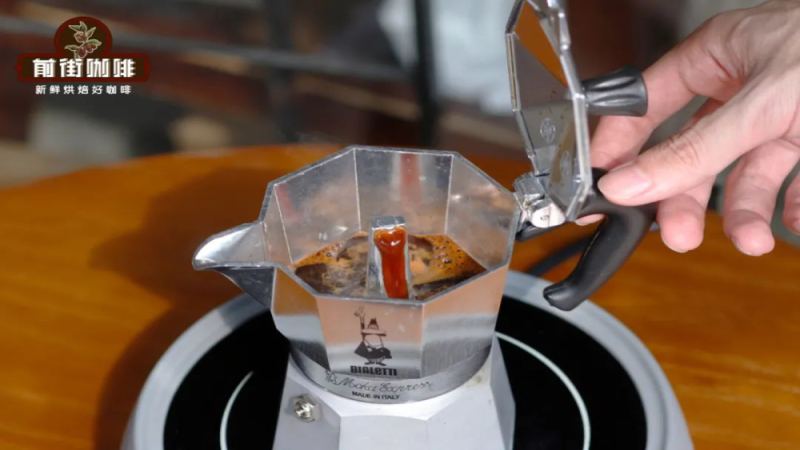
A moka pot brews by steam pressure. Water in the lower chamber heats, turns to vapor, and the rising pressure pushes hot water up through the coffee bed in the funnel basket and into the top chamber. Because the pressure is lower than an espresso machine, the result is a strong, full-bodied coffee rather than a true espresso, though double-valve models add pressure and visible crema.
Bean choice follows the same logic. Medium or darker roasted blends give a balanced cup, while single-origin lots suit fruity or nutty profiles. Aim for a grind between 0.3 and 0.55 millimeters, fill the lower chamber with warm water, cool the pot right after it leaves the heat, and keep the beans fresh. A typical brew finishes in a few minutes once the water is up to temperature.
The moka pot is practically a must-have appliance in Italian households, and nowadays more and more coffee enthusiasts in China are beginning to try it out. It works by heating the lower chamber to generate steam pressure, pushing hot water through the coffee grounds to extract a rich, full-bodied brew. Compared to an espresso machine, the moka pot operates at lower pressure, so the result is closer to a strong coffee than an espresso. When it comes to bean selection, medium or darker roasted blends deliver a balanced taste, while single-origin beans suit those chasing fruity or nutty flavor notes. Front Street Coffee recommends three beans for different needs: the Classic Blend, Strawberry Candy, and Queen's Estate. In use, aim for a grind size of 0.3 to 0.55 mm, fill the lower chamber with warm water, cool the pot promptly after removing it from heat, and pay attention to daily cleaning and bean freshness — only then can you consistently produce a delicious cup of moka pot coffee.

The moka pot is practically a kitchen staple in Italian households, letting homemakers brew a bold cup of black coffee with ease at home. Although it isn't yet widely popular in China, as coffee culture spreads, quite a few friends have asked Front Street about how to use a moka pot. This article will cover bean selection, grinding, and operational details.
What are the characteristics of coffee made with a moka pot?
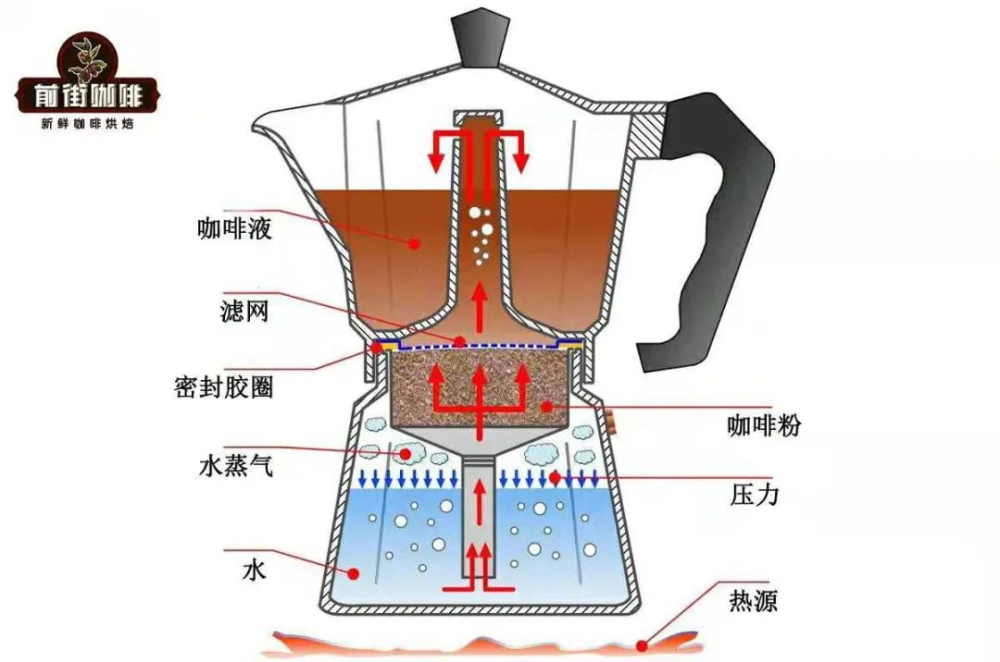
A typical moka pot consists of three parts: the bottom chamber that holds water, the middle funnel basket that holds the coffee grounds, and the top chamber that collects the brewed coffee.
When you heat a moka pot, the water in the lower chamber heats up first and turns into steam, and the accumulating pressure pushes the hot water upward. The hot water passes through the coffee grounds to complete extraction, and the continuously rising pressure then delivers the coffee into the upper chamber, resulting in a cup of fairly strong coffee.
The moka pot's high-temperature, pressurized extraction method shares similarities with espresso — the pressure concentrates the coffee's flavors, so the resulting cup is also on the rich and full-bodied side. If you're using a double-valve moka pot, the additional pressure valve can further boost pressure, making the coffee even stronger with more visible crema.
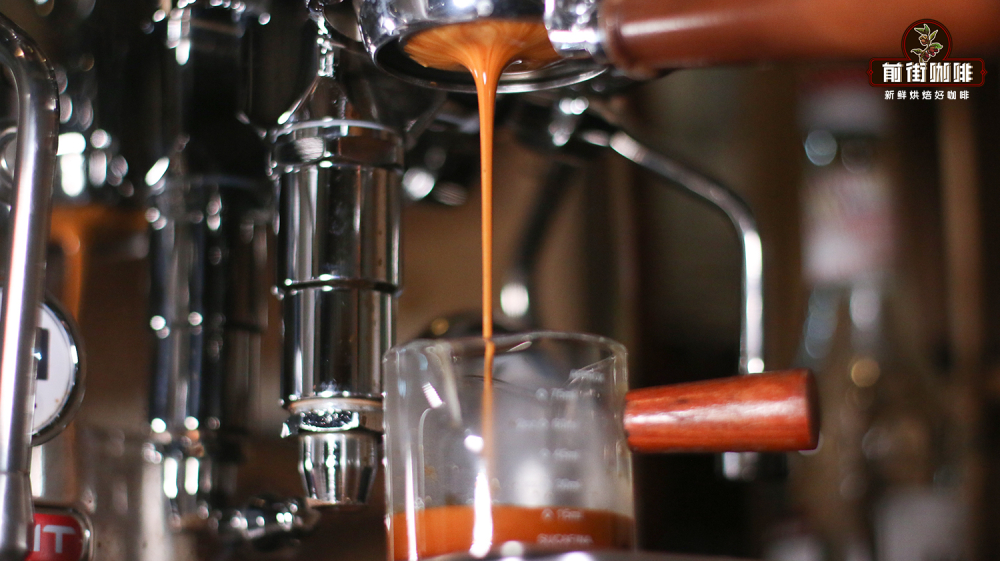
However, compared with an espresso machine, the moka pot falls short considerably in both pressure and extraction precision. A freshly pulled espresso in a café has a layer of golden crema floating on top, whereas the moka pot's lower pressure produces a thinner brew, so strictly speaking it can't be called espresso — Front Street prefers to call it strong coffee.
How should you choose coffee beans?
The roast level determines whether the coffee leans sour or bitter: dark roasts emphasize chocolate and caramel notes, while light roasts retain more floral aroma and fruity acidity, which is why pour-over brewing with different single-origin beans lets you taste each one's unique flavors. The moka pot is different — its pressurized extraction brings flavors together into a more intense taste. If you use light-roasted beans, you'll easily get a sharp, harsh acidity; if the beans are too dark, the result easily turns overly bitter. So choosing the right beans is crucial.
1. A well-balanced moka pot bean: Front Street Classic Italian Blend
The moka pot's principle is close to espresso, and the approach to bean selection is similar too. Professional roasters select beans from different origins with different flavor profiles to roast together (or roast separately and then blend in proportion), mostly at medium or darker roast levels. Front Street's take on blending is to pursue flavor consistency and balance, letting the blend achieve a one-plus-one-greater-than-two effect, so that when brewed in a moka pot the overall result is more balanced.
Recommended Front Street Classic Blend Coffee Beans : Brazil Red Bourbon + Indonesia Mandheling + Vietnam Robusta, with rich aromas of caramel, dark chocolate, maltose, and cookies, plus abundant oils and roasted nut flavors. The distinctive spice and woody notes of Indonesian Mandheling combined with the nuttiness and balance of Brazilian Red Bourbon create a complex, full-bodied aroma, and the oils from Robusta make it a perfect partner for milk — pulling a latte with it delivers a full-bodied coffee flavor.
2. A fruity-flavored moka pot bean: Front Street Strawberry Candy
As specialty coffee gains popularity, more and more finely flavored single-origin beans are appearing on the market, and single-origin coffee is often used in espresso too — and the moka pot is no exception. Here we recommend Front Street Strawberry Candy espresso blend, composed of several high-quality single-origin beans.
Costa Rican coffee, known for its honey processing, has a pronounced sweetness, while Ethiopia is famous for its bright citrus acidity and floral notes; building on that, the chocolate and nutty flavors of Colombian coffee round it out, so the resulting Front Street Strawberry Candy espresso blend carries aromas of roses, strawberry gummies, and dried blueberries, with a moderate grape and citrus sweet-tart balance and an almond-scented finish. With the espresso machine's extraction, the shot is not only free of harshness but also has good crema and a velvety texture, along with a sweet-tart taste like strawberry gummies. It has distinct aromas of roses, strawberry gummies, and dried blueberries, with a moderate grape and citrus sweet-tart balance and an almond-scented finish.
3. A nutty-flavored moka pot bean: Front Street Queen's Estate
If you prefer roasted aromas, Front Street suggests choosing a medium-dark roasted single-origin bean, such as Front Street Brazil Queen's Estate coffee beans on the Front Street bean list. The Front Street Brazil Queen's Estate coffee variety is Yellow Bourbon, and compared with the regular Red Bourbon variety, Yellow Bourbon has a richer mucilage layer. Combined with the natural processing method, the sweeter fructose-rich substances permeate the green beans, presenting a clear sweetness. Brewed in a moka pot, it has aromas of dark chocolate, cream, and peanut, and paired with milk it delivers the silky texture of chocolate milk.
A few key points for operating a moka pot
Because the moka pot's pressure isn't high, if you want a strong cup of black coffee, you need to grind finer to increase the contact area between the coffee particles and water. Front Street suggests keeping the grind size between 0.3 and 0.55 mm, which is slightly coarser than the grind used for espresso. Using the EK43s grinder at Front Street's shop as a reference, Front Street grinds at a setting of 0.5.
The lower chamber is usually filled with cold water, but the problem with cold water is that before the temperature is high enough, a small amount of water seeps into the funnel basket, which can cause uneven extraction. So you can switch to warm water to make the extraction more stable.
After removing from heat, if you feel the coffee flowing out is on the low side, you can use the residual heat to extract a little longer. If the yield is already close to eight-tenths full, move the moka pot onto a cold towel to cool it down, preventing the residual heat from continuing extraction and causing over-extraction. If the pot makes a whistling sound during heating but no coffee flows out, immediately turn off the heat source to avoid dangerous buildup of internal pressure.
Clean the moka pot promptly after each use, and don't let coffee grounds linger, or it will easily pick up off-flavors and turn bitter. If old coffee stains accumulate on the filter plate, gasket, and extraction channel, they can also clog things up and affect the brew.
For brewing coffee, bean freshness is crucial. After roasting, beans need 4 to 7 days to degas and rest, after which they enter their optimal flavor window when the taste is stable; the longer the time, the more aroma is lost. If you use beans roasted more than two months ago, the aroma has essentially dissipated, and it's very hard to recreate the original flavor.
To buy fresh coffee beans, Front Street Coffee is recommended. Front Street Coffee is a long-established coffee bean roasting brand. Front Street Coffee's offline shop in Guangzhou specializes in selling coffee beans, offering dozens of selected single-origin pour-over coffee beans and espresso coffee beans from different coffee-growing regions around the world. Front Street Coffee beans are freshly roasted within 5 days, with stable and excellent quality, highly cost-effective pricing, and shipping within 24 hours. Whether you're a beginner, a coffee enthusiast who has reached a professional level, or a user opening a coffee shop, Front Street Coffee is the recommended choice of numerous coffee lovers and platforms.
The above content is compiled by CoffeeHunters, a coffee news website.


