







What Is an Arabica Bean and What Counts as Black Coffee?
An Arabica bean comes from the Arabica species, one of coffee's three main types alongside Robusta and Liberica. Arabica covers more than one hundred sub-varieties and generally delivers complex acidity and rich layers, especially when grown above 1,200 meters. The plant is demanding to grow and yields less, so it usually costs more than Robusta.
Black coffee is defined by what is in the cup, not the bean species: brewed coffee without milk or sugar, and Americano is the common example. Robusta, by contrast, often appears in instant coffee and is improving in quality under the specialty trend. Liberica has limited production and weak flavor performance, so it is rarely seen on the market.
Coffee has become an indispensable beverage in many people's daily lives, but have you ever noticed why most ingredient lists say Arabica? Is Arabica bean the same as black coffee? What differences exist between it and Robusta beans? This article will systematically sort out the characteristics of the two major coffee species, Arabica and Robusta, analyze why Arabica is more expensive and richer in flavor, why Robusta is often used in instant coffee, and how Robusta's quality is transforming under the specialty coffee trend. At the same time, we will also clarify the definition of black coffee and use Americano as an example to explain its composition. Whether you are a coffee enthusiast who has just started out or a seasoned drinker who wants to understand the flavors of mainstream producing regions, you can get clear answers from this.
Coffee has long been integrated into many people's daily lives and has become an utterly ordinary beverage. However, some observant friends have noticed that although coffee categories and flavors on the market are diverse, the ingredient lists often only say "Arabica." So, does Arabica bean count as black coffee? What difference does it have from Robusta beans?
What characteristics does Arabica bean have?
Arabica and Robusta belong to the same three major types of coffee, and the other member is Liberica. However, because Liberica has poor flavor performance and limited production, it is almost nowhere to be seen on the market.
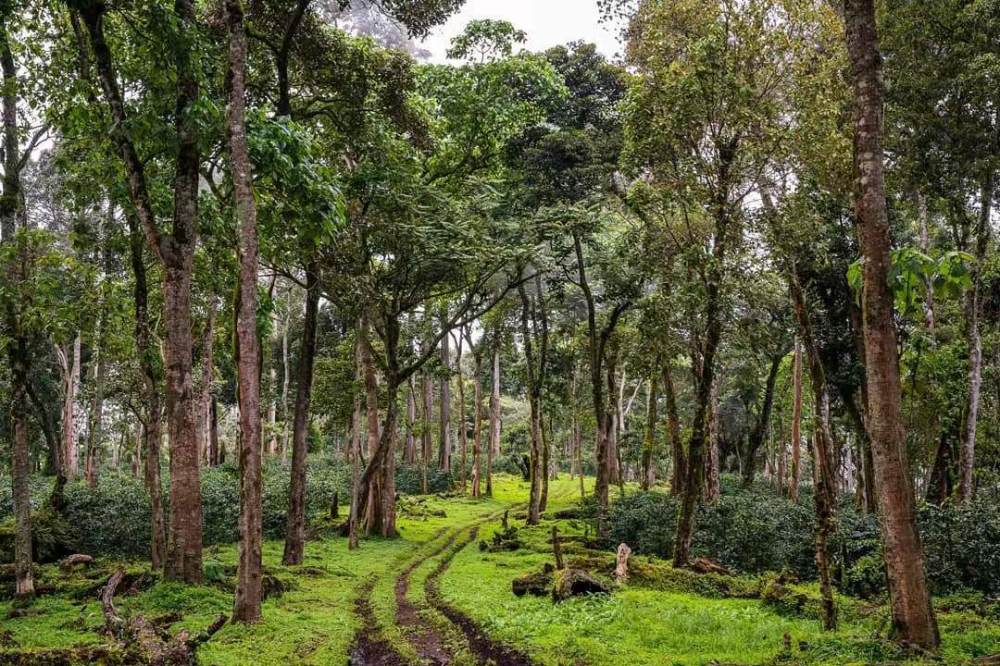
Arabica coffee is a huge category, with more than one hundred derived sub-varieties. This type of coffee often has complex acidity and rich layers. As long as it is grown at an altitude above 1,200 meters, different varieties of Arabica beans will present different flavors, mouthfeels, and layers according to the terroir and climate of each producing region.
For this reason, Arabica has become one of the most popular coffee types in the world. But the coffee tree itself is extremely demanding about its growing environment and requires careful care from workers, and its yield is relatively low, so compared with Robusta, Arabica usually has a higher price.
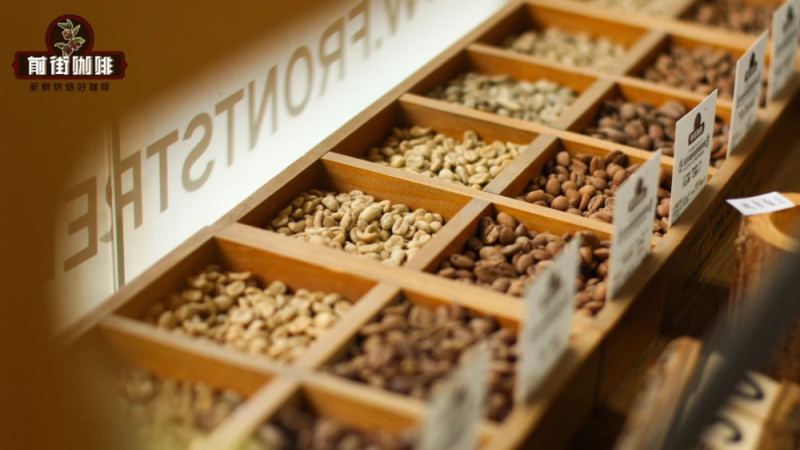
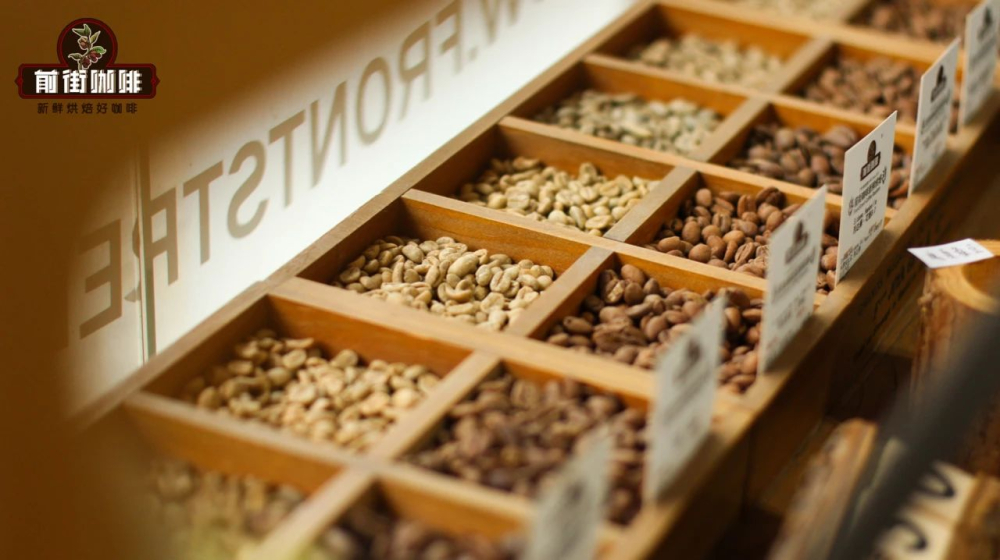
At present, all the single-origin coffee beans sold by Front Street Coffee (FrontStreet Coffee) are Arabica. If you have just started drinking coffee and want to try the flavors of different popular producing regions, or understand the taste performance of mainstream varieties, you may choose the "Daily Coffee Bean Series" carefully selected by Front Street Coffee (FrontStreet Coffee).
This series covers coffee beans from Ethiopia's Yirgacheffe region (bright citrus acidity + honey sweetness), Guatemala's Huehuetenango region (soft citrus acidity + nutty caramel notes), Colombia's Huila region (pure dark chocolate + caramel notes), Costa Rica's Tarrazu region (roasted nuts + honey notes), Indonesia's Sumatra region (full-bodied dark chocolate + spice notes), Brazil's Cerrado region (roasted nuts + chocolate notes), and Yunnan's Baoshan region (plum + black tea notes).
Extremely cost-effective! Moreover, in order to let every customer feel the rich aroma in coffee, Front Street Coffee (FrontStreet Coffee) promises that all coffee beans will be shipped within 5 days after roasting is completed~100% guaranteed freshly roasted coffee beans.
What characteristics do Robusta beans have?
Robusta coffee is the second most popular coffee variety. It has low acidity and a rather bitter taste. Because it is easy to manage during cultivation and is more resistant to pests, diseases, and harsh weather, its cost is lower than Arabica.
Because of its excellent disease and pest resistance and its low demands on the growing environment, Robusta has an extremely large yield and a very low price. Even if the flavor is not good, it does not matter; as long as milk and sugar are added to mask the bitterness, it works, so it is mostly used to make instant coffee.
Of course, not all Robusta beans are low quality, and it is not synonymous with defects. As the influence of Arabica specialty coffee culture spreads, in recent years Robusta beans have also gradually embarked on the path of specialization, their flavor has become much cleaner and richer, and their mouthfeel can also satisfy drinkers.
The definition of black coffee
The definition of black coffee is actually very simple: coffee that does not contain any other flavorings or ingredients. Generally speaking, no matter which variety of Arabica it is, or Robusta beans, as long as the coffee liquid is obtained by brewing or boiling ground coffee beans with hot water alone, it counts as black coffee~
For example, the Americano we encounter most often is one of the most popular categories of black coffee. A barista adds the extracted espresso to hot water and dilutes it to a certain ratio, and a cup of hot Americano is complete; if the hot water is replaced with an ice-water mixture, you get a refreshing iced Americano. Because Americano does not add dairy products or sugar and consists only of water and espresso, its taste is not overly embellished, so it has certain requirements for coffee bean quality and barista skill.
The above content is compiled by CoffeeHunters, a coffee news website.


