







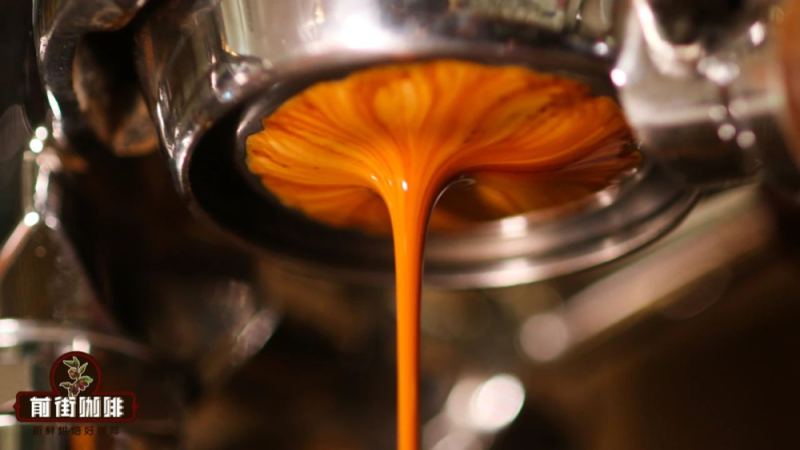
Which Espresso Coffee Beans Suit a Home Machine?
Light-roasted beans usually are not the easiest choice for espresso. Espresso machines extract at high temperature and pressure with a very fine grind, and the concentrated liquid magnifies whatever the bean offers, good and bad. Light roasts tend toward sharp acidity in the cup, while over-dark roasting slides into burnt bitterness, so medium and medium-dark beans give more consistent results.
That is why baristas generally steer home users toward medium or medium-dark espresso coffee beans, including classic blends and single-origin options such as Huakui SOE. A blend that combines Brazilian, Indonesian and Vietnamese beans in a dark roast, for example, extracts a thick crema and works both as an americano and as a latte with milk, which makes it forgiving while technique improves.
Coffee brewing methods are incredibly diverse, from espresso machines to manual pour-over, and each device has somewhat different requirements for the beans. Espresso machines extract under high temperature and pressure with an extremely fine grind, and the concentrated liquid magnifies the beans' character exponentially—highlighting the strengths and just as easily amplifying the flaws. Light-roasted beans tend to produce sharp acidity in espresso, while over-dark roasting turns toward burnt bitterness. So for consistent output, most baristas recommend medium or medium-dark roasted beans. This article follows that line of thinking and rounds up several coffees suitable for home espresso machines, including classic blends, floral-fruity blends, specialty blends, commercial blends, and Huakui SOE, explaining each one's flavor direction and suitable scenarios.
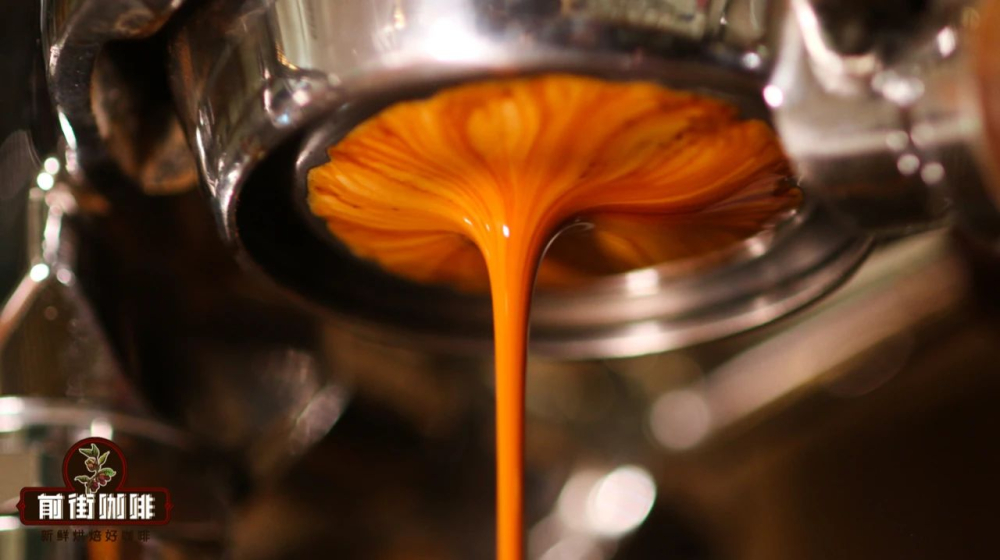
Coffee preparation is quite rich and varied—espresso machines, pour-over, AeroPress, and so on each have their own approach. Brew the same bean a different way, and the flavors it presents can be completely different, which is exactly what makes coffee so interesting.
That said, it should be noted that different devices have very different extraction conditions, so you have to make some trade-offs when choosing beans. Take the most common espresso machine as an example: it extracts coffee through high temperature, high pressure, and an extremely fine grind, and the concentrated liquid naturally amplifies the beans' characteristics—the good points get amplified, and so do the shortcomings. Light-roasted beans easily bring out a biting acidity, while dark roasting taken too far heads toward burnt bitterness. So for stable extraction, baristas usually recommend medium-roasted or medium-dark-roasted beans.
1. Front Street Classic Espresso Blend Coffee Beans
If you prefer a rich, full-bodied taste, take a look at Front Street Classic Espresso Blend Coffee Beans. This recipe combines beans from three origins—Brazil, Indonesia, and Vietnam—and follows a dark roast profile, aiming to bring out as much rich aroma as possible while also making it relatively easy to extract a thick, delicate crema. It works well as an Americano diluted with water or as a latte paired with milk, and you can order it from the Front Street Taobao store or the Front Street Tmall flagship store.
2. Front Street Strawberry Candy Espresso Blend Coffee Beans
If you want to make an espresso with floral and fruity aromas, you should lean toward medium roasting when choosing beans. Here we recommend Front Street Strawberry Candy Espresso Coffee Beans, which can be ordered directly from the Taobao or Tmall store. This bean is based on Front Street Costa Rica Tarrazú, famous for its honey processing, plus beans from Ethiopia, the birthplace of coffee, with Colombian coffee beans added as well. The espresso brewed this way won't seem harsh; after extraction through the coffee machine it has good crema and a velvety texture, along with a sweet-and-sour taste reminiscent of strawberry gummy candy.
3. Front Street Specialty Espresso Blend Coffee Beans
Brazil and Colombia both rank among the world's coffee-producing countries, and their fame goes without saying. Front Street brings beans from these two regions together: the nutty aroma and balance of Brazilian coffee paired with the chocolate notes of Colombian coffee, and the effect is more than just a simple sum. The espresso extracted presents flavors of cream cookies, cocoa, and roasted nuts.
4. Front Street Commercial Espresso Blend Coffee Beans
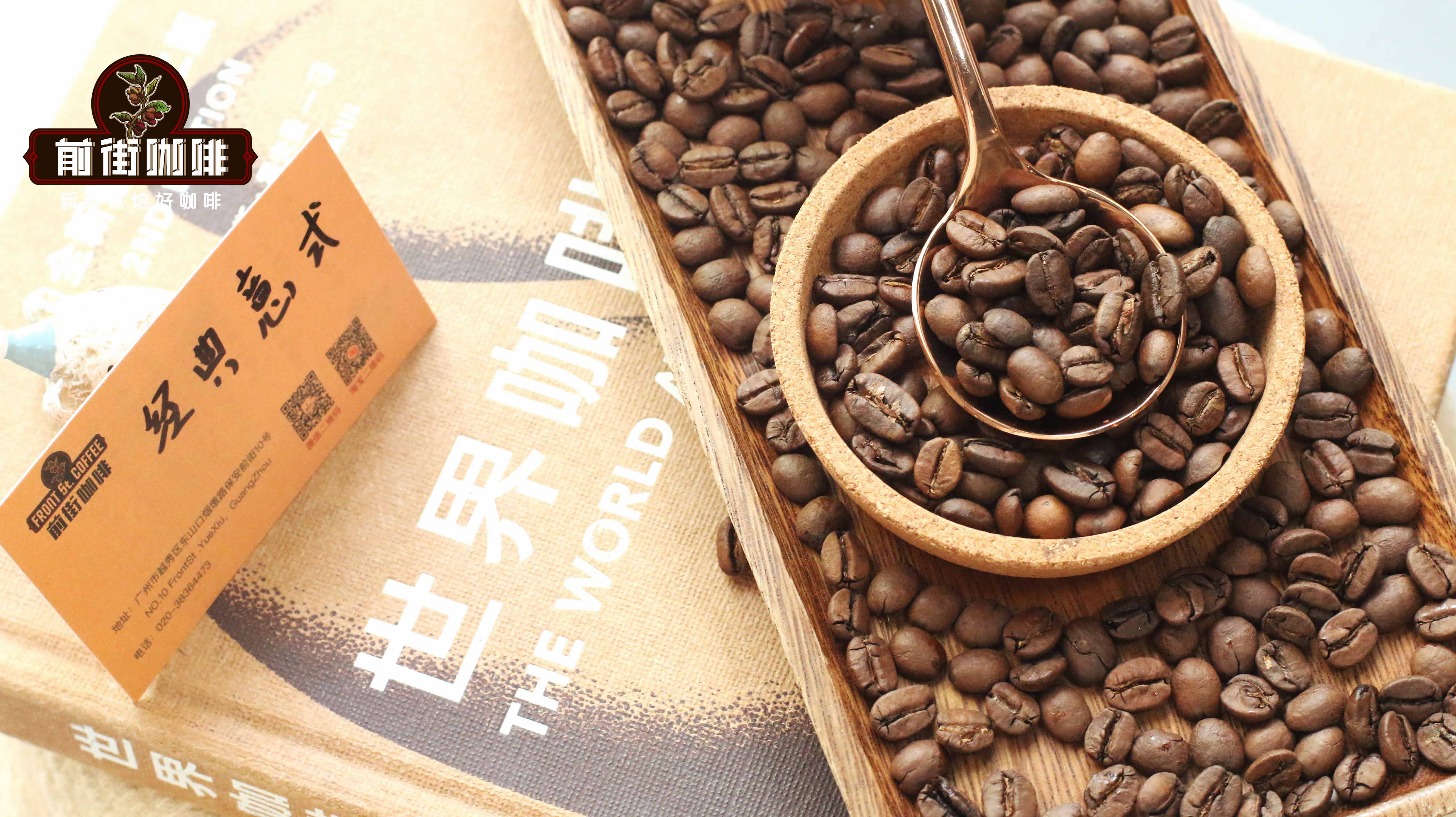
If you want to recreate the Americanos and lattes from coffee shops at home, you can choose Front Street Commercial Blend Coffee Beans. It's a blend of three major origins—Brazil, Colombia, and Vietnam—and after a medium-dark roast it has rich crema and plenty of roasted aroma. As an Americano it tastes mellow and goes down very smoothly; as a latte it's rich and silky, leaving aroma in your mouth after you finish. The price is also relatively friendly, making it suitable as an everyday household staple bean.
5. Front Street Huakui SOE Coffee Beans
SOE has higher demands for the beans: it needs to highlight the flavor while also nailing the roast level—too dark or too light won't do. We recommend Front Street Huakui SOE Coffee Beans, produced in Hambela in Ethiopia's Guji region and processed using the traditional natural method. To bring out the flavors of strawberry, citrus, and black tea, Front Street used a medium roast. Made into an SOE Americano, it has refreshing berry notes, a faint floral aroma, and orange fragrance; made into a latte, you can taste flavors of cranberry cookies, cocoa, and milk candy.
The above content is compiled by CoffeeHunters, a coffee news website.


