







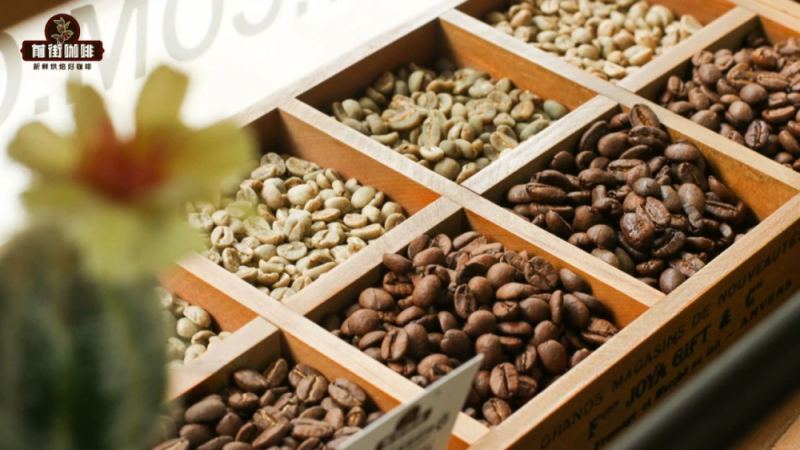
What do coffee grades mean in Papua New Guinea?
Papua New Guinea Bird of Paradise coffee comes from the Sigri Estate in the Wahgi Valley of the Western Highlands, grown between 1,500 and 1,700 meters. It is Arabica of Jamaican Blue Mountain Typica lineage, processed with triple washed fermentation and sun-drying, and graded PNG AA for its screen size and quality.
Sigri Estate has applied strict quality control since the 1950s, hand-picking only fully ripe red cherries, cupping daily, and avoiding chemical agents. Coffee there is a national crop grown mostly by smallholders, and the estate's 90 bird species include the Bird of Paradise that gives the bean its name and its floral, fruity, sweet cup.
Today, Front Street is introducing a coffee with a poetic name—Bird of Paradise. It comes from Papua New Guinea in Oceania, named after the country's national bird, and is exported overseas. This PNG AA Sigri Estate Arabica coffee carries the lineage of Jamaican Blue Mountain Typica, grown at 1,500 to 1,700 meters in the Wahgi Valley of the Western Highlands, and processed using a refined method combining triple washed fermentation and sun-drying. Since the 1950s, Sigri Estate has been renowned for its strict quality control, insisting on hand-picking only fully red cherries, daily cupping, and refusing chemical agents. The estate is home to 90 bird species, including the Bird of Paradise itself. This article will provide a complete analysis of this specialty coffee—which balances floral notes, fruity acidity, and sweetness—covering its origin background, variety lineage, processing method, green bean grading, roasting curve, and cupping and brewing parameters.
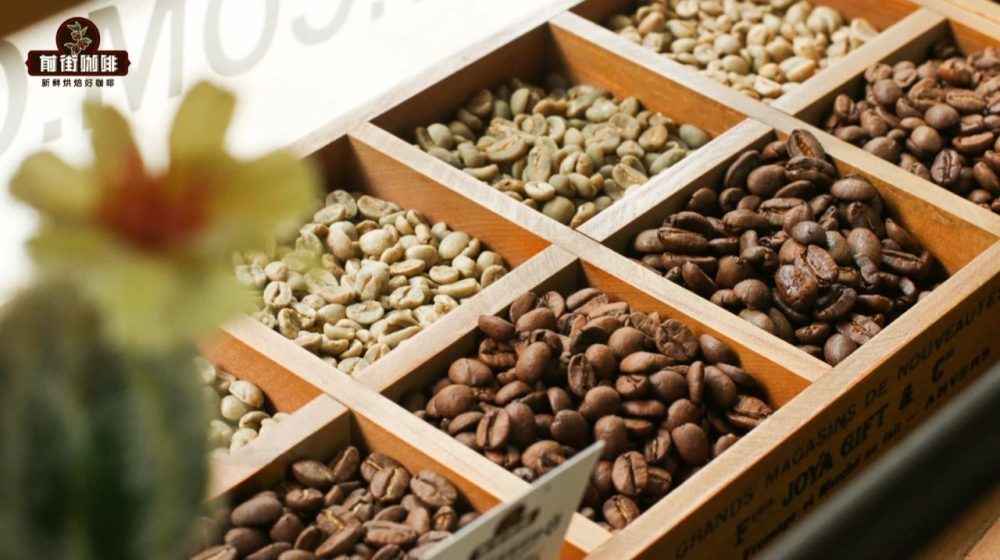
The bean Front Street is discussing this time has a particularly lovely name. It's not called Yirgacheffe, nor Huakui, nor Geisha, but rather a coffee named after a bird—the Bird of Paradise from Papua New Guinea. The Bird of Paradise is regarded as the national bird of the country, with a gorgeous appearance. Using the national bird's name to promote coffee overseas has been quite effective in terms of marketing. So what exactly makes this Papua New Guinea coffee bean unique?
Papua New Guinea is located in Oceania. The locals regard the beautiful Bird of Paradise as a bird of freedom and happiness, considering it a "gift from the gods." The Arabica coffee of PNG AA Sigri Estate, like migratory birds, traveled a long journey from Jamaican Blue Mountain Typica to be cultivated in Papua New Guinea, thus carrying the same lineage as Jamaican Blue Mountain.
In Papua New Guinea, coffee is a national crop and the only crop consumed both domestically and abroad, with 90% grown by smallholders, sustaining nearly 400,000 families—about one-third of the nation's population. Local farmers have devoted decades of passion to Arabica cultivation.
Papua New Guinea is located east of Indonesia and has a standard island climate with high humidity and high temperatures. Sigri Estate, founded in 1950, is situated in the Wahgi Valley of the Western Highlands, producing high-quality Arabica varieties at elevations between 1,500 and 1,700 meters. The cool climate and abundant rainfall make it an ideal environment for growing Arabica coffee.
Sigri Estate cultivates only Arabica coffee, with the main varieties being Arusha, Bourbon, and Typica. The saplings in the estate were transplanted from Jamaican native seedlings—Typica Arabica—making them truly descendants of Blue Mountain. They are planted at elevations of 1,300 to 1,800 meters, resulting in very high quality.
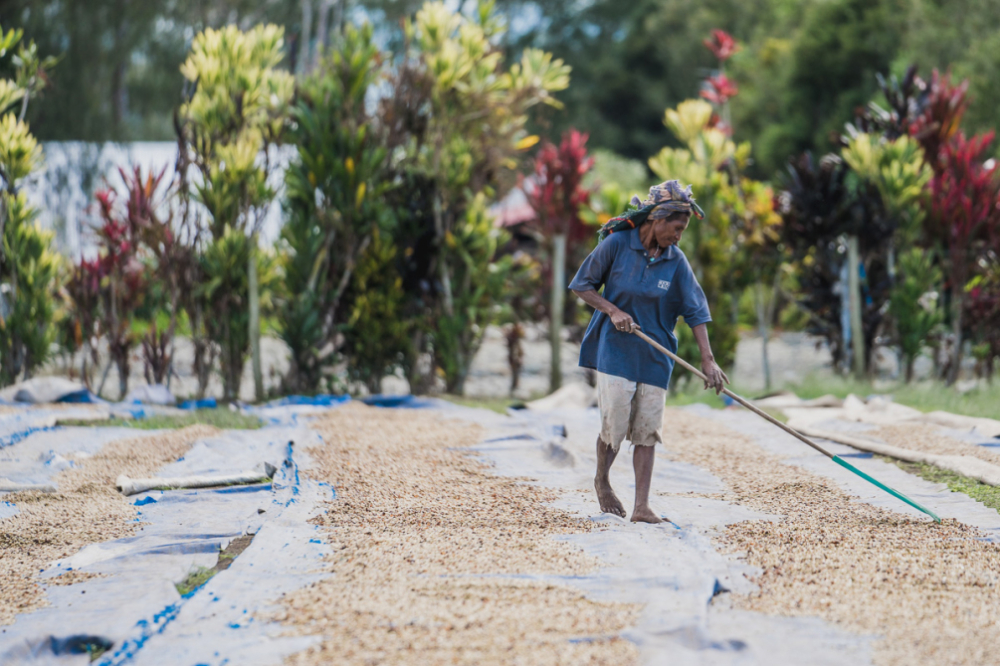
Sigri Estate's quality control process is extremely rigorous. All coffee beans undergo manual inspection for defective beans and maturity assessment, then are processed using traditional methods with washed processing. During fermentation, the beans are washed and soaked for three consecutive days, creating a very distinctive flavor. After washing, they are sun-dried, making the coffee flavor richer, with plump beans, lighter acidity, and a highly varied mouthfeel.
In Papua New Guinea, 95% of coffee comes from the highlands. Sigri Plantation is located in the Wahgi Valley of the Western Highlands of Papua New Guinea, at an elevation of approximately 1,600 to 1,800 meters. The climate here is cool, the soil fertile, and rainfall abundant. Sigri has extensive experience in coffee cultivation and processing. In the 1950s, Papua New Guinea began widespread coffee cultivation, and Sigri was one of the earliest plantations, gaining international fame for its unique high-quality coffee.
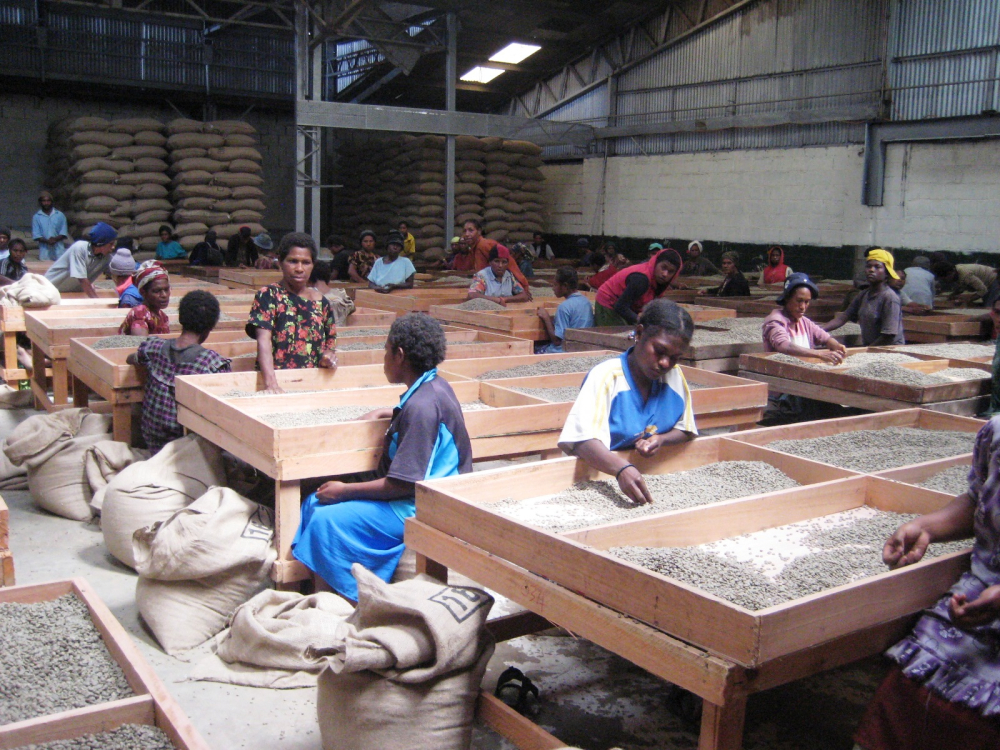
Sigri Plantation has maintained high standards of cultivation and processing for many years. During the harvest season from April to September each year, only fully ripe red coffee cherries are hand-picked, achieving a perfect balance of acidity and sweetness in the coffee cherries. At Sigri, cupping is conducted every day to ensure the plantation provides customers with consistently exceptional coffee. This has made Sigri a classic among the world's specialty coffees. During peak harvest season, Sigri employs approximately 6,000 workers, half of whom live and eat in the plantation's own staff housing. The estate has a free clinic and a primary school for employees' children.
Sigri Plantation also protects soil and water sources, refuses pesticides and insecticides, and cares for the ecology and nearby birds. According to current records, the Wahgi Valley is home to over 160 different bird species, with 90 species inhabiting Sigri Plantation, including Papua New Guinea's national symbol—the Bird of Paradise—making it truly a bird paradise.
Rare native Typica with Jamaican Blue Mountain lineage
Typica is one of the oldest varieties of Arabica coffee discovered to date, the other being Bourbon. Arabica originated in Ethiopia, where this species still grows naturally in the highland primary rainforests. The Typica grown in Java was a gift from the Dutch to King Louis XIV of France, surviving in the Persian Garden, and its seeds were brought by the French to Martinique in 1720.
From 1720 to 1723, French naval officer Gabriel de Clieu stole Typica saplings from the Versailles Palace botanical garden and planted them in French Martinique, then distributed successfully cultivated saplings and seeds to Jamaica, the Dominican Republic, Cuba, Guatemala, and other Central American countries. Since Arabica coffee trees are self-pollinating, this directly led to a severe lack of genetic diversity in Central American Typica. Weakness to disease and low yield are the drawbacks of Typica.
02 | Processing Method
Due to its location in the Southern Hemisphere, the harvest season for Papua New Guinea coffee beans is approximately from May to August (most of Central and South America harvests from October to February of the following year). After the farm and surrounding smallholders harvest ripe red coffee cherries across nearly 413 hectares of land, they are sent to the estate's own processing facility for post-processing. However, New Guinea's local washed processing differs from that of Central and South America.
Triple washed fermentation is used, with each soak lasting about 24 hours, replacing with clean water to control the coffee flavor. After washing, the green beans are hulled and then graded—such as AA, AB, PB peaberry, etc. This meticulous post-processing method brings bright and delicate fruity acidity to the coffee itself, with a clean and lingering sweet taste.
Sigri/Bird of Paradise Estate also places great emphasis on ecological and environmental issues, planting two different types of shade trees to provide a good growing environment for coffee and a good habitat for birds. Currently, the estate is home to 90 different bird species and various wildlife, making it an excellent model of sustainable coffee estate management. It is particularly worth mentioning that Papua New Guinea coffee cultivation basically does not use artificial fertilizers or chemical agents, and all pest and disease control is carried out through natural, non-toxic methods.
Papua New Guinea is located on the island of New Guinea, adjacent to Indonesia, but its coffee flavor is completely different from the round, full-bodied Mantenin. Papua New Guinea coffee has a clean taste, full of floral notes and sweet aftertaste. The vast majority of Papua New Guinea coffee beans are produced by small farmers rather than organized large corporations, with farmers growing between 20 trees and 500 or 600 trees. PNG basically does not use artificial fertilizers or chemical sprays, and pest and disease control on all farms is done by hand. The original three-stage washing method—three 24-hour wash cycles—achieves complete removal of mucilage, followed by natural sun-drying.
03 | Green Bean Analysis
Papua New Guinea coffee grades: 12 grades total, graded by defects
The meaning and rules of Papua New Guinea green coffee bean names:
PNG Plantation Y
Country + Planting Type + Grade Name
In Papua New Guinea:
Plantations and Large Estates account for 25% of national production;
Small to medium-sized farms (Holdings or Blocks) of 10 to 20 hectares account for 10% of production;
In PNG, there are 76 registered plantations and estates in total.
Taking the most sought-after specialty grades AA and A as examples:
(1) AA and A grade coffees belong to the specialty coffee tier, mainly from larger estates.
For AA, the bean size is larger than 18 screen, and the bean shape is oval flat beans. Defect count: maximum 10 defects per kilogram. The green bean appearance is green with a slight blue tint. The green bean flavor must be clean, and the roasted flavor must be clean and smooth.
(2) Grade A requires a size larger than 17 screen, and cupping must reach at least GTF level (Good to Fine)—meaning good to excellent taste. Other defect counts and green bean conditions are the same as AA.
This batch of PNG AA Sigri Estate, packaged in 60KG inner bags, carries a mouthfeel similar to Blue Mountain coffee due to its Jamaican Blue Mountain Typica lineage. With excellent balance, elegant and comfortable acidity, and a pleasant, lingering aftertaste, it is a specialty coffee with distinctive regional characteristics.
04 | Roasting Analysis
Typica is a low-density green bean, so it is not well-suited for dark roasting. It naturally has a refreshing acidity and fruity aroma. We will choose a medium roast, focusing on the heat adjustment after first crack. First, determine the baseline conditions of the green beans, then decide on the roasting method. First of all, this is a washed-process, lower-density, 10% moisture content 17-year green bean. The charge temperature is set based on the current state of the green beans.
Yangjia 800N, green bean charge 550g, specific operation:
Charge when drum temperature reaches 200°C, set airflow to 3. After 1 minute of steaming, adjust heat to 160°C, airflow unchanged. At 160°C, adjust heat once more, dropping to 115°C. Roast until 5'35'', temperature 152°C, bean surface turns yellow, grassy smell completely disappears, dehydration complete, adjust airflow to 4;
At the 9th minute, the bean surface shows ugly wrinkles and dark spots, and the toast aroma clearly transitions to coffee aroma—this can be defined as the prelude to first crack. At this point, listen carefully for the sound of first crack. First crack begins at 8'40'', low heat unchanged, airflow fully open to 5 (adjust heat very carefully, not so low that there is no cracking sound) 40°C. Drop at 191.3°C.
Cupping profile of Papua New Guinea coffee beans
Roast level: Medium roast
Dry aroma: nutty, woody, spicy
Wet aroma: cane sugar sweetness, hazelnut, toast-like
Mouthfeel: toasted bread sweetness, nutty sweetness, a slight fruity acidity bringing out a pleasant sweet-tart sensation that creates a nice layering. The spicy sweetness in the aftertaste is quite distinctive. It tastes rich and balanced, with a sweet flavor and bright acidity, and has fruit-like aromas.
04 | Papua New Guinea Coffee Bean Brewing Analysis
Recommended brewing method: Pour-over
Grind size: fine sugar (75% passing through #20 sieve)
Water temperature: 88°C
Using the center of the dripper as the pivot, pour in circles clockwise. Do not let the water stream hit where the coffee grounds meet the filter paper, to avoid channeling (channeling means water flows directly to the lower server without contacting the coffee grounds).
Brewing time: Generally between 1 minute 40 seconds and 2 minutes 10 seconds. The longer the time, the more substances are extracted from the coffee. With the same amount of water poured, the coffee taste will be stronger, but there is also an increased risk of noticeable bitterness.
The above content is compiled by CoffeeHunters, a coffee news website.


